
Illinois does not throw a lot of curveballs at a dog owner, and that is worth saying up front before you dig into a state better known for cornfields and interstate exits than mountains or coastline.
There is no national park in the state, so you are never fighting the strict federal rules that trip up owners out west when they build a trip around one park. The state parks welcome leashed dogs across the board, and that alone covers most of what you will actually need on a normal weekend.
Shawnee National Forest, way down in the deep south near the Ohio and Mississippi Rivers, is the one spot that feels like real wilderness, sandstone bluffs and hardwood ridges a long way from the flat middle of the state, and it is open to your dog too, leash and all.
This guide lays out every verified place in Illinois, the forest, the historic sites in Chicago and Springfield, and the state park system that ties the rest of the map together, each one checked against its own rule and its own official link.
Here is the honest map of Illinois for a dog. It is Shawnee National Forest first, and then it is the state parks for everything else, in that order.
Shawnee sits way down in the southern tip of the state, and it does not look like Illinois at all once you are in it. Sandstone bluffs, hardwood ridges and quiet backroads feel more like Kentucky than the cornfields most people picture up north.
Leashed dogs are welcome on Shawnee's trails, and the 6-foot leash rule holds in the developed spots, the same as it does anywhere in the National Forest system nationwide.
There is no BLM land and no second national forest in Illinois, so Shawnee carries the wild-feeling weight of the whole state pretty much by itself, which is not a bad deal for one forest to carry.
Outside of Shawnee, Illinois State Parks carry the rest of the map, and they welcome leashed dogs too. You are rarely more than a short drive from a decent trail no matter where you live in the state, and that is the quiet strength of a good state park system.
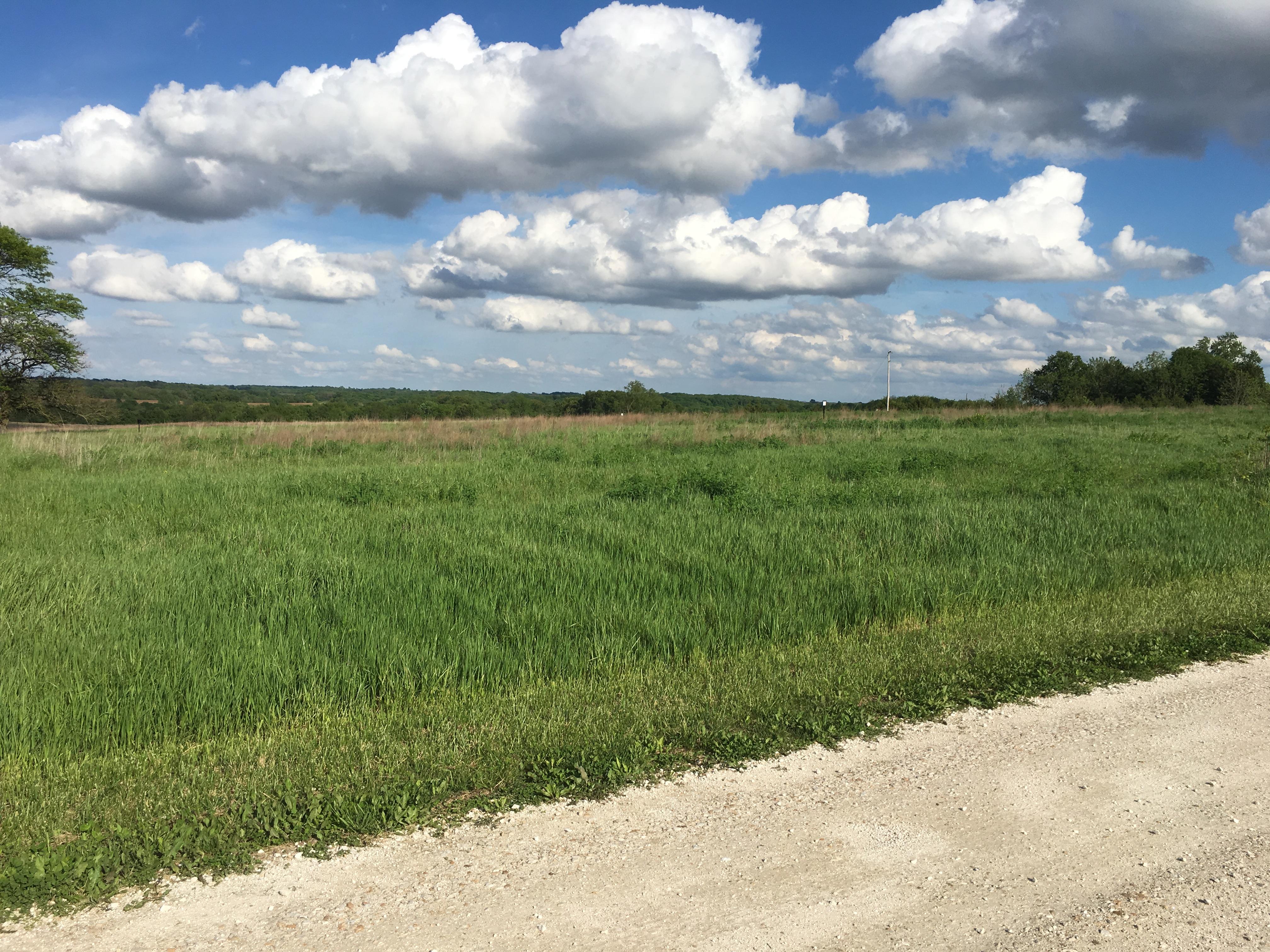
The middle of the state runs flatter and quieter, river bluffs and prairie remnants more than mountain drama, but that suits plenty of dogs just fine, especially the ones that would rather sniff a fence line than climb a ridge.
If you are near Chicago, Pullman National Historical Park and the lakefront give you a walkable stop, though it is more stroll than hike, good for a dog that just wants to be out of the apartment.
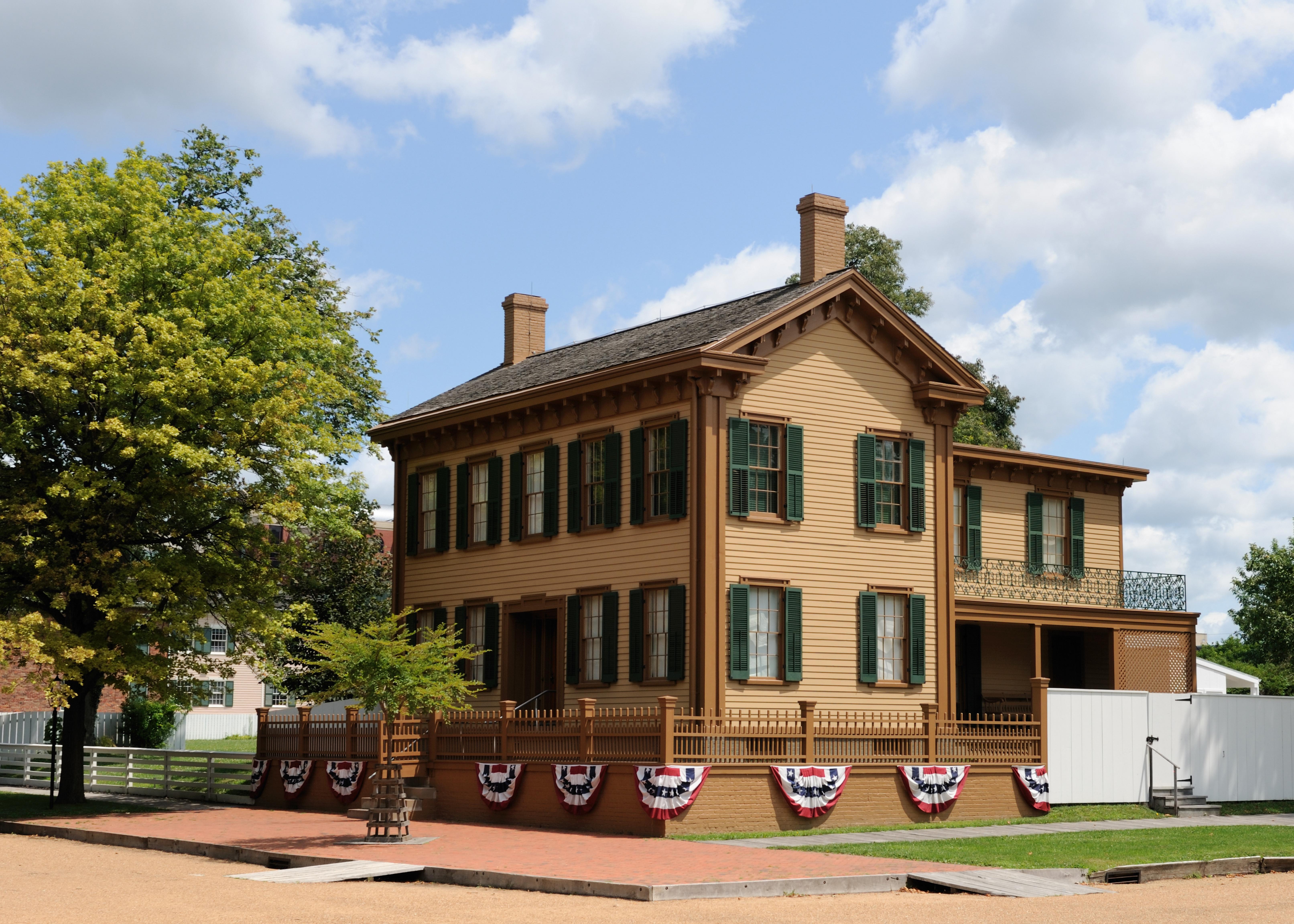
Springfield has Lincoln's home if you want a short, easy walk with some history attached while you are already in town, and New Philadelphia's historic site adds another quiet, low-key stop if you are passing through central Illinois.
So the honest advice is simple. Plan your big hiking days around Shawnee down south, not the cornfields in between, and let the state parks handle everything close to home.
National monuments, historic sites, recreation areas, and other Park Service land in Illinois, often more open to a leashed dog than the headline parks.
National forests and grasslands, broadly the friendliest federal land for a leashed dog.
National wildlife refuges in Illinois. These protect animals first, so dogs are often limited to certain trails or kept out, but a few welcome a leashed dog.
Beaches in Illinois where people ask about bringing a dog, with the off-leash spots and seasonal bans flagged.
Most Illinois state parks welcome leashed dogs on the trails, which makes the state system the easy, everywhere answer here. Yes. Most Illinois state parks welcome leashed dogs on trails.
The most-visited Illinois state parks, each checked for its own dog rule.
Spring through fall is the easy season across Illinois, and fall is the best of it, especially down at Shawnee where the hardwoods turn and the crowds thin out on weekdays.
Summers get hot and sticky in typical Midwest fashion, so start early and carry water even on a modest hike, since the humidity wears a dog down faster than the mileage does.
Ticks show up in the brush from spring on, so check your dog after every walk in tall grass or woods, especially around the ears and the legs.
Spring rain can leave the Shawnee trails muddy and slick for a stretch, so give the bluffs a day or two to dry out after a big storm before you push for real distance.
Winter walking is fine on the flatter state park trails with a little traction, though the Shawnee bluffs get slicker and the footing gets less forgiving.
Deer season runs through the fall in the national forest, so put a little blaze orange on your dog if you are out there in November, just to be seen.
Woodland trails are the easy default, so keep it simple: solid leash control and water for both of you.
Every rule here comes straight from the agency that runs the land, the National Park Service, the Forest Service, the BLM, or the Illinois state park system, and each place is date-stamped on its own page. Dog policies change with the season and the site, so use this to plan and always confirm on the official page before you load up the car. More on how we check it in our methodology.
Shawnee is the real hike, and the state parks are the easy every day. Between the two, Illinois gives a dog owner more trail than the flat map ever lets on.
Yes. Illinois has 18 verified federal and state areas in this guide, and most of the state parks welcome leashed dogs on the trails. The national parks tend to be the strict ones, so those are listed separately below.
Yes. Most Illinois state parks welcome leashed dogs on trails. Leashed dogs are generally allowed on trails, in campgrounds, and day-use areas across Illinois State Parks.
The tightest rules are usually inside the national parks and around sensitive wildlife or water areas. Swim beaches, some nature preserves, playgrounds, and park buildings are typically off-limits. Rules vary by park.