

Kansas does not get much credit as a hiking state, and the flat highway view does not help its case. But once you get off the interstate, there is more ground for a leashed dog than people expect.
There is no national park here, so you are not working around the strict federal rules that trip up dog owners elsewhere. The state parks and a handful of national grasslands carry the whole thing.
Kansas is broadly a friendly state for a leashed dog. Almost everything here says yes, from the reservoirs to the tallgrass prairie, and the one exception, Brown v. Board of Education National Historical Park, is a museum stop rather than a hike anyway.
This guide pulls together everything we have checked in Kansas: the state parks, the grasslands, and the historic sites, each with its rule and a link to confirm it.
The Cimarron and Comanche National Grasslands, run out of the same office as Colorado's Pike and San Isabel forests, are the wildest ground in the state, open prairie with almost nobody on it.
Leashed dogs are welcome there, and the quiet is the whole point. It is short grass and long sky, with the occasional canyon cut into the plains to break up the horizon.
The Santa Fe National Historic Trail traces its way across the state too, and the stretches you can walk welcome a leashed dog.
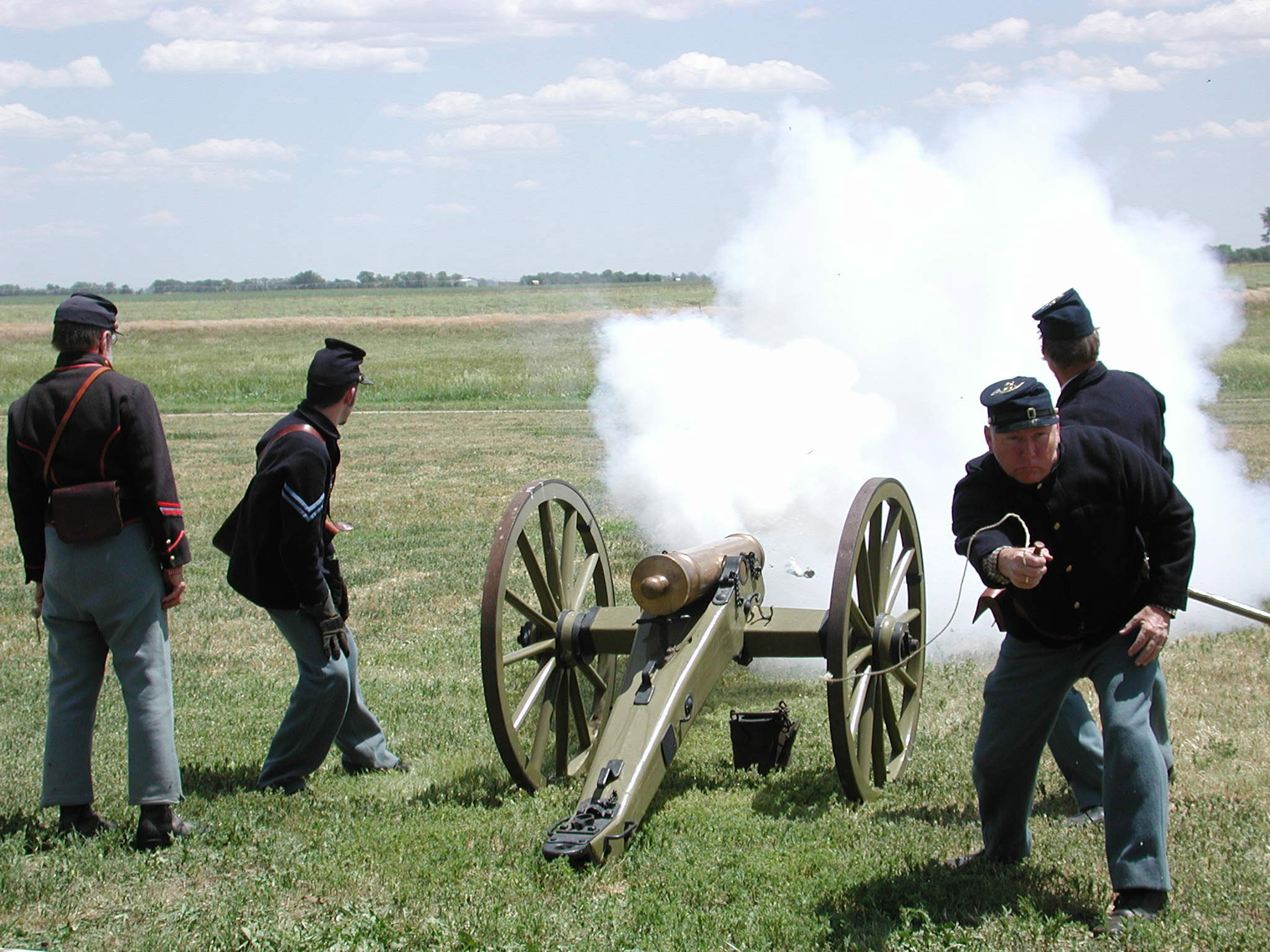
Fort Larned and Fort Scott give you frontier history along with an easy walk, both welcoming a leashed dog on the grounds. Both sit far enough apart that they make good anchors for two separate day trips rather than one long one.
Nicodemus, the historic Black homestead town, adds another walkable stop if you are passing through the northwest part of the state.
Tallgrass Prairie National Preserve, down in the Flint Hills, holds dogs to certain areas rather than the whole preserve, so read that one before you build a day around it.
The bison herd there is the draw for most visitors, but it is also the reason for the tighter rule, so keep well back and keep your dog leashed close.
One rule covers the state: a 6-foot leash, and keep the dog close, since the grass hides more than you would think.
The state park system fills in the rest, and it reaches nearly every corner of Kansas, welcoming leashed dogs at the reservoirs and the woods along the rivers.
So plan around the grasslands and the state parks, not around a national park Kansas simply does not have. You will not go looking for one for long.
National monuments, historic sites, recreation areas, and other Park Service land in Kansas, often more open to a leashed dog than the headline parks.
 BRVBNo pets allowed
 FOLSDog-friendly
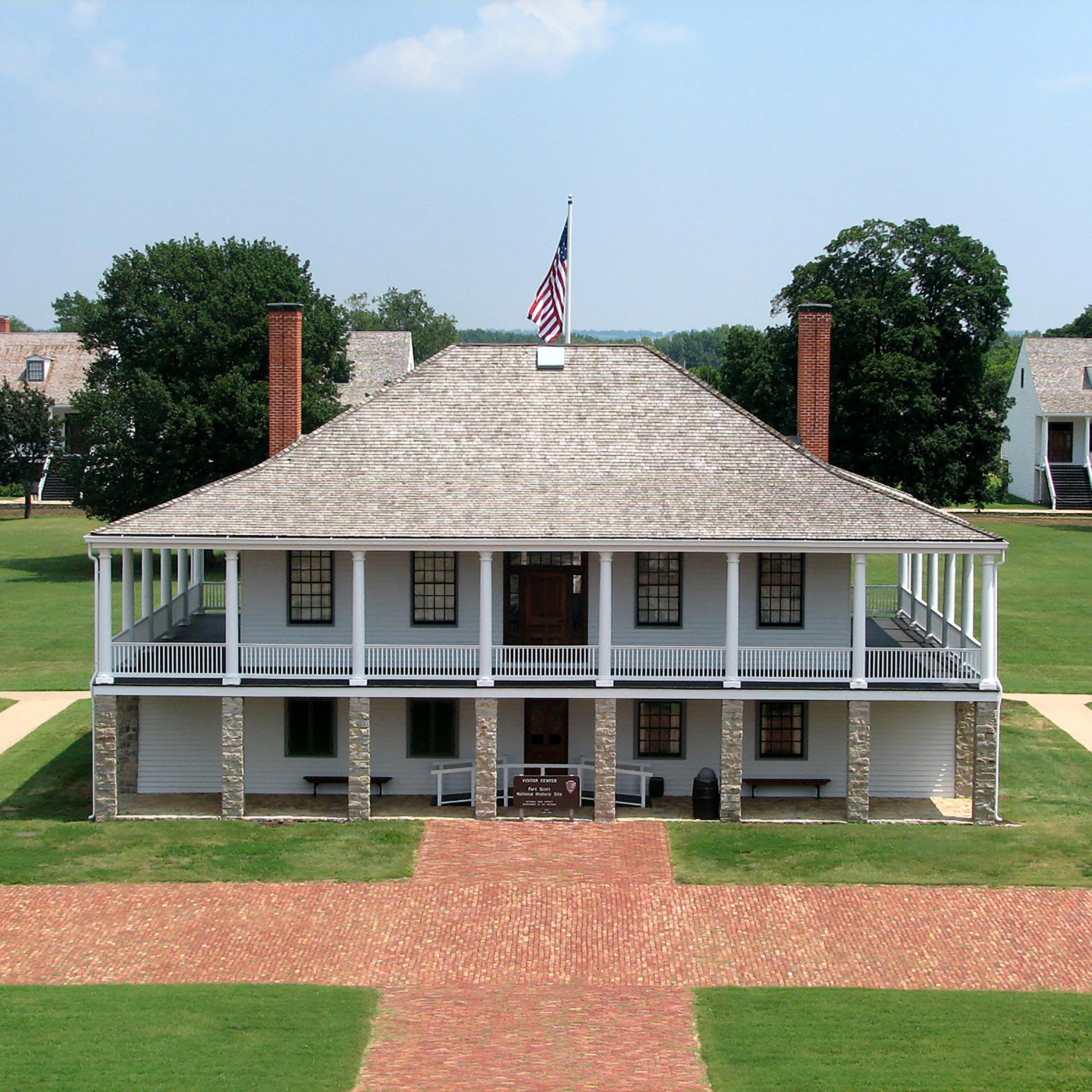 FOSCDog-friendly
 NICODog-friendly
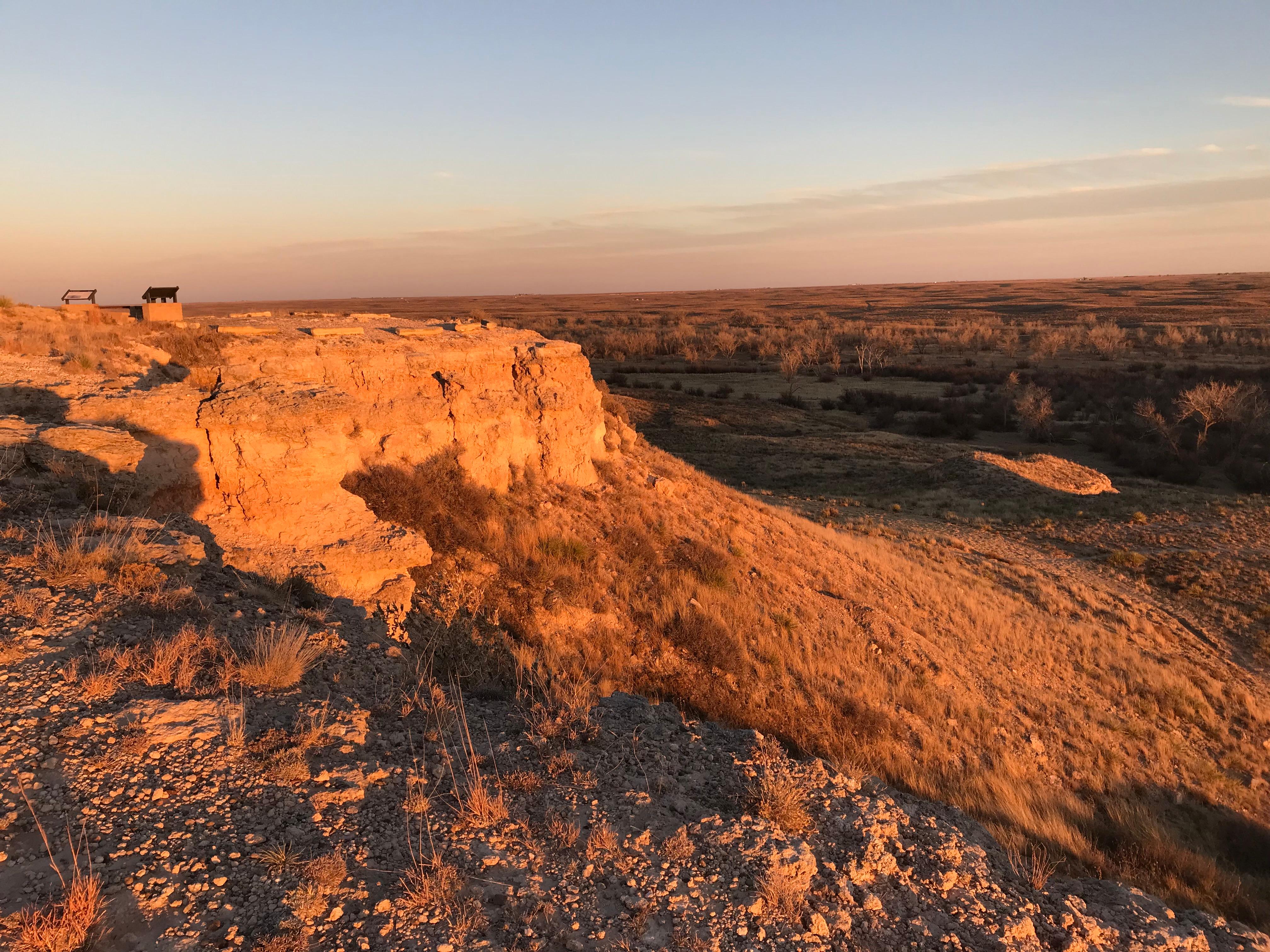 SAFEDog-friendly
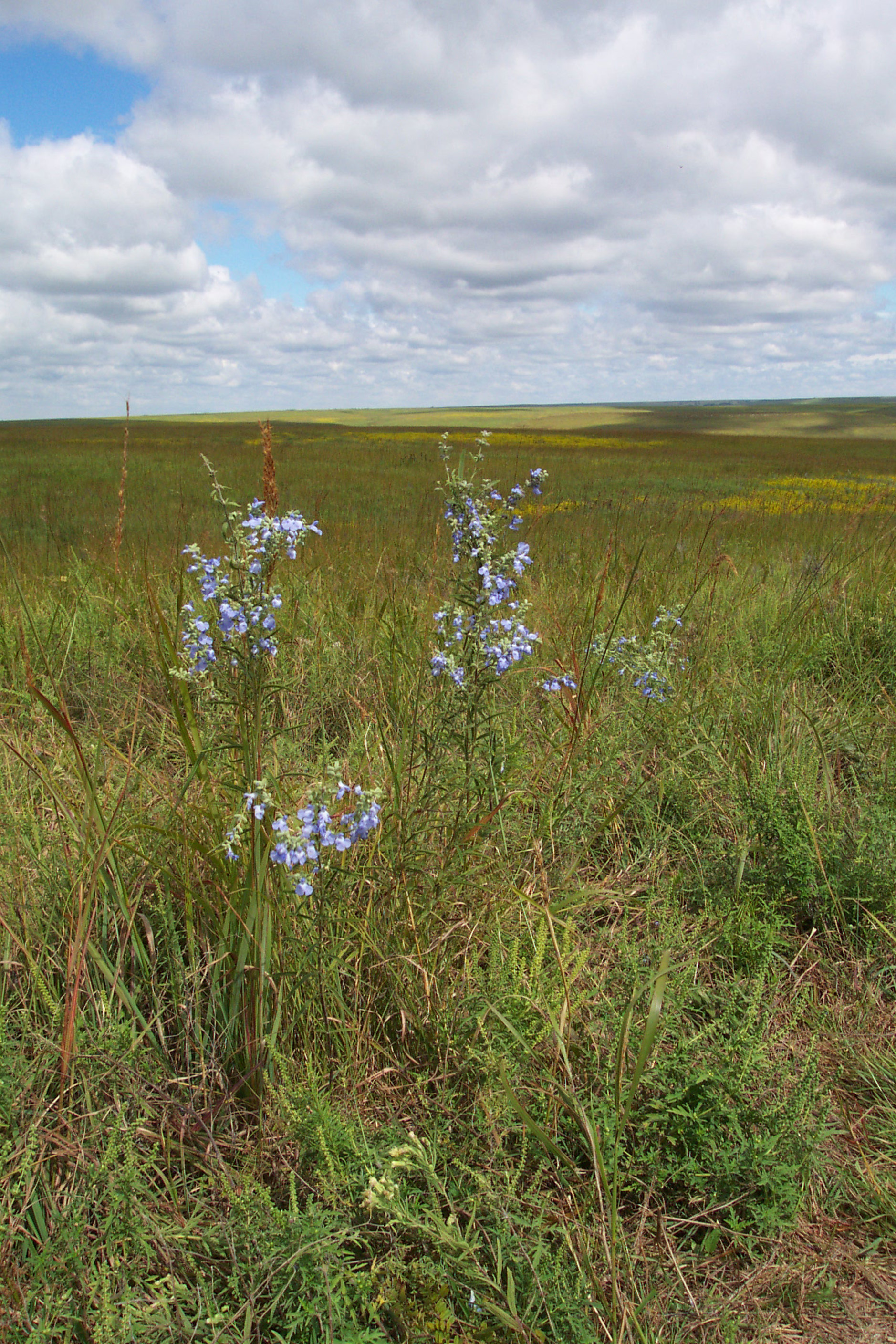 TAPRLimited access
National forests and grasslands, broadly the friendliest federal land for a leashed dog.
National wildlife refuges in Kansas. These protect animals first, so dogs are often limited to certain trails or kept out, but a few welcome a leashed dog.
Most Kansas state parks welcome leashed dogs on the trails, which makes the state system the easy, everywhere answer here. Yes. Most Kansas state parks welcome leashed dogs on trails.
The most-visited Kansas state parks, each checked for its own dog rule.
Spring and fall are the comfortable seasons in Kansas. Summers run hot and windy, and winters bite hard on the open prairie.
Shade is scarce out here, so carry more water than you think you need, for you and the dog both.
Ticks turn up in the tallgrass by late spring, so check your dog after any walk through the grasslands.
Storms build fast in spring and can turn serious with little warning, so keep an eye on the sky and know where the nearest shelter is.
Wind is a constant on the open ground, so a lightweight jacket for you and a solid grip on the leash go a long way.
Reservoir shorelines can be rocky and hot underfoot by midsummer, so check your dog's paws after a walk along the water.
Winter here turns properly cold and often windy on top of it, so a short, brisk walk beats a long one once the temperature drops.
Woodland trails are the easy default, so keep it simple: solid leash control and water for both of you.
Every rule here comes straight from the agency that runs the land, the National Park Service, the Forest Service, the BLM, or the Kansas state park system, and each place is date-stamped on its own page. Dog policies change with the season and the site, so use this to plan and always confirm on the official page before you load up the car. More on how we check it in our methodology.
Kansas does not need a national park to reward a dog owner. The grasslands and the state parks cover the ground just fine.
Yes. Kansas has 17 verified federal and state areas in this guide, and most of the state parks welcome leashed dogs on the trails. The national parks tend to be the strict ones, so those are listed separately below.
Yes. Most Kansas state parks welcome leashed dogs on trails. Leashed dogs are generally allowed on trails, in campgrounds, and day-use areas across Kansas State Parks.
The tightest rules are usually inside the national parks and around sensitive wildlife or water areas. Swim beaches, some nature preserves, playgrounds, and park buildings are typically off-limits. Rules vary by park.