

Arkansas surprises people. Say "Natural State" and most folks picture the scenery, not a place where you can actually hike with your dog without fighting a rulebook full of exceptions.
Here's the good news up front: the public land in Arkansas leans dog-friendly across the board, from the national forests to the one national park inside its borders. You won't spend your trip hunting for the rare spot that allows a leash.
Hot Springs is that park, and it's the rare one that doesn't turn strict. Leashed dogs are welcome right on the surface trails, which almost never happens at a National Park Service site, and it sets the tone for the rest of the state.
This guide pulls together the forests and Hot Springs itself, each one checked against its own rule, so you know exactly what you're walking into before you load up the car.
Start with the trees, because that's most of what Arkansas has to offer a dog. "Ozark" basically means hills stacked on hills, hardwood covering nearly all of it.
The Ozark-St. Francis National Forests run across the northern half of the state, and leashed dogs are welcome on every trail in them. Sandstone bluffs and hardwood canopy make up most of the walking.
Down south, the Ouachita National Forest does the same job for the other half, ridge after ridge of pine and hardwood running east to west instead of north to south like most ranges. It's some of the oldest mountain country in North America, worn down soft by time.
Between the two forests you've got most of the state's high ground covered, and neither one makes you jump through hoops for a dog. Trailheads sit close to small towns, so you're rarely driving far to reach one.
The rule in both is simple: 6-foot leash, dog under control, and you're set. That covers the developed areas and the deep trail alike.
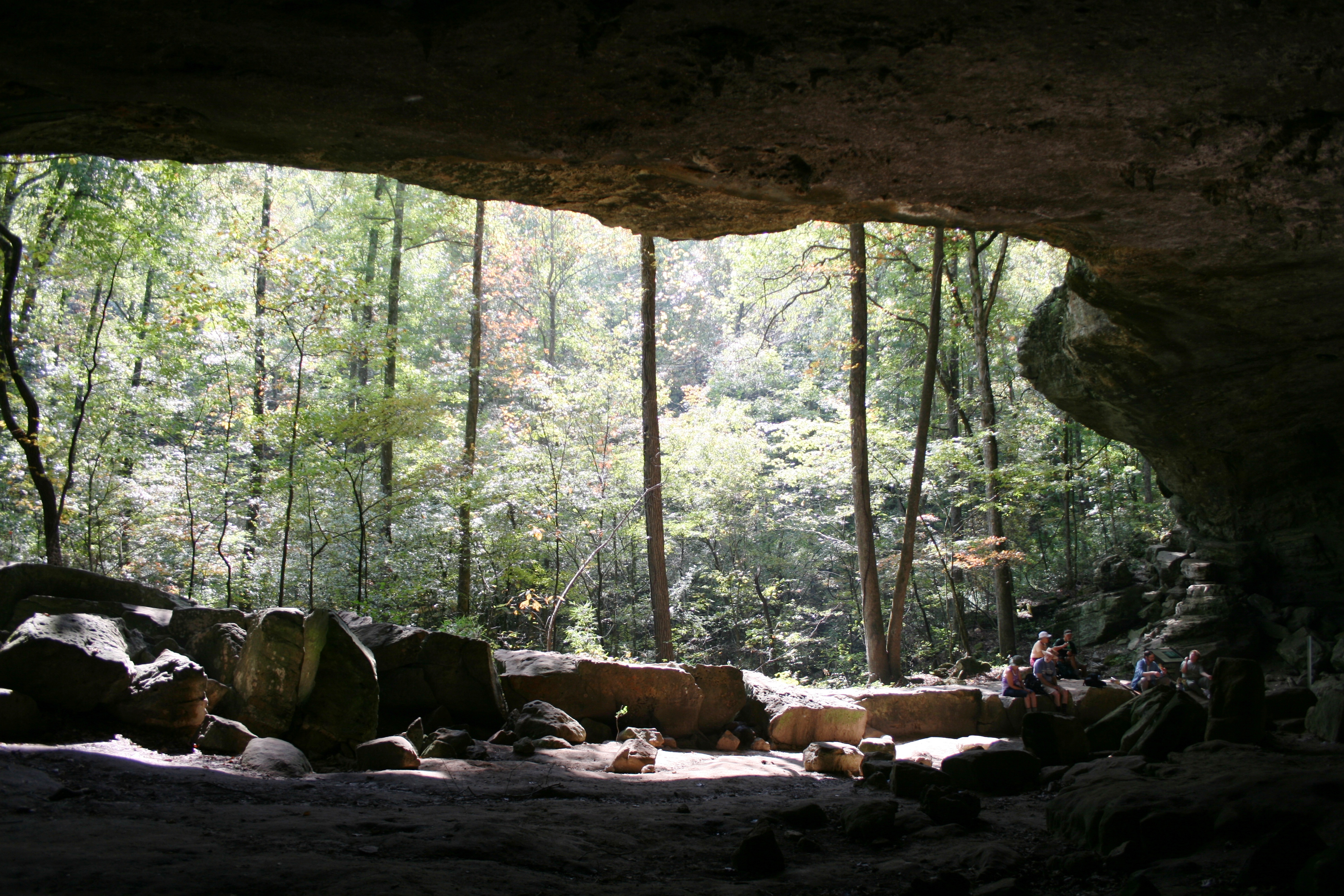
Waterfalls are the real draw once spring rain gets going, and both forests have plenty tucked into the folds of the hills. Many sit an easy mile or two from the trailhead.
The Buffalo National River cuts through the Ozarks too, and while the river corridor itself runs a bit more limited for dogs, the forest trails all around it don't. Bluff-top overlooks along the way are worth the short detour.
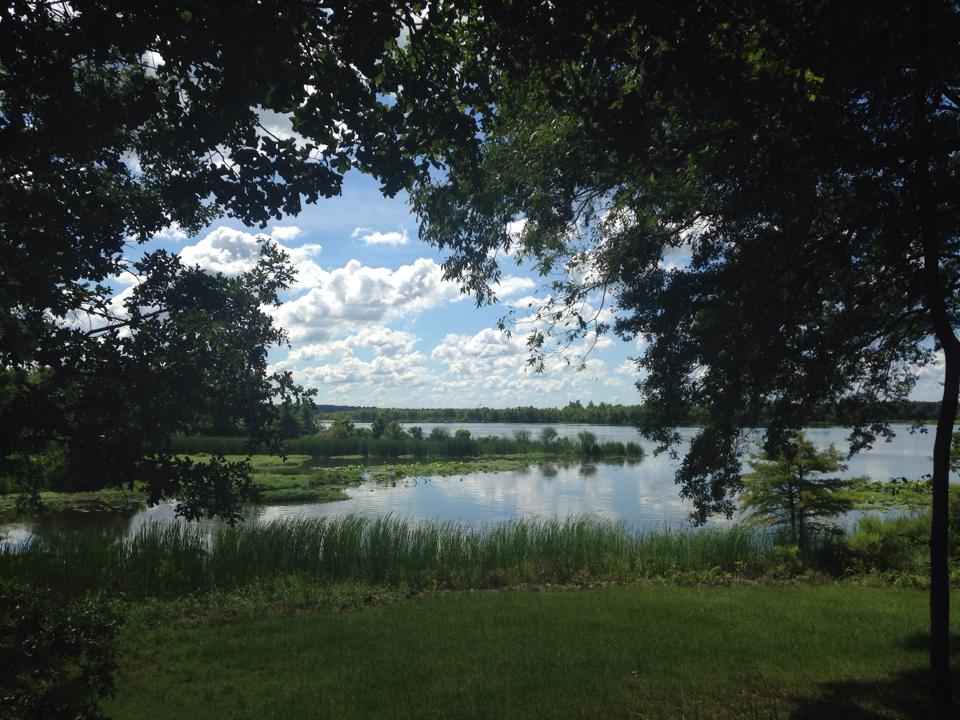
Bring a dog that likes water. Hiking here means creek crossings and river bluffs more often than exposed rock, and a dip in a clear Ozark stream is part of the deal come summer.
State parks fill in the gaps between the two big forests, and most of them welcome a leashed dog on the trail too, so you're never far from a good walk.
So plan your dog days around the two national forests, not around chasing down every historic site on the map. The trees are where the real trail miles are.
Arkansas only has the one national park, and it breaks the mold in the best way.
Hot Springs is the park, and leashed dogs are welcome on most or all of its trails, including the surface trails above the historic bathhouses. That's a rare yes from the National Park Service, and it's worth building a stop around.
National monuments, historic sites, recreation areas, and other Park Service land in Arkansas, often more open to a leashed dog than the headline parks.
 ARPODog-friendly
 BUFFLimited access
 FOSMDog-friendly
 CHSCDog-friendly
 PERIDog-friendly
National forests and grasslands, broadly the friendliest federal land for a leashed dog.
Most Arkansas state parks welcome leashed dogs on the trails, which makes the state system the easy, everywhere answer here. Yes. Most Arkansas state parks welcome leashed dogs on trails.
The most-visited Arkansas state parks, each checked for its own dog rule.
Spring and fall are the sweet spot in Arkansas, when the temperature sits somewhere reasonable and the waterfalls are still running from winter rain. Both seasons bring good color to the hardwood canopy too.
Summer gets hot and sticky fast, the kind of humid that wears a dog out faster than the mileage does. Start early, carry more water than you think you need, and plan to be done by early afternoon.
Ticks show up as soon as the weather turns warm and stick around into fall, so check your dog after every hike through the brush. The tall grass near trailheads is often the worst offender.
Copperheads live in these hills, mostly sunning on warm rocks in spring and fall, so keep an eye on the trail edge and keep your dog from poking into rock piles.
Winter hiking here is easy and quiet, without the ice and snow that shuts down trails farther north. It's a good season for longer miles with fewer people around.
If you're in the national forest during deer season, put a little blaze orange on the dog. Hunters are out there too, and a visible dog is a safer one.
Woodland trails are the easy default, so keep it simple: solid leash control and water for both of you.
Every rule here comes straight from the agency that runs the land, the National Park Service, the Forest Service, the BLM, or the Arkansas state park system, and each place is date-stamped on its own page. Dog policies change with the season and the site, so use this to plan and always confirm on the official page before you load up the car. More on how we check it in our methodology.
So here's Arkansas in short: the forests are wide open for a leashed dog, Hot Springs is one of the friendliest national parks in the country, and the hardest part of the trip is picking which waterfall to see first.
Yes. Arkansas has 16 verified federal and state areas in this guide, and most of the state parks welcome leashed dogs on the trails. The national parks tend to be the strict ones, so those are listed separately below.
These national parks allow leashed dogs on at least some trails: Hot Springs. Check each page for the exact trails, since park rules are the tightest we cover.
Yes. Most Arkansas state parks welcome leashed dogs on trails. Leashed dogs are generally allowed on trails, in campgrounds, and day-use areas across Arkansas State Parks.
The tightest rules are usually inside the national parks and around sensitive wildlife or water areas. Swim beaches, some nature preserves, playgrounds, and park buildings are typically off-limits. Rules vary by park.