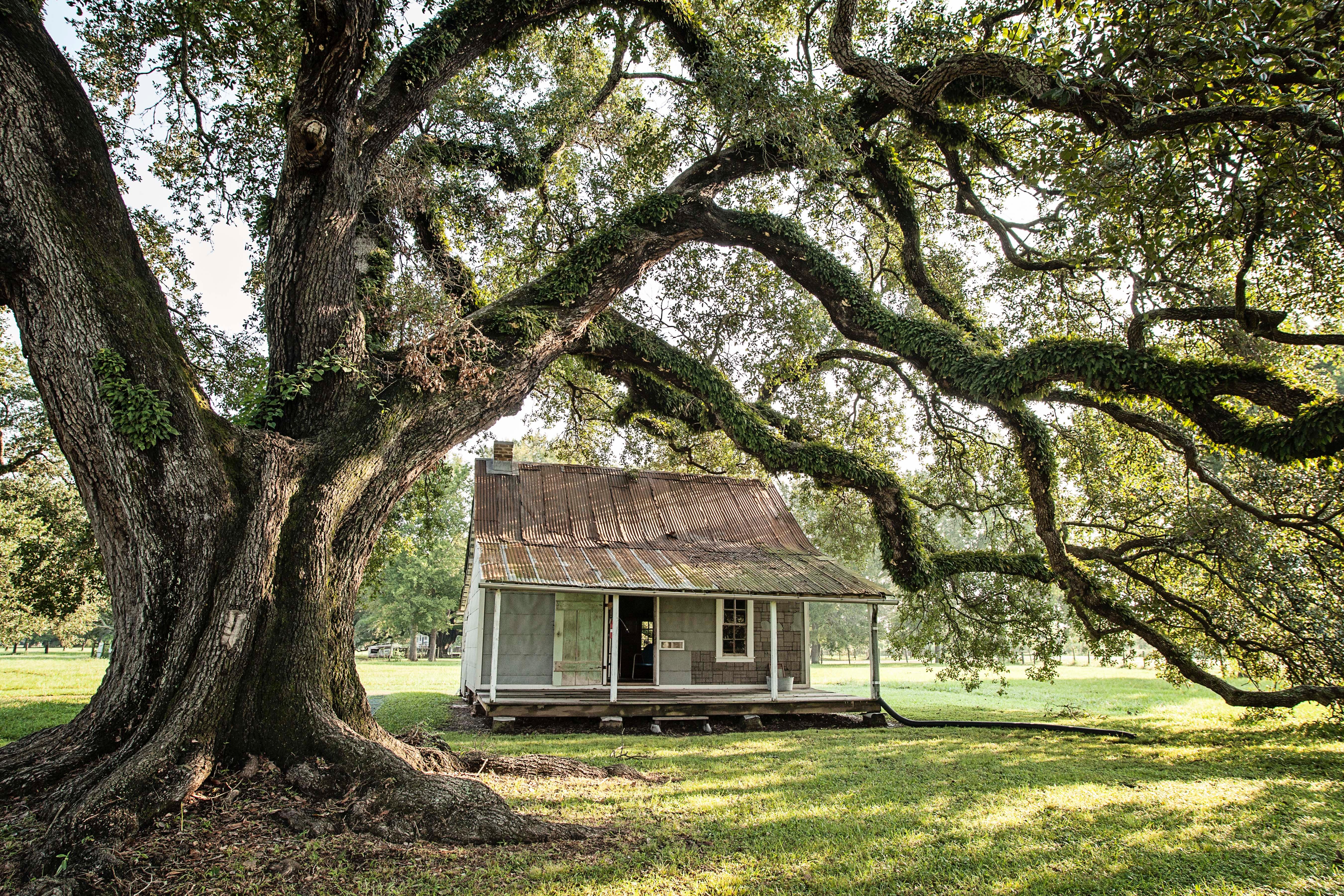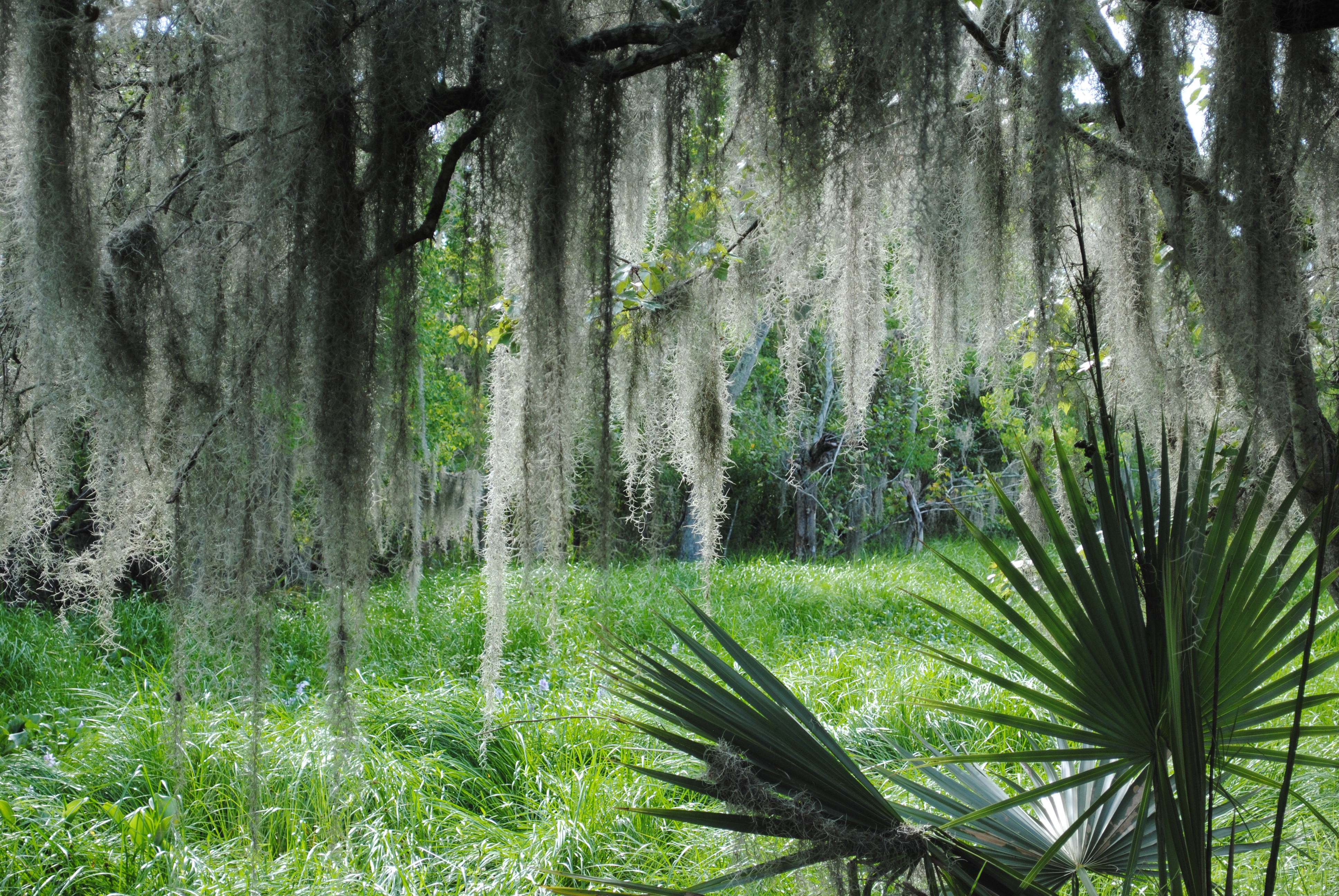

Louisiana doesn't get enough credit as a dog-hiking state, mostly because people picture swamp and heat and stop right there before checking what's actually open to a leash, and that's a reputation worth correcting once you look at the map.
There's no national park here, which works in your favor. No strict federal trail rules to plan around, just the state parks and one real national forest, both friendly to a leashed dog from one end of the state to the other.
The closest thing to a catch is Jean Lafitte's preserve near New Orleans, which keeps dogs off its trails to protect the swamp ecosystem and the wildlife that depends on it. That's the exception here, not the rule.
This guide lays it all out: the Kisatchie forest where the real hiking happens, the historic sites with real character along the Cane River and the Mississippi, and the state park system that covers the rest, each one checked against the agency that runs it and linked back to the source.
Louisiana's hiking case rests on one forest and a strong state park system, and honestly, that's plenty to work with if you know where to look and you're willing to drive a bit for the good stuff.
Kisatchie National Forest, the only national forest in the state, is the pick for a real day out, the place to go when a short neighborhood walk won't cut it. Pine hills, sandstone bluffs, creek bottoms, and bayou edges all welcome a leashed dog.
It sits in the middle of the state, a few hours from either New Orleans or Shreveport, and it's worth the drive if you want more trail than a short loop and a quick drive home.
The Louisiana State Parks system fills in everywhere else and reaches nearly every corner of the state, so a good leashed walk is rarely more than a short drive away no matter which parish you're starting from, bayou country or the piney hills up north.
One rule holds everywhere: a 6-foot leash on the trail, even where the woods feel empty enough that nobody would notice.
Cane River Creole National Historical Park, up near Natchitoches, adds a walkable stop with real history behind it, plantation grounds and Creole architecture along the water.
Vicksburg National Military Park, just across the Mississippi line, rounds out the historic sites with battlefield trail that welcomes a leashed dog.
Skip Jean Lafitte's preserve with the dog. It keeps pets off its trails to protect the swamp, though the visitor center grounds are still fine to walk.
Louisiana isn't known for elevation, but the piney hills around Kisatchie give you real changes in grade, a welcome surprise if you assumed the whole state ran flat.
So plan your dog days around Kisatchie and the state parks, not the swamp preserves. That's where Louisiana actually opens up for a hike.
National monuments, historic sites, recreation areas, and other Park Service land in Louisiana, often more open to a leashed dog than the headline parks.
National forests and grasslands, broadly the friendliest federal land for a leashed dog.
National wildlife refuges in Louisiana. These protect animals first, so dogs are often limited to certain trails or kept out, but a few welcome a leashed dog.
Beaches in Louisiana where people ask about bringing a dog, with the off-leash spots and seasonal bans flagged.
Most Louisiana state parks welcome leashed dogs on the trails, which makes the state system the easy, everywhere answer here. Yes. Most Louisiana state parks welcome leashed dogs on trails.
The most-visited Louisiana state parks, each checked for its own dog rule.
Late fall through spring is the real hiking season in Louisiana, when the air finally breaks and a long walk stops feeling like a chore. Summer heat and humidity wear a dog down fast, especially with the low elevation and thick, still air.
Watch for alligators and snakes anywhere near water, and there's water almost everywhere in this state, from roadside ditches to the bayou itself, so keep the leash short along any edge.
Mosquitoes and mud show up together in the wet months, so pack repellent and expect the low spots to hold standing water well into spring, sometimes longer.
Carry water even on a short hike. The humidity taxes a dog faster than the temperature alone would suggest.
Pick shaded trail when you can. Kisatchie's pine cover and the bayou tree lines both help more than you'd expect on a hot afternoon.
Deer season brings hunters into Kisatchie, so add a bit of blaze orange to the dog once fall rolls around.
Woodland trails are the easy default, so keep it simple: solid leash control and water for both of you.
Every rule here comes straight from the agency that runs the land, the National Park Service, the Forest Service, the BLM, or the Louisiana state park system, and each place is date-stamped on its own page. Dog policies change with the season and the site, so use this to plan and always confirm on the official page before you load up the car. More on how we check it in our methodology.
Kisatchie is the one to build a real hike around, pine hills and bayou both in one forest. The state parks and the historic sites along the rivers fill in everything else, close to home and easy on a leash, cooler months only.
Yes. Louisiana has 14 verified federal and state areas in this guide, and most of the state parks welcome leashed dogs on the trails. The national parks tend to be the strict ones, so those are listed separately below.
Yes. Most Louisiana state parks welcome leashed dogs on trails. Leashed dogs are generally allowed on trails, in campgrounds, and day-use areas across Louisiana State Parks.
The tightest rules are usually inside the national parks and around sensitive wildlife or water areas. Swim beaches, some nature preserves, playgrounds, and park buildings are typically off-limits. Rules vary by park.