
Florida is not the state most people picture when they think of hiking with a dog, and the heat is only part of the reason. The bigger surprise is how the national parks here treat a leashed dog.
The big three, the Everglades, Biscayne, and Dry Tortugas, are mostly closed to dogs once you leave the parking lot. Water, alligators, and fragile habitat make the agencies cautious, and the rules show it.
Outside those three, Florida opens up. The state park system is large and welcoming, the national forest reaches across the middle of the state, and a run of seashores and historic sites add sand and shade to the mix.
This guide lays out every piece of it: the parks and their limits, the forest where you can actually put in miles, and the coastal spots worth a visit, each one checked against the agency that runs it.
The National Forests in Florida are your best bet for a real hike with a dog, miles of pine flatwoods and cypress strand tucked into the middle of the state.
Leashed dogs are welcome on the trails there, and the ground stays shaded even when the sun is working hard outside the tree line.
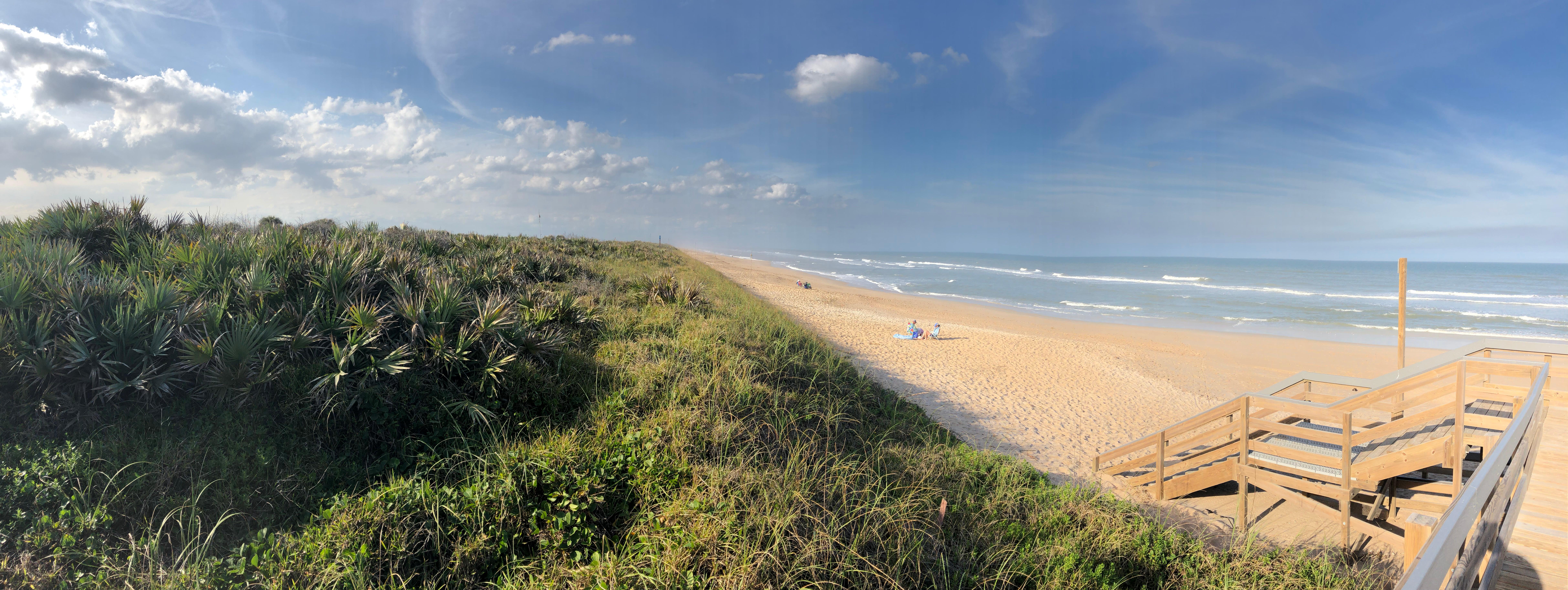
Up the coast, Canaveral National Seashore lets a leashed dog onto part of its beach and dune trail, a nice change of scenery from the woods.
Fort Matanzas and De Soto National Memorial are small stops, but both welcome a leashed dog on their short walks, easy to fold into a coastal day.
Timucuan Ecological and Historic Preserve, up around Jacksonville, welcomes leashed dogs across its marsh and maritime forest trails too.
Gulf Islands National Seashore, over on the panhandle, allows dogs on part of its beach and trail, though the rules shift by section, so check before you go.
One rule to remember everywhere: a 6-foot leash in developed areas, and a dog you can control once you are out on the trail or the sand.
The state park system carries the rest of the load, and it is a strong one, with a park within reach of almost any town in Florida.
So plan your real dog days around the national forest and the seashores, not around the big national parks. The trails are not there for a dog at the Everglades, Biscayne, or Dry Tortugas, but the rest of Florida makes up for it.
Florida's three national parks are the strictest ground in the state for a dog, and knowing that before you book a trip saves some disappointment.
Everglades keeps dogs off the trails and boardwalks entirely, developed areas and campgrounds only. The wildlife and the water make it a hard no for hiking.
Biscayne runs the same way, no dogs on the trails, since most of the park is water and mangrove anyway. This one is really a boat trip more than a hike.
Dry Tortugas allows dogs in a more limited way, mostly around the developed fort area, not out on the open water trails and reef paths. Getting there takes a boat or a plane either way, so plan the day around the fort itself.
National monuments, historic sites, recreation areas, and other Park Service land in Florida, often more open to a leashed dog than the headline parks.
 BICYBanned on trails
 CANALimited access
 CASALimited access
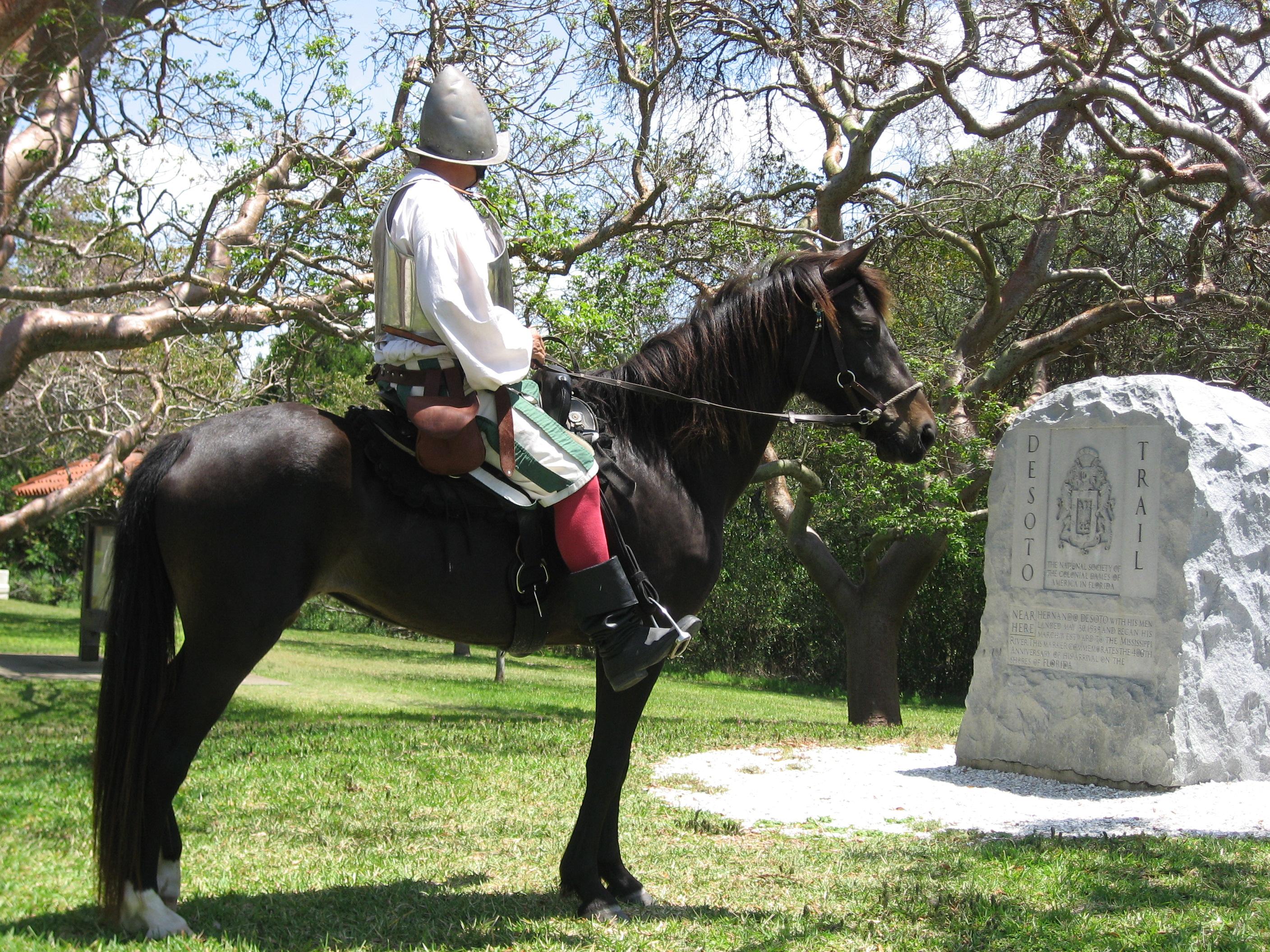 DESODog-friendly
 FOMADog-friendly
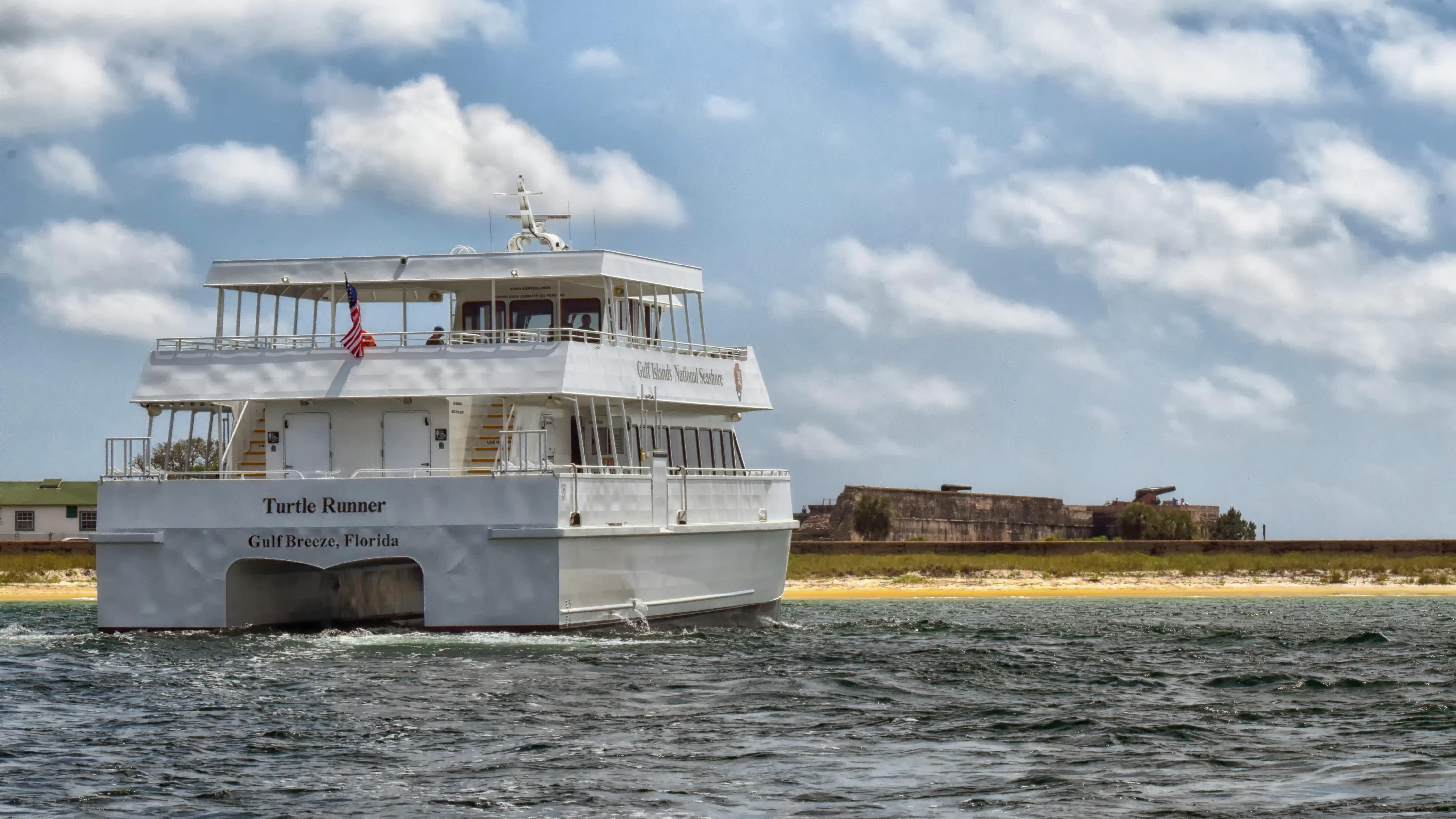 GUISLimited access
 TIMUDog-friendly
National forests and grasslands, broadly the friendliest federal land for a leashed dog.
National wildlife refuges in Florida. These protect animals first, so dogs are often limited to certain trails or kept out, but a few welcome a leashed dog.
Beaches in Florida where people ask about bringing a dog, with the off-leash spots and seasonal bans flagged.
Most Florida state parks welcome leashed dogs on the trails, which makes the state system the easy, everywhere answer here. Yes. Most Florida state parks welcome leashed dogs on trails.
The most-visited Florida state parks, each checked for its own dog rule.
Winter and the shoulder seasons are the real hiking window in Florida. Summer heat and humidity wear a dog down fast, and afternoon storms build almost daily.
If you go in summer, hike at dawn and stick close to water and shade. Midday heat on open sand or pavement can burn paws in minutes.
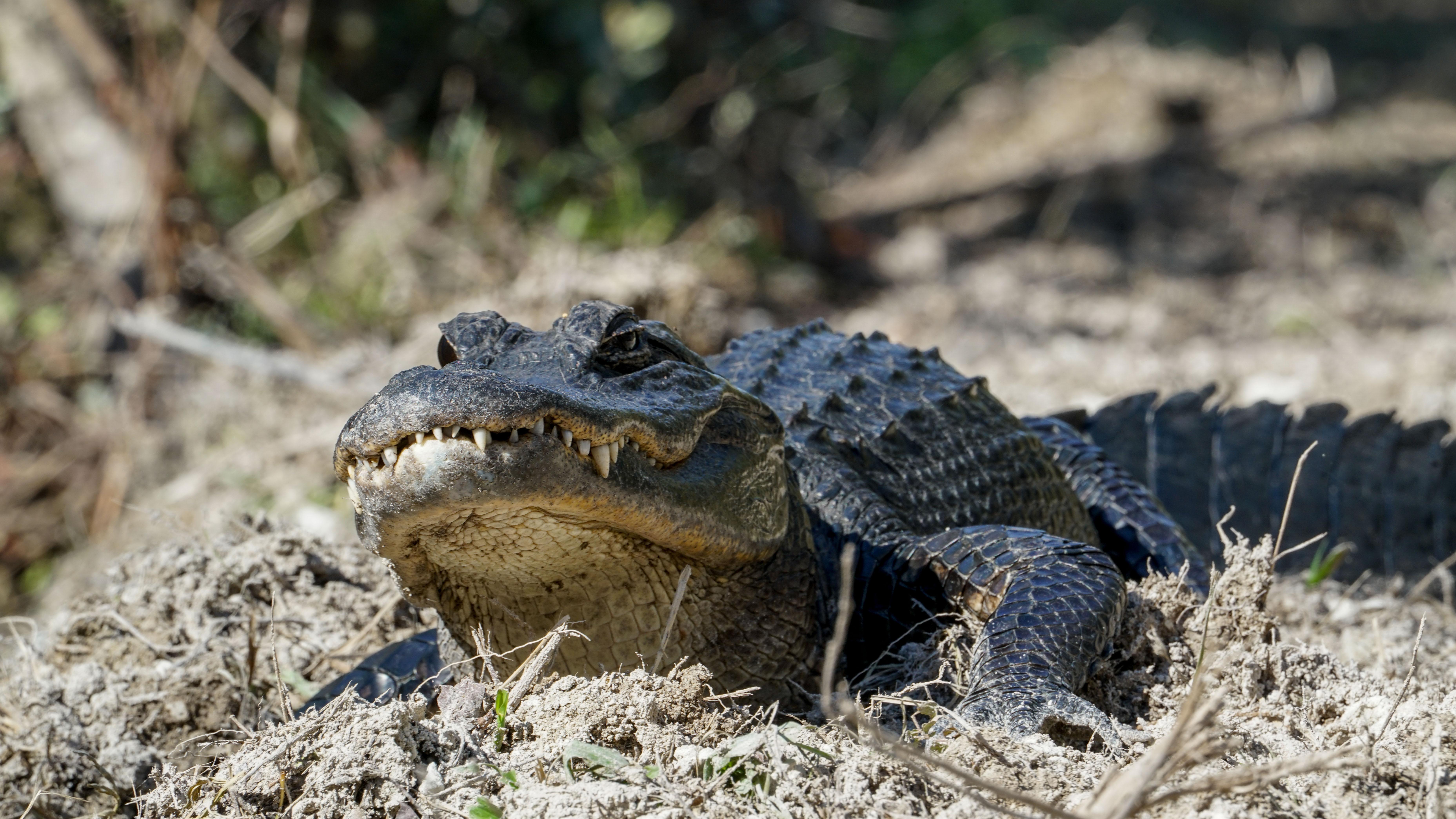
Alligators are a real concern near any fresh water, so keep your dog leashed and back from the edge, always.
Seasonal closures protect nesting shorebirds on a lot of the beaches and seashores, so check the specific rules before you plan a coastal day.
Mosquitoes and ticks are part of the deal in the warmer months, especially near the cypress strands and marsh trails.
Hot pavement and boardwalk decking hold heat long after the air starts to cool, so give both a hand test before you let your dog walk on them in summer.
Desert and slickrock heat up fast and are hard on paws, so pack for heat and water before anything else.
Every rule here comes straight from the agency that runs the land, the National Park Service, the Forest Service, the BLM, or the Florida state park system, and each place is date-stamped on its own page. Dog policies change with the season and the site, so use this to plan and always confirm on the official page before you load up the car. More on how we check it in our methodology.
Skip the big three national parks with your dog and lean on the national forest and the seashores instead. That is where Florida actually opens up.
Yes. Florida has 36 verified federal and state areas in this guide, and most of the state parks welcome leashed dogs on the trails. The national parks tend to be the strict ones, so those are listed separately below.
The national parks in Florida mostly hold dogs to paved areas, roads, and campgrounds rather than the trails. Each park page spells out exactly where a dog can go.
Yes. Most Florida state parks welcome leashed dogs on trails. Leashed dogs are generally allowed on trails, in campgrounds, and day-use areas across Florida State Parks.
The tightest rules are usually inside the national parks and around sensitive wildlife or water areas. Swim beaches, bathing areas, playgrounds, cabins, and park buildings are off-limits. Some spring swimming areas ban pets year-round.