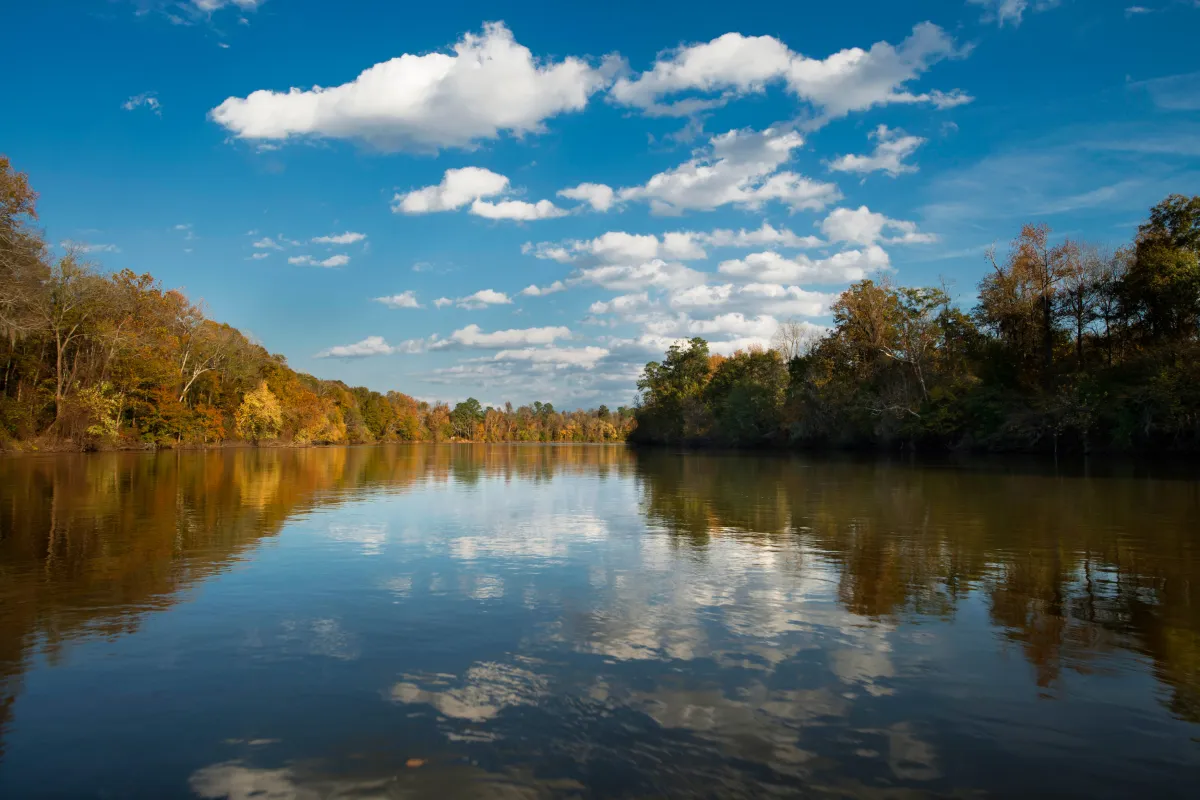

South Carolina keeps it easy for a dog owner, starting with its one national park. There's no long list of exceptions to memorize before you go.
Congaree doesn't play the strict game other national parks do. Leashed dogs are welcome right on the boardwalk and the trails through some of the tallest hardwood forest left in the East, a rare combination for the National Park Service.
There's no holdout here to warn you about. The one national forest and the state park system lean the same friendly direction Congaree does.
This guide pulls it together: Congaree's rules and the Francis Marion and Sumter forests beyond it, each one checked against the agency that runs it.
The Francis Marion and Sumter National Forests do the heavy lifting outside of Congaree, and leashed dogs are welcome across both.
Francis Marion sits down in the Lowcountry near Charleston, flat and swampy in the best way, all blackwater creek and longleaf pine. Spanish moss hangs over most of the trail, and boardwalk sections keep your feet dry through the wetter stretches.
Sumter runs up in the Piedmont and toward the mountains, inland from its Lowcountry twin, with rolling upcountry ridges and hardwood ridge trail. The change in elevation gives you a cooler option once the coastal heat sets in.
Between the two, you get a real cross-section of the state, coastal swamp on one end and foothill ridge on the other, tied together by the same leash rule from the water to the hills.
One rule holds in both forests: 6-foot leash, dog under control, no exceptions made for either one.
The state park system fills in the rest of the map closer to home, and it leans dog-friendly too, so you're rarely far from a good leashed walk. Several sit right on the water, an easy add-on to a beach trip.
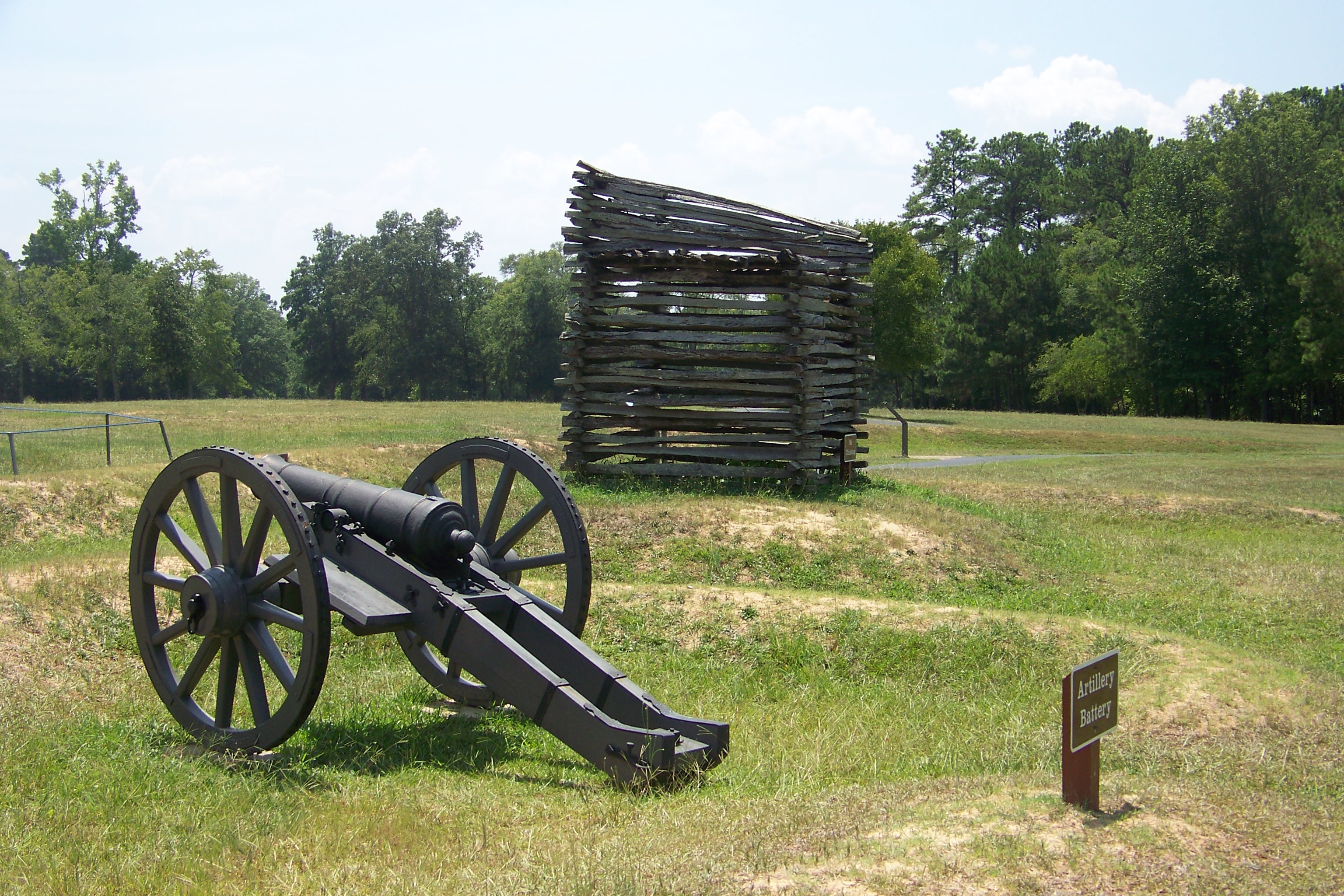
History buffs get a bonus here. Battlefields like Cowpens and Kings Mountain sit inland from the coast and give you a walkable stop with real weight to it, alongside the forest miles, easy on a dog that's already put in a longer hike that day.
Add Congaree's boardwalk to a Francis Marion morning and you can cover swamp, river, and pine forest in the same single weekend.
Coastal state parks round things out nicely with easy, flat walking for a dog that's had enough of the forest for one day.
So plan your dog days around the two forests and Congaree's boardwalk, not around chasing down every small historic site. That trio covers the best of what South Carolina offers a dog.
South Carolina only has the one national park, and it's a rare, easy yes.
Congaree welcomes leashed dogs on most or all of its trails, boardwalk included, through some of the tallest trees left in the eastern United States. Just check for flooding before you go, since the park sits low and the rivers rise fast after heavy rain.
National monuments, historic sites, recreation areas, and other Park Service land in South Carolina, often more open to a leashed dog than the headline parks.
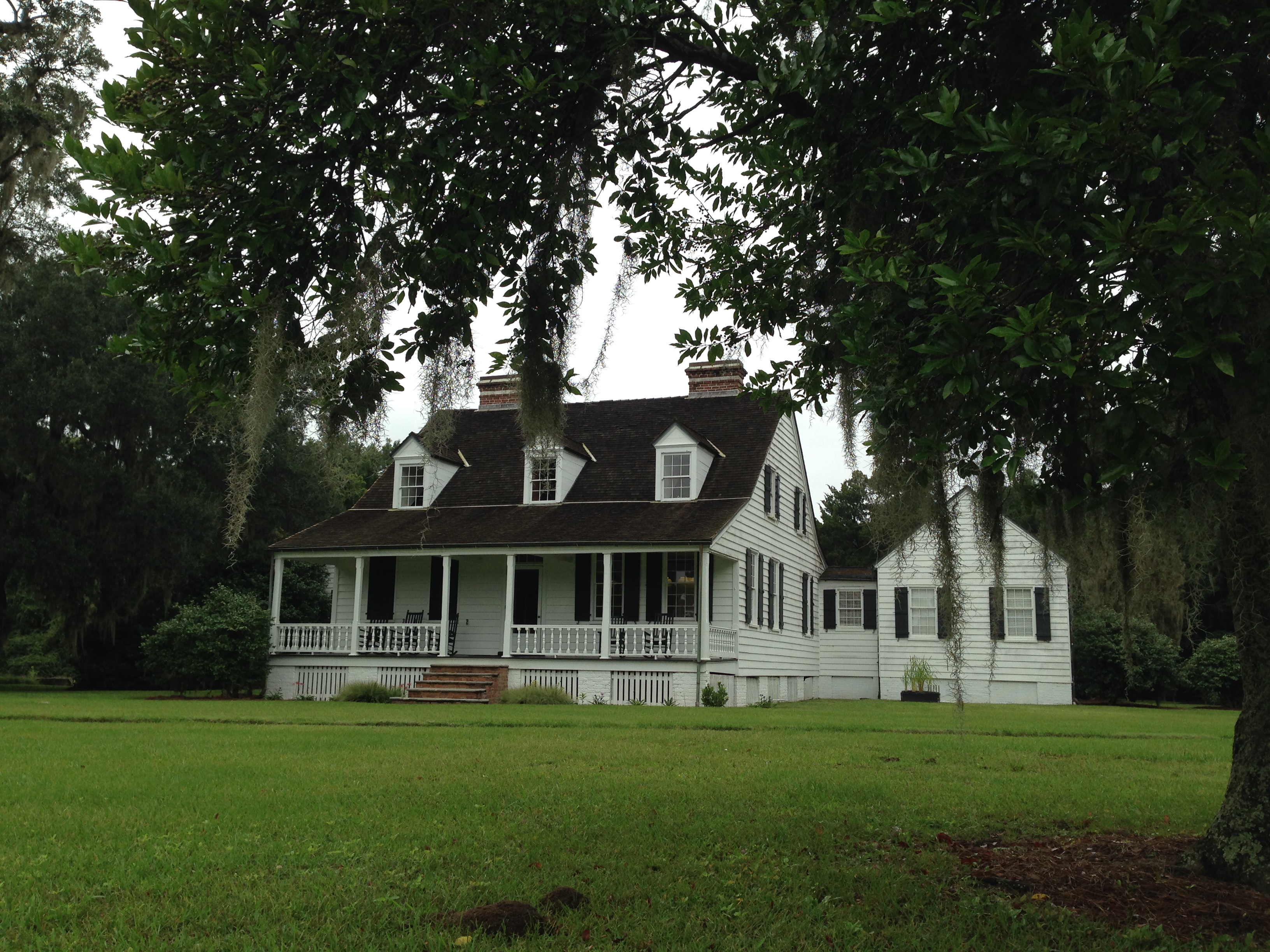 CHPIDog-friendly
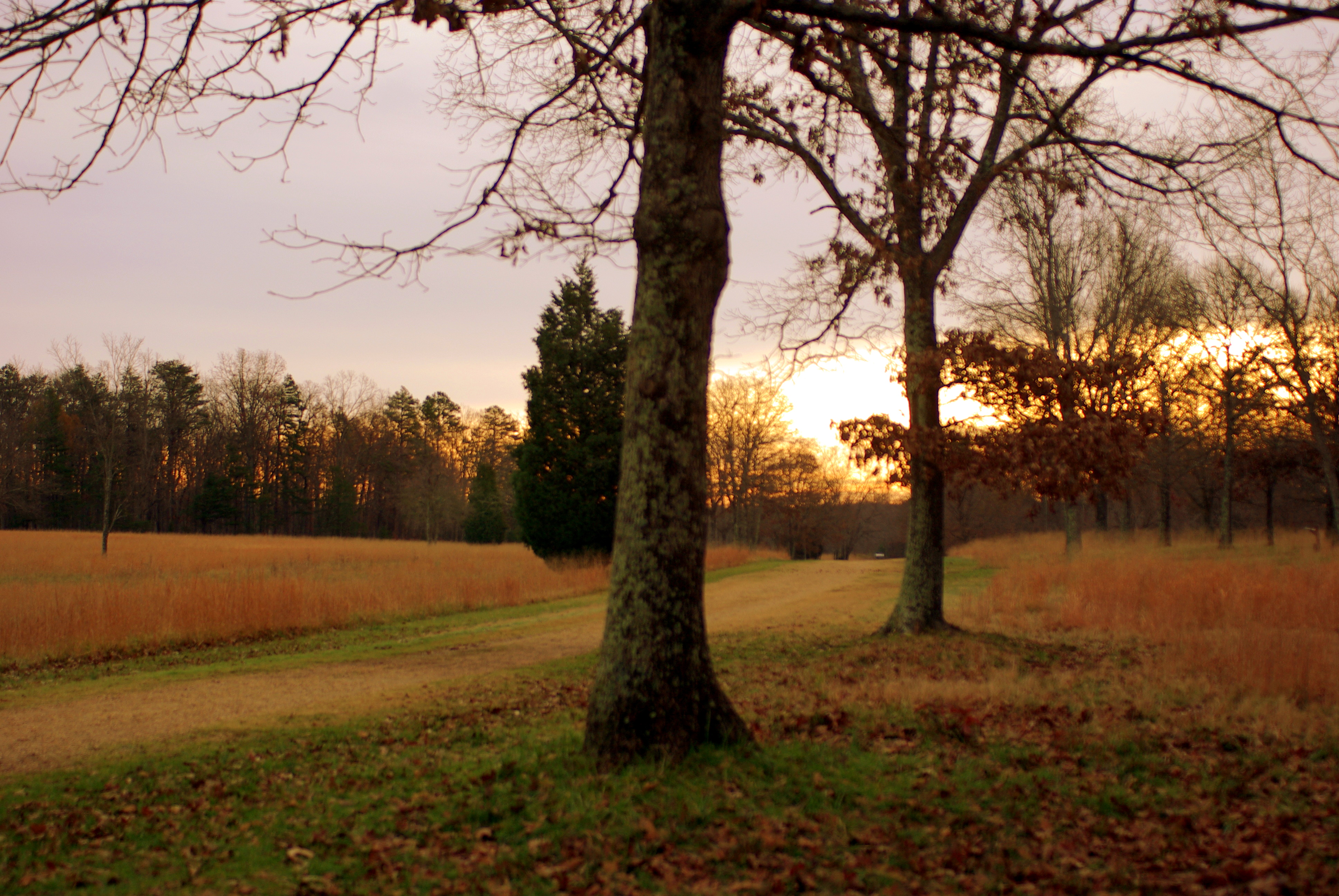 COWPDog-friendly
 FOSULimited access
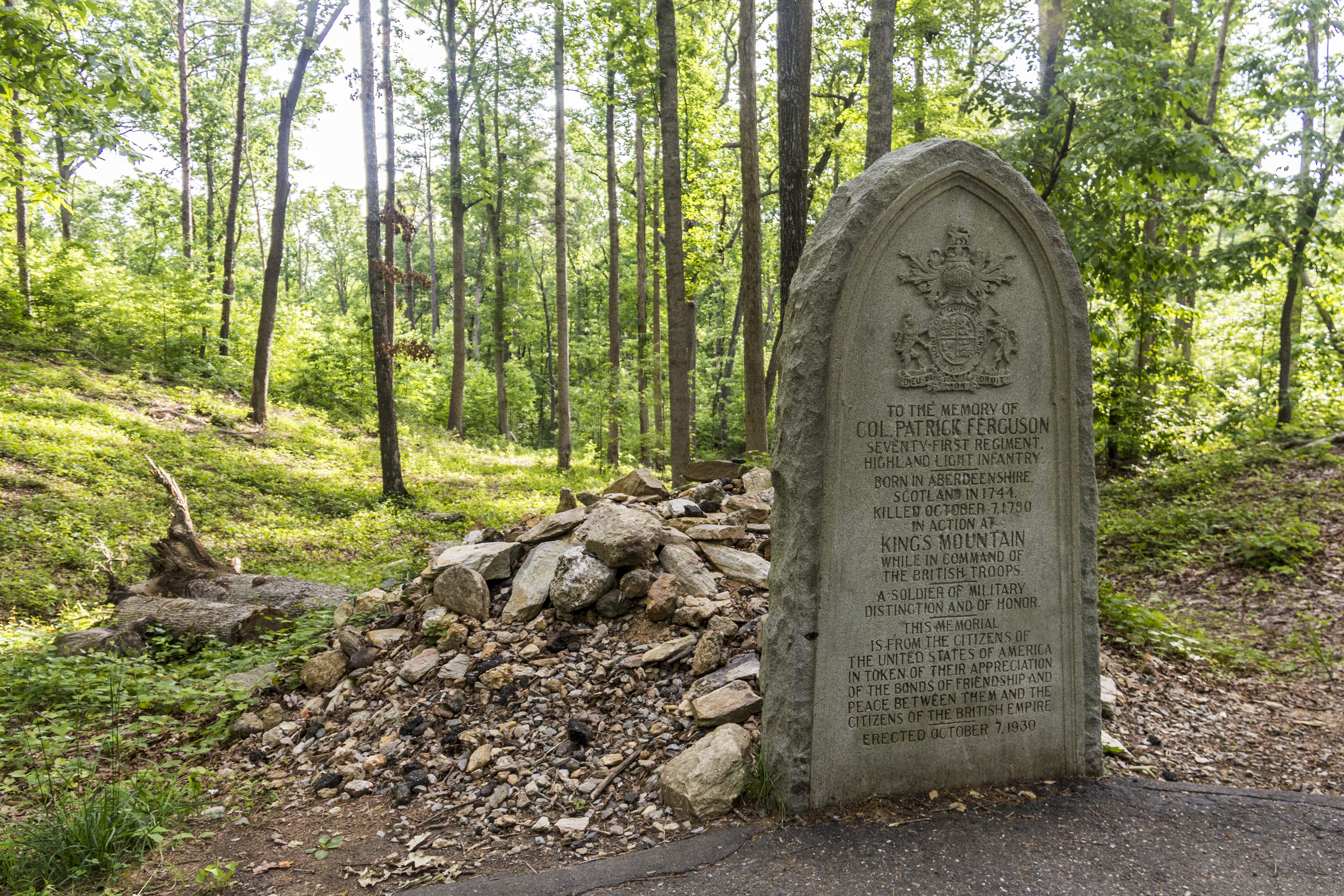 KIMODog-friendly
 NISIDog-friendly
 REERDog-friendly
National forests and grasslands, broadly the friendliest federal land for a leashed dog.
National wildlife refuges in South Carolina. These protect animals first, so dogs are often limited to certain trails or kept out, but a few welcome a leashed dog.
Beaches in South Carolina where people ask about bringing a dog, with the off-leash spots and seasonal bans flagged.
Most South Carolina state parks welcome leashed dogs on the trails, which makes the state system the easy, everywhere answer here. Yes. Most South Carolina state parks welcome leashed dogs on trails.
The most-visited South Carolina state parks, each checked for its own dog rule.
Late fall through spring is the real sweet spot in South Carolina, since Lowcountry summers turn hot and humid, with the bugs to match.
Alligators live in and around any fresh water down in the Lowcountry, Congaree included, so keep your dog leashed and well back from the banks. They're most active on warm days, so stay alert even on a mild afternoon.
Ticks and snakes both show up as soon as the weather warms, so stay alert on the brushier trails from spring through fall, and check your dog over at the end of every hike.
Congaree floods on a regular basis, so check trail conditions before you plan a trip around the boardwalk. The park posts current conditions online, worth a look the night before.
Carry water even on shorter hikes. The humidity here wears a dog down faster than the mileage suggests.
Upcountry trails in the Sumter forest stay a little cooler in summer than the coastal ones, so head that direction if the Lowcountry heat gets to be too much.
Woodland trails are the easy default, so keep it simple: solid leash control and water for both of you.
Every rule here comes straight from the agency that runs the land, the National Park Service, the Forest Service, the BLM, or the South Carolina state park system, and each place is date-stamped on its own page. Dog policies change with the season and the site, so use this to plan and always confirm on the official page before you load up the car. More on how we check it in our methodology.
So here's South Carolina in a sentence: Congaree is a rare friendly national park, and between its boardwalk and the two big national forests, a leashed dog has plenty of ground from the coast to the foothills.
Yes. South Carolina has 24 verified federal and state areas in this guide, and most of the state parks welcome leashed dogs on the trails. The national parks tend to be the strict ones, so those are listed separately below.
These national parks allow leashed dogs on at least some trails: Congaree. Check each page for the exact trails, since park rules are the tightest we cover.
Yes. Most South Carolina state parks welcome leashed dogs on trails. Leashed dogs are generally allowed on trails, in campgrounds, and day-use areas across South Carolina State Parks.
The tightest rules are usually inside the national parks and around sensitive wildlife or water areas. Swim beaches, some nature preserves, playgrounds, and park buildings are typically off-limits. Rules vary by park.