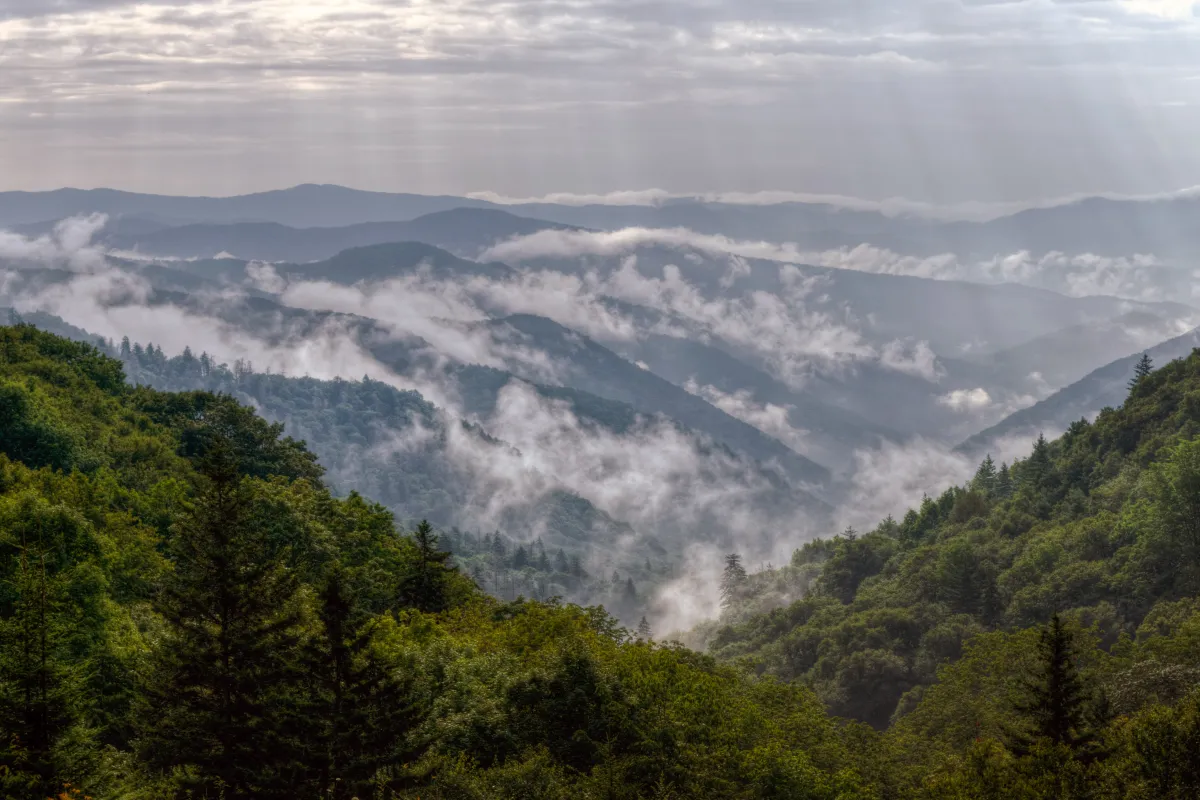

North Carolina runs from mountain ridge to barrier island, and the good news is that almost every mile of public land in between says yes to a leashed dog. Few states give a dog this much range in one trip.
The Blue Ridge Parkway and the national forests carve through the mountains, and the Outer Banks seashores hold down the coast. Every one of them welcomes a leashed dog on the trail, no fine print required.
The ground that could have turned strict, the parkway and the forests, leans dog-friendly instead, and that keeps the whole trip simpler.
This guide pulls it together: the national forests, the Blue Ridge Parkway, the seashores out east, and the historic sites in between, each one checked against the agency that runs it.
Start high and work your way down, because North Carolina's best hiking runs from the mountains to the coast. Few states give you that much range in one trip.
The National Forests in North Carolina cover a huge share of the western part of the state, and leashed dogs are welcome on the trails throughout. Waterfalls and rhododendron thickets show up around nearly every bend, especially in early summer when the blooms peak.
The Cherokee National Forest clips the far western edge near the Tennessee line, adding another stretch of ridge and hollow to the mix, thick with rhododendron and hemlock in the lower coves.
The Blue Ridge Parkway threads through all of it, and it's an easy yes for a leashed dog, mile after mile of overlook and forest trail along the ridgeline. Some of the best views on the whole parkway need only a few hundred yards of walking to reach.
One rule to remember through the mountains: 6-foot leash, dog under control, same as anywhere else in the national forest system.
Head east and the whole picture changes. Cape Hatteras and Cape Lookout national seashores put you and your dog on real barrier island ground, sand and surf underfoot, with lighthouses and quiet dune trail to break up the walking.
The seashores are friendly to leashed dogs too, so a beach day is just as easy to plan as a mountain one. Just watch the sand temperature by midday in summer, since it holds heat longer than you'd expect.
In between the mountains and the coast, the historic sites along the way make a good rest stop on a long drive across the state, easy walking with a fair bit of history packed into a short stop.
The Appalachian Trail also clips the far western mountains here on its way through the Southeast, adding one more leashed-dog option for anyone already planning a Blue Ridge trip.
So plan your dog days around the national forests and the Blue Ridge Parkway up high, and the seashores out east, not around any one marquee park. There isn't a strict holdout in this guide, so the whole map is open to you.
North Carolina's national-park story is really one park, and it is the most visited in the country.
Great Smoky Mountains is the famous one, and it is strict with dogs. They are held to two short paved paths and the developed areas, and kept off every hiking trail. Worth seeing, but plan your real hikes in the Cherokee or Nantahala and Pisgah forests instead.
National monuments, historic sites, recreation areas, and other Park Service land in North Carolina, often more open to a leashed dog than the headline parks.
 APPADog-friendly
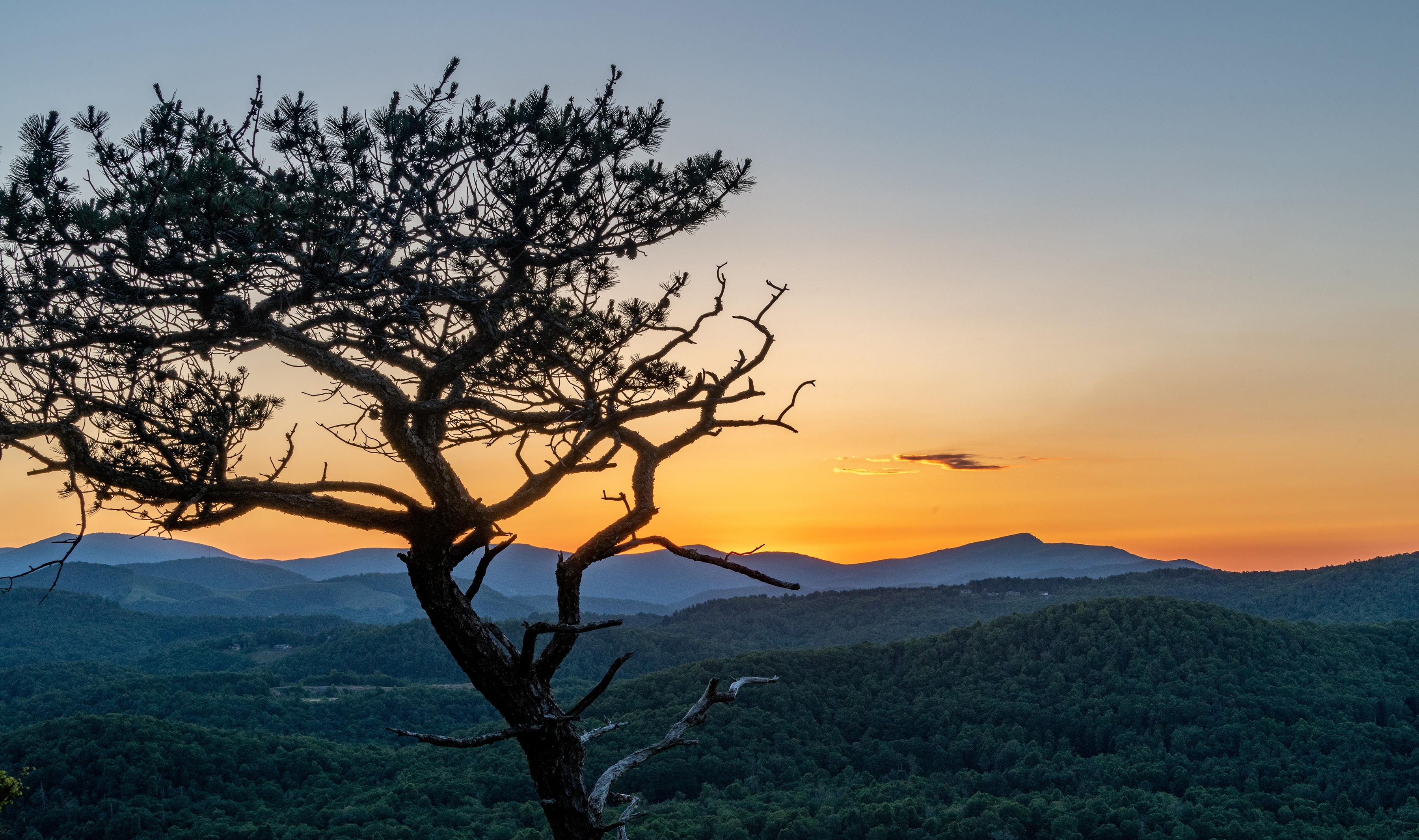 BLRIDog-friendly
 CAHADog-friendly
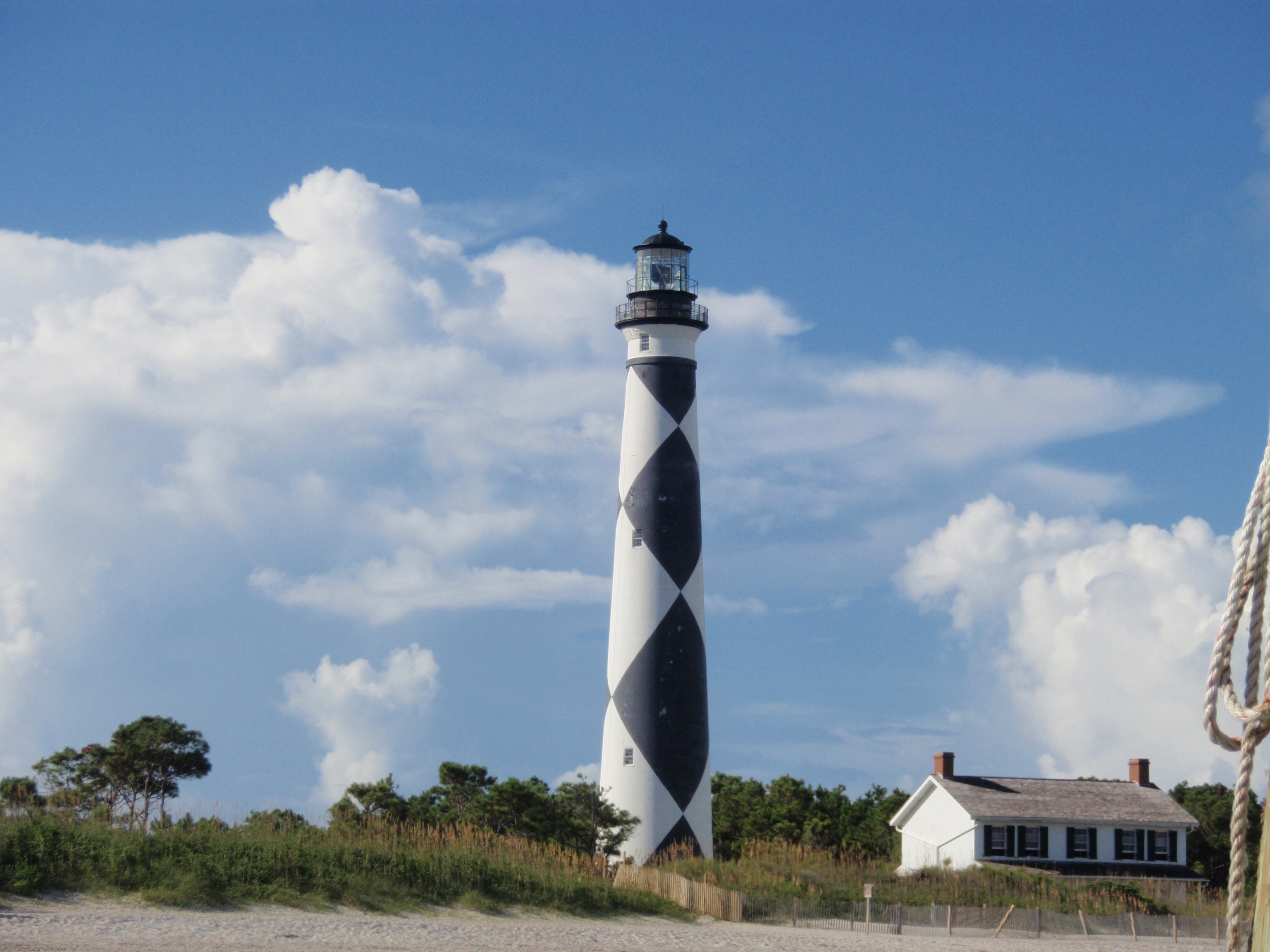 CALODog-friendly
 CARLDog-friendly
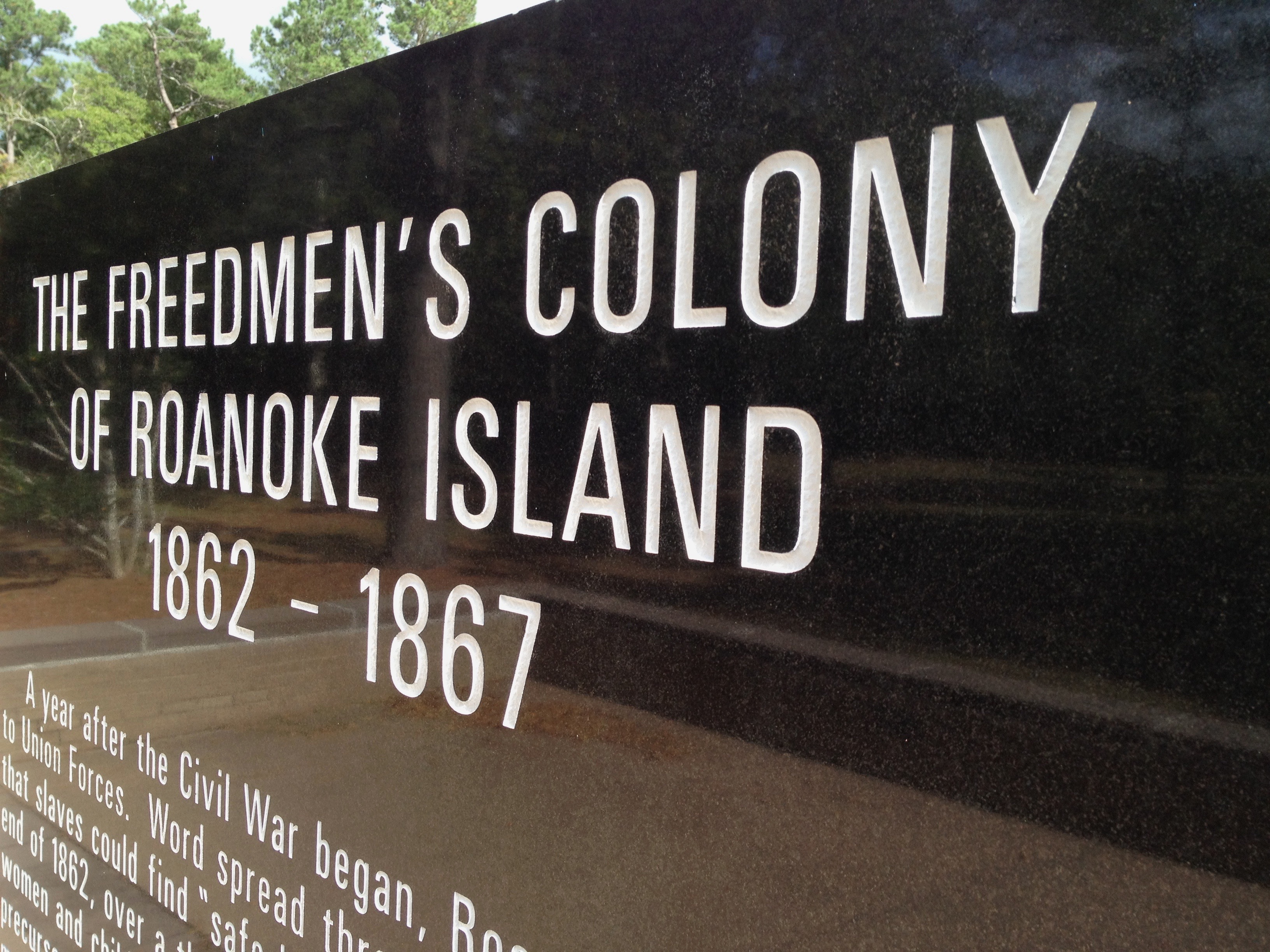 FORADog-friendly
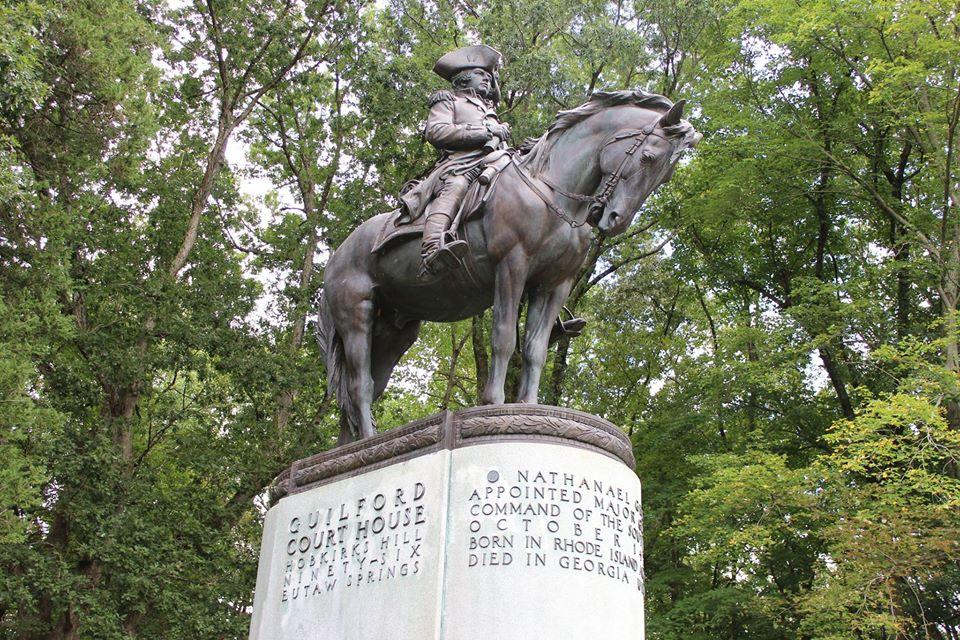 GUCODog-friendly
 WRBRDog-friendly
National forests and grasslands, broadly the friendliest federal land for a leashed dog.
National wildlife refuges in North Carolina. These protect animals first, so dogs are often limited to certain trails or kept out, but a few welcome a leashed dog.
Beaches in North Carolina where people ask about bringing a dog, with the off-leash spots and seasonal bans flagged.
Most North Carolina state parks welcome leashed dogs on the trails, which makes the state system the easy, everywhere answer here. Yes. Most North Carolina state parks welcome leashed dogs on trails.
The most-visited North Carolina state parks, each checked for its own dog rule.
Spring and fall are the best window for the mountains, when the ridges are cool and the color is at its best. Fall draws crowds along the parkway, so an early start helps on weekends, especially near the popular overlooks.
Summer runs hot and humid at lower elevations, but the mountain temperatures stay noticeably cooler, so head up high once summer sets in down below.
Ticks show up in the brush from spring through fall, so check your dog after every mountain hike. Long grass near overlooks is often the worst spot.
The coast plays by different rules. Cool season is best out at the seashores, since midsummer brings heat and biting insects to the sand.
Beaches can carry seasonal rules protecting nesting birds, so check the seashore's page before you plan a beach day. Rules tend to loosen up outside of nesting season.
Carry water on the parkway overlooks and forest ridgelines both. Shade comes and goes fast up high, and afternoon storms build quickly in the mountains come summer.
Mountain trails mean long days, cold water crossings, and real elevation, so pack for control and endurance.
Every rule here comes straight from the agency that runs the land, the National Park Service, the Forest Service, the BLM, or the North Carolina state park system, and each place is date-stamped on its own page. Dog policies change with the season and the site, so use this to plan and always confirm on the official page before you load up the car. More on how we check it in our methodology.
So here's North Carolina in a sentence: the mountains and the coast both open up for a leashed dog, and without a strict national park to work around, the whole state stays simple.
Yes. North Carolina has 27 verified federal and state areas in this guide, and most of the state parks welcome leashed dogs on the trails. The national parks tend to be the strict ones, so those are listed separately below.
The national parks in North Carolina mostly hold dogs to paved areas, roads, and campgrounds rather than the trails. Each park page spells out exactly where a dog can go.
Yes. Most North Carolina state parks welcome leashed dogs on trails. Leashed dogs are generally allowed on trails, in campgrounds, and day-use areas across North Carolina State Parks.
The tightest rules are usually inside the national parks and around sensitive wildlife or water areas. Swim beaches, some nature preserves, playgrounds, and park buildings are typically off-limits. Rules vary by park.