

Mississippi doesn't have a national park, and once you see what it does have, that stops mattering. There's still a full season of trail here once you know where to look, and none of it comes with a complicated rulebook.
This state leans wide open for a dog. There's no strict federal park with a maze of trail rules to memorize, just a long, easy parkway and a stretch of national forest, both of which say yes to a leashed dog, no permit or fine print required.
The one place worth reading up on first is Gulf Islands National Seashore down on the coast, where the rules run a little tighter than everywhere else in the state and vary by which stretch of sand you're on.
This guide pulls it together: the forest, the parkway, the coast, and the state parks, each one with its rule and a link so you know before you go.
The National Forests in Mississippi are the anchor here, and every acre of it welcomes leashed dogs on the trails, whether you're near the Gulf coast or up toward the Tennessee line.
These forests scatter across the state in blocks, mostly longleaf pine and bottomland hardwood, with pockets of wilder pine country tucked in near the Gulf coast down south and cypress swamp along the bigger rivers.
The Natchez Trace Parkway is the other backbone of hiking here, an easy, slow way to do a dog's hike in stages, one pull-off and short trail at a time, the whole length of the state from Nashville down to Natchez.
Both invite the same kind of hike: slow and shaded, easy on a dog that doesn't want to climb anything, which is most of Mississippi in a sentence and most of the appeal too.
Down on the coast, Gulf Islands National Seashore adds sand and beach walking, though the rules there run tighter, so check the specific stretch before you unload the car, since dog access varies island to island.
One rule holds across the forest and the parkway: a 6-foot leash, and keep your dog close rather than out ahead.
The whole appeal here is flat, shaded ground that a dog can walk for hours without a single steep climb, which is a real advantage if your dog is older, recovering from something, or just not built for mountains.
The state parks pick up wherever the forest and the parkway leave off, and they welcome leashed dogs too, so you're rarely more than a short drive from another good option.
A day here is more about steady mileage than dramatic scenery, and that suits a lot of dogs just fine, especially the kind that would rather sniff every tree than climb to an overlook they can't see the point of.
So plan your dog days around the National Forests and the Trace, not the coast. The coast is the one spot here where you need to read the fine print first.
National monuments, historic sites, recreation areas, and other Park Service land in Mississippi, often more open to a leashed dog than the headline parks.
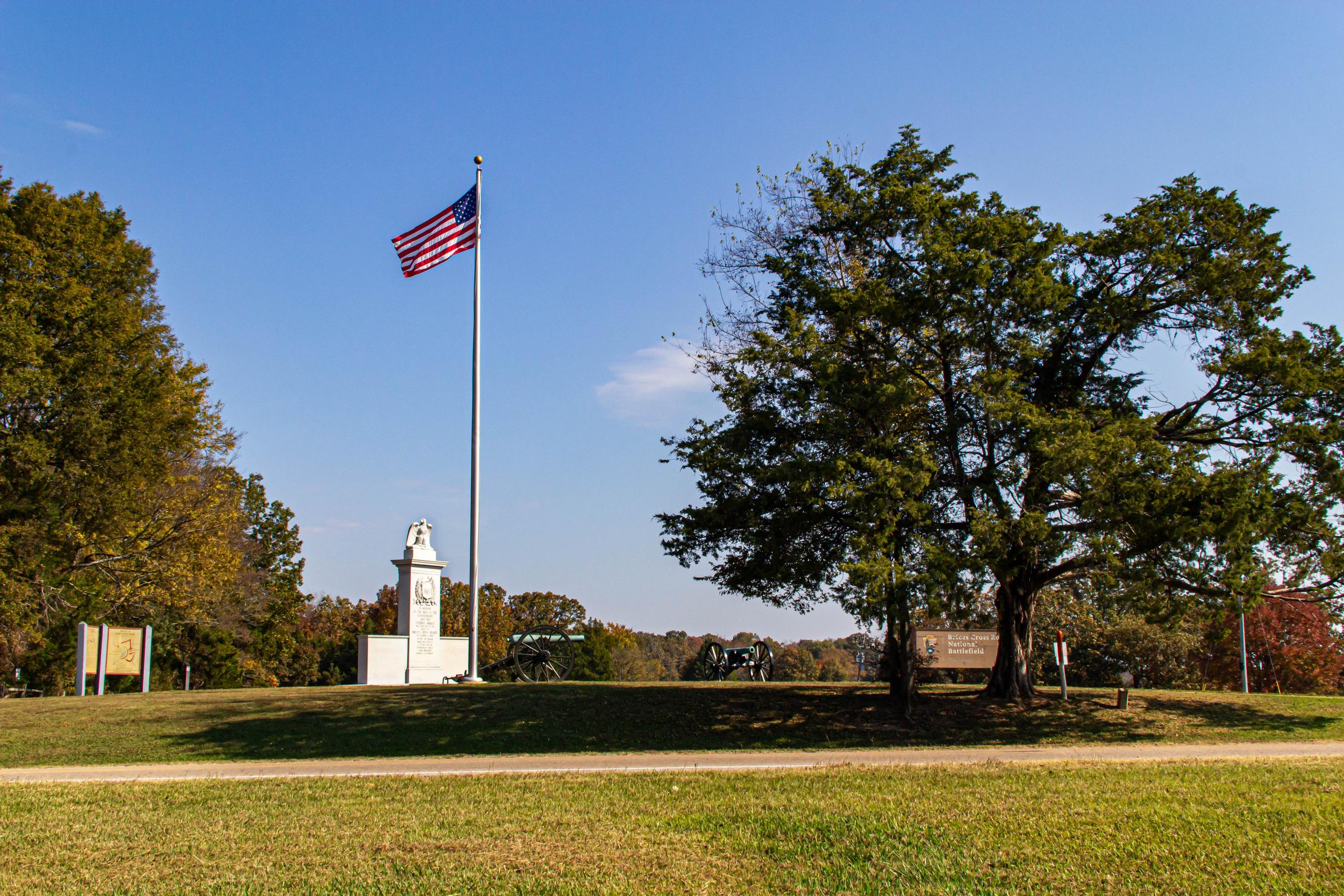 BRCRDog-friendly
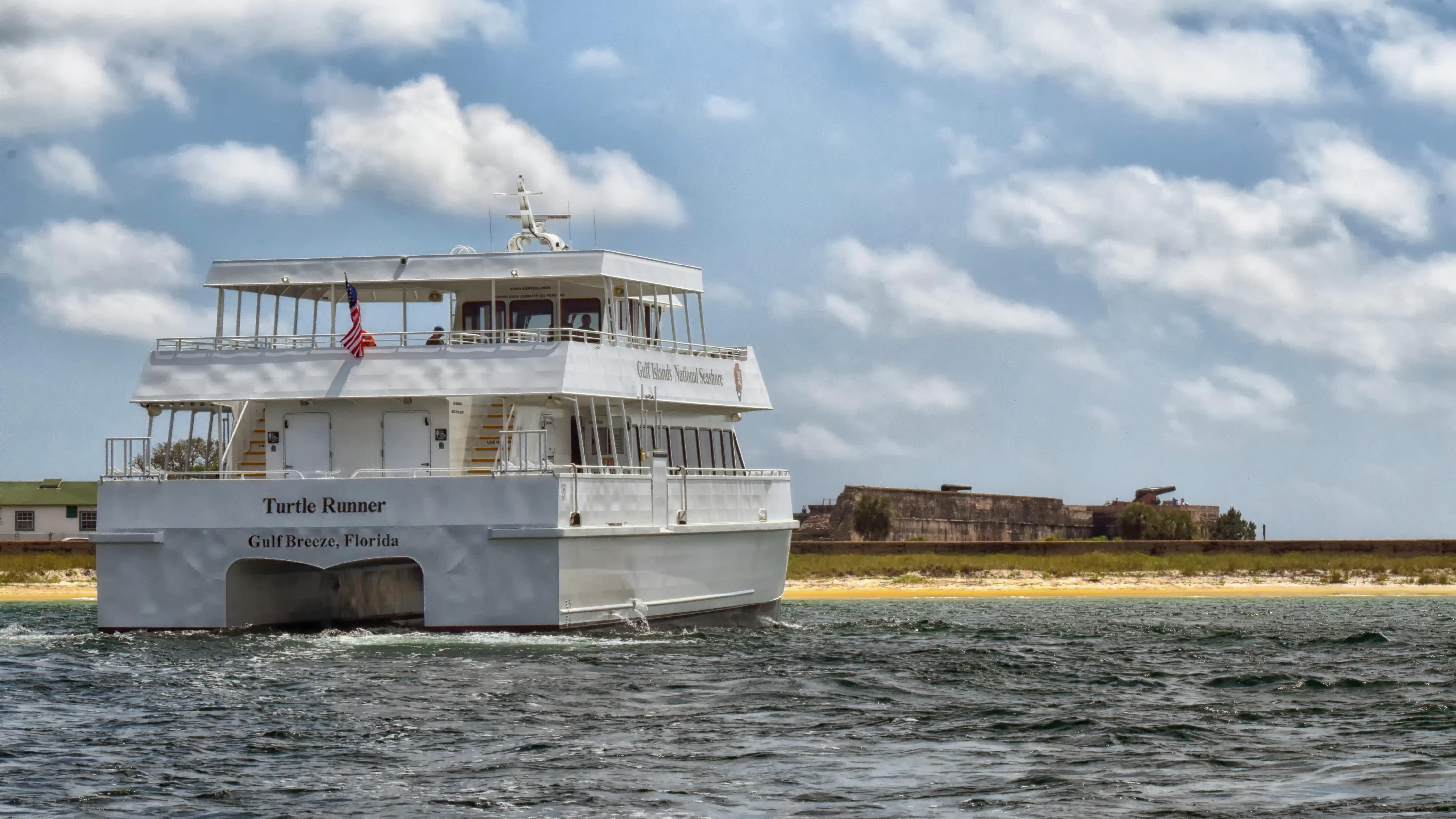 GUISLimited access
 NATCDog-friendly
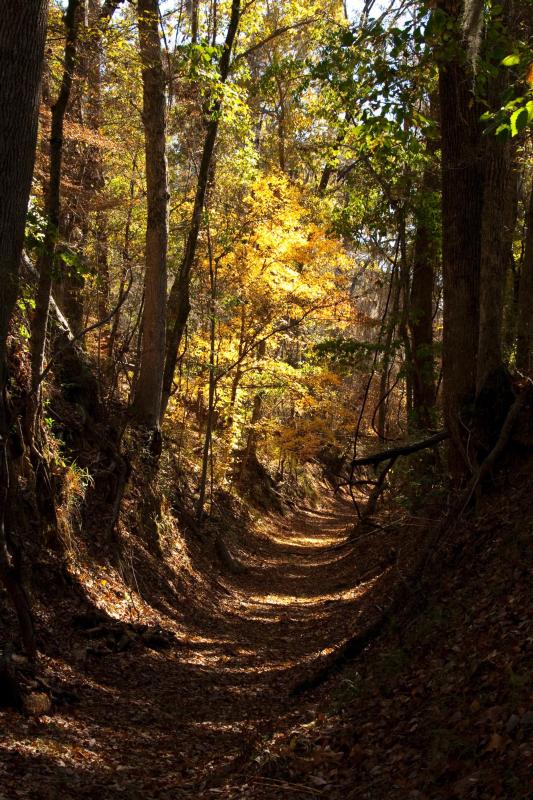 NATTDog-friendly
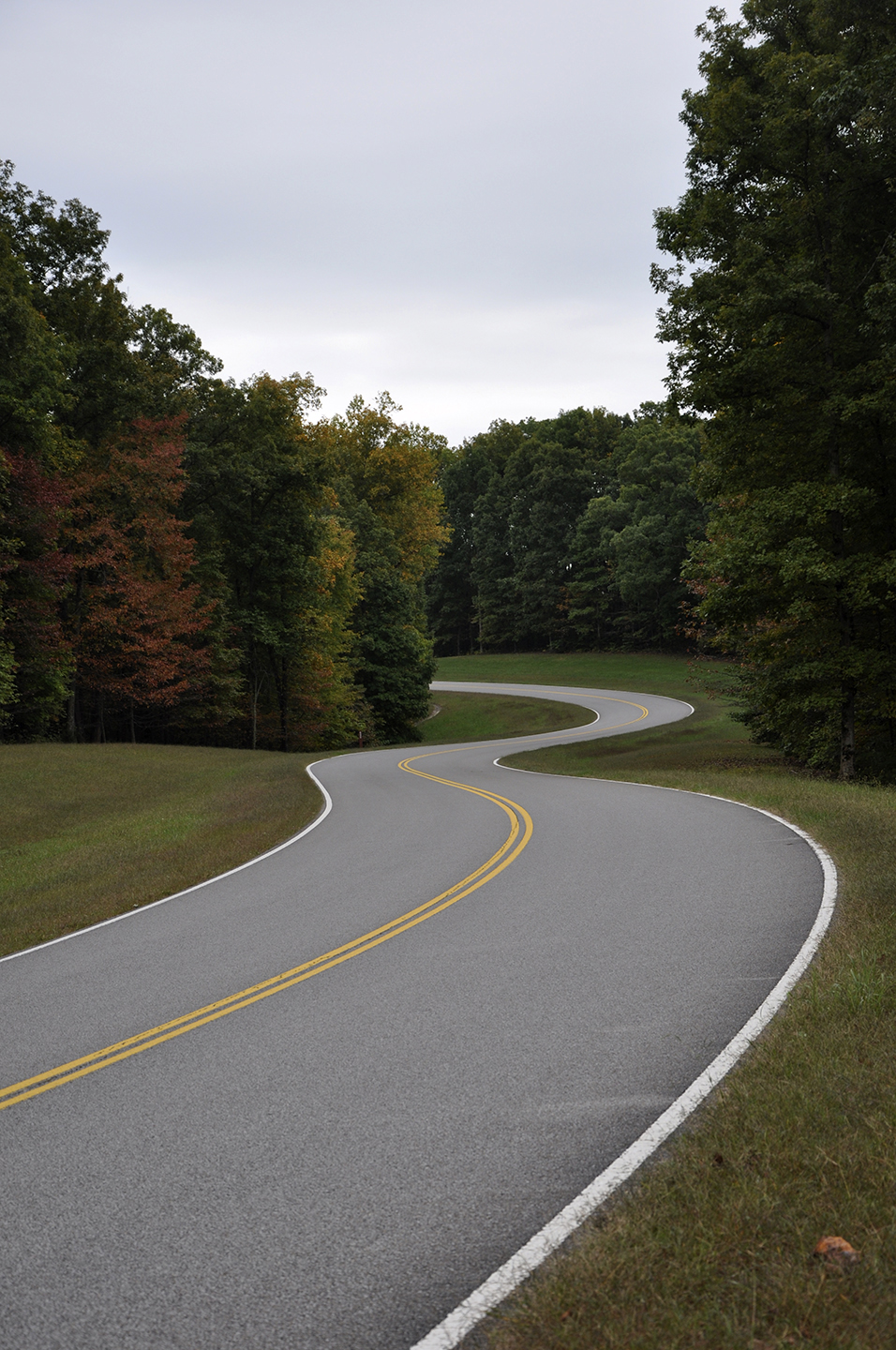 NATRDog-friendly
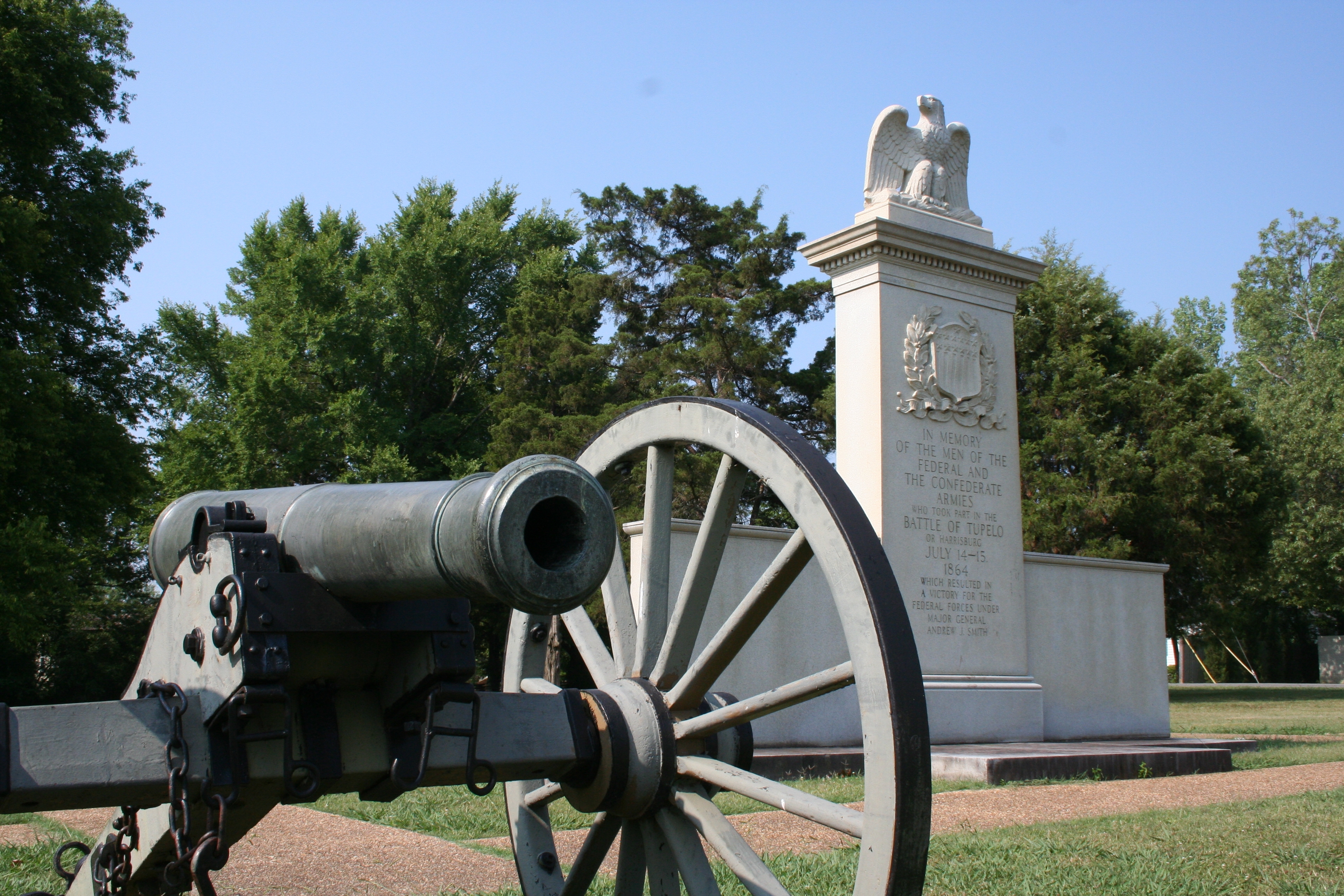 TUPEDog-friendly
 VICKDog-friendly
National forests and grasslands, broadly the friendliest federal land for a leashed dog.
National wildlife refuges in Mississippi. These protect animals first, so dogs are often limited to certain trails or kept out, but a few welcome a leashed dog.
Beaches in Mississippi where people ask about bringing a dog, with the off-leash spots and seasonal bans flagged.
Most Mississippi state parks welcome leashed dogs on the trails, which makes the state system the easy, everywhere answer here. Yes. Most Mississippi state parks welcome leashed dogs on trails.
The most-visited Mississippi state parks, each checked for its own dog rule.
Late fall through spring is the easiest window in Mississippi, since summer heat and humidity wear a dog down fast, especially in the thicker bottomland forest.
If you do hike in summer, get out at dawn and carry more water than feels necessary, especially along the exposed pull-offs on the Trace.
Ticks, chiggers, and the occasional snake are part of the deal in the warm months, so check your dog over after every walk through brush, paying extra attention to the ears and paws.
The coast at Gulf Islands is at its best outside the peak of summer, when the heat and the crowds both ease up and the sand cools off enough for bare paws to actually enjoy it.
Mud shows up after heavy spring rain in the forest, so give the low ground a day or two to drain before you head out.
Watch for standing water after storms too, since it can hide deeper ruts and the occasional snake looking for a place to cool off.
Woodland trails are the easy default, so keep it simple: solid leash control and water for both of you.
Every rule here comes straight from the agency that runs the land, the National Park Service, the Forest Service, the BLM, or the Mississippi state park system, and each place is date-stamped on its own page. Dog policies change with the season and the site, so use this to plan and always confirm on the official page before you load up the car. More on how we check it in our methodology.
Mississippi's whole game is easy, shaded miles: the National Forests and the Trace for the everyday hike, the coast once you've read the rules, and a state park close to home for every day in between.
Yes. Mississippi has 18 verified federal and state areas in this guide, and most of the state parks welcome leashed dogs on the trails. The national parks tend to be the strict ones, so those are listed separately below.
Yes. Most Mississippi state parks welcome leashed dogs on trails. Leashed dogs are generally allowed on trails, in campgrounds, and day-use areas across Mississippi State Parks.
The tightest rules are usually inside the national parks and around sensitive wildlife or water areas. Swim beaches, some nature preserves, playgrounds, and park buildings are typically off-limits. Rules vary by park.