

New York is bigger and wilder than the skyline ever lets on, and that surprises almost everyone who hikes here with a dog for the first time, expecting nothing past the five boroughs and a couple of city parks.
There's no national park to work around here, so you're not fighting the strict federal rules that trip up dog owners out west. The state runs its own show instead.
A handful of the city sites, Ellis Island, Governors Island, Federal Hall, and Castle Clinton among them, keep dogs out entirely, but those are small monuments built for foot traffic, not hiking ground.
This guide lays it all out: the Adirondack and Catskill high country, the historic sites up the Hudson, the state park system, one of the largest in the country, and the small stretch of national forest that touches the state's edge.
New York's real hiking happens in the Adirondack and Catskill Forest Preserves, and both welcome a leashed dog across their high peaks and deep woods.
You could hike a new trail up there every weekend for years and never repeat one, and the state park system backs both preserves up across nearly every corner of New York.
The Catskills sit closer to the city and hold their own high peaks and waterfalls, a shorter drive for anyone coming up from downstate.
A sliver of the Green Mountain and Finger Lakes National Forest reaches into New York too, though most of that forest sits over the border in Vermont, and the piece here welcomes leashed dogs same as the rest.
One rule covers the whole state: a 6-foot leash, whether you're on a groomed state park path or deep in Adirondack backcountry.
The Appalachian Trail clips the southeastern corner of the state on its way through, and the North Country Trail threads a long stretch further west, both open to leashed dogs for a longer day.
Up the Hudson, the historic sites add a different kind of walk. Home of Franklin D. Roosevelt and Vanderbilt Mansion both welcome a leashed dog on the grounds, Eleanor Roosevelt's own home just up the road does too, and Saratoga National Historical Park adds Revolutionary War battlefield trail further north.
Out on Long Island, Sagamore Hill, Theodore Roosevelt's home, welcomes a leashed dog on its grounds, and the Upper Delaware Scenic and Recreational River gives you flatwater and river frontage clear on the other side of the state along the Pennsylvania line.
Fire Island and the Gateway recreation land near the city are a limited yes, so check exactly which stretches allow a leashed dog before you plan a beach day around either one. Down near the harbor, skip the dog entirely, since Ellis Island, Governors Island, Federal Hall, and Castle Clinton keep pets out, small historic sites built for foot traffic, not trail.
So plan your dog days around the Adirondacks, the Catskills, and the state parks, not the city monuments. That's where New York actually turns into a hiking state.
National monuments, historic sites, recreation areas, and other Park Service land in New York, often more open to a leashed dog than the headline parks.
 APPADog-friendly
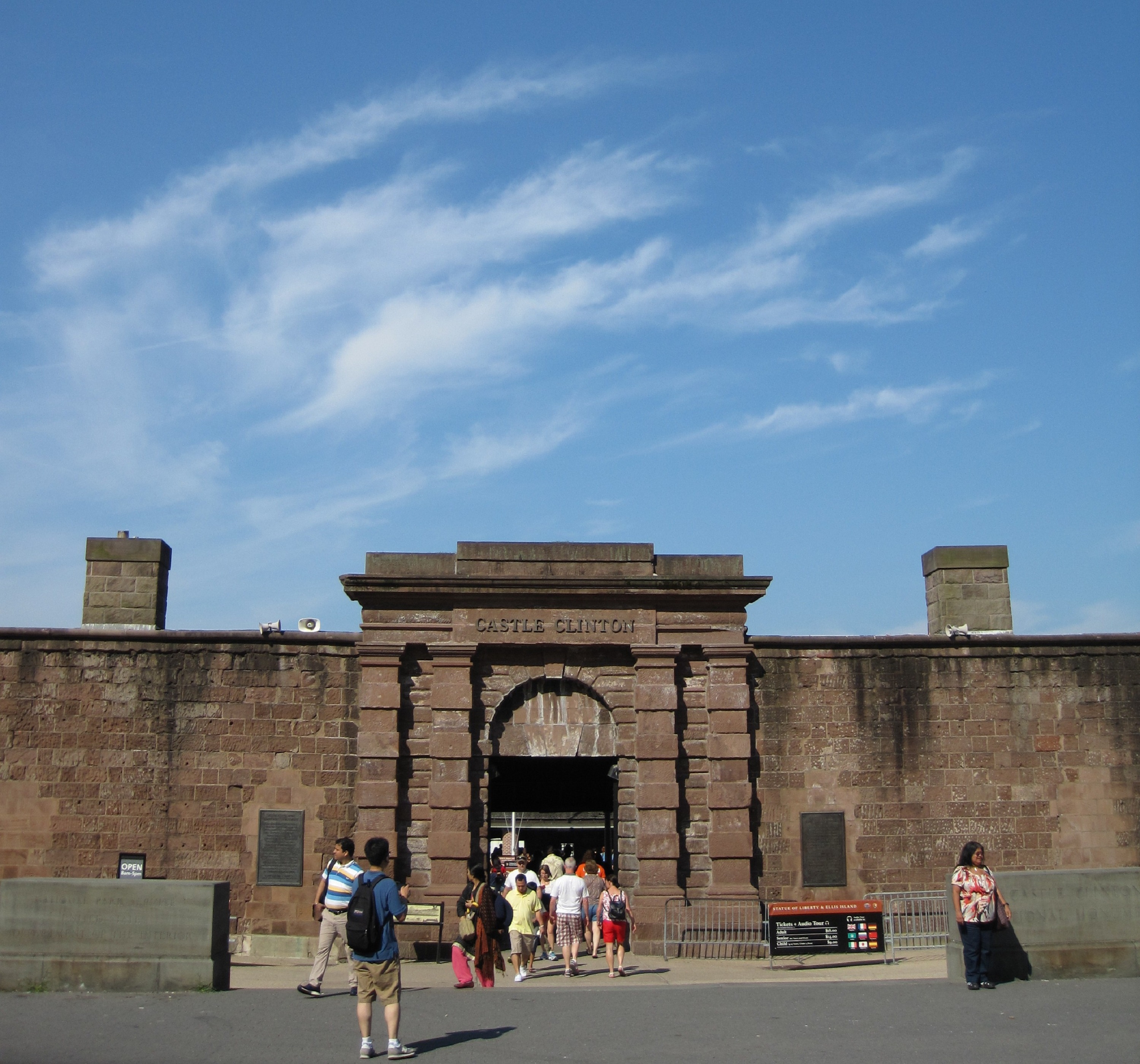 CACLNo pets allowed
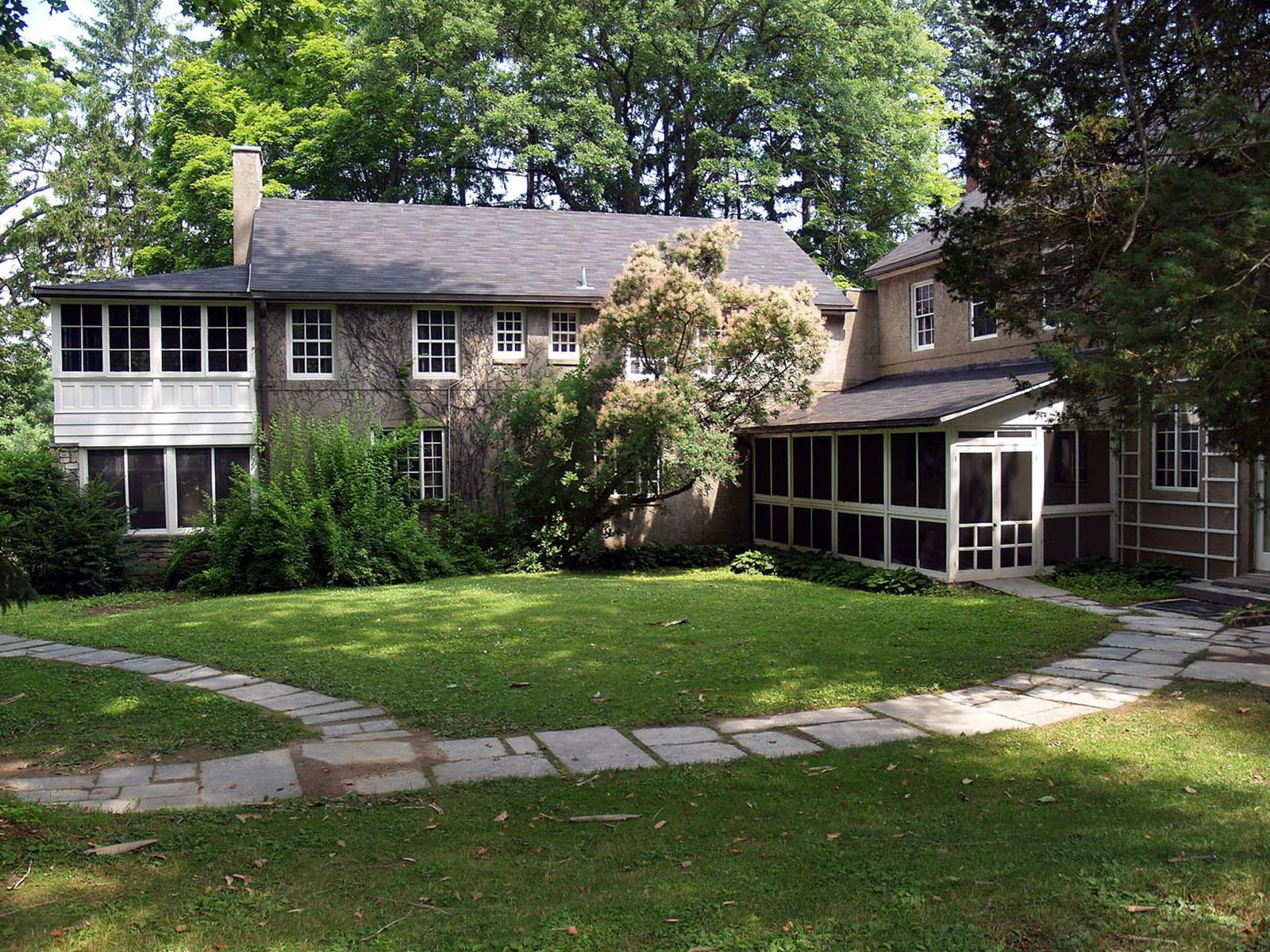 ELRODog-friendly
 ELISNo pets allowed
 FEHANo pets allowed
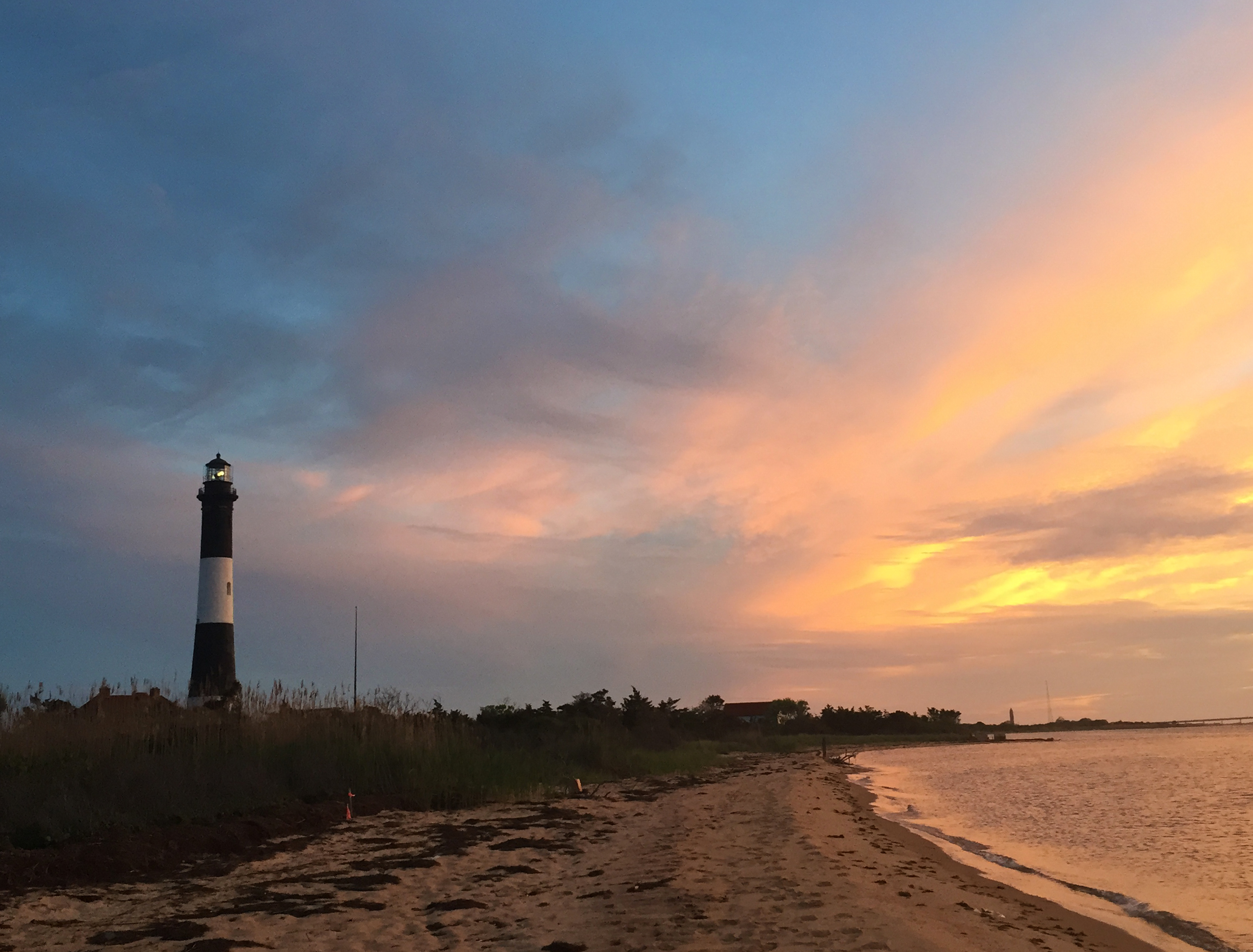 FIISLimited access
 FOSTDog-friendly
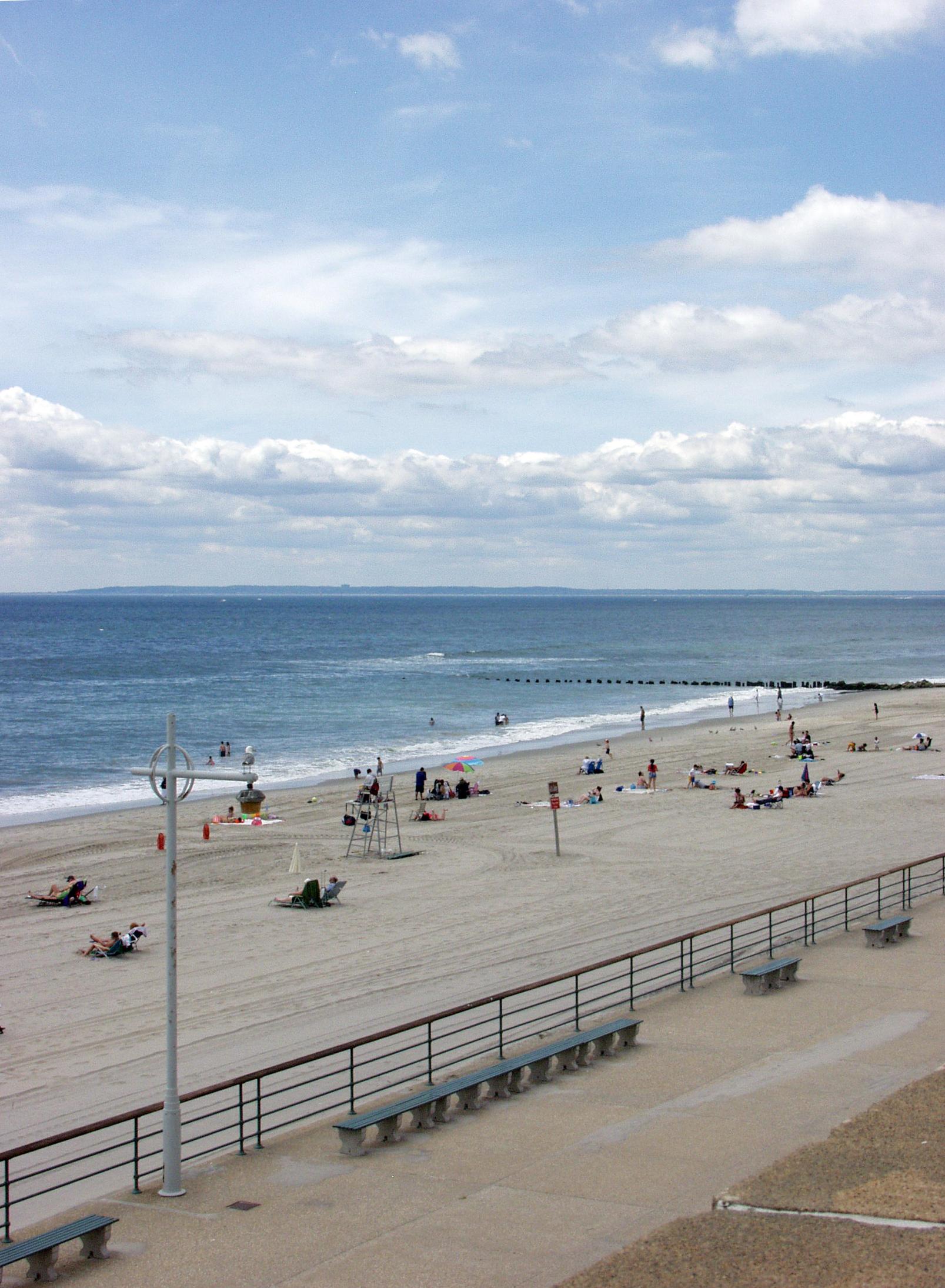 GATELimited access
 GOISNo pets allowed
 HAGRDog-friendly
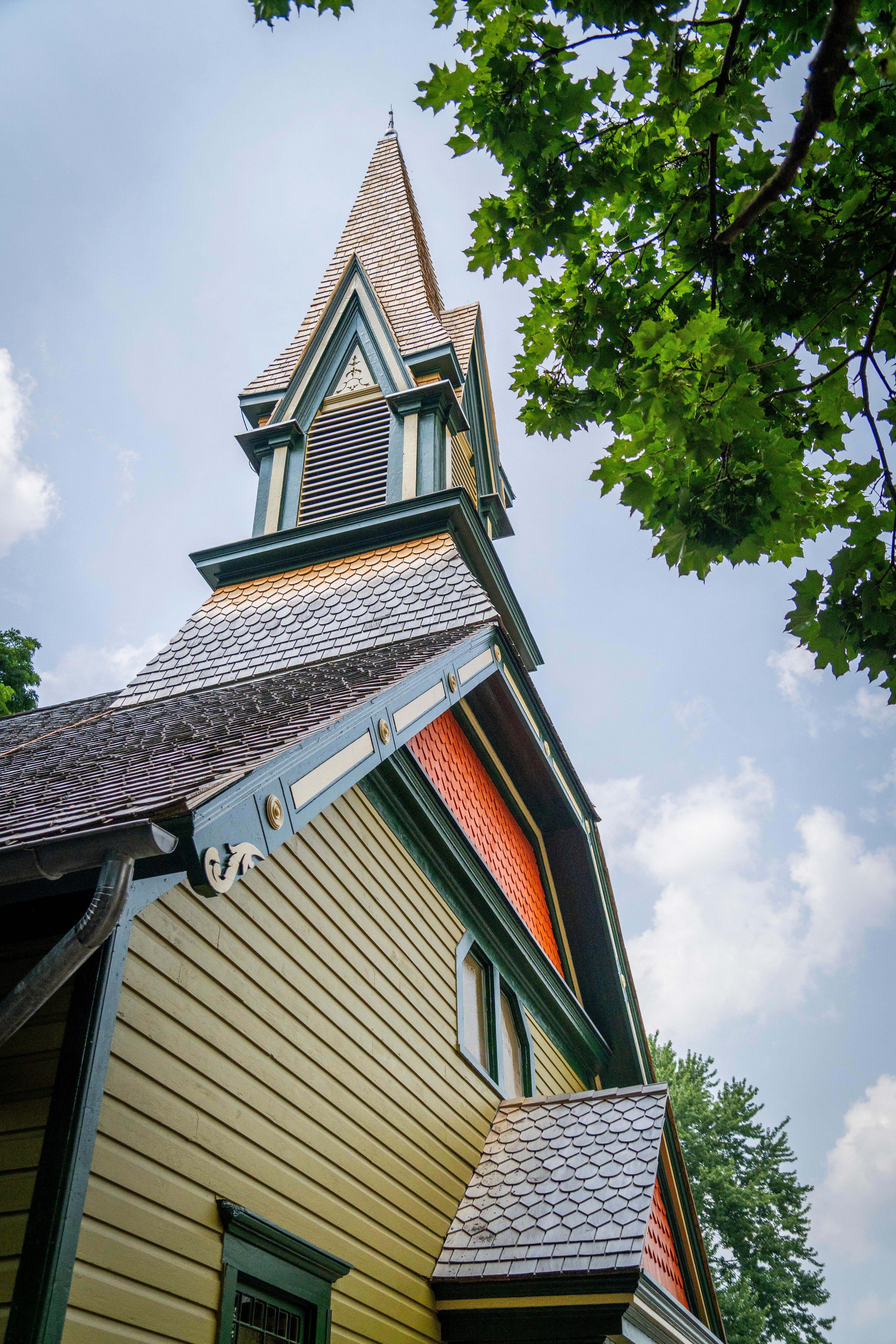 HARTDog-friendly
 HOFRDog-friendly
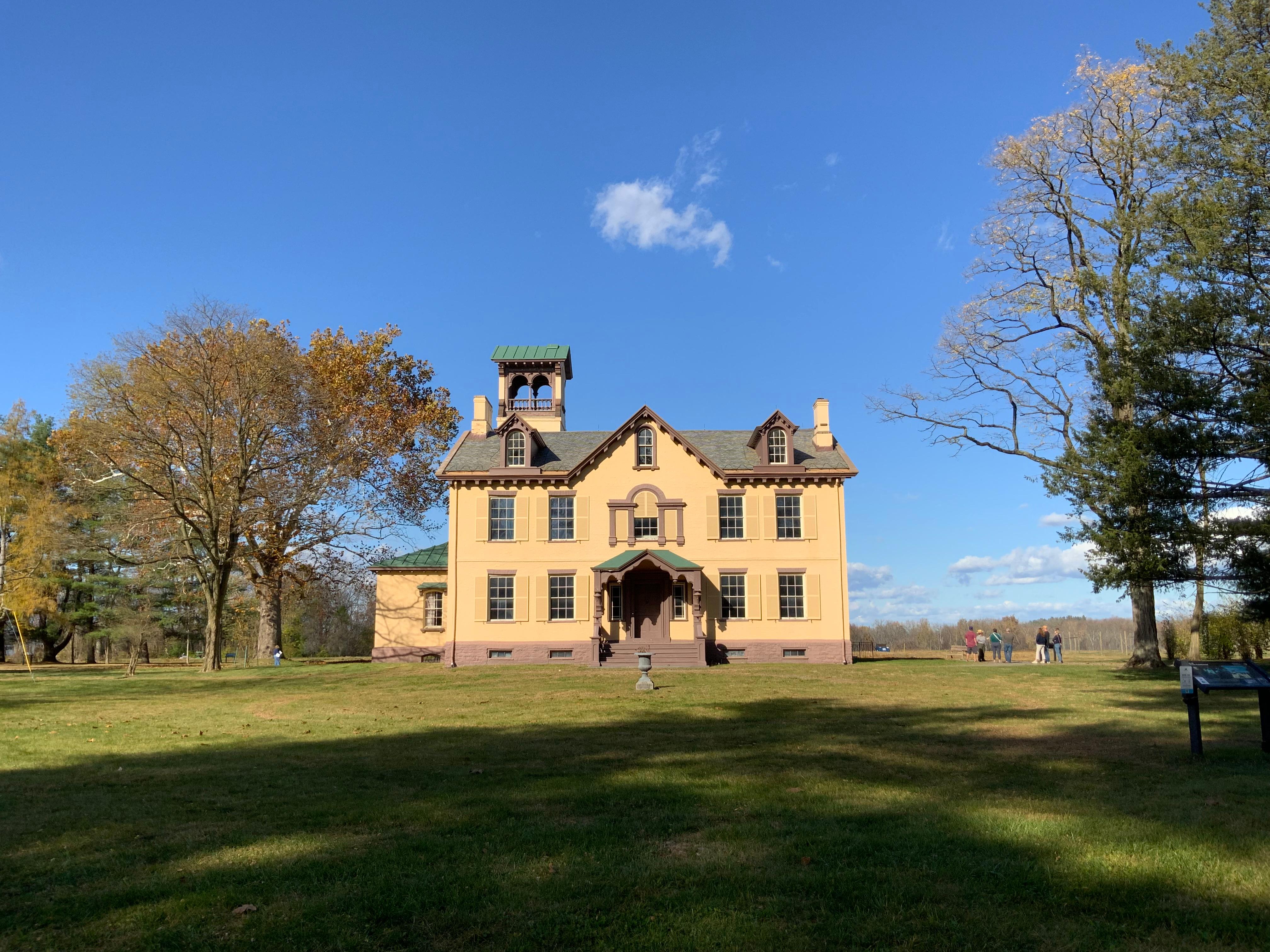 MAVADog-friendly
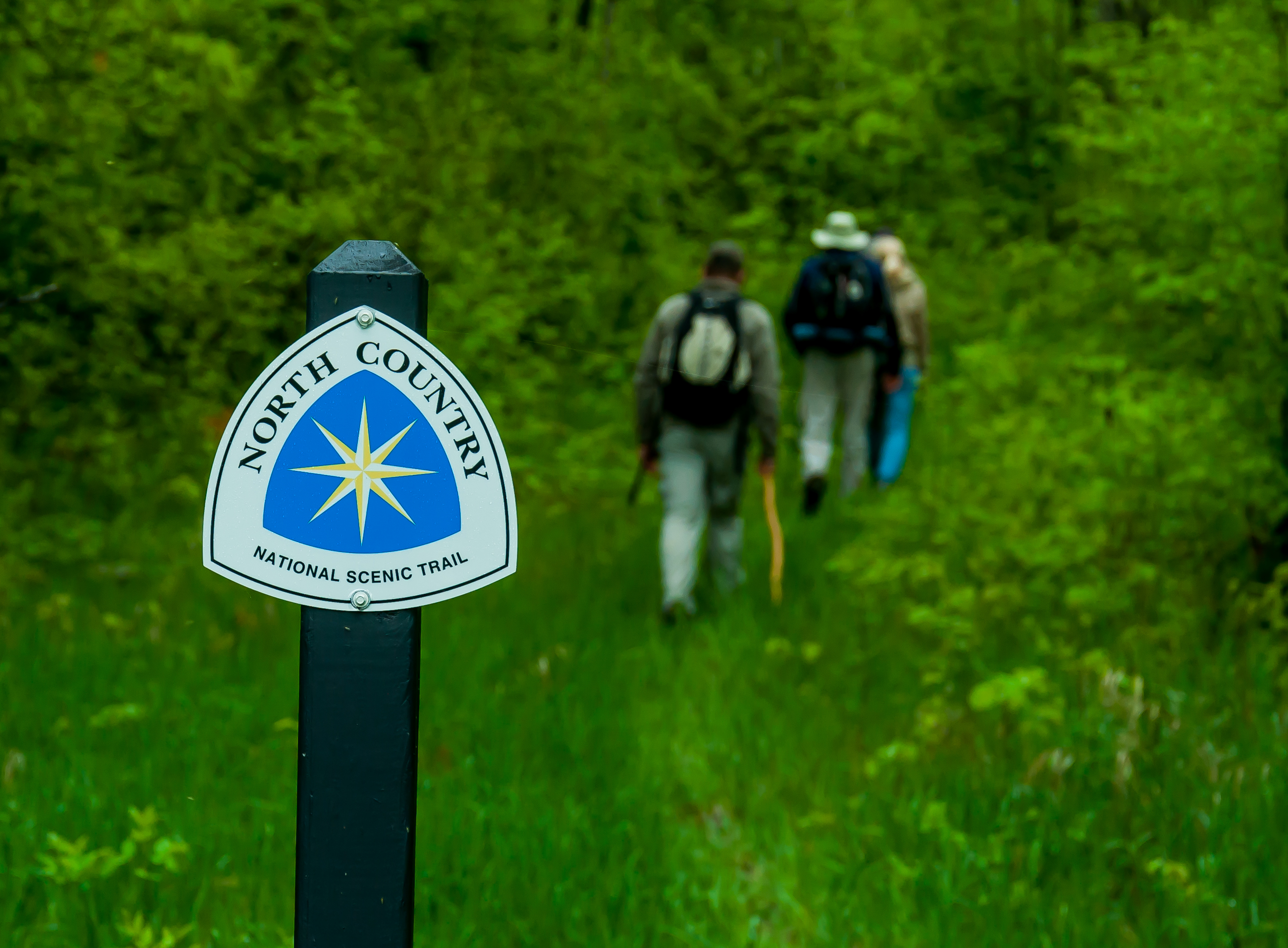 NOCODog-friendly
 SAHIDog-friendly
 SAPANo pets allowed
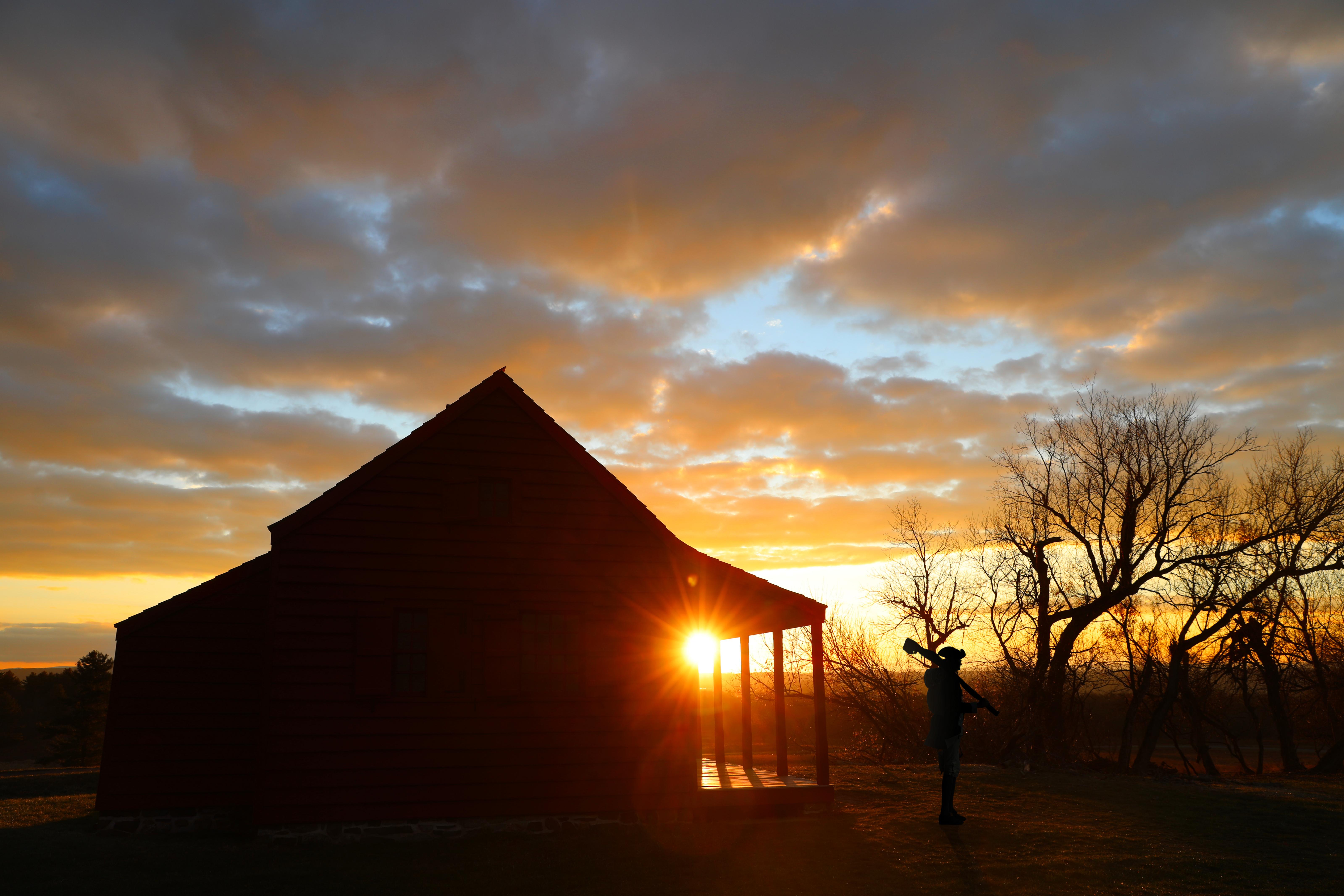 SARADog-friendly
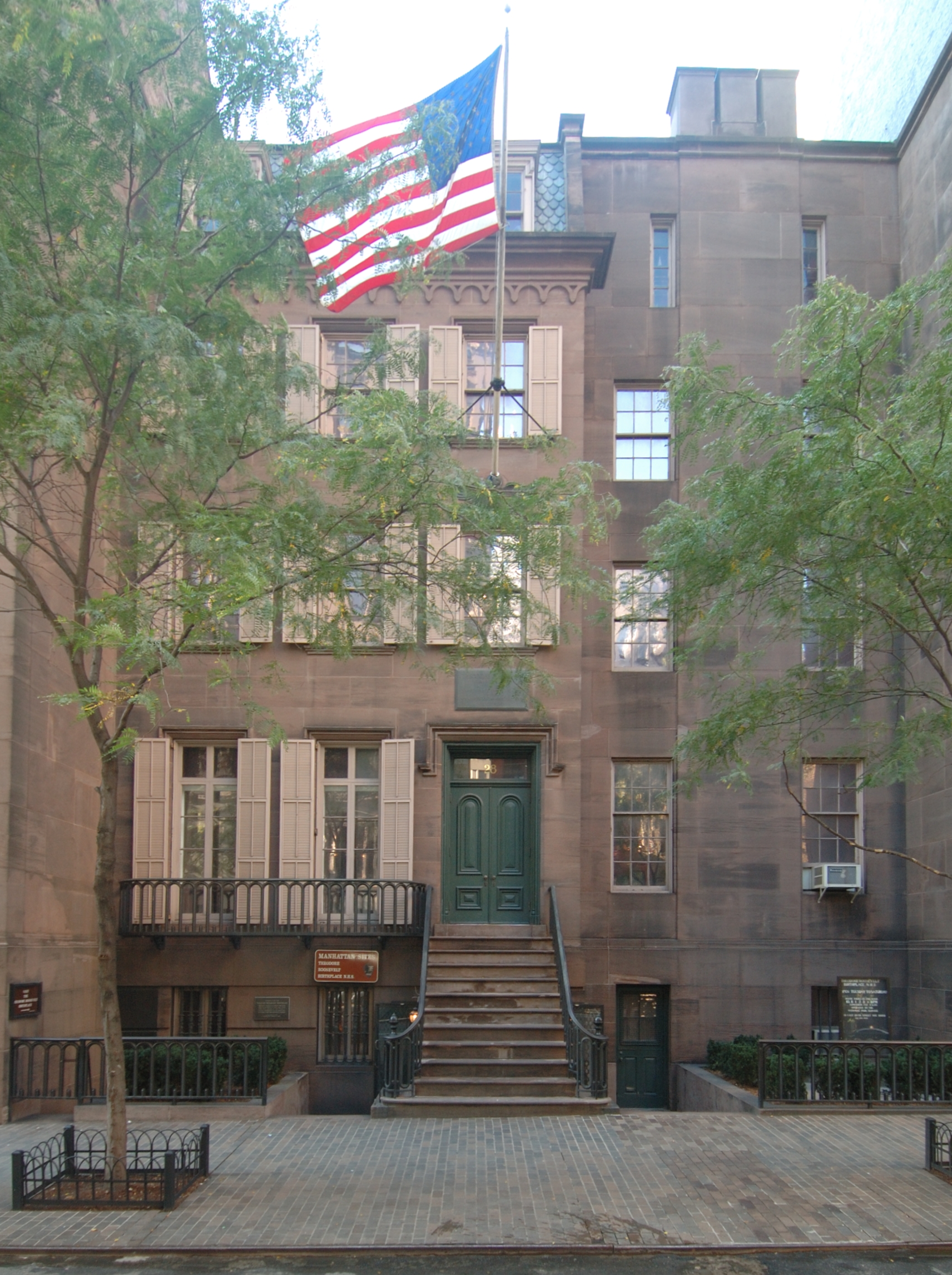 THRBLimited access
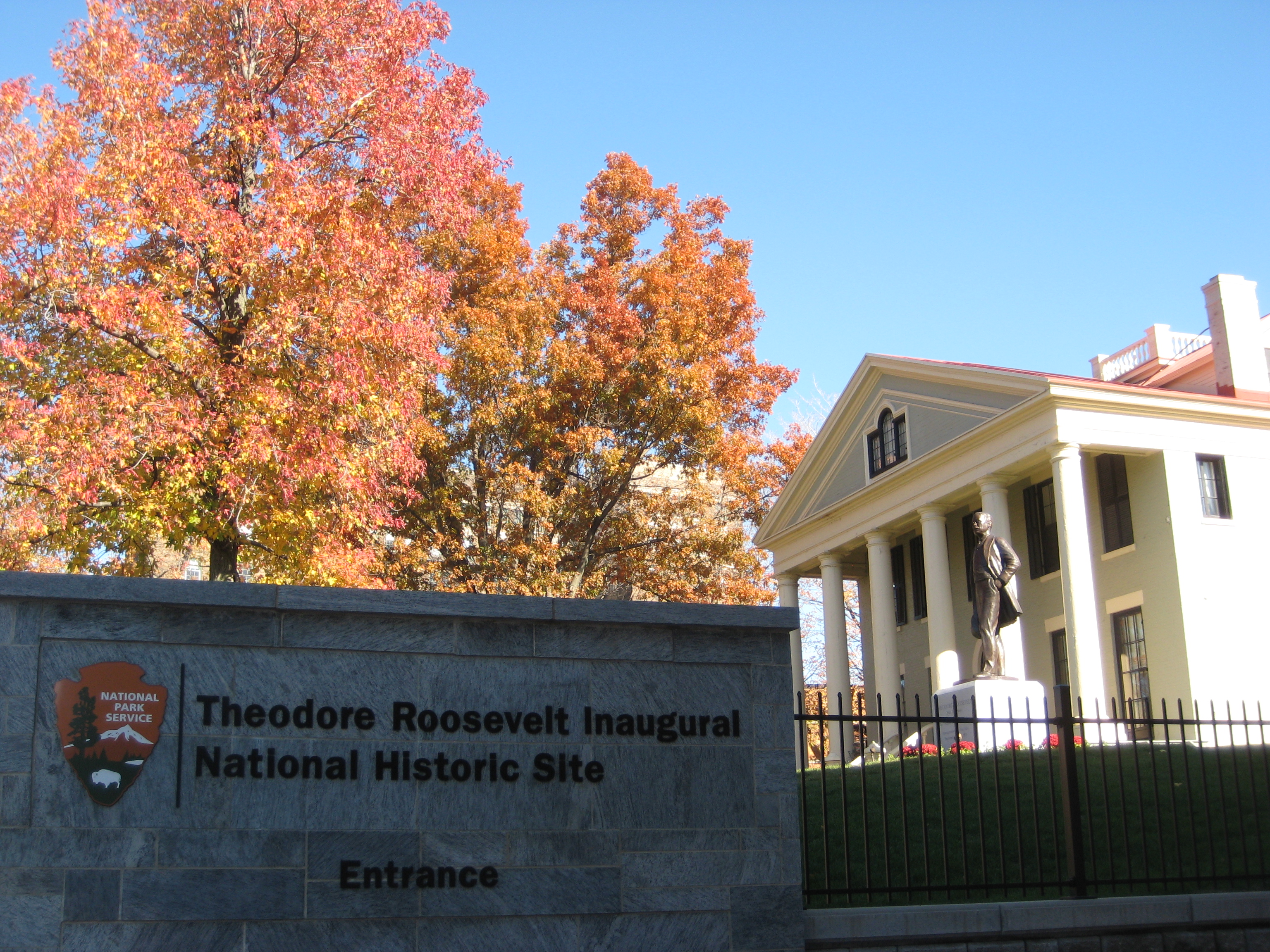 THRILimited access
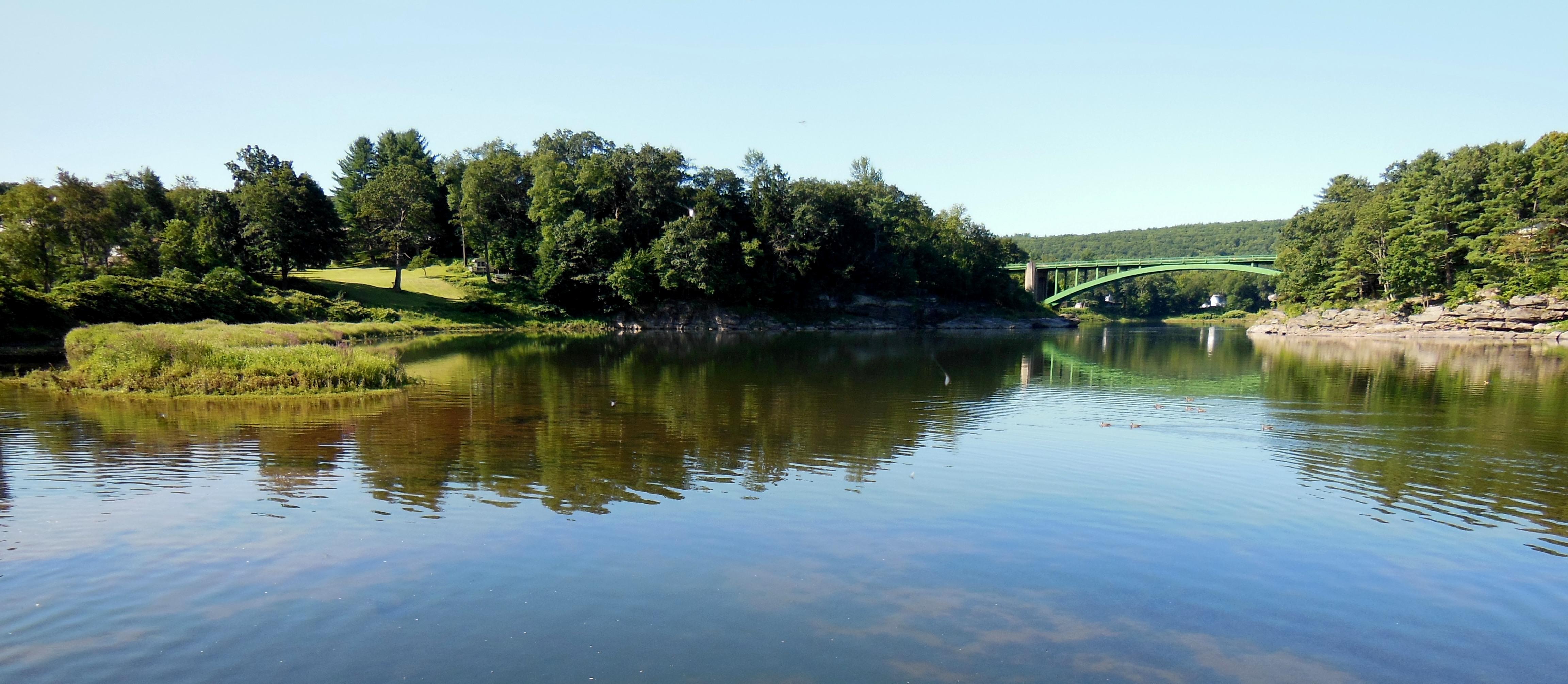 UPDEDog-friendly
 VAMADog-friendly
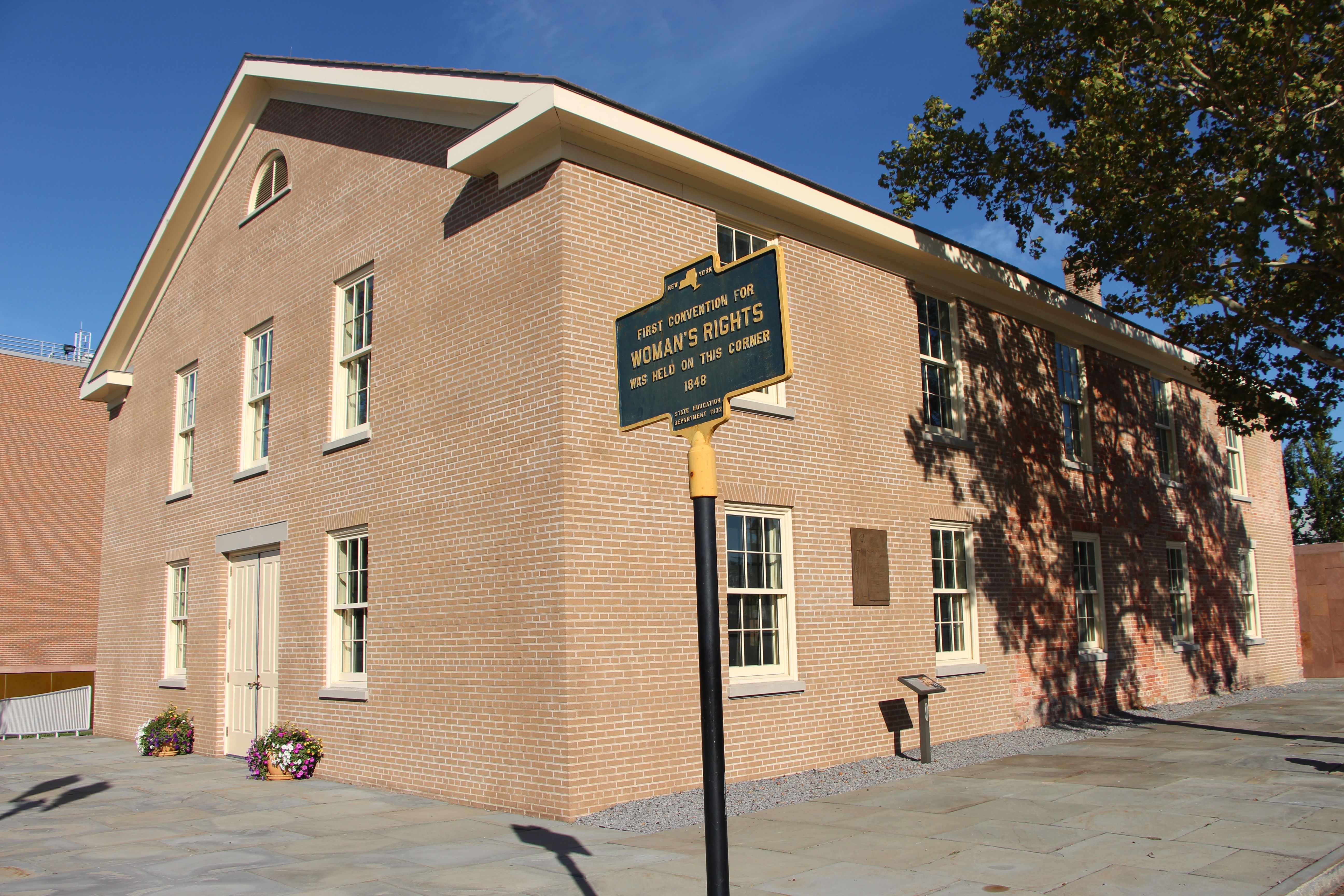 WORIDog-friendly
National forests and grasslands, broadly the friendliest federal land for a leashed dog.
National wildlife refuges in New York. These protect animals first, so dogs are often limited to certain trails or kept out, but a few welcome a leashed dog.
Beaches in New York where people ask about bringing a dog, with the off-leash spots and seasonal bans flagged.
Most New York state parks welcome leashed dogs on the trails, which makes the state system the easy, everywhere answer here. Yes. Most New York state parks welcome leashed dogs on trails.
The most-visited New York state parks, each checked for its own dog rule.
Summer and fall are the season up in the high country, and fall in the Adirondacks and Catskills is one of the best color shows in the East.
Blackflies hit hard in late spring up north, thick enough to plan around, so aim for June onward if you can.
Ticks are widespread everywhere lower down, so check the dog after every walk from spring through fall.
The high peaks turn cold and wet fast, even in summer, so carry a layer and know your turnaround time before you start.
Popular Adirondack trailheads fill up early on summer weekends, so get there at sunrise if you want the parking spot and the quiet trail both.
Winters are serious up high, so save the exposed peaks for warmer months and stick to lower state park trails once the snow flies.
Mountain trails mean long days, cold water crossings, and real elevation, so pack for control and endurance.
Every rule here comes straight from the agency that runs the land, the National Park Service, the Forest Service, the BLM, or the New York state park system, and each place is date-stamped on its own page. Dog policies change with the season and the site, so use this to plan and always confirm on the official page before you load up the car. More on how we check it in our methodology.
Skip the city monuments with your dog and head for the Adirondacks, the Catskills, or the nearest state park instead. New York has more real trail than the skyline lets on, and almost all of it, forest preserve to shoreline, says yes to a leash.
Yes. New York has 37 verified federal and state areas in this guide, and most of the state parks welcome leashed dogs on the trails. The national parks tend to be the strict ones, so those are listed separately below.
Yes. Most New York state parks welcome leashed dogs on trails. Leashed dogs are generally allowed on trails, in campgrounds, and day-use areas across New York State Parks.
The tightest rules are usually inside the national parks and around sensitive wildlife or water areas. Swim beaches, some nature preserves, playgrounds, and park buildings are typically off-limits. Rules vary by park.