

Pennsylvania is one of the most underrated hiking states in the country, and a lot of dog owners never find out. The state quietly has more trail miles than most people driving through would ever guess.
There's no national park here, and the state doesn't need one. The state forests and state parks are vast and well-kept, and they welcome leashed dogs on nearly every trail, from the Poconos down to the southwestern hills.
The Allegheny National Forest up north adds real forest hiking, and the Delaware Water Gap and a long run of the Appalachian Trail round out the map, giving a dog owner options in every corner of the state.
This guide pulls it together: the forest, the river gap, the historic sites, and the state parks, each checked against its actual rule with a link to confirm it.
Start with the Allegheny National Forest up in the northwest corner, the one true national forest in the state, and it welcomes leashed dogs across its shoreline and hardwood ridges, mile after quiet mile.
The forest's reservoir gives you miles of shoreline trail, quiet and shaded, an easy day for a dog that just wants to walk without much elevation gain.
Pennsylvania's own state forest system, spread across the middle of the state, is honestly the bigger story. It's enormous, well-marked, and open to leashed dogs almost everywhere, with more acreage than the Allegheny and the state parks combined.
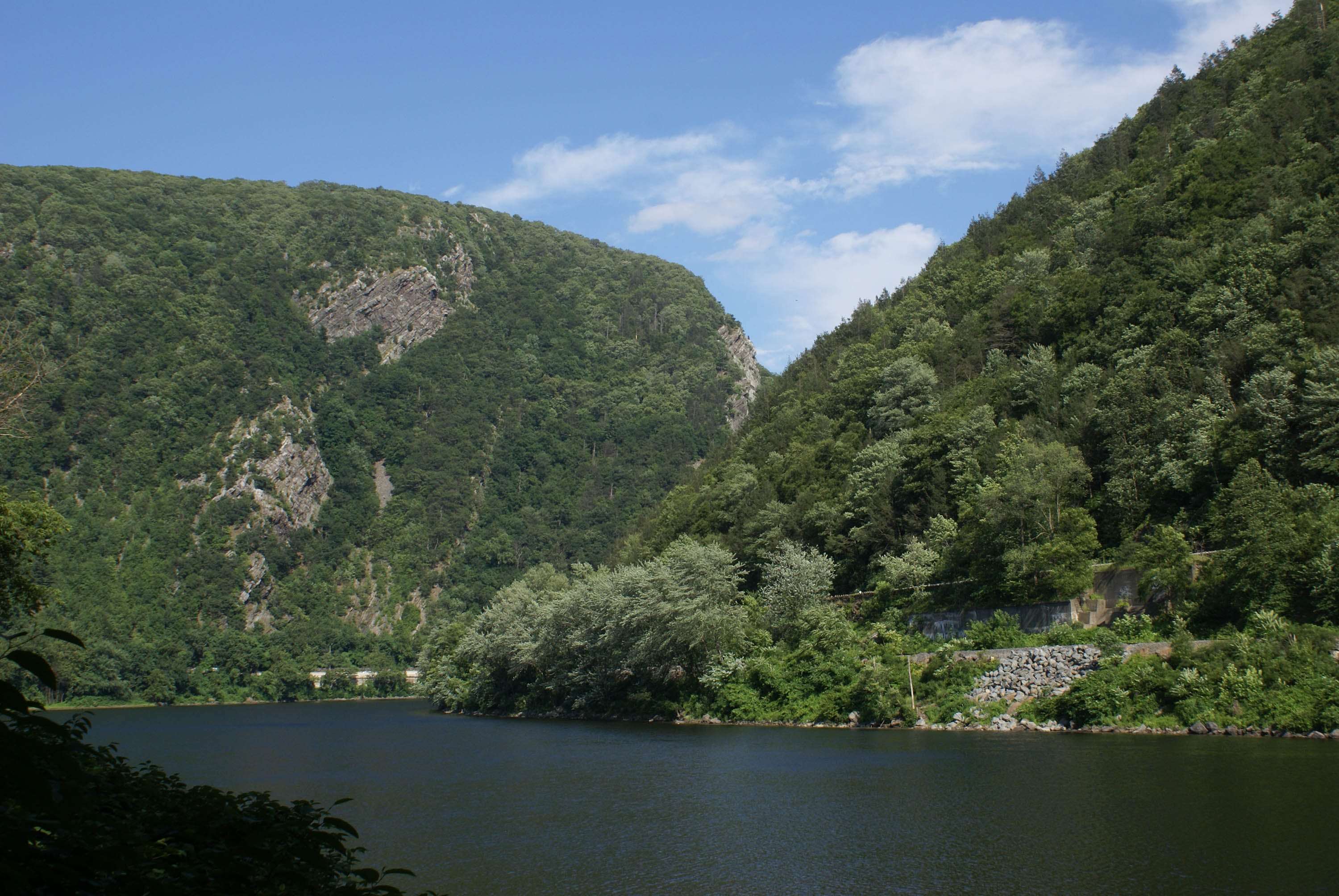
Down in the northeast, the Delaware Water Gap National Recreation Area adds river bluffs and waterfalls, and it's friendly to a leashed dog on its trails too, with river views most of the way.
A long stretch of the Appalachian Trail runs the length of the state, ridge walking the whole way, and your dog is welcome on it for as many miles as you can manage, whether that's two or twenty.
One rule to keep in mind everywhere: a 6-foot leash, and control your dog around the busier overlooks and river crossings.
The state parks fill in whatever gaps are left, and they're reliably good, close to nearly every town in the state, so a short hike is never far off no matter where you're starting from.
This is rocky footing country more than anything else. Pennsylvania trails are famous for loose stone underfoot, so a dog with soft pads will feel it by the end of a long day, especially anywhere near the ridge tops.
None of it is dramatic in the way out west trails can be, but it adds up to a full season of ridges, streams, and hardwood forest close to home, with a new trailhead worth finding in nearly every county.
Plan your dog days around the state forests and the Allegheny, not the historic sites in the cities. Save Gettysburg and Valley Forge for another day, and let the woods do the real work.
National monuments, historic sites, recreation areas, and other Park Service land in Pennsylvania, often more open to a leashed dog than the headline parks.
 ALPODog-friendly
 APPADog-friendly
 DEWADog-friendly
 EDALNo pets allowed
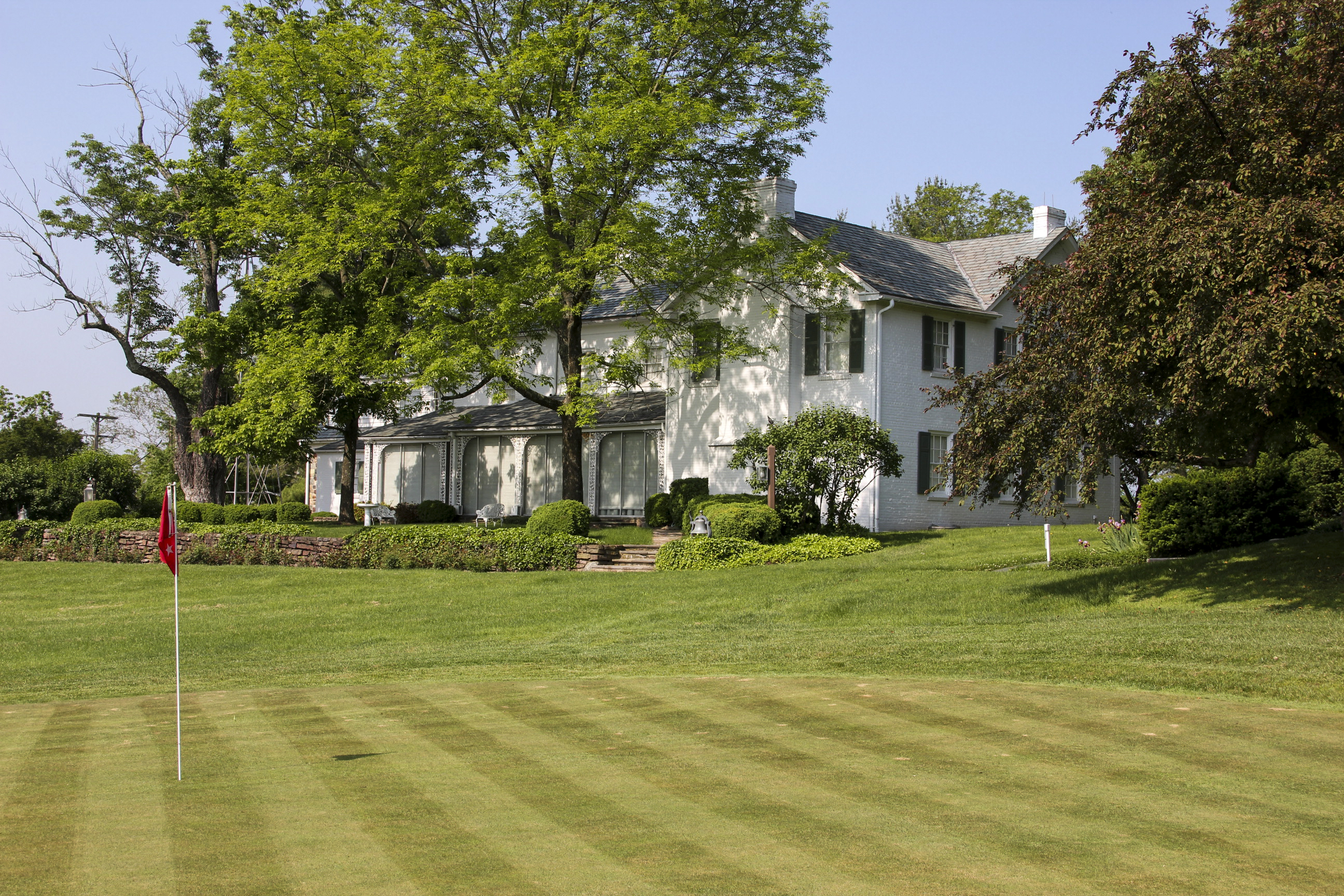 EISEDog-friendly
 FRSTDog-friendly
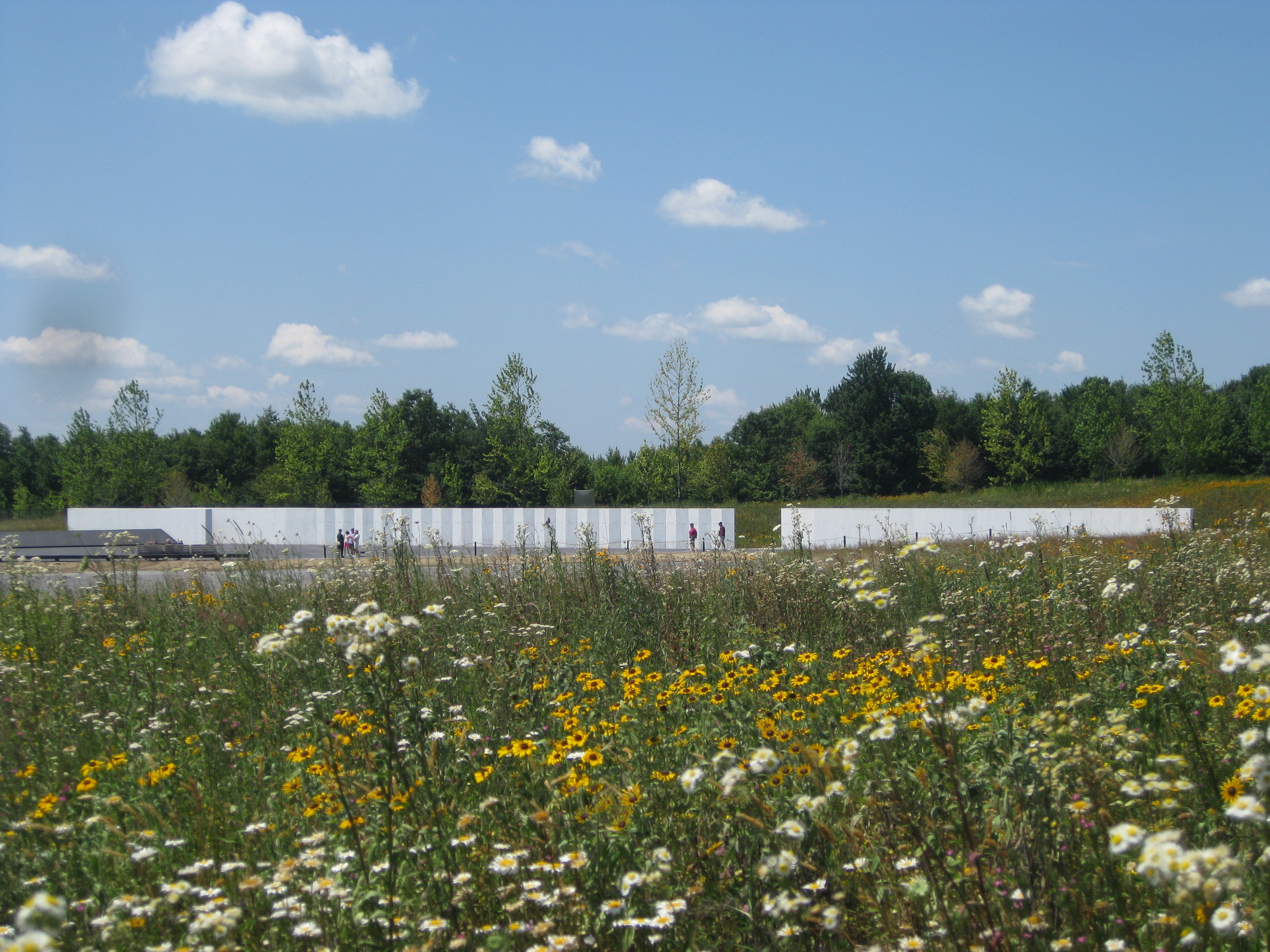 FLNILimited access
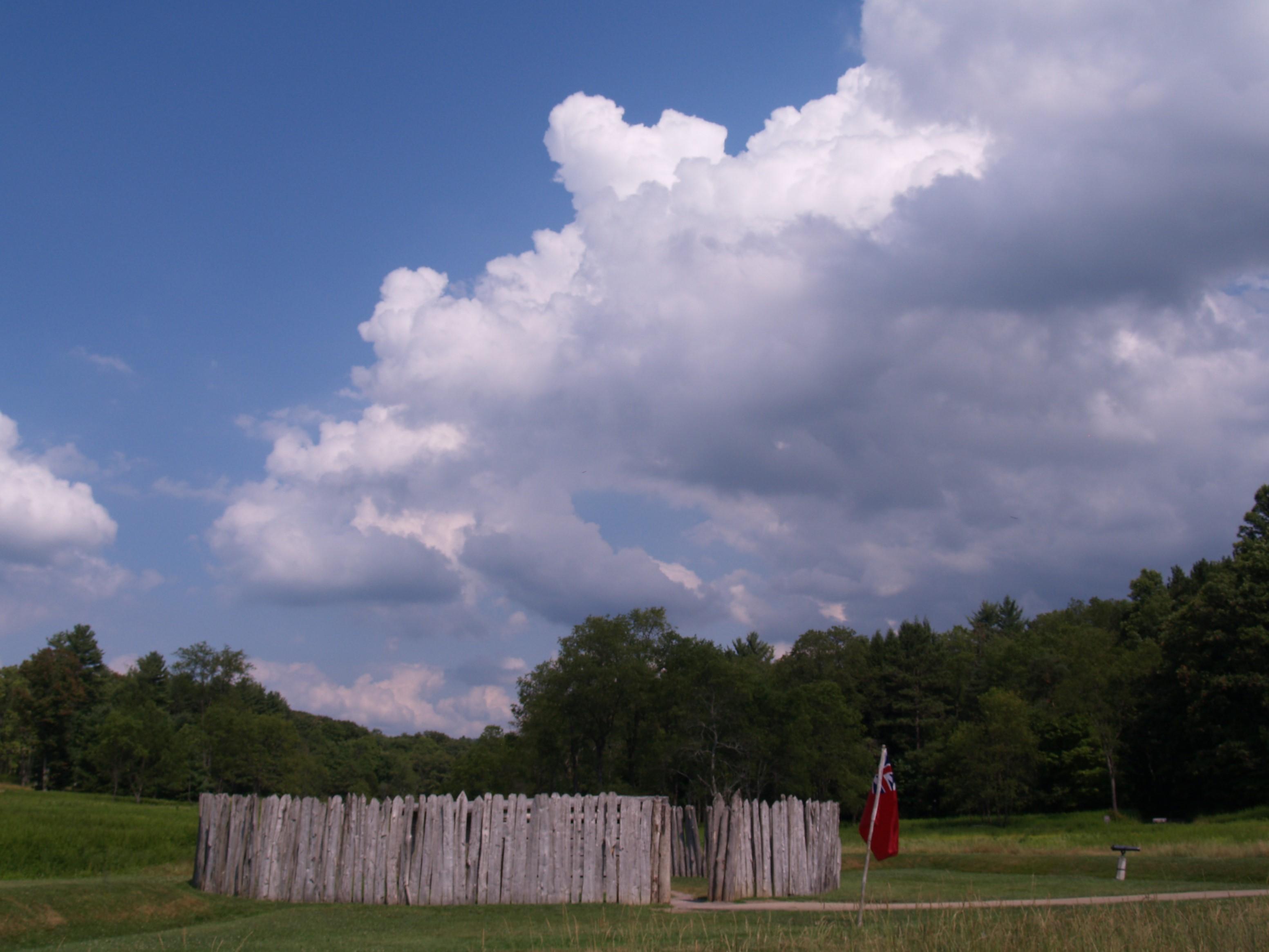 FONEDog-friendly
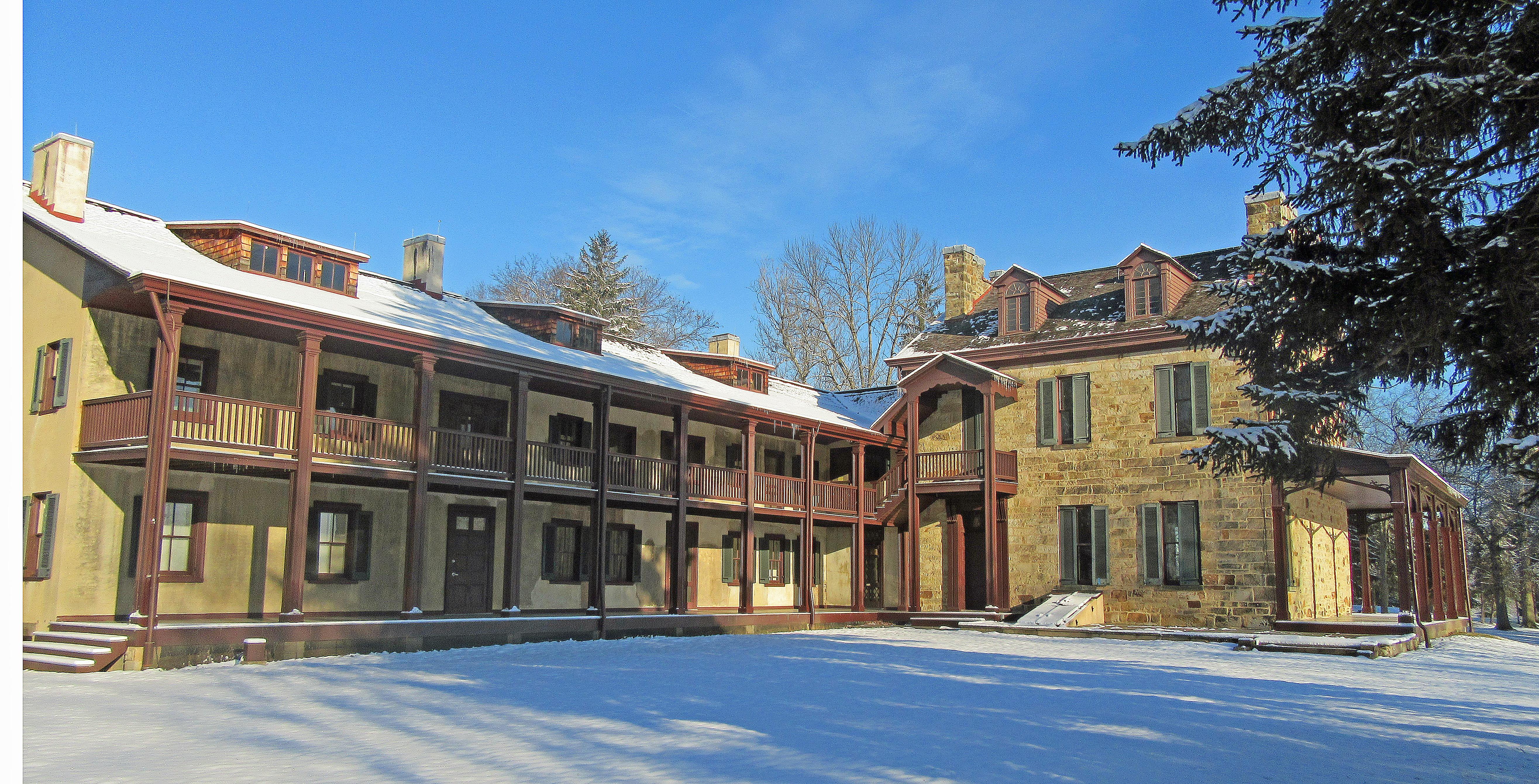 FRHIDog-friendly
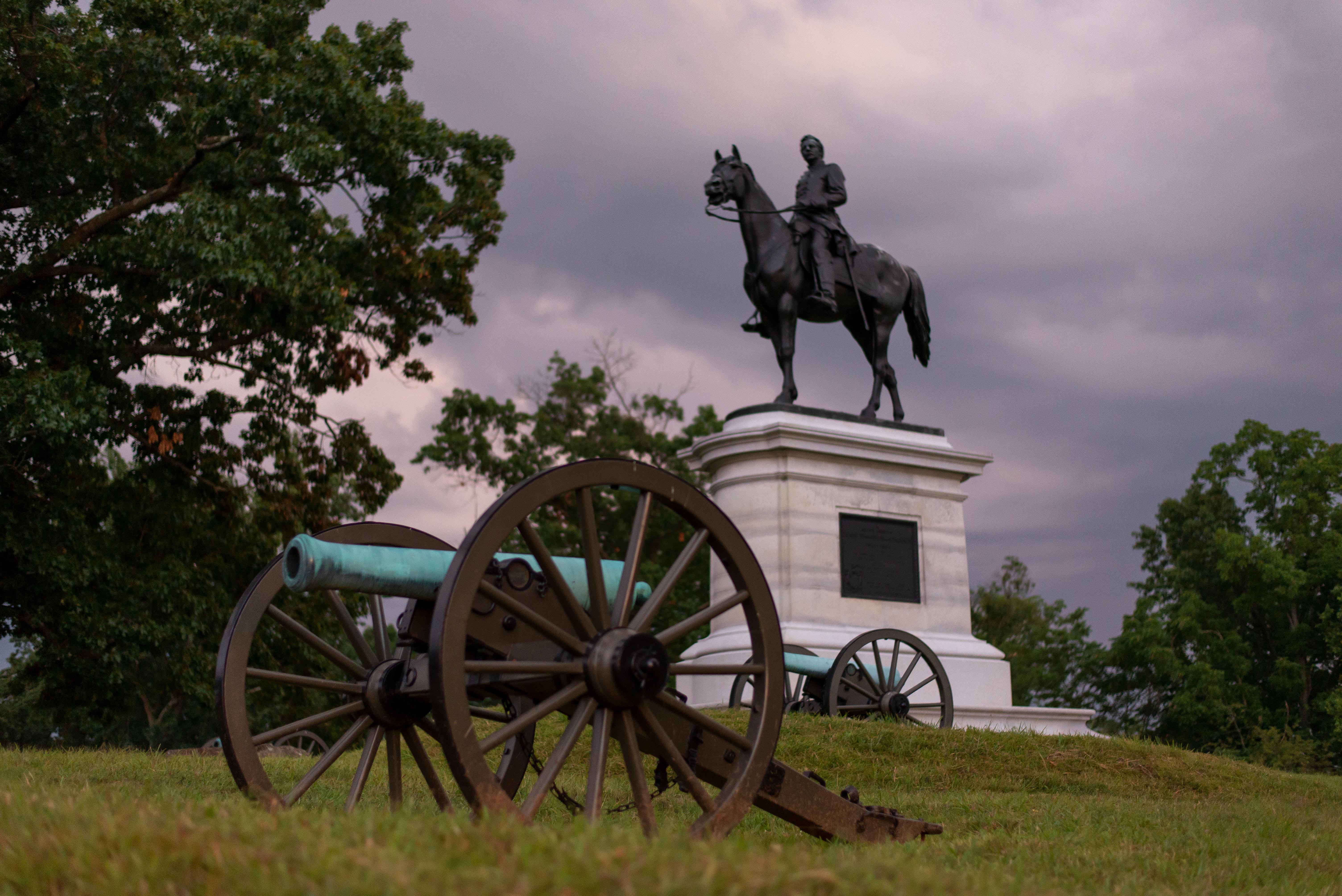 GETTDog-friendly
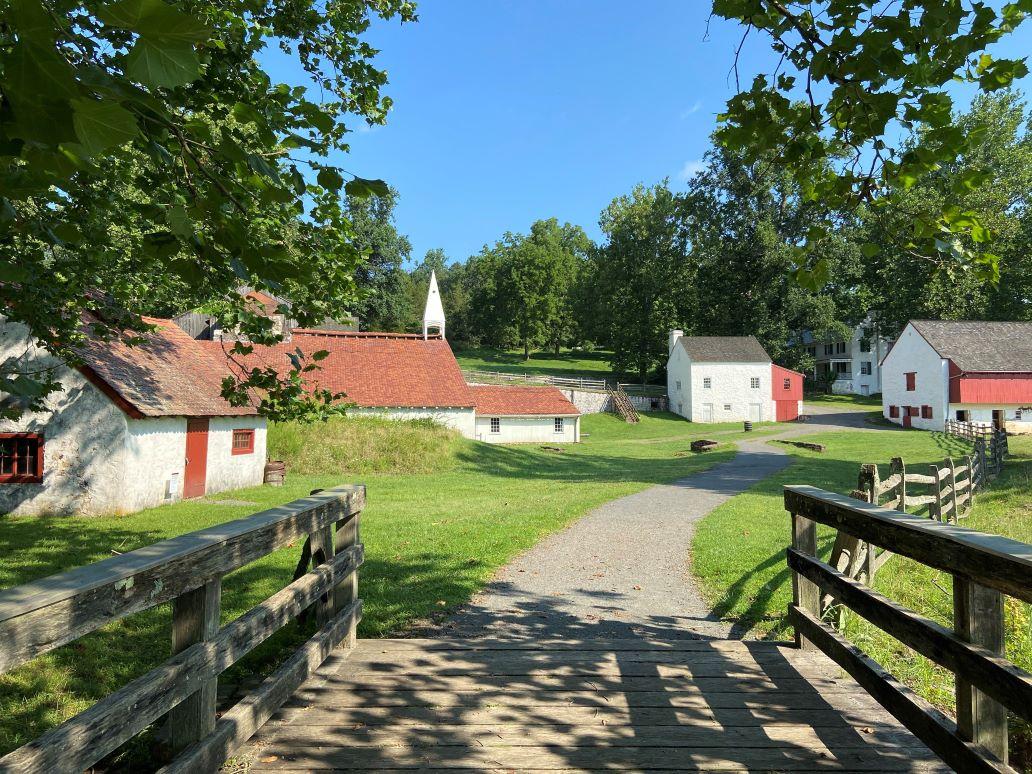 HOFUDog-friendly
 INDEDog-friendly
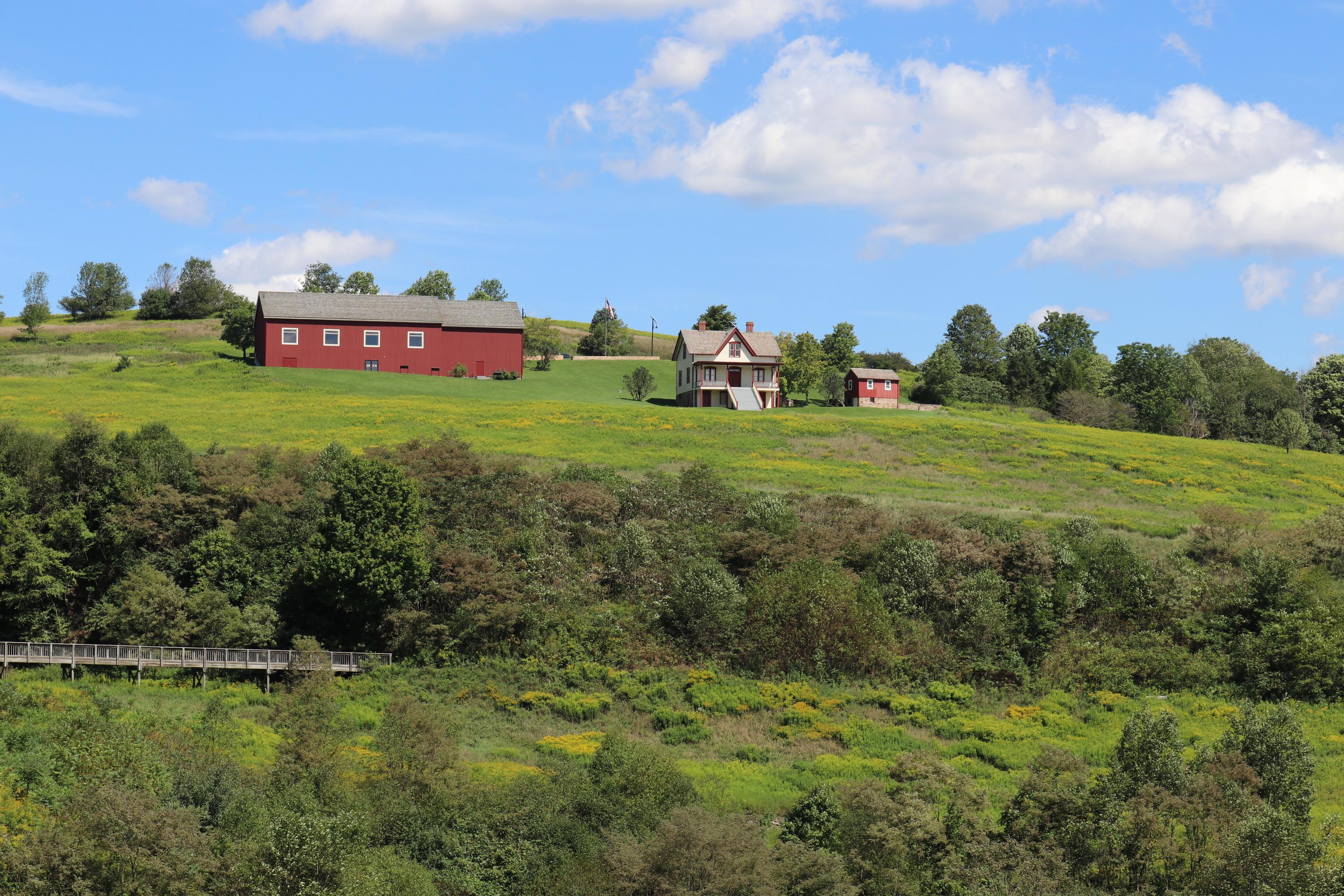 JOFLDog-friendly
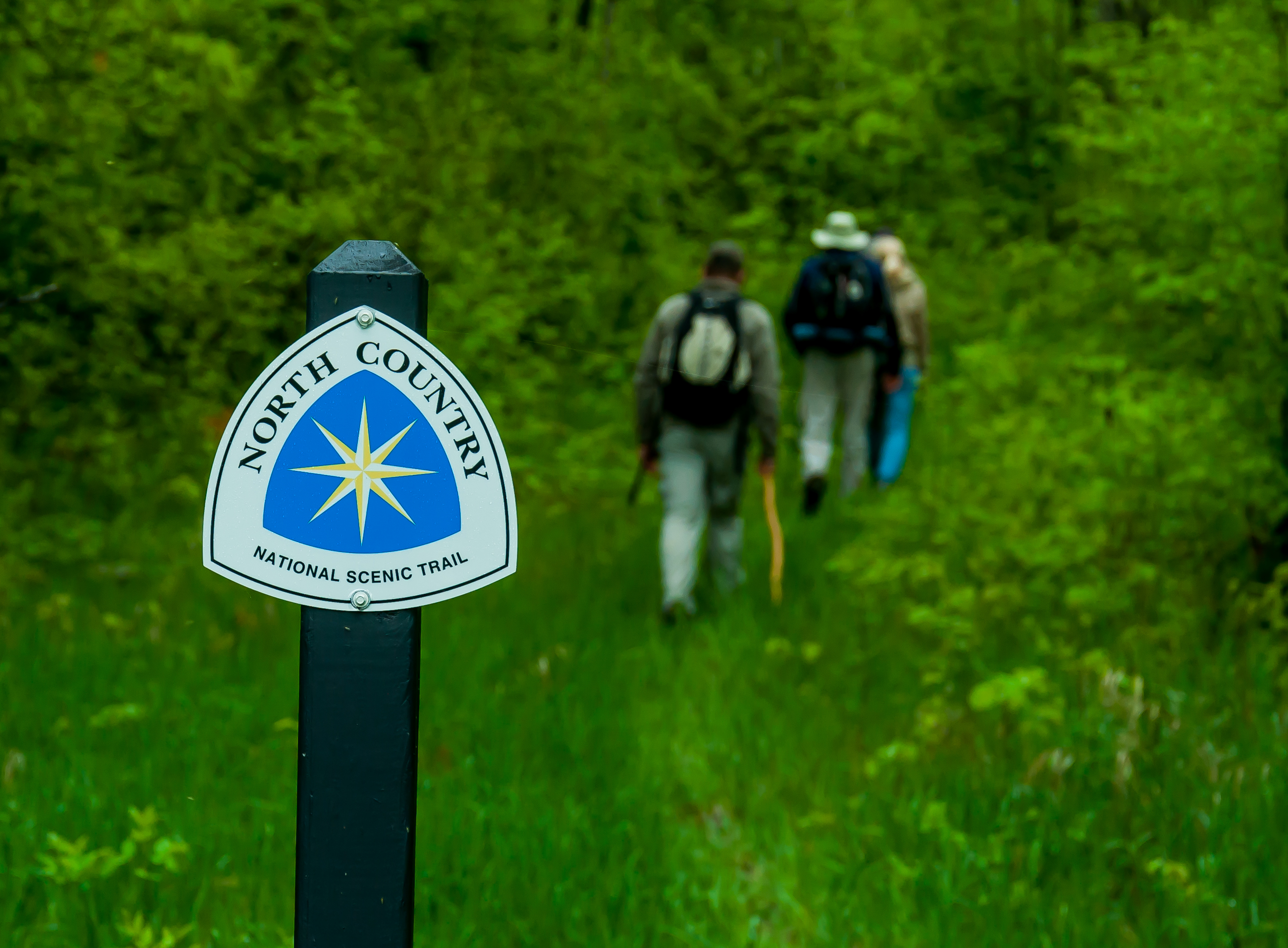 NOCODog-friendly
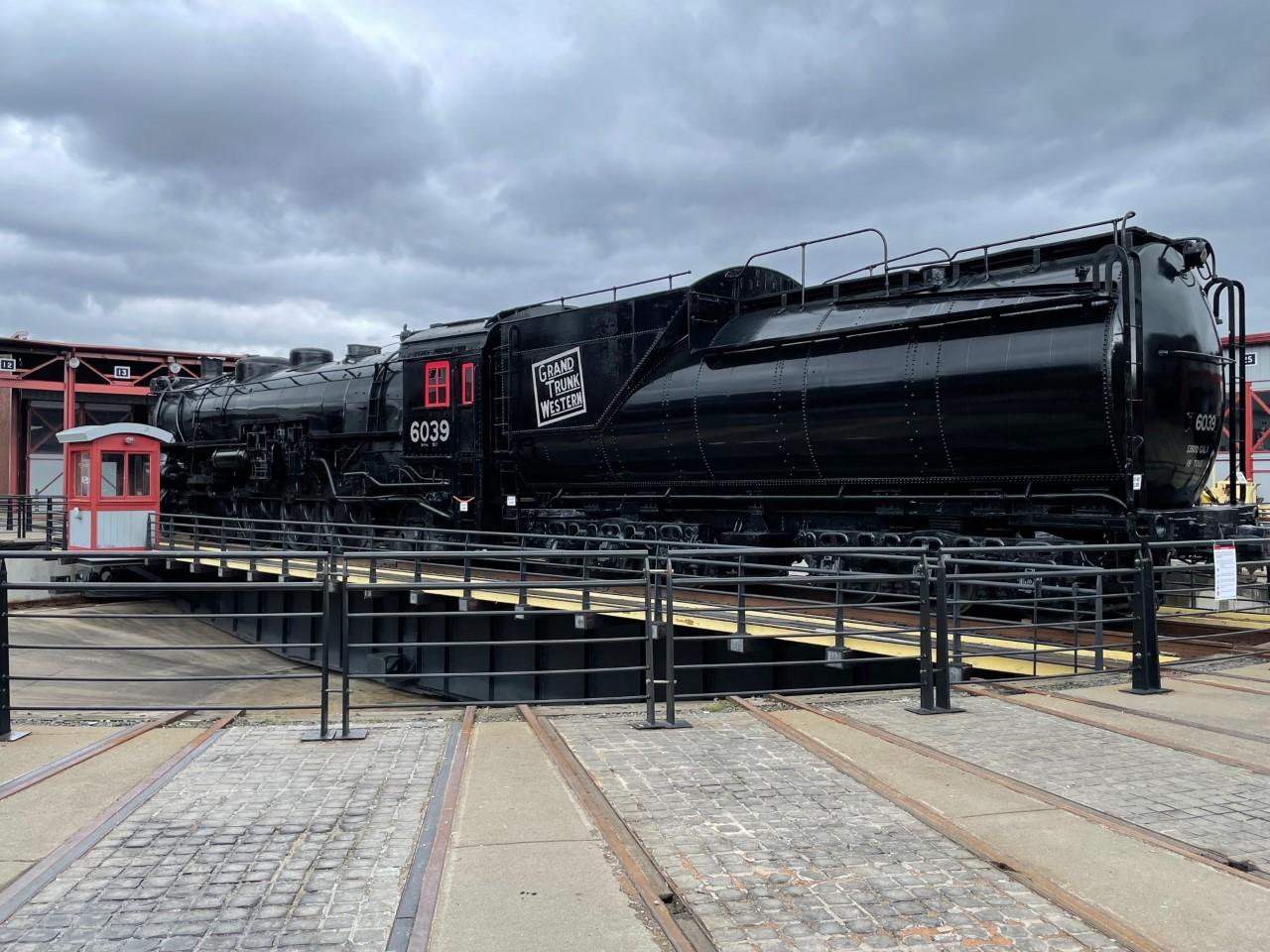 STEABanned on trails
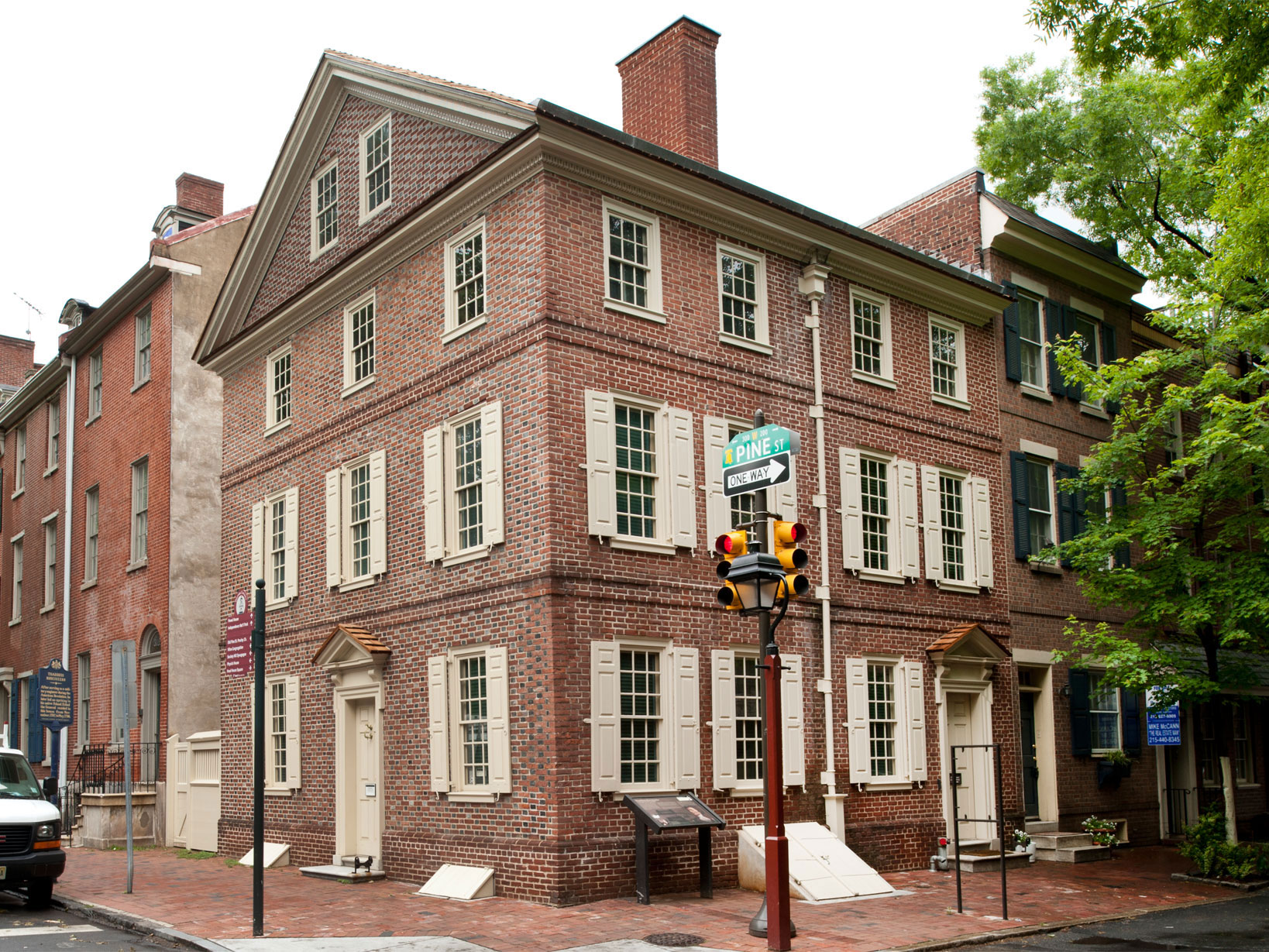 THKOLimited access
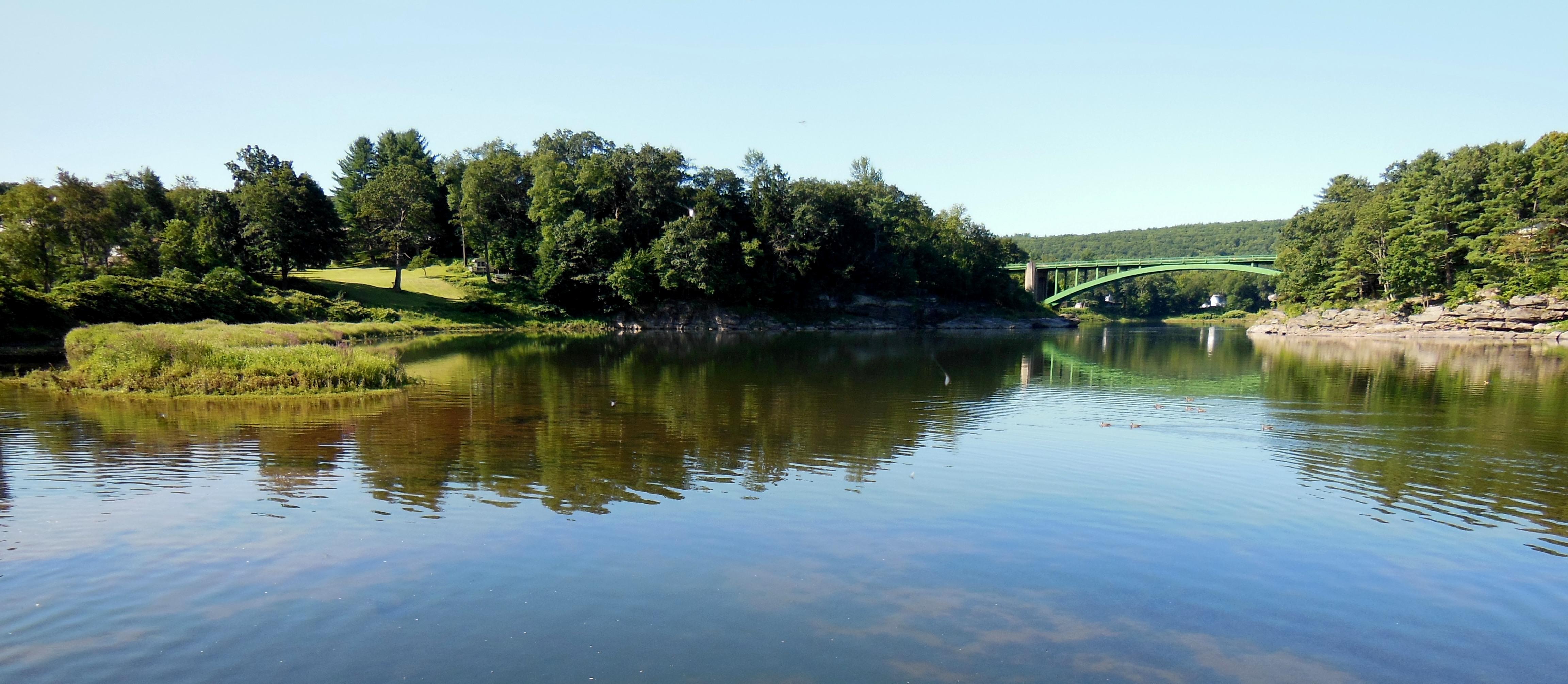 UPDEDog-friendly
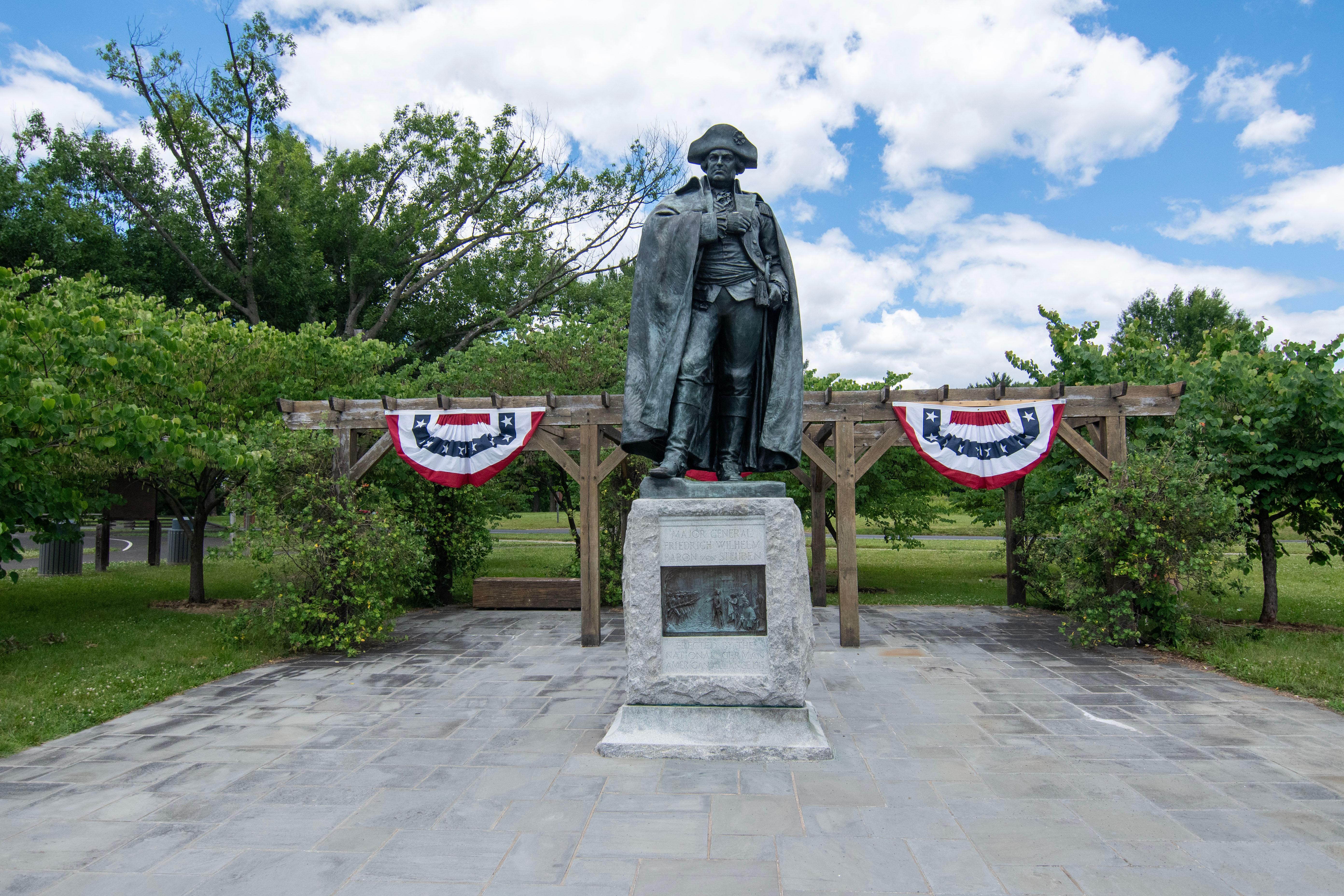 VAFODog-friendly
National forests and grasslands, broadly the friendliest federal land for a leashed dog.
National wildlife refuges in Pennsylvania. These protect animals first, so dogs are often limited to certain trails or kept out, but a few welcome a leashed dog.
Most Pennsylvania state parks welcome leashed dogs on the trails, which makes the state system the easy, everywhere answer here. Yes. Most Pennsylvania state parks welcome leashed dogs on trails.
The most-visited Pennsylvania state parks, each checked for its own dog rule.
Spring through fall is the season here, and fall color across the state forests is some of the best in the East, especially once you get up into the ridges.
Summers get humid, so start early on the Allegheny and state forest trails, and expect ticks to be a real, statewide issue all season, not just a brushy-trail problem confined to one region.
Rocky trails are the norm more than the exception, so check your dog's pads at the end of longer hikes.
Winter hiking is doable with the right traction, though the ridgelines can ice up fast after a storm.
Rain and stream crossings are common on the Water Gap trails, so a dog that doesn't mind wet feet has the advantage there, particularly after a wet spring.
Hunting season runs through the fall across the state forests, so add a bit of blaze orange to your dog and stick to marked trails during those weeks.
Woodland trails are the easy default, so keep it simple: solid leash control and water for both of you.
Every rule here comes straight from the agency that runs the land, the National Park Service, the Forest Service, the BLM, or the Pennsylvania state park system, and each place is date-stamped on its own page. Dog policies change with the season and the site, so use this to plan and always confirm on the official page before you load up the car. More on how we check it in our methodology.
Pennsylvania's state forests and the Allegheny are the whole story here: rocky, shaded, and open to a leashed dog almost everywhere you look, in every season but the iciest weeks of a hard winter.
Yes. Pennsylvania has 29 verified federal and state areas in this guide, and most of the state parks welcome leashed dogs on the trails. The national parks tend to be the strict ones, so those are listed separately below.
Yes. Most Pennsylvania state parks welcome leashed dogs on trails. Leashed dogs are generally allowed on trails, in campgrounds, and day-use areas across Pennsylvania State Parks.
The tightest rules are usually inside the national parks and around sensitive wildlife or water areas. Swim beaches, some nature preserves, playgrounds, and park buildings are typically off-limits. Rules vary by park.