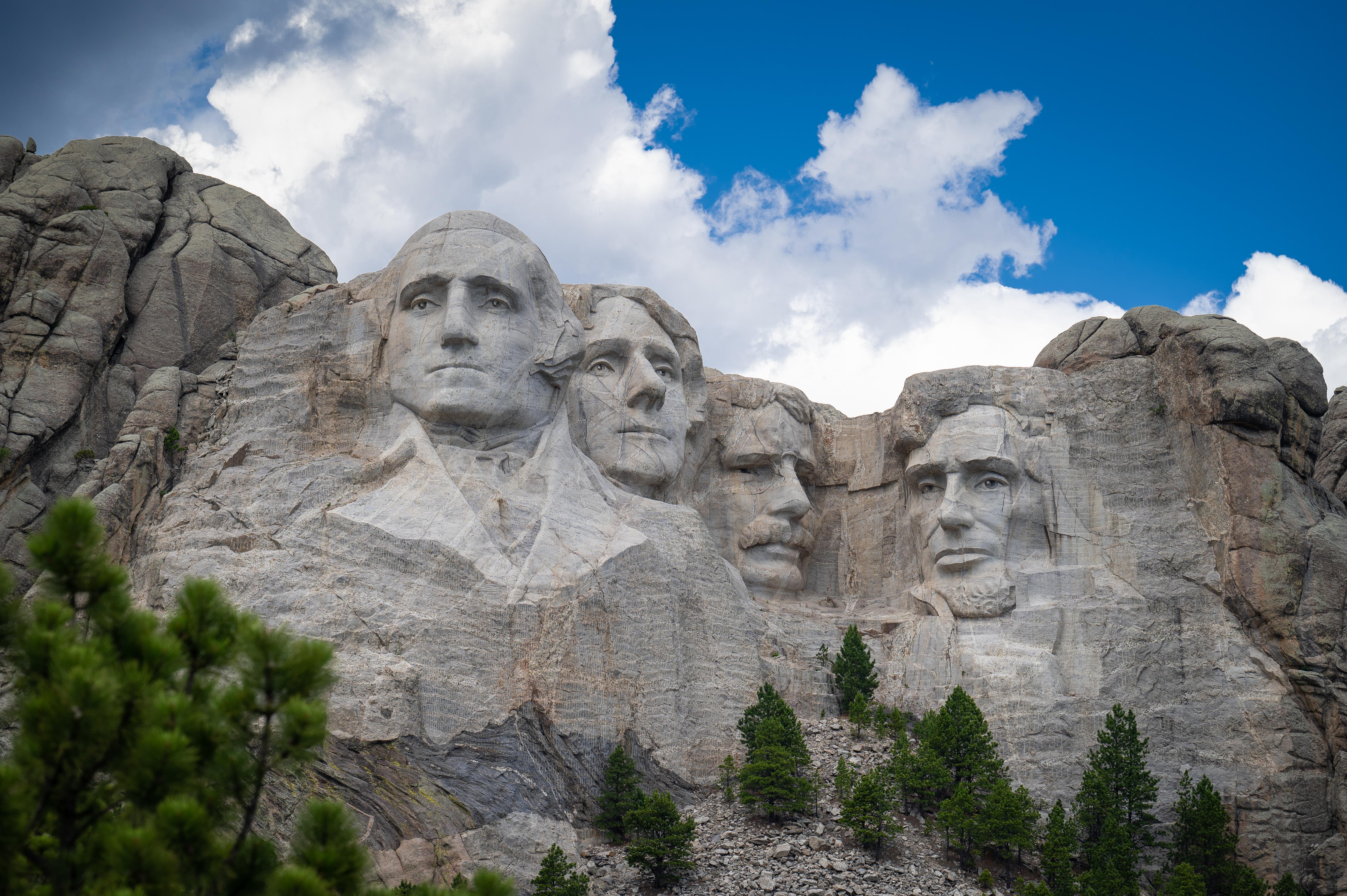

South Dakota packs the Badlands, Mount Rushmore and the Black Hills into one road trip, and a dog owner needs to know which parts of that trip actually include the dog and which do not.
The Black Hills National Forest is the answer for real hiking, all of it open to a leashed dog, and the state parks like Custer are some of the best-run in the country.
Badlands National Park keeps dogs off its trails, roads and overlooks only, and Wind Cave holds them to the surface areas, away from the cave and much of the backcountry.
This guide lays out every verified spot in South Dakota, the parks, the forests, and the historic sites, each one checked against its own rule and its own link.
The Black Hills National Forest is the heart of hiking in South Dakota, granite spires, pine ridges and creek bottoms stacked one after another, and a leashed dog is welcome across all of it.
Custer State Park sits right inside that same country and is one of the best-run state parks anywhere, with buffalo herds that roam right across the road some mornings and hold up traffic like they own the place.
Custer Gallatin National Forest reaches a corner of the state too, along with a slice of the Dakota Prairie Grasslands and the Nebraska National Forests and Grasslands, so the forest system stretches further than most people expect from a state known mostly for one monument.
The 6-foot leash rule holds in the developed parts of all of it, with your dog under control once you are out on the trail proper.
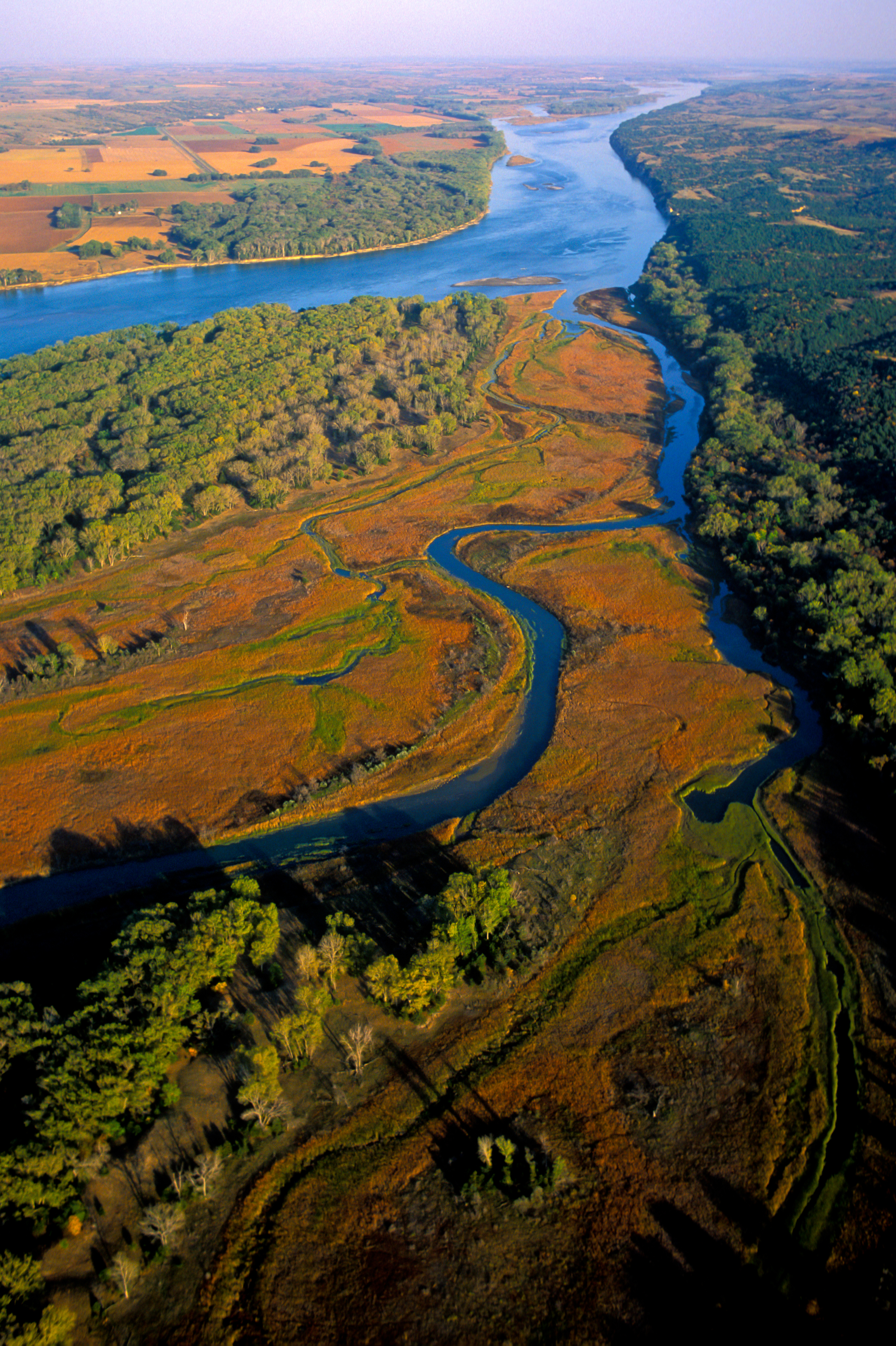
The Missouri National Recreational River gives you river bluffs and bottomland on the state's eastern edge, fully open to a leashed dog if the Black Hills are too far a drive from where you live.
Minuteman Missile National Historic Site adds a short, easy stop with a strange piece of Cold War history attached, and dogs are welcome there too, leash on.
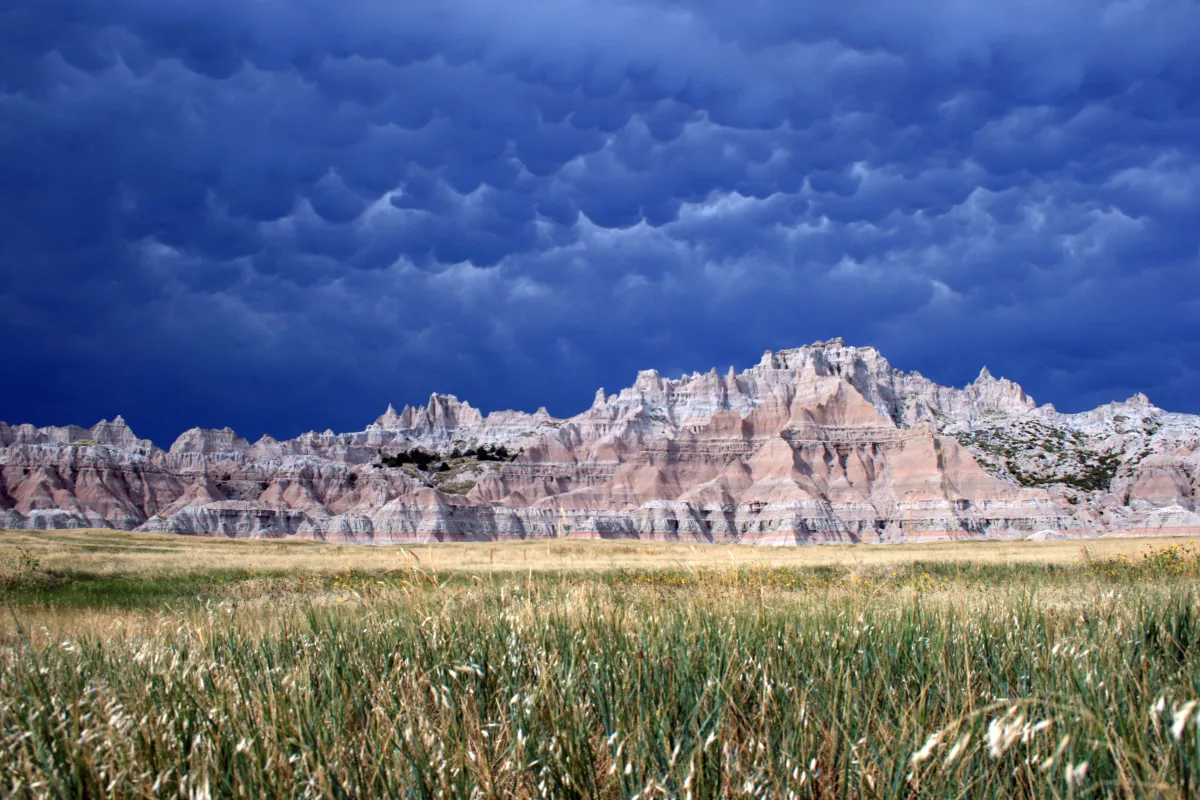
Badlands National Park is worth the detour for the scenery alone, just know your dog stays on the roads and overlooks, not the trails, so plan it as a driving day.
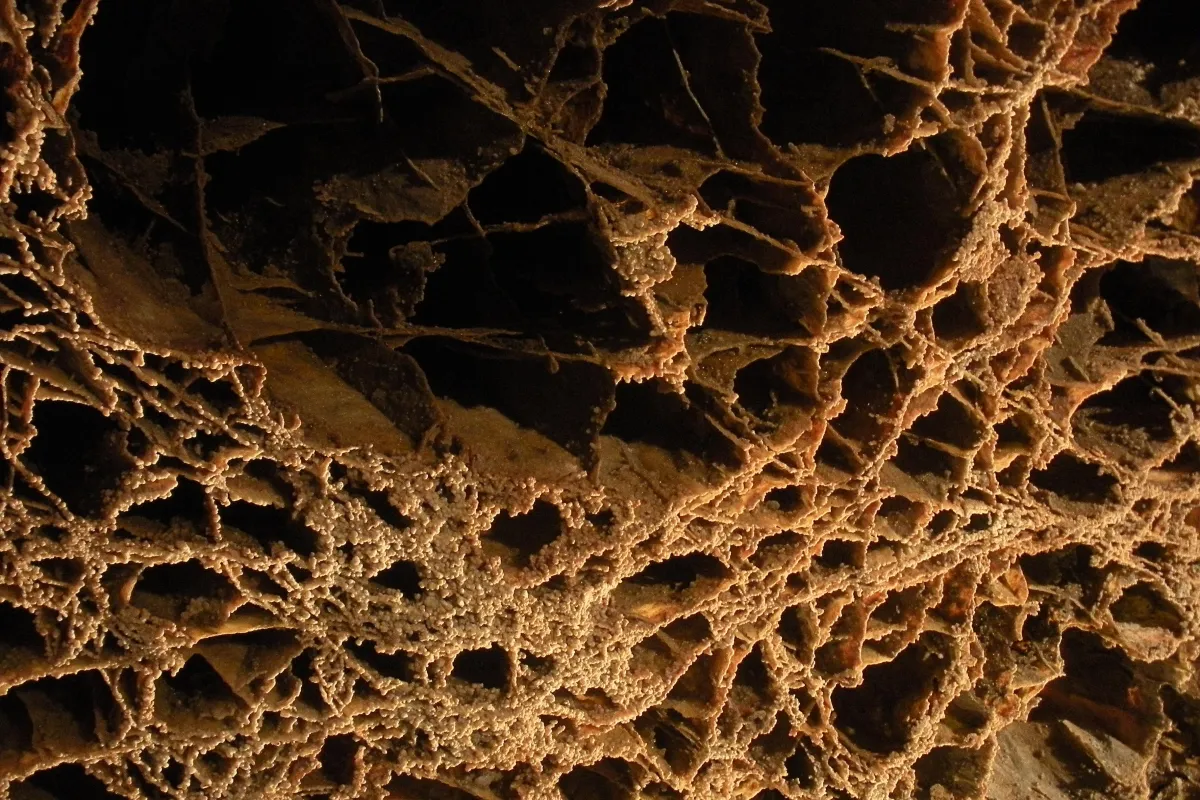
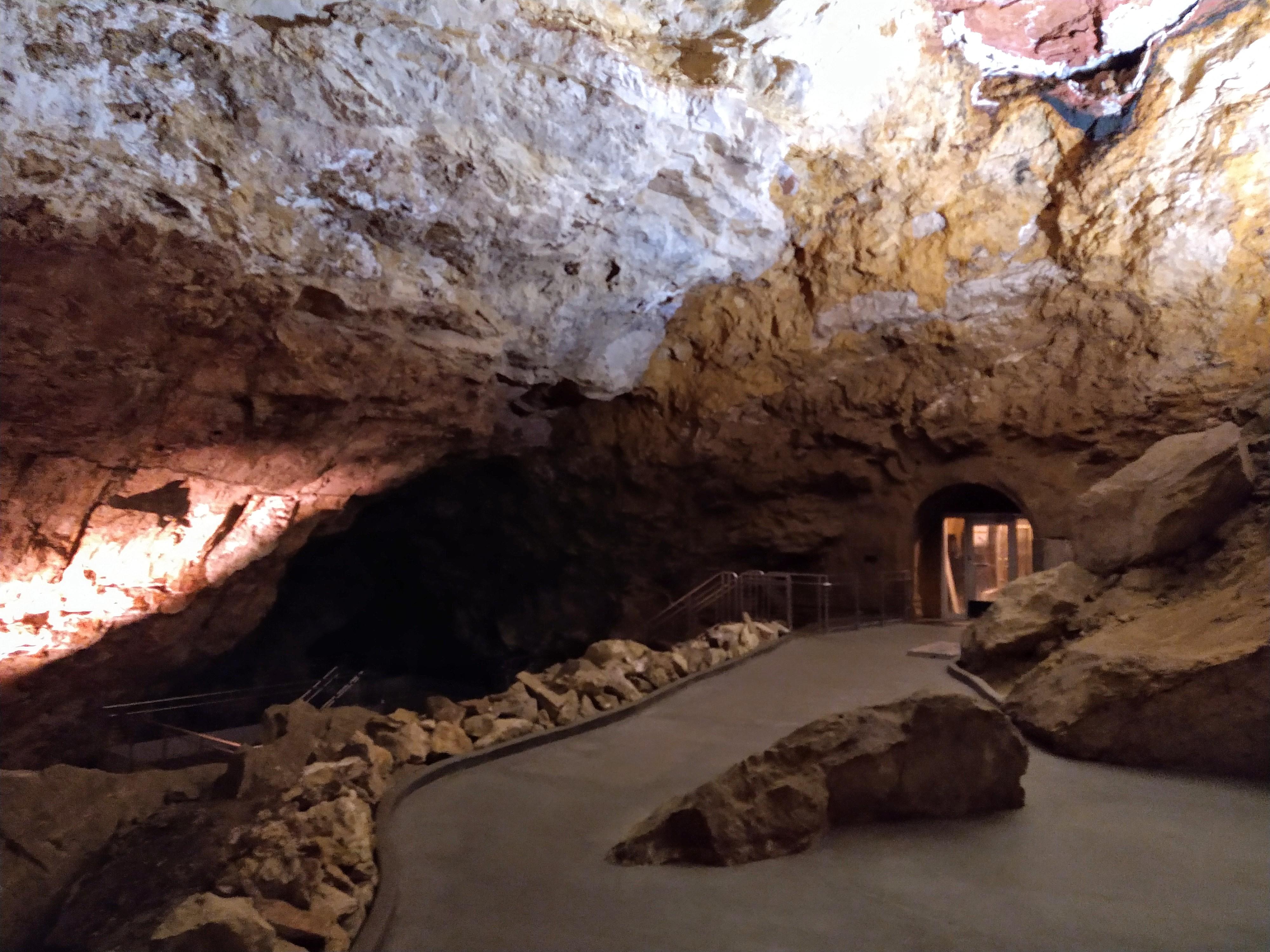
Wind Cave keeps dogs to its surface areas, away from the cave tours and much of the backcountry, so treat it the same way and save the real walking for elsewhere.
Jewel Cave National Monument, over toward the Wyoming line, does not allow dogs at all, cave tours or surface trails alike, so skip that stop with the leash in hand entirely.
Plan your real hiking day around the Black Hills, not the parks. You get the granite and the pine either way, with a lot more trail underfoot and a lot fewer rules to remember.
South Dakota's two national parks both hold dogs back from the real trail system, in different ways.
Badlands National Park allows no dogs on any trail. The roads, overlooks and campgrounds are open, so treat it as a scenic drive and save the hiking for the Black Hills.
Wind Cave holds dogs to the developed areas, roads and overlooks, not the trails. The cave itself is off-limits regardless, since it runs underground.
National monuments, historic sites, recreation areas, and other Park Service land in South Dakota, often more open to a leashed dog than the headline parks.
National forests and grasslands, broadly the friendliest federal land for a leashed dog.
National wildlife refuges in South Dakota. These protect animals first, so dogs are often limited to certain trails or kept out, but a few welcome a leashed dog.
Most South Dakota state parks welcome leashed dogs on the trails, which makes the state system the easy, everywhere answer here. Yes. Most South Dakota state parks welcome leashed dogs on trails.
The most-visited South Dakota state parks, each checked for its own dog rule.
Summer and fall are the window here, and the Black Hills run noticeably cooler and greener than the surrounding plains most of the season.
Afternoon storms build fast in the hills, so start early and keep an eye on the sky rather than trusting the forecast from that morning.
Rattlesnakes show up in the Badlands and the open prairie in warm months, so watch the rocky ground closely and keep your dog from digging around in it.
Shade is thin out on the plains, so carry water even on a short walk away from the trees, and more than you think on the Badlands overlooks.
Winter comes early up in the hills, often before it hits the lower plains, so plan your last Black Hills trip accordingly and do not wait too long.
Hunters use parts of the Black Hills and the grasslands in fall, so a little blaze orange on your dog is a smart habit once the season opens up.
Mountain trails mean long days, cold water crossings, and real elevation, so pack for control and endurance.
Every rule here comes straight from the agency that runs the land, the National Park Service, the Forest Service, the BLM, or the South Dakota state park system, and each place is date-stamped on its own page. Dog policies change with the season and the site, so use this to plan and always confirm on the official page before you load up the car. More on how we check it in our methodology.
The Black Hills carry the real hiking in South Dakota. See the Badlands and Rushmore for the views, and save the trail miles for the forest.
Yes. South Dakota has 19 verified federal and state areas in this guide, and most of the state parks welcome leashed dogs on the trails. The national parks tend to be the strict ones, so those are listed separately below.
The national parks in South Dakota mostly hold dogs to paved areas, roads, and campgrounds rather than the trails. Each park page spells out exactly where a dog can go.
Yes. Most South Dakota state parks welcome leashed dogs on trails. Leashed dogs are generally allowed on trails, in campgrounds, and day-use areas across South Dakota State Parks.
The tightest rules are usually inside the national parks and around sensitive wildlife or water areas. Swim beaches, some nature preserves, playgrounds, and park buildings are typically off-limits. Rules vary by park.