
Arizona plays a trick on new dog owners. The heat looks like the only thing to plan around, and then you find out the national parks have their own rules stacked on top of it.
Here's why it still works out. The national forests climb into cool pine country, Arizona's BLM land runs deep and wide, and nearly all of it says yes to a leashed dog no matter what the parks decide to do.
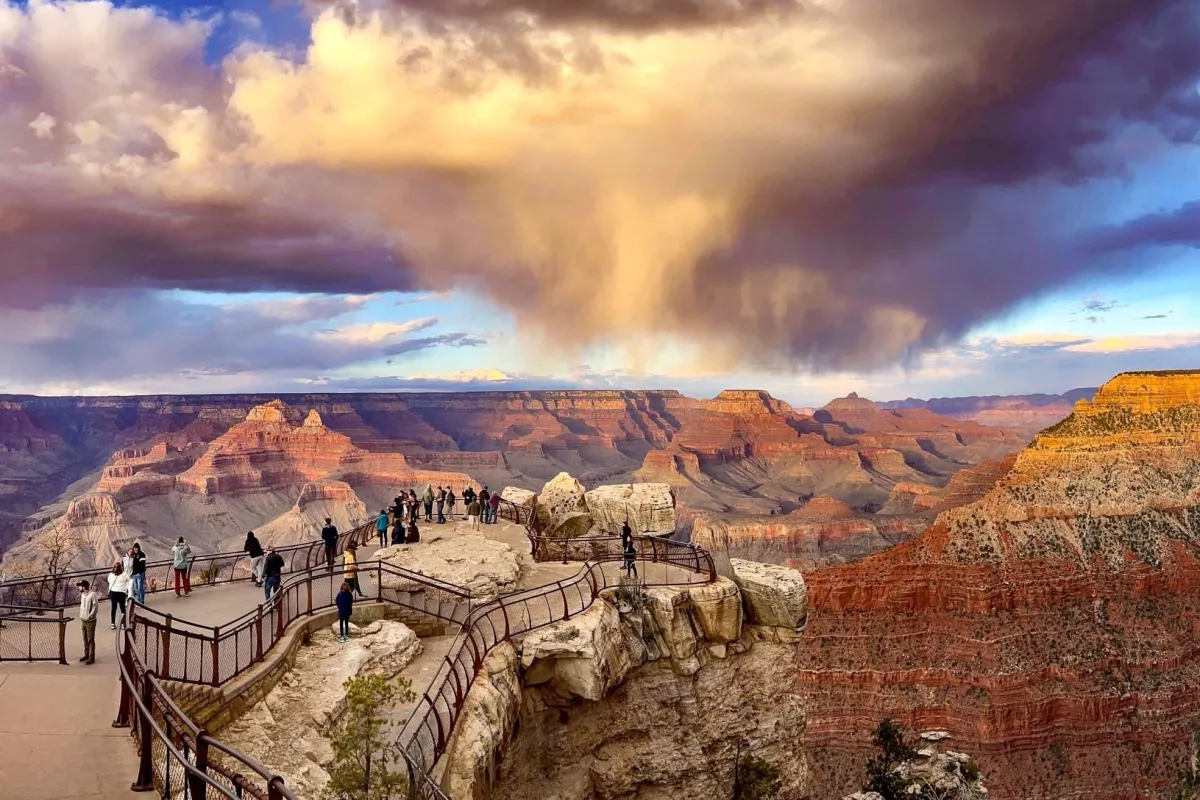
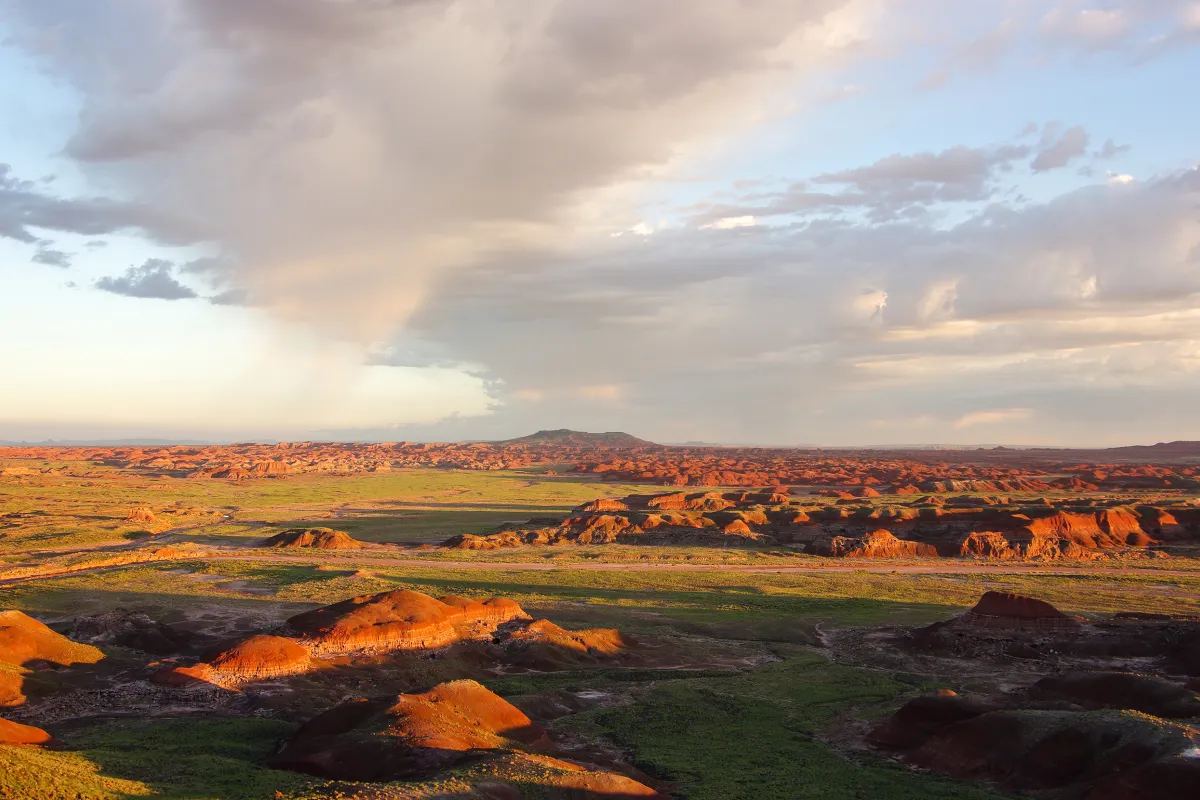
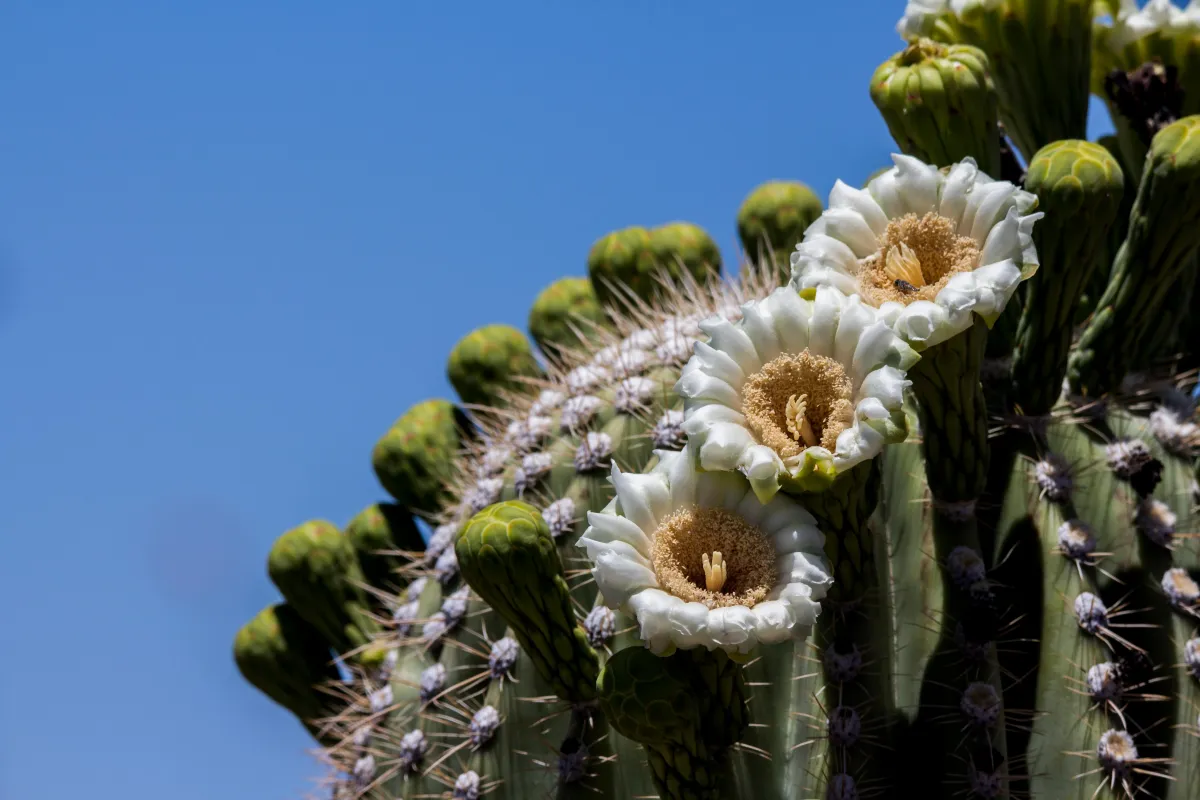
The national parks are where Arizona gets mixed. Grand Canyon and Saguaro hold dogs to the rim and the roadside areas, not the real trails, while Petrified Forest breaks the pattern and welcomes a leashed dog on every path it has.
This guide pulls it all together: the parks and their real limits, the forests where you'll spend most of your days, the BLM canyons that stay open even after the sun drops, and the state parks, each one checked against the agency that runs it.
Go up or go early. Those are the two moves that make Arizona work for a dog.
Arizona has six national forests, and every one of them welcomes leashed dogs on the trails. That's a lot more ground than a map full of cactus and heat would suggest.
Coconino and Kaibab climb around Flagstaff and the North Rim, pine country that stays cool when the desert floor is baking below.
Prescott gives you granite boulders and juniper less than an hour from the Valley, and Tonto sprawls from the low desert up into the Superstition high country, so one forest can carry you from heat to shade in an afternoon.
Coronado, down south, is really a string of sky islands, one cool mountain range after another rising straight out of the desert floor, and all of it is open to your leashed dog.
Apache-Sitgreaves fills out the high country to the east with more pine and more shade than most trailheads near Phoenix ever offer.
One rule covers all of it, in the forests and everywhere else: a 6-foot leash on the trail, no exceptions, whether or not anyone's around to check.
The BLM desert is where Arizona gets interesting. Agua Fria and Sonoran Desert National Monuments hold saguaro forest and grassland mesas that welcome a leashed dog, and Ironwood Forest and Vermilion Cliffs add more red rock and open scrub.
San Pedro Riparian and Gila Box give you actual water, rare out here, with cottonwood shade along the banks. Aravaipa Canyon Wilderness is the one BLM spot that holds dogs to limited areas, so read that page first.
So plan your dog days around the forests and the BLM desert, not the marquee parks. You'll get cooler ground and fewer rules, and still end up staring at the same sky everyone drives here to see.
Arizona's national parks don't all play by the same rules, so learn them before you build a trip around one.
Grand Canyon holds dogs to the rim and the developed areas up top, not the corridor trails down into the canyon. The rim walk alone is worth the stop, leashed dog at your side and mule deer wandering the pines.
Petrified Forest is the pleasant surprise. Leashed dogs are welcome on every trail here, painted desert and petrified logs scattered right along the path, the whole park open to a real hike.
Saguaro splits the difference. Dogs stick to the roads and picnic areas rather than the desert trails, so treat it as a scenic stop more than a hiking day.
National monuments, historic sites, recreation areas, and other Park Service land in Arizona, often more open to a leashed dog than the headline parks.
 CACHLimited access
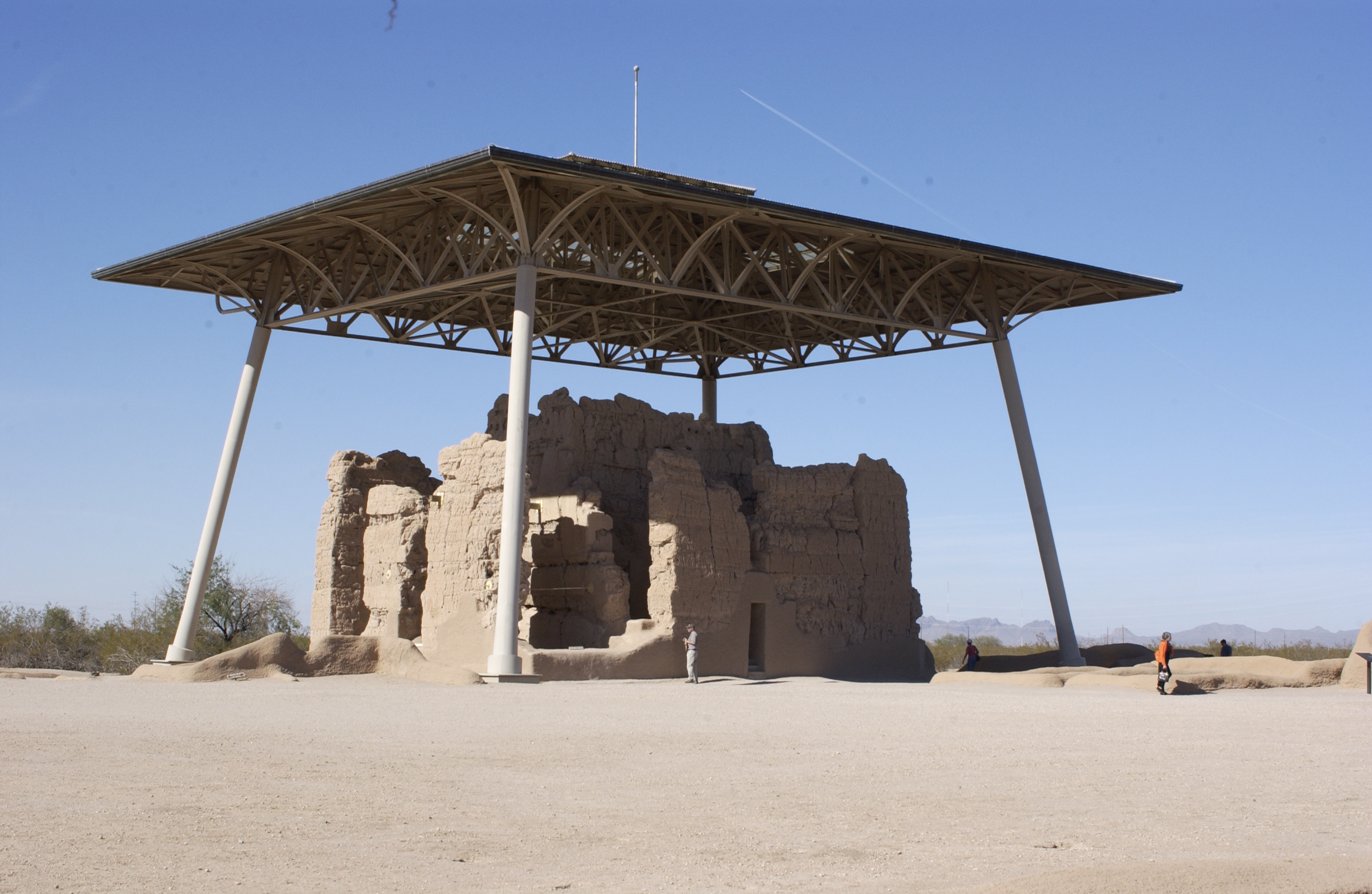 CAGRDog-friendly
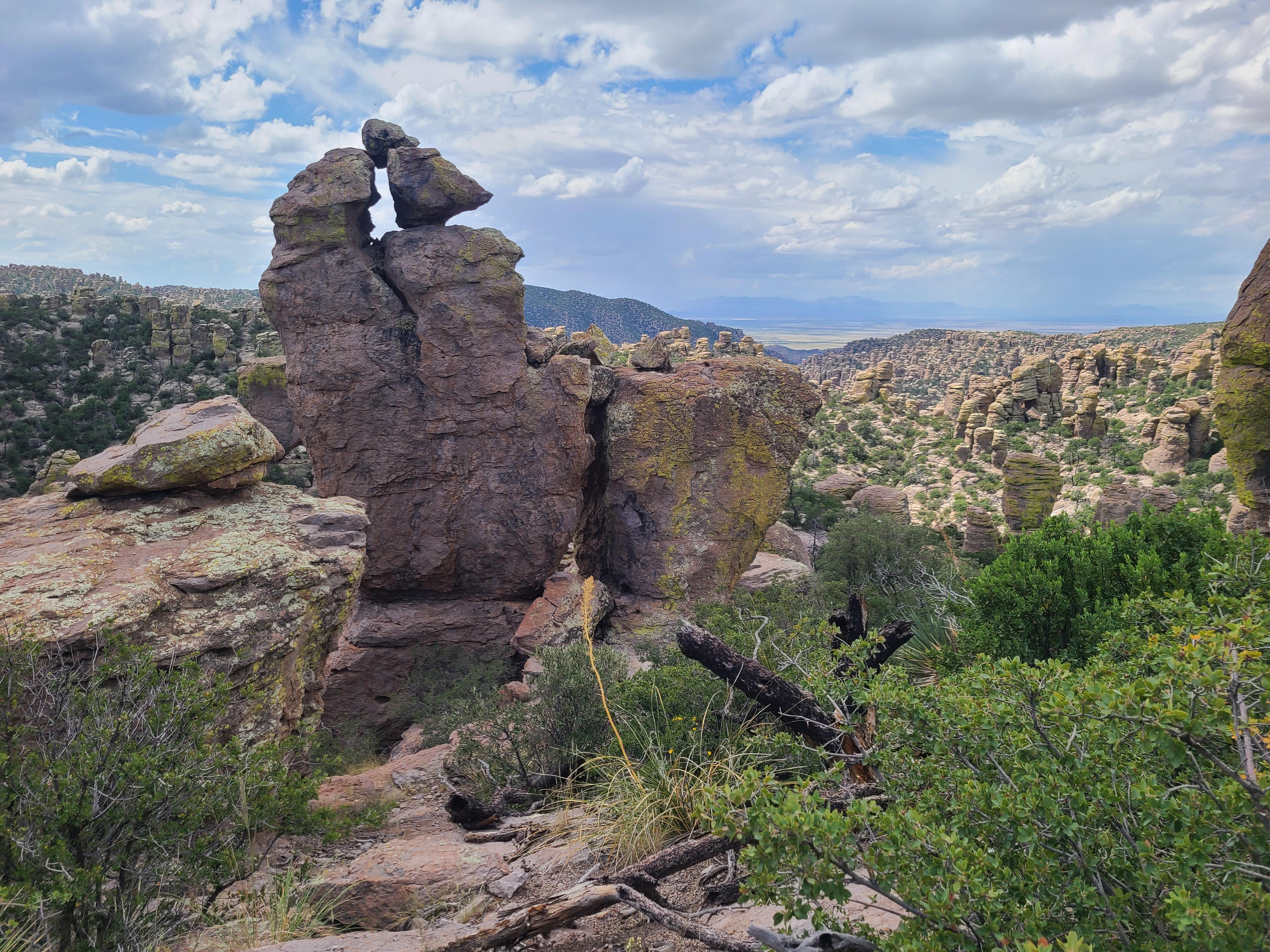 CHIRLimited access
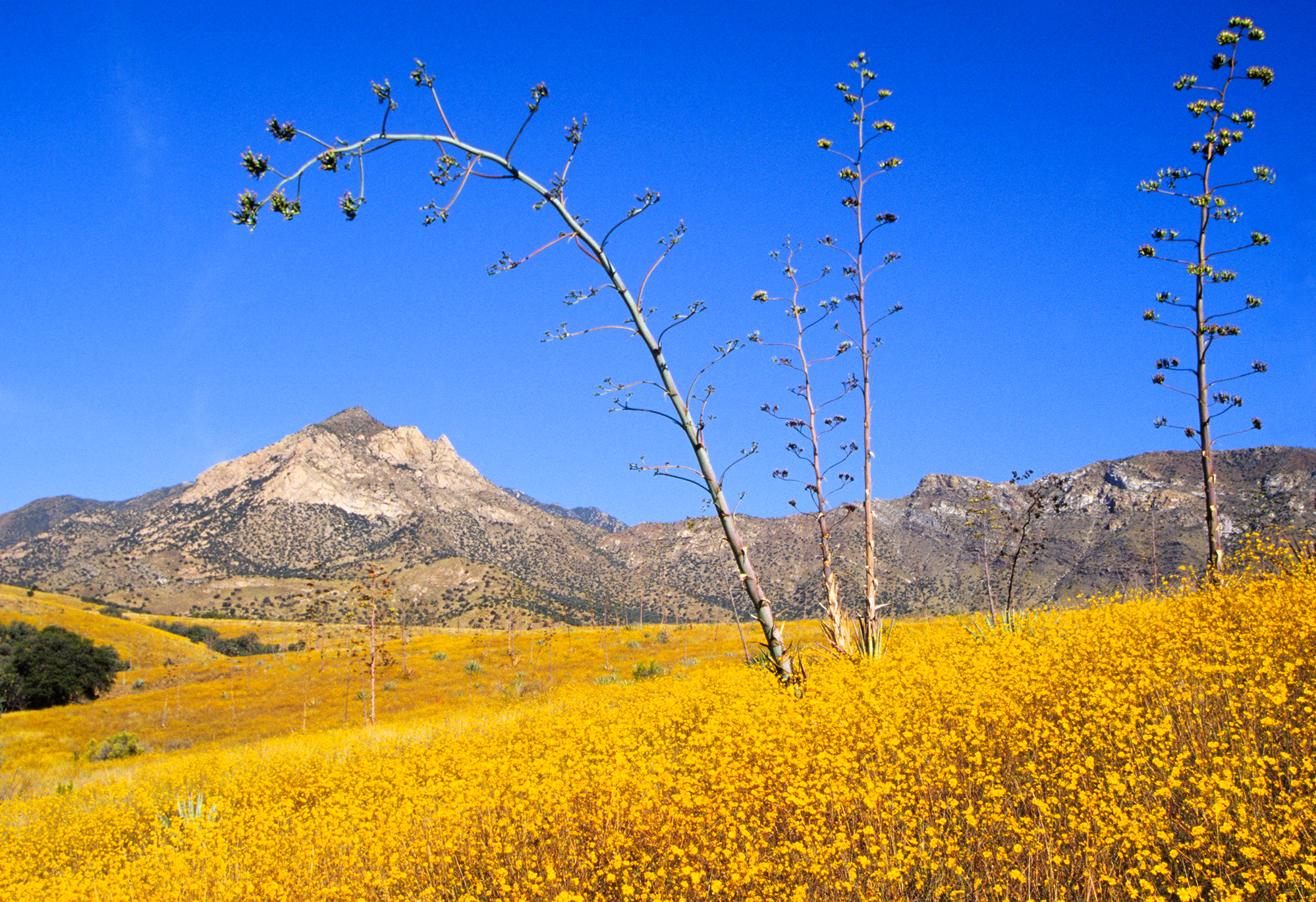 COROLimited access
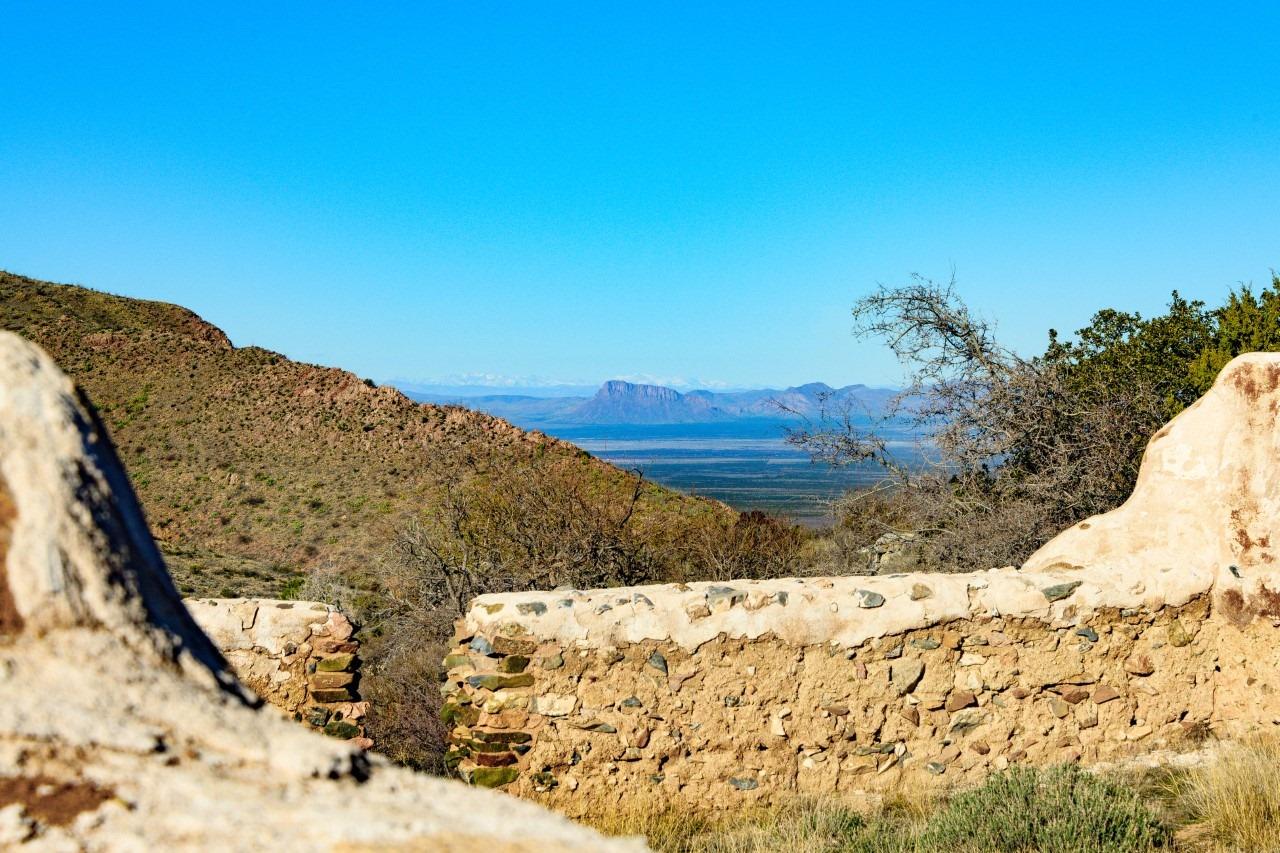 FOBODog-friendly
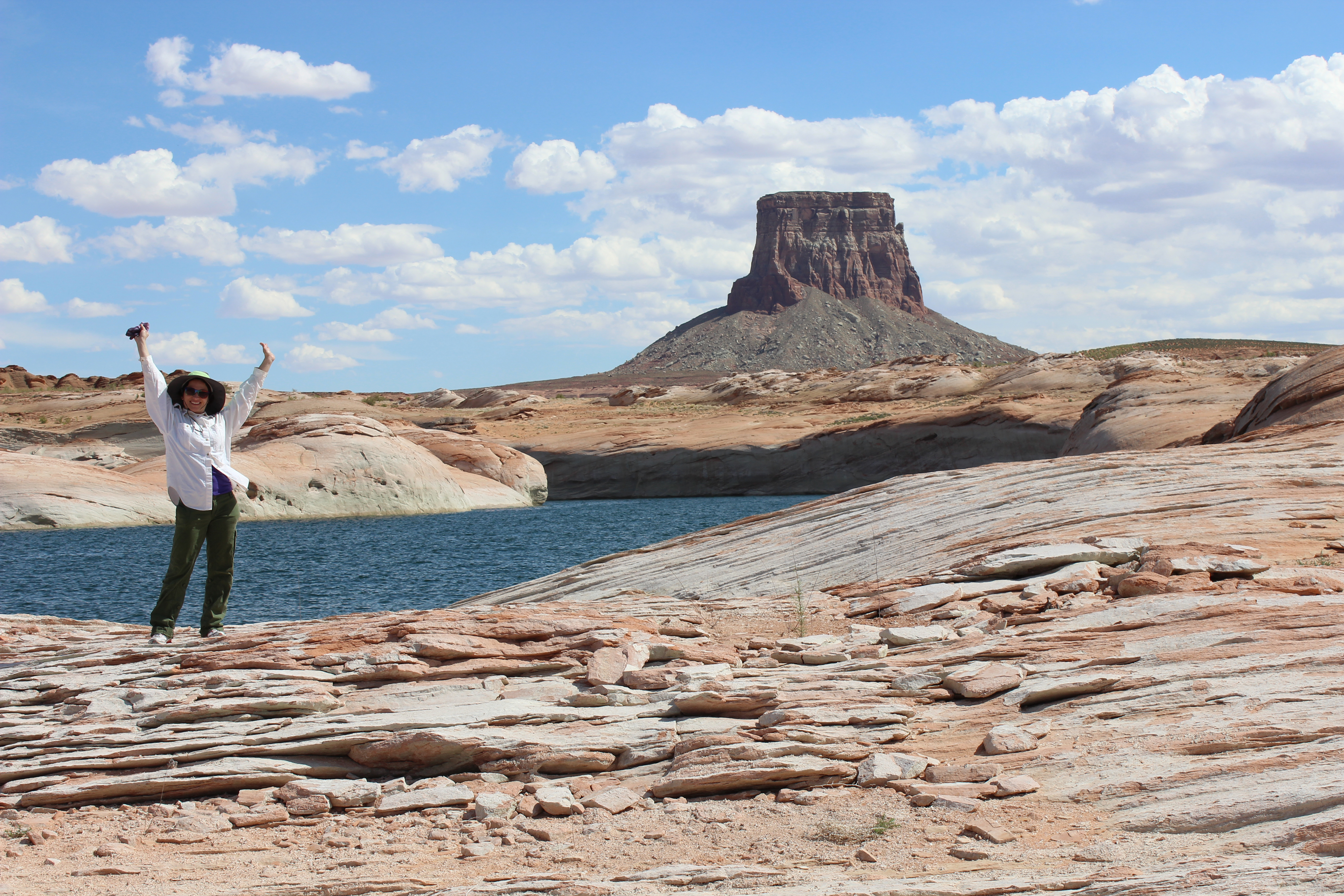 GLCADog-friendly
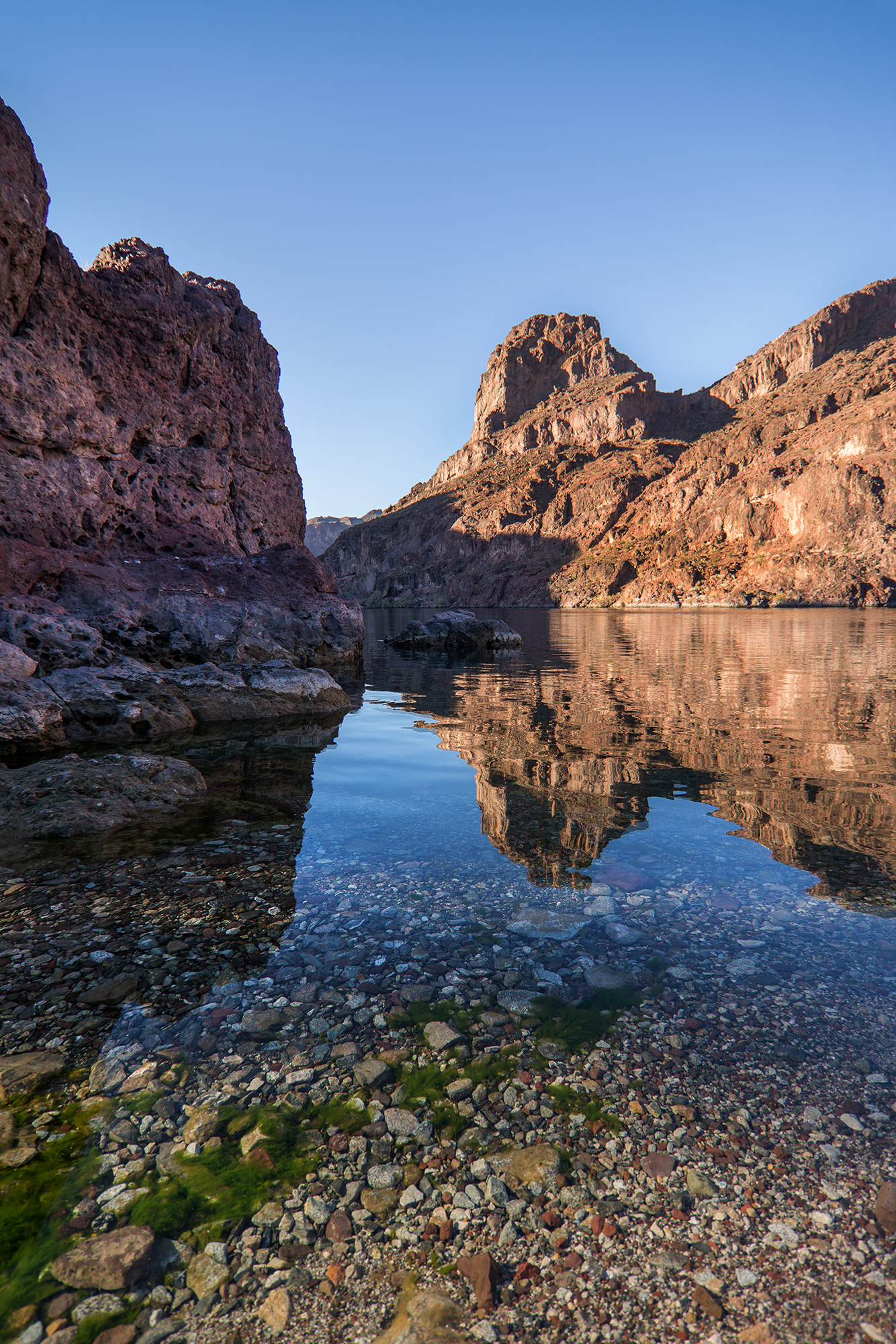 LAKEDog-friendly
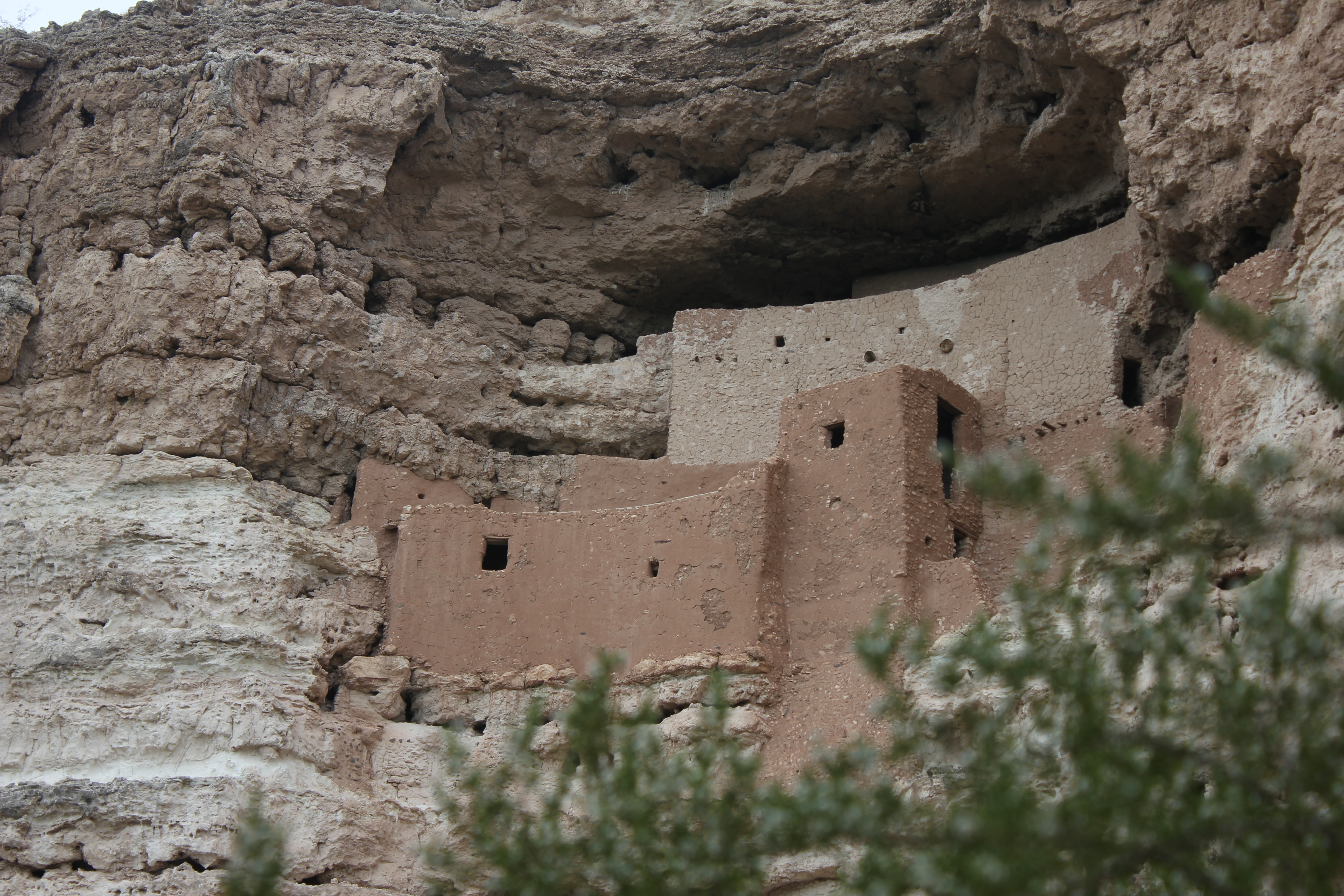 MOCADog-friendly
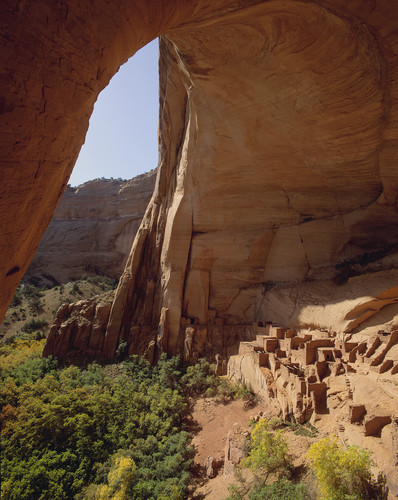 NAVALimited access
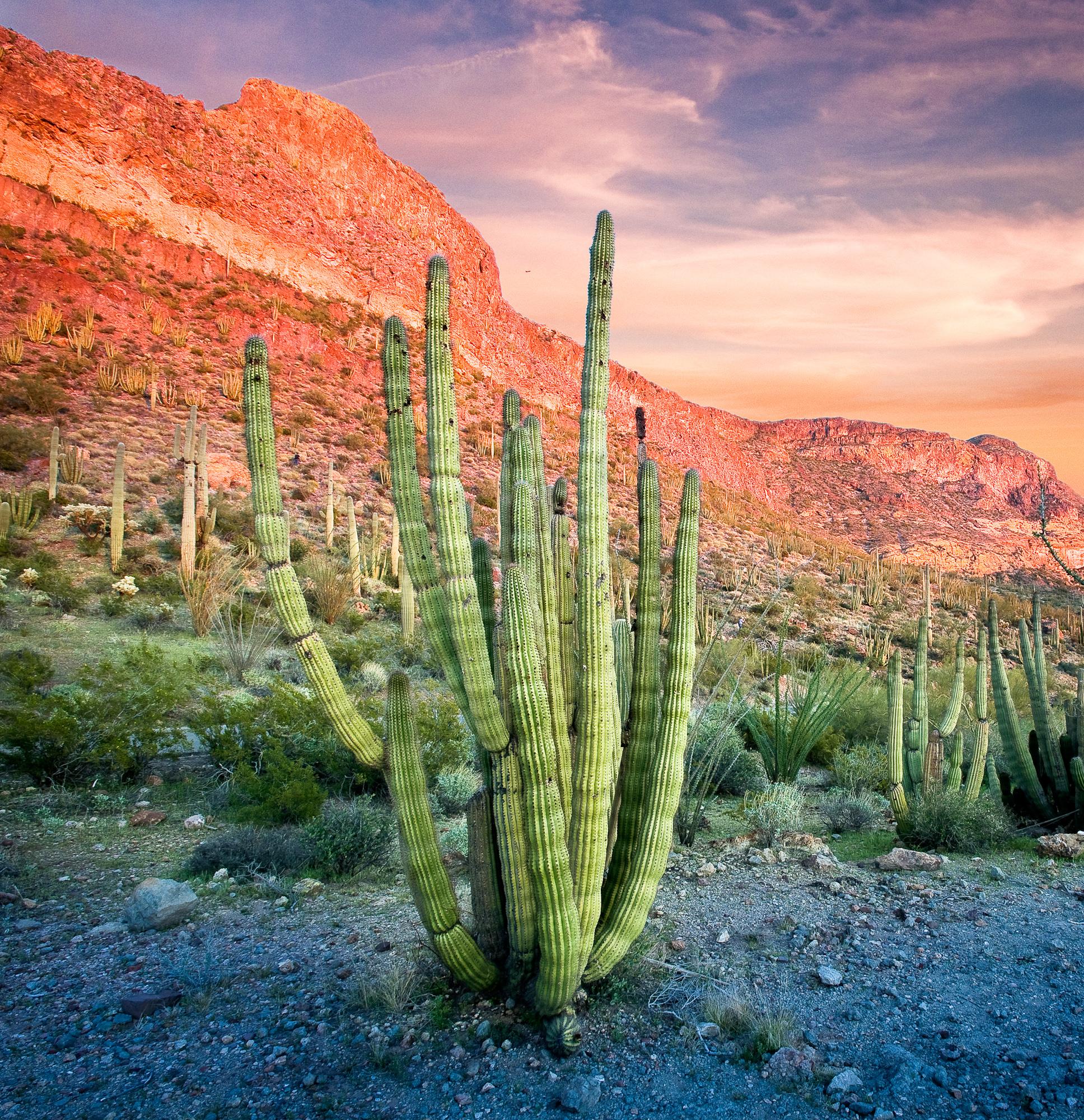 ORPILimited access
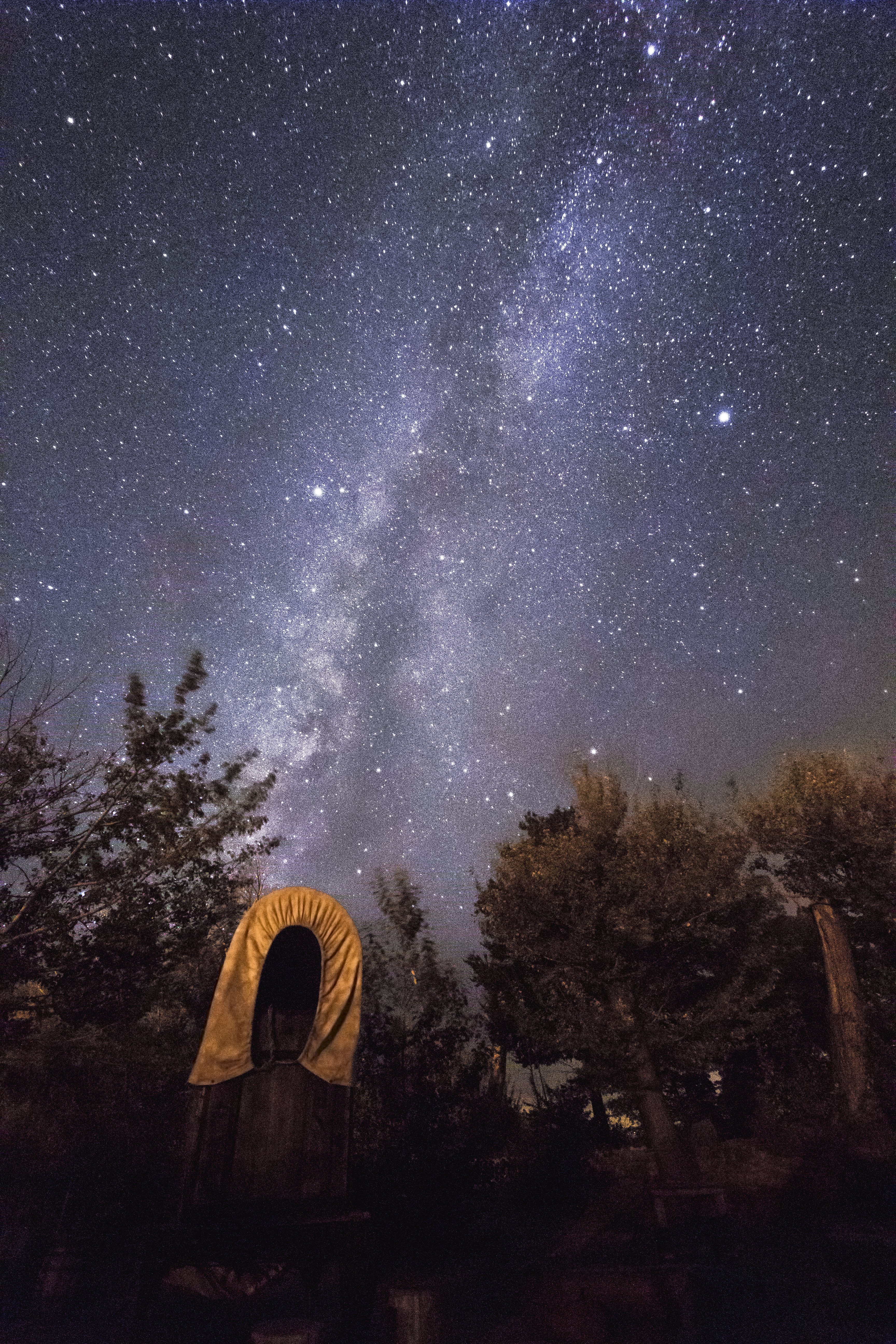 PISPBanned on trails
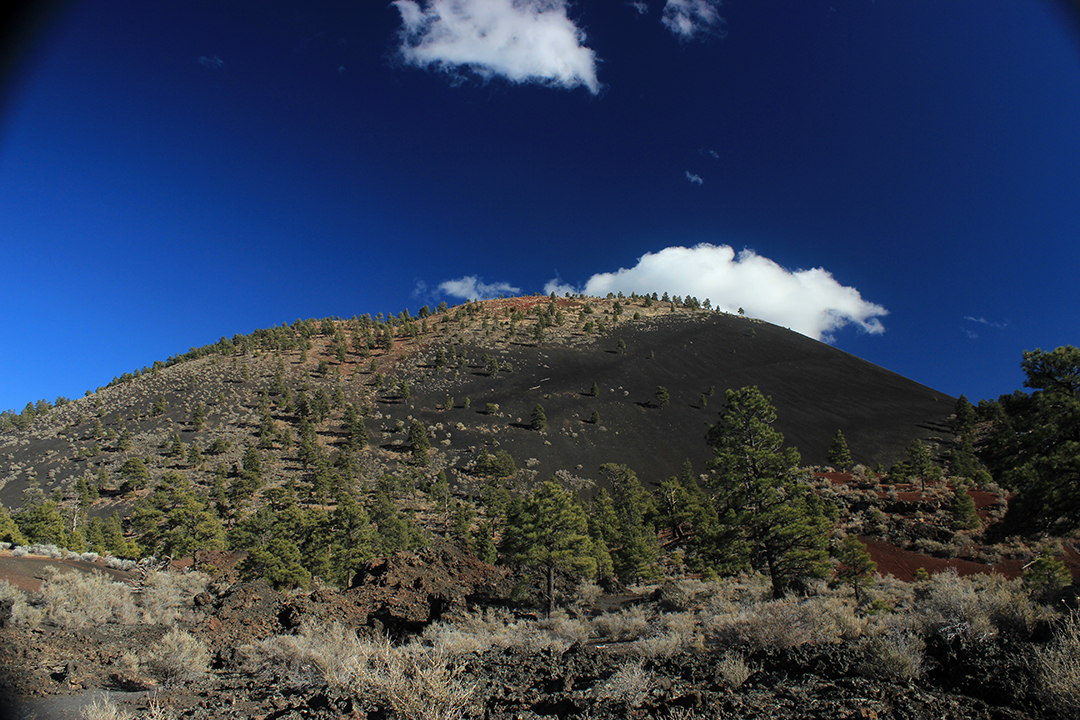 SUCRLimited access
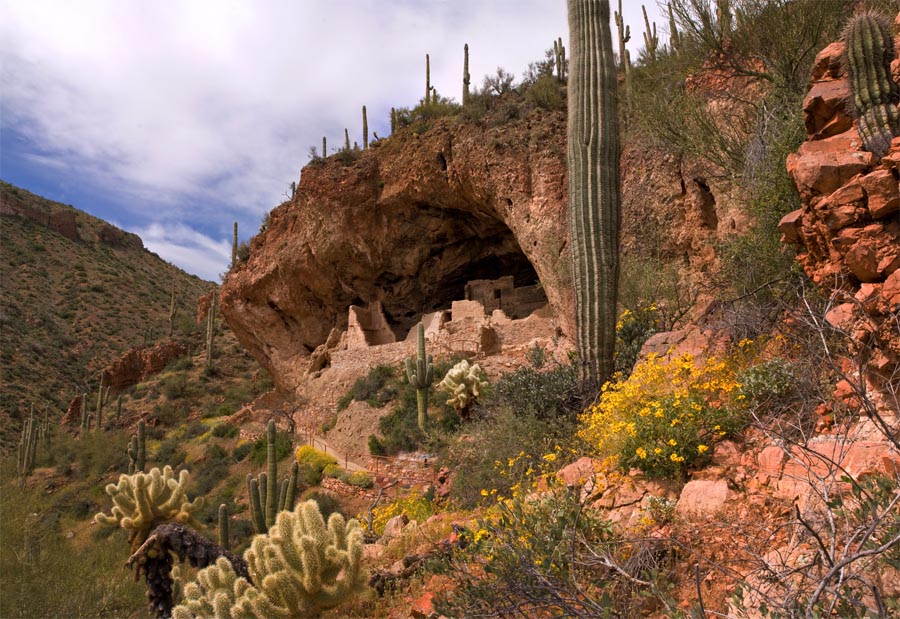 TONTLimited access
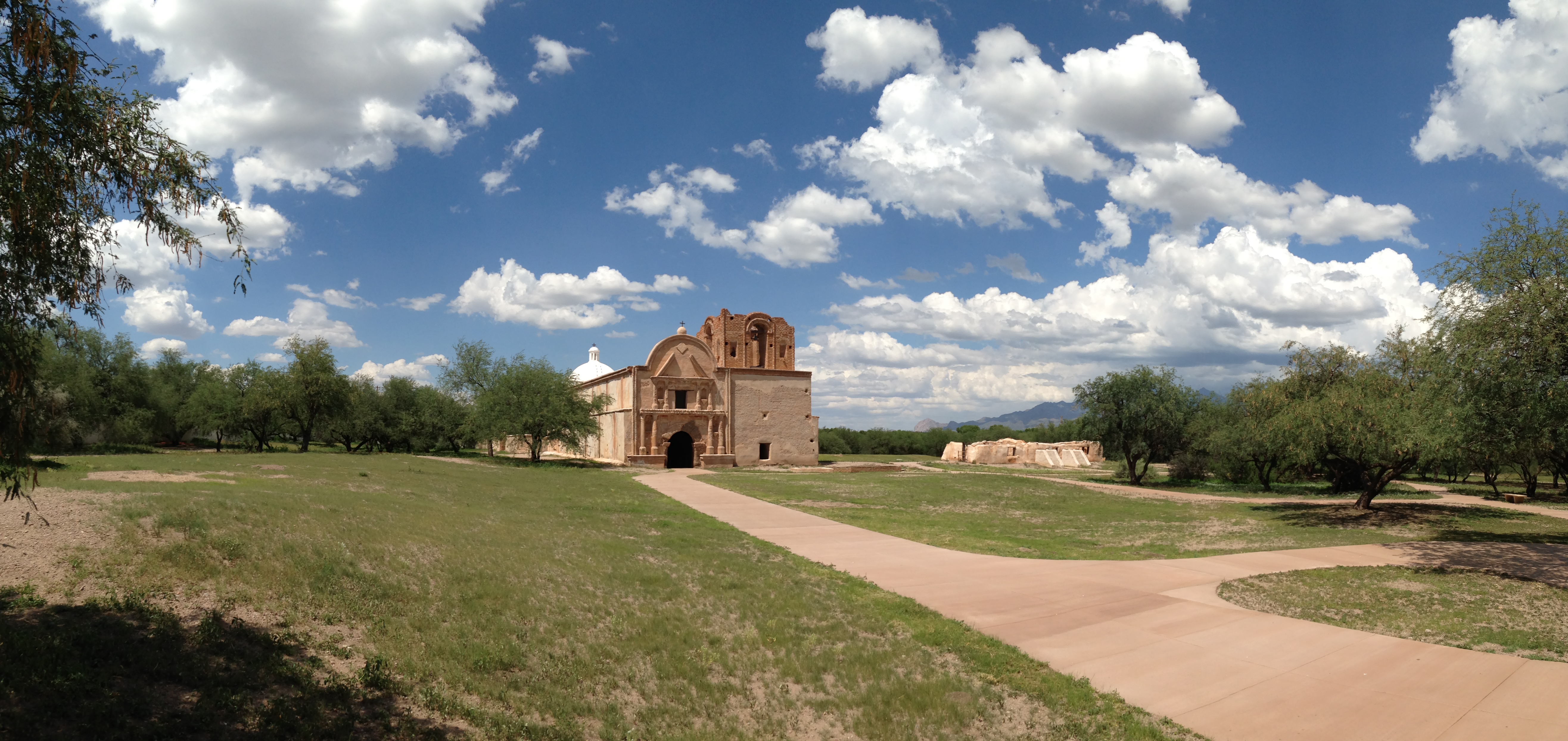 TUMALimited access
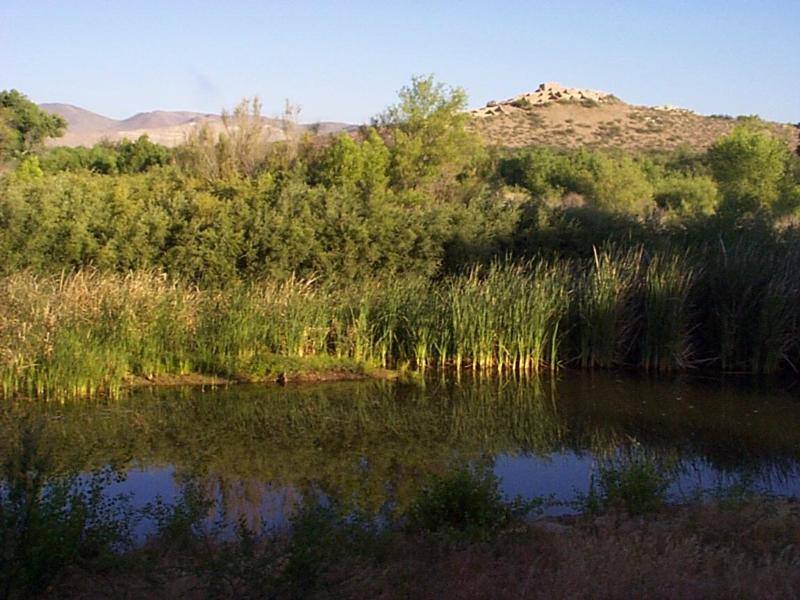 TUZIDog-friendly
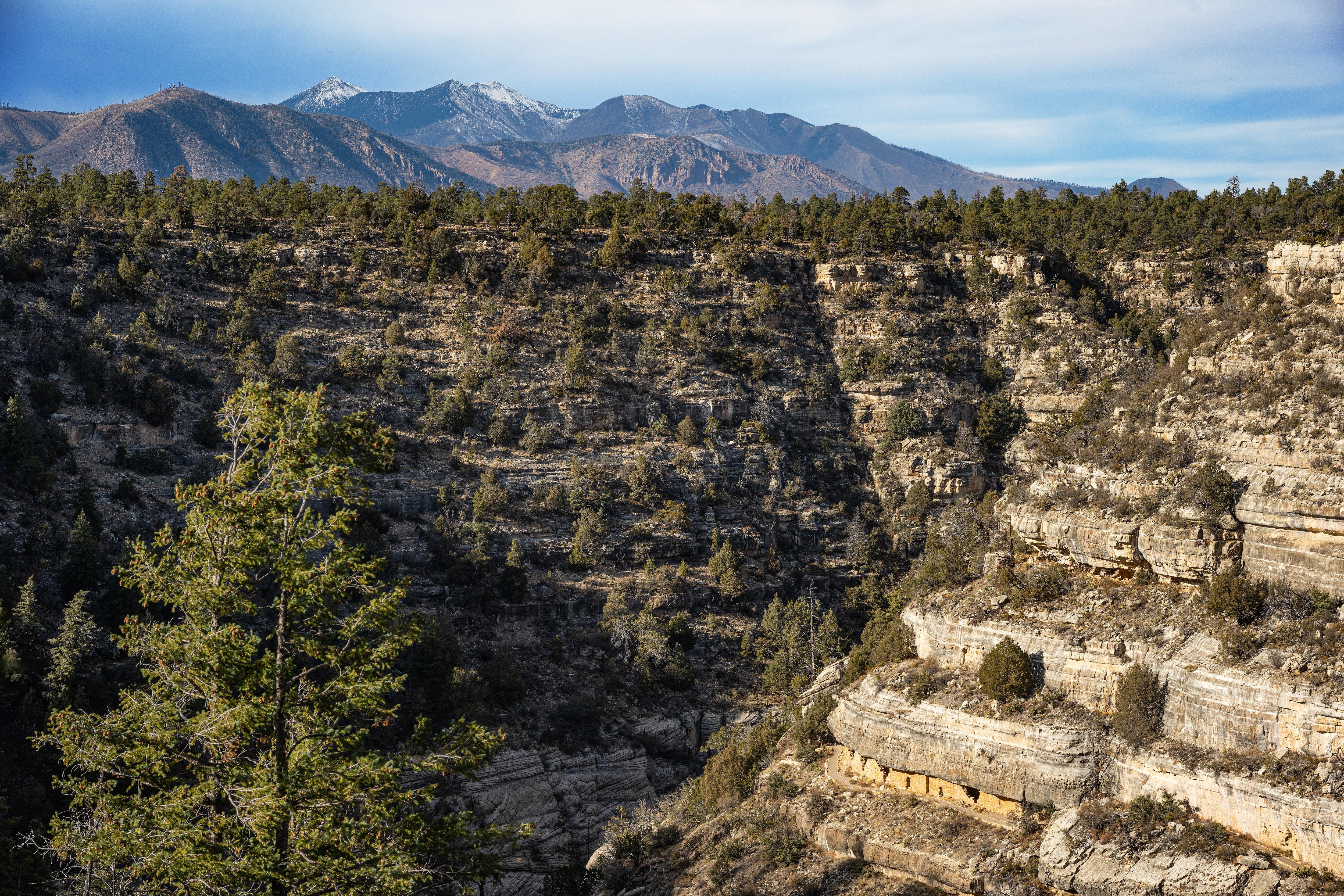 WACALimited access
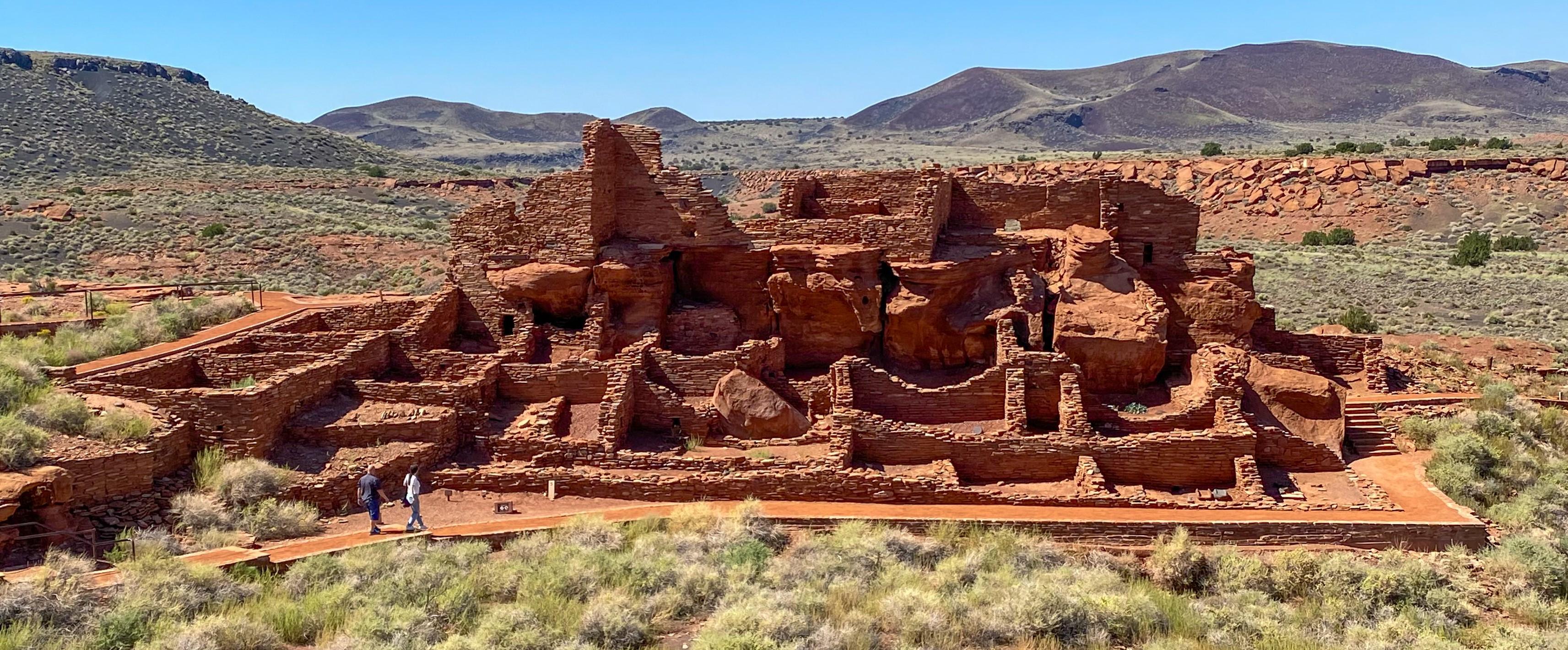 WUPABanned on trails
National forests and grasslands, broadly the friendliest federal land for a leashed dog.
Bureau of Land Management country, open and mostly welcoming to a leashed dog.
National wildlife refuges in Arizona. These protect animals first, so dogs are often limited to certain trails or kept out, but a few welcome a leashed dog.
Most Arizona state parks welcome leashed dogs on the trails, which makes the state system the easy, everywhere answer here. Yes. Most Arizona state parks welcome leashed dogs on trails.
The most-visited Arizona state parks, each checked for its own dog rule.
Heat runs the whole show in Arizona. From late spring through early fall, hike at dawn or skip the low desert entirely.
The forests run 20 to 30 degrees cooler than the valley floor in summer, so that's the real plan: go up, not out.
Test the ground with your hand before you let the dog walk on it. Pavement and packed dirt burn paws fast once the sun gets high.
Rattlesnakes come out on warm mornings and evenings, especially in the BLM desert, so keep the leash short and watch where you step.
Water is the other planning problem. Carry more than feels necessary, since long stretches of desert trail have none at all.
Winter flips the whole map. That's when the low desert is perfect and the high forests start locking up with snow.
Desert and slickrock heat up fast and are hard on paws, so pack for heat and water before anything else.
Every rule here comes straight from the agency that runs the land, the National Park Service, the Forest Service, the BLM, or the Arizona state park system, and each place is date-stamped on its own page. Dog policies change with the season and the site, so use this to plan and always confirm on the official page before you load up the car. More on how we check it in our methodology.
Go early, go high when it's hot, and let Petrified Forest be your easy national park win. The rest of Arizona opens right up for a dog once you learn to work around the sun.
Yes. Arizona has 50 verified federal and state areas in this guide, and most of the state parks welcome leashed dogs on the trails. The national parks tend to be the strict ones, so those are listed separately below.
These national parks allow leashed dogs on at least some trails: Petrified Forest. Check each page for the exact trails, since park rules are the tightest we cover.
Yes. Most Arizona state parks welcome leashed dogs on trails. Leashed dogs are generally allowed on trails, in campgrounds, and day-use areas across Arizona State Parks.
The tightest rules are usually inside the national parks and around sensitive wildlife or water areas. Swim beaches, some nature preserves, playgrounds, and park buildings are typically off-limits. Rules vary by park.