

California throws a lot at you. It is the biggest map in this whole guide, and the rules on where your dog can walk shift depending on who owns the ground under your boots.
Here is the short version. The state park system runs stricter than most, and the marquee national parks mostly keep dogs off the trails and hold them to pavement instead. That is the mixed part.
Yosemite, Sequoia, Kings Canyon, Joshua Tree, Lassen Volcanic and Pinnacles all shut the trail door on a leashed dog. Redwood cracks it open a little, and Channel Islands closes it completely.
This guide sorts out where a dog actually gets to hike here, the state parks and the federal ground both, each one checked against the agency that runs it, with the rule and the link right on the page.
Skip the marquee parks and California opens right up. The national forests alone would keep a dog busy for years.
Angeles, Cleveland and San Bernardino climb out of the Los Angeles basin fast, so a short drive gets you real mountain air and a leashed trail.
Head up the spine of the Sierra and you hit Sequoia, Sierra, Inyo, Stanislaus, Eldorado, Tahoe and Humboldt-Toiyabe National Forests, one after another, plus Lake Tahoe Basin, where dogs are held to certain trails.
Up north it keeps going. Shasta-Trinity, Klamath, Six Rivers, Mendocino, Modoc, Lassen, Plumas and Rogue River-Siskiyou cover the mountains toward Oregon, and Los Padres holds the central coast ranges.
One rule carries the whole state: a 6-foot leash in developed spots, your dog under control on the trail.
Then there is the BLM desert, which might be California's best-kept secret for a dog owner.
Mojave Trails, Sand to Snow, Chuckwalla and Amboy Crater open up the low desert, and Trona Pinnacles, Rainbow Basin and the Alabama Hills give you rock formations that look like a movie set, because plenty of them have been.
Carrizo Plain and the Santa Rosa and San Jacinto Mountains hold dogs to limited ground, so check those two before you load up.
Closer to the coast, the California Coastal National Monument, King Range, Headwaters Forest Reserve and Berryessa Snow Mountain add cliff, redwood and oak ridge, and the OHV spots like Imperial Sand Dunes, Dumont Dunes, El Mirage and Johnson Valley are wide open if your dog does not mind engine noise.
Plan your dog days around the forests and the BLM land, not the marquee parks. You get more trail, fewer rules, and the same mountains everyone drives out here to see.
California's national parks are where the state turns strict, and there are enough of them to need a scorecard.
Yosemite holds dogs to the developed areas, roads and overlooks, not the trails. The valley floor and the campgrounds are yours, the granite beyond them is not.
Sequoia allows no dogs on any trail, developed areas only. The big trees are a walk for you alone.
Kings Canyon runs the same rule as its neighbor Sequoia: no dogs on any trail, developed areas only.
Lassen Volcanic keeps the same rule too: no dogs on any trail, developed areas only. Save your hiking day for the forest outside the boundary.
Pinnacles is the same story, no dogs on any trail, developed areas only, even with the condors circling overhead.
Joshua Tree keeps the same rule, no dogs on any trail, developed areas only, even though the desert on every side of the park is wide open once you leave it.
Redwood is the partial exception. Dogs stick to developed areas, roads and overlooks, not the trails, though a couple of short paved stretches still get you close to the big trees.
Channel Islands closes the door completely: no pets at all. Leave the dog on the mainland for that one.
Death Valley reaches across the state line and keeps dogs off the trails completely. They are allowed on the roads and in the developed areas only, which in that heat is about all you would want anyway.
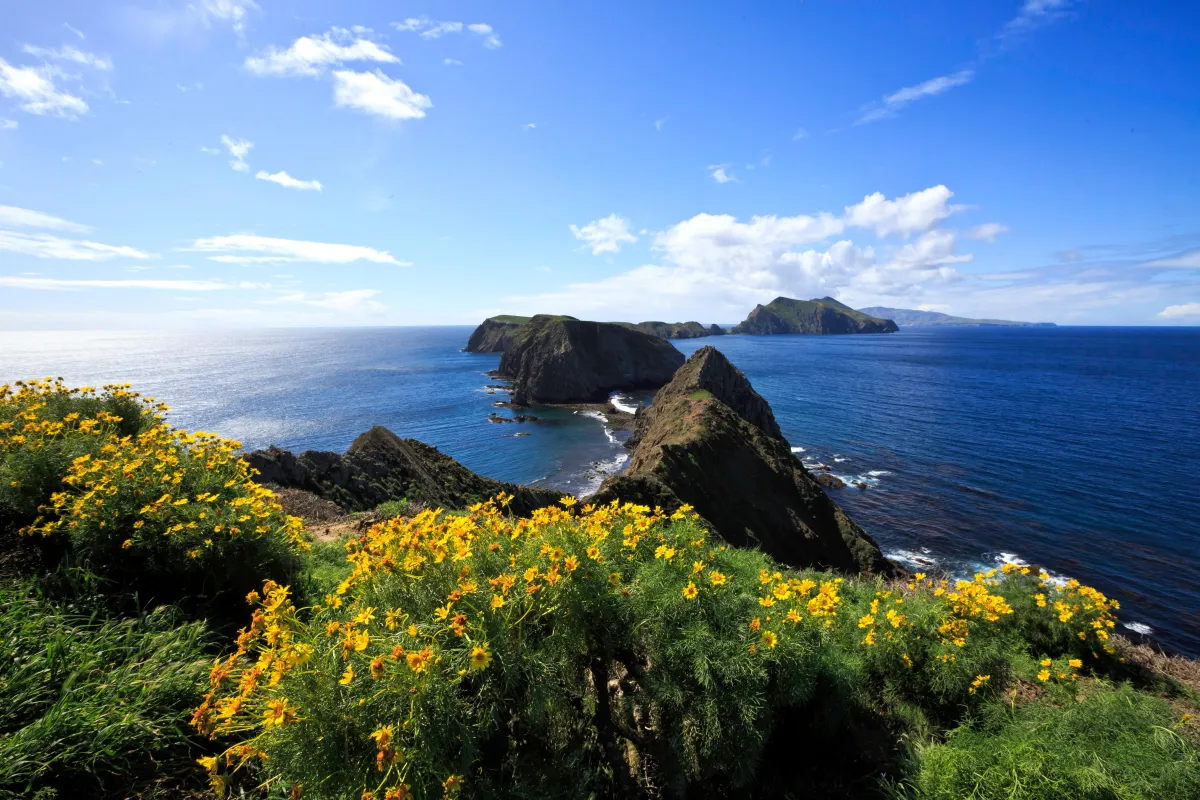 CHISNo pets allowed
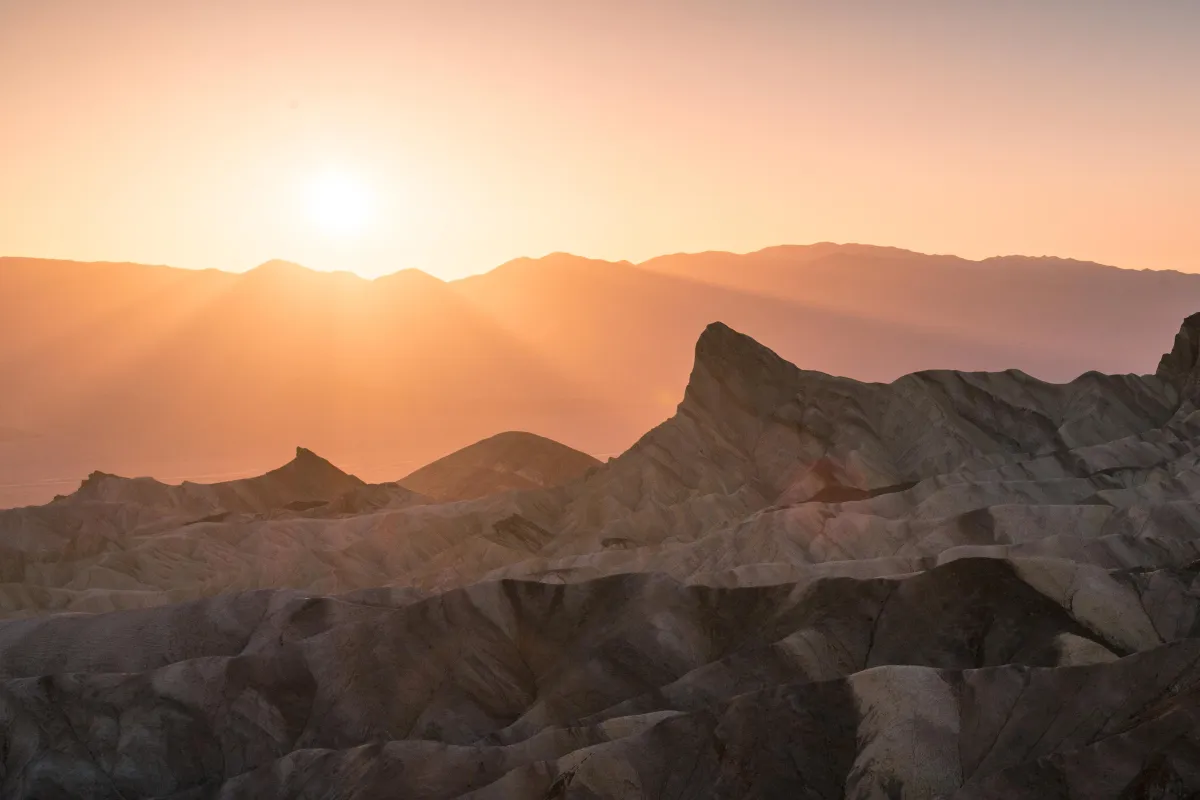 DEVABanned on trails
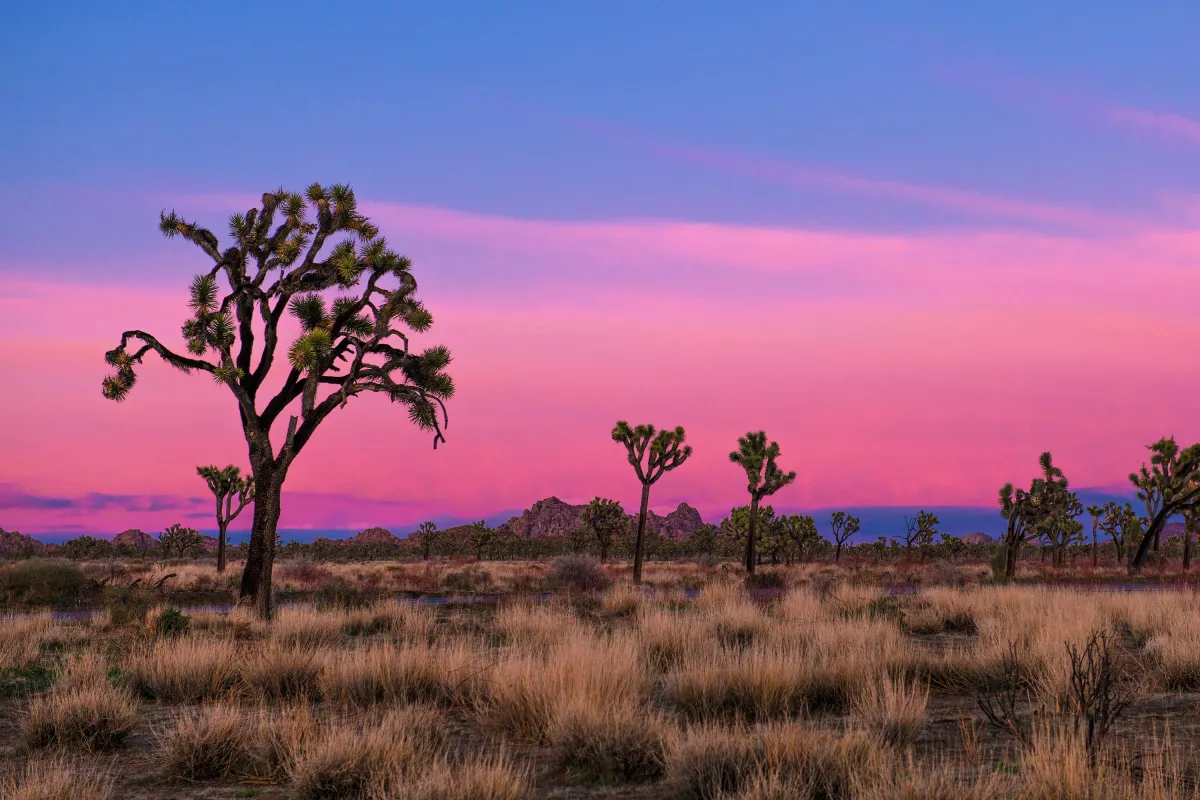 JOTRBanned on trails
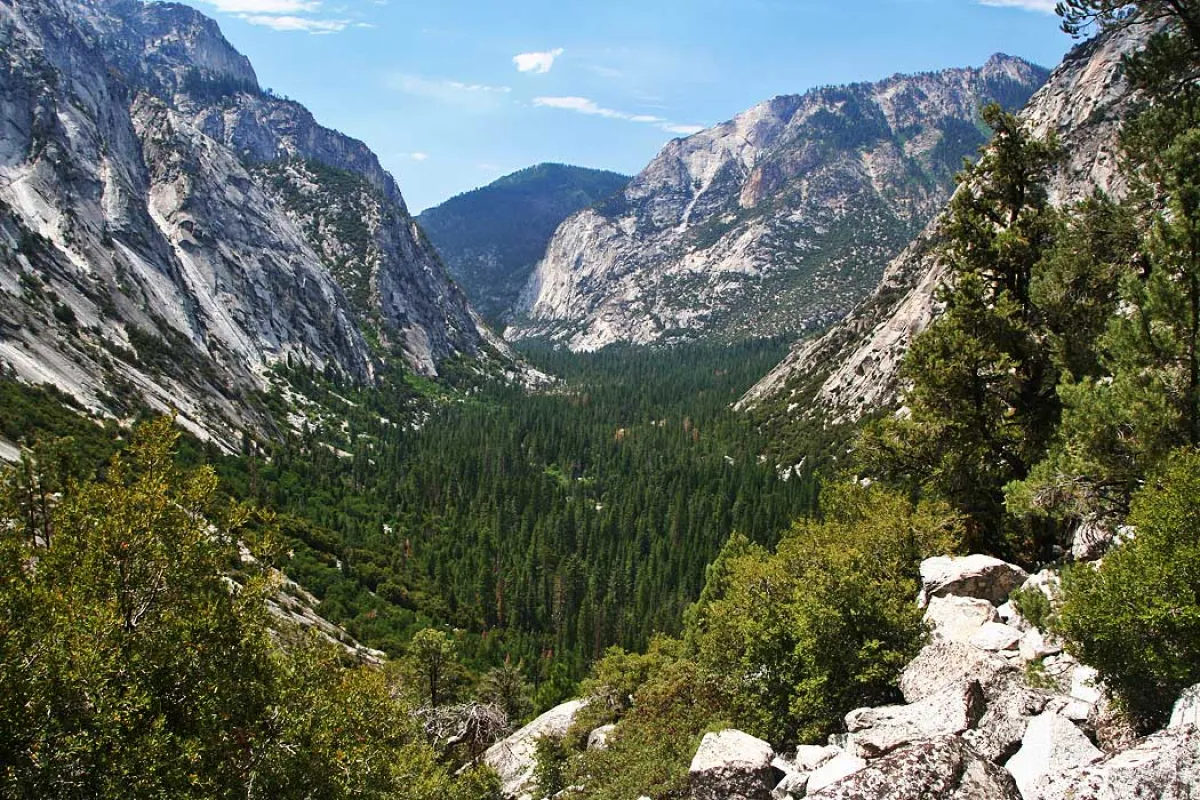 SEKIBanned on trails
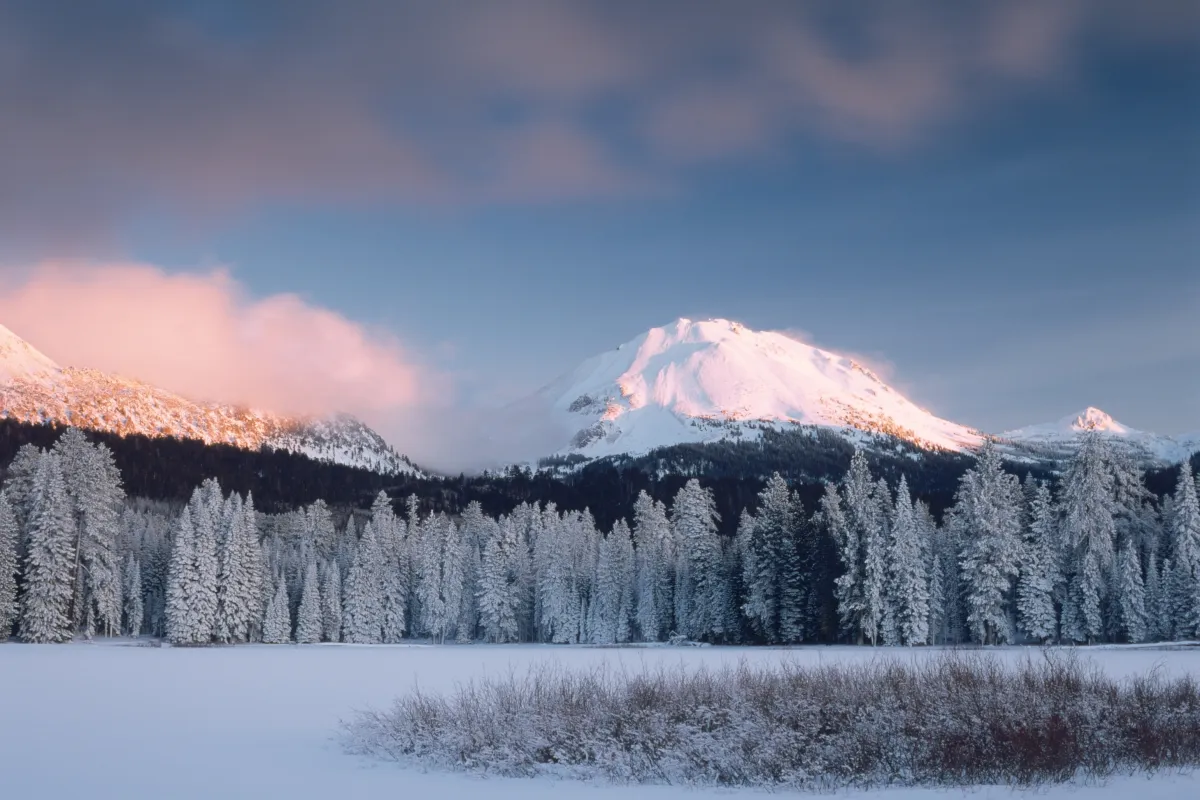 LAVOBanned on trails
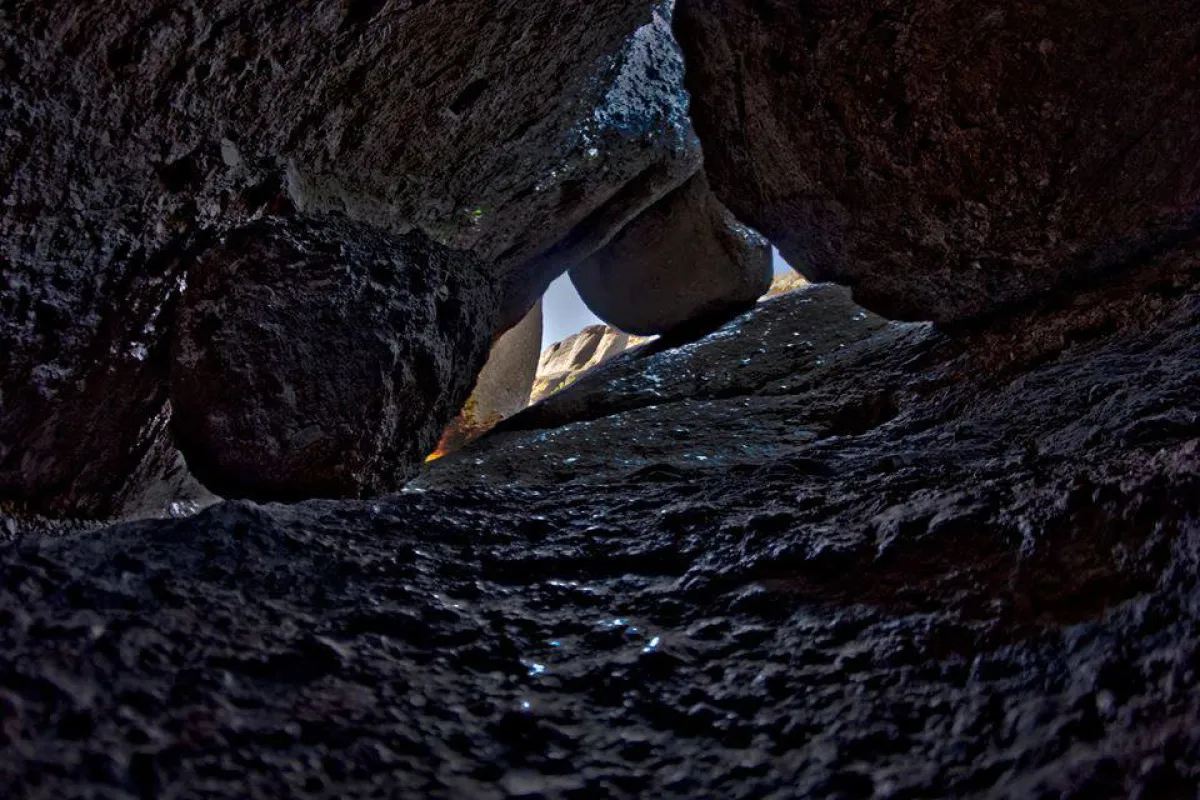 PINNBanned on trails
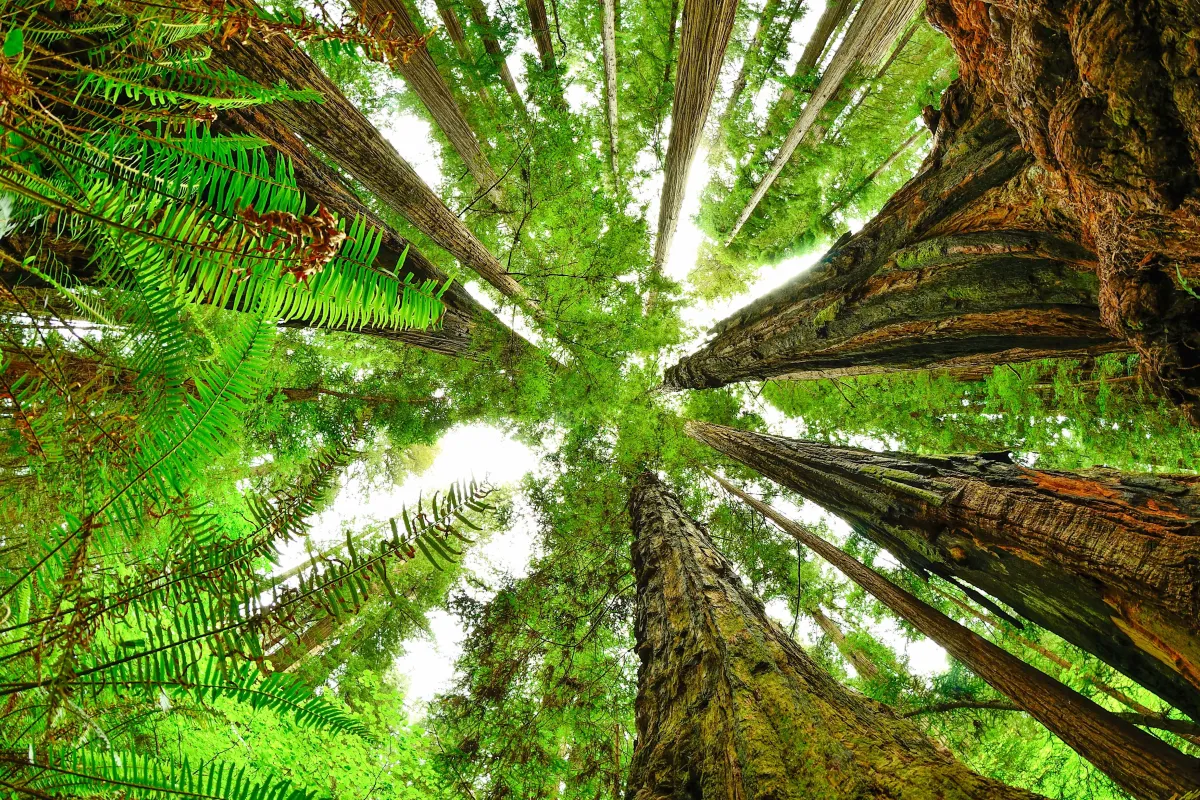 REDWLimited access
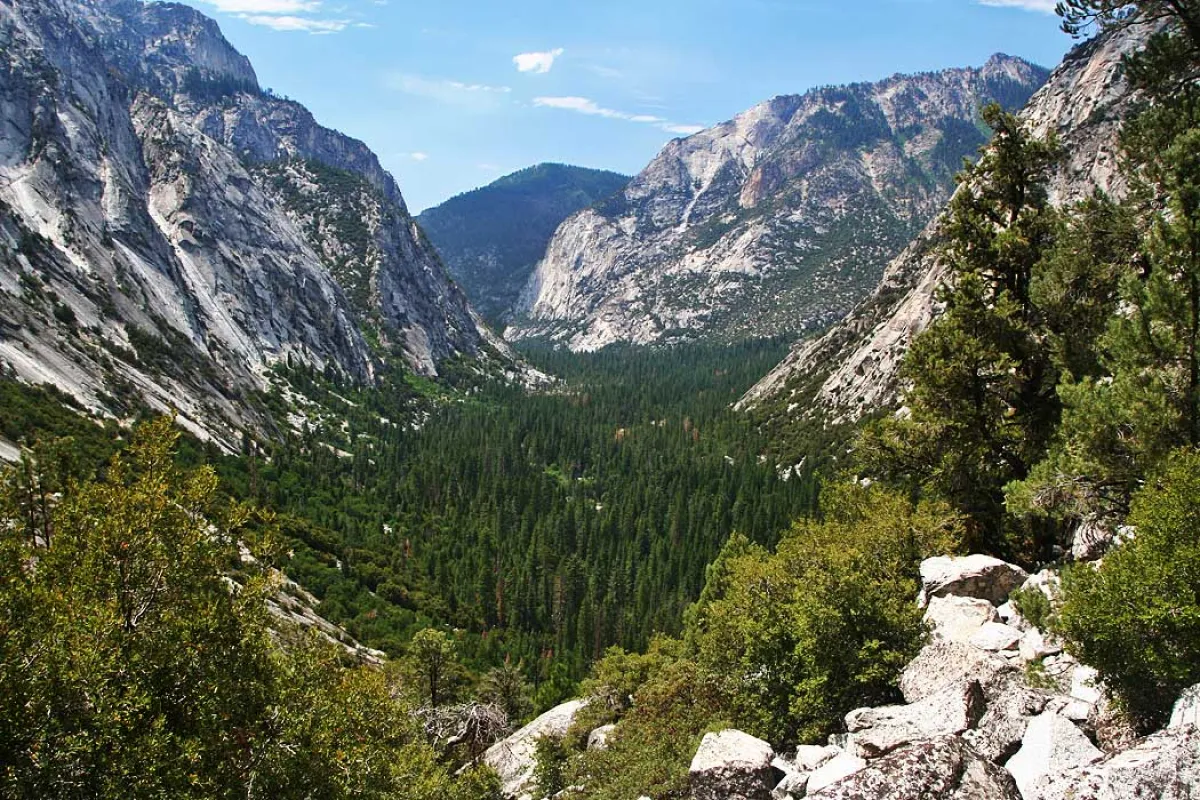 SEKIBanned on trails
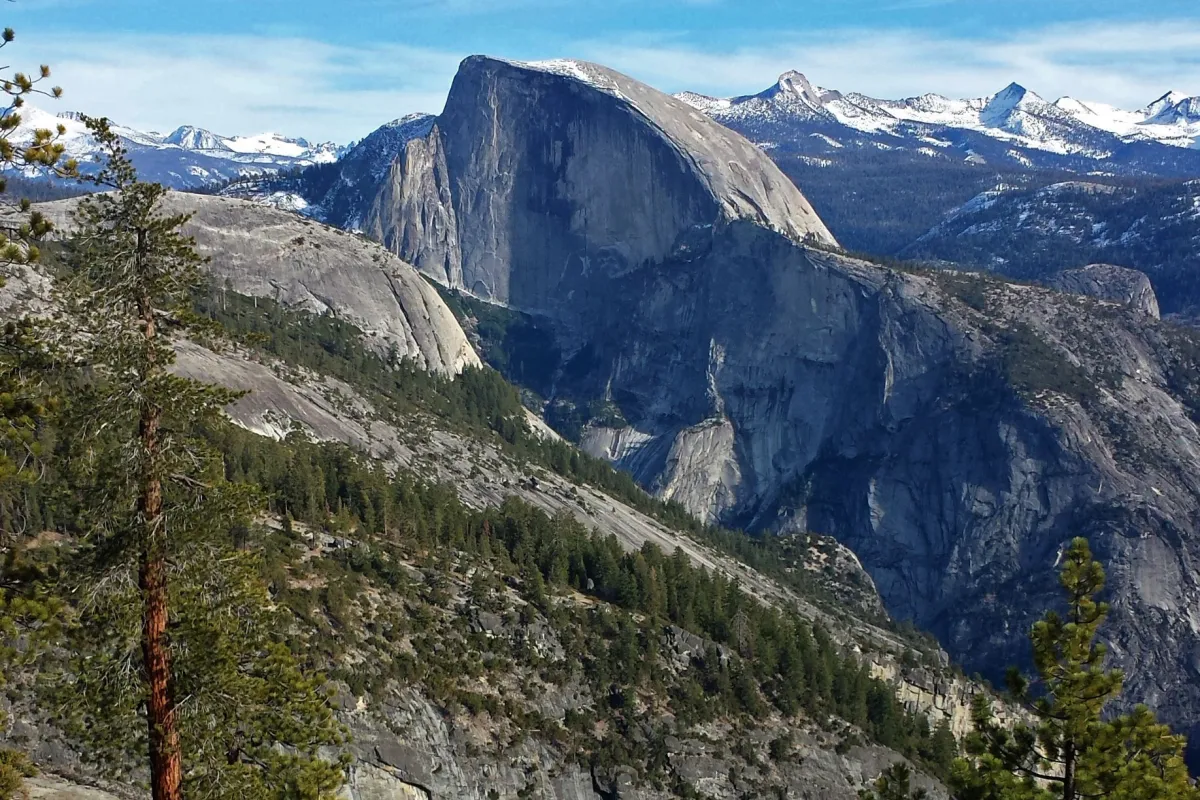 YOSELimited access
National monuments, historic sites, recreation areas, and other Park Service land in California, often more open to a leashed dog than the headline parks.
 ALCANo pets allowed
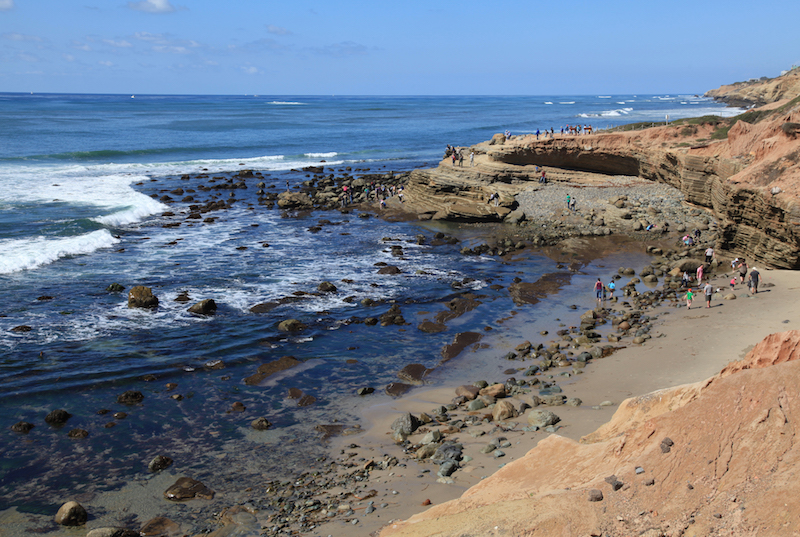 CABRLimited access
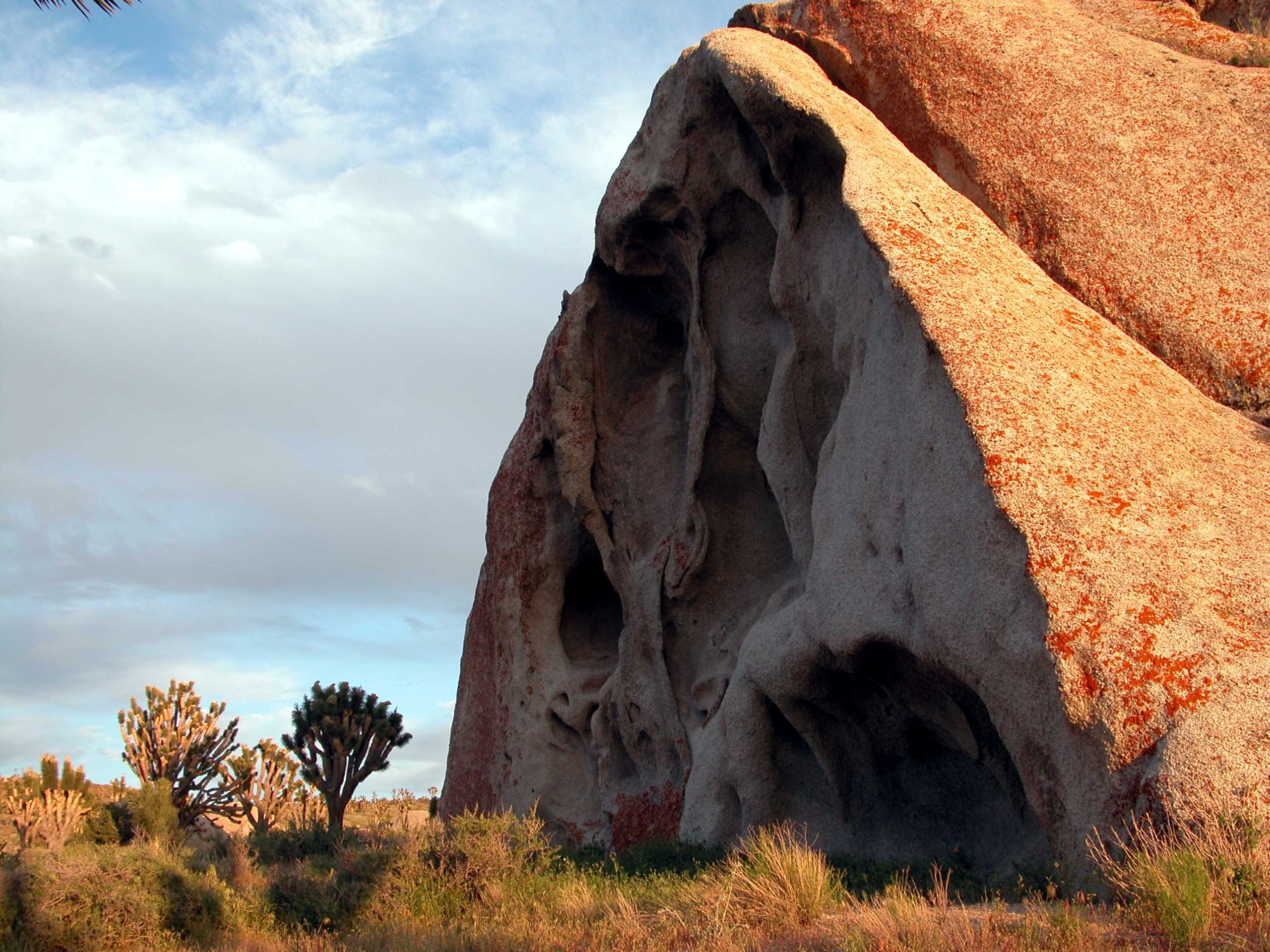 CAMONo pets allowed
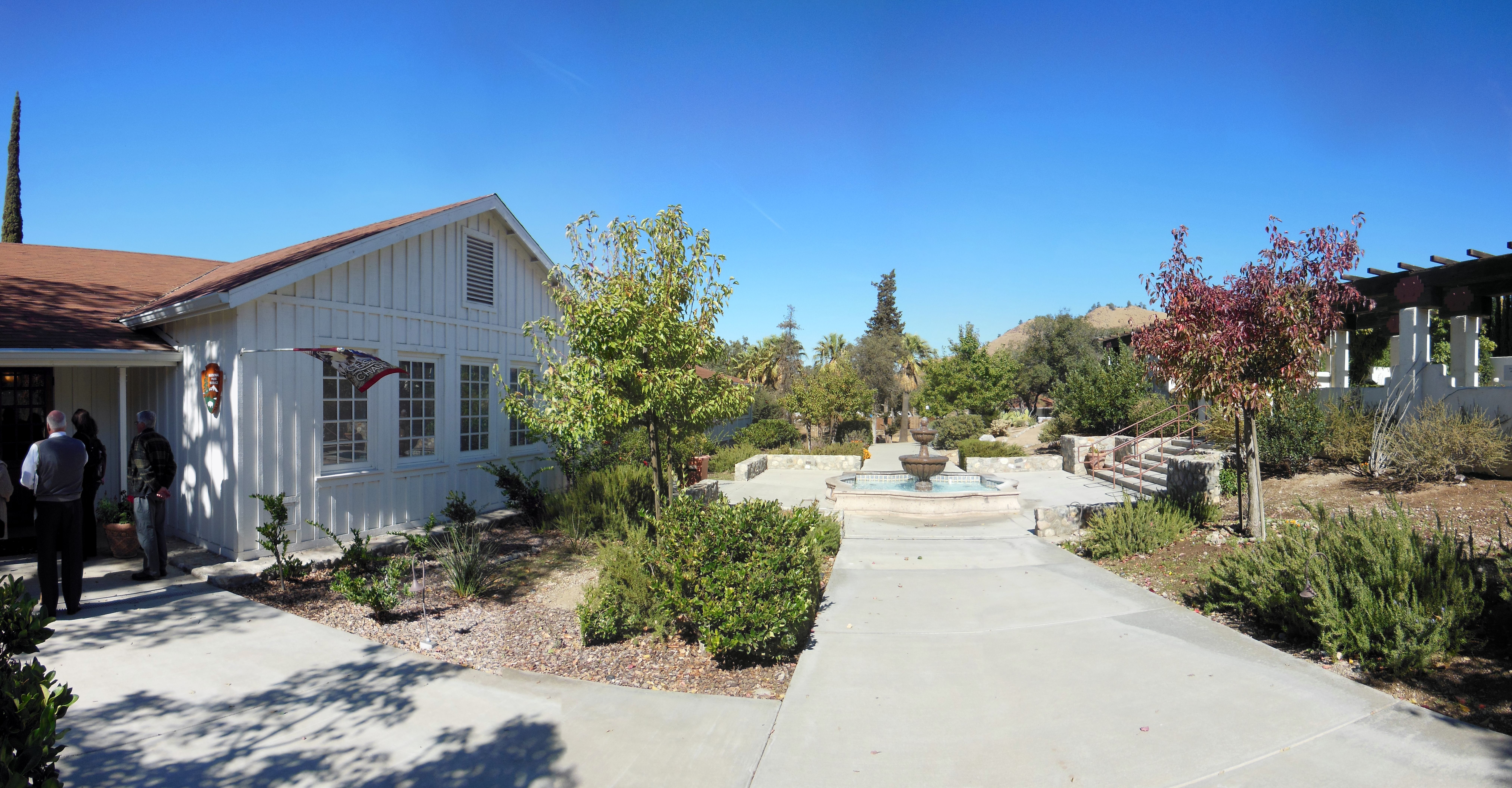 CECHLimited access
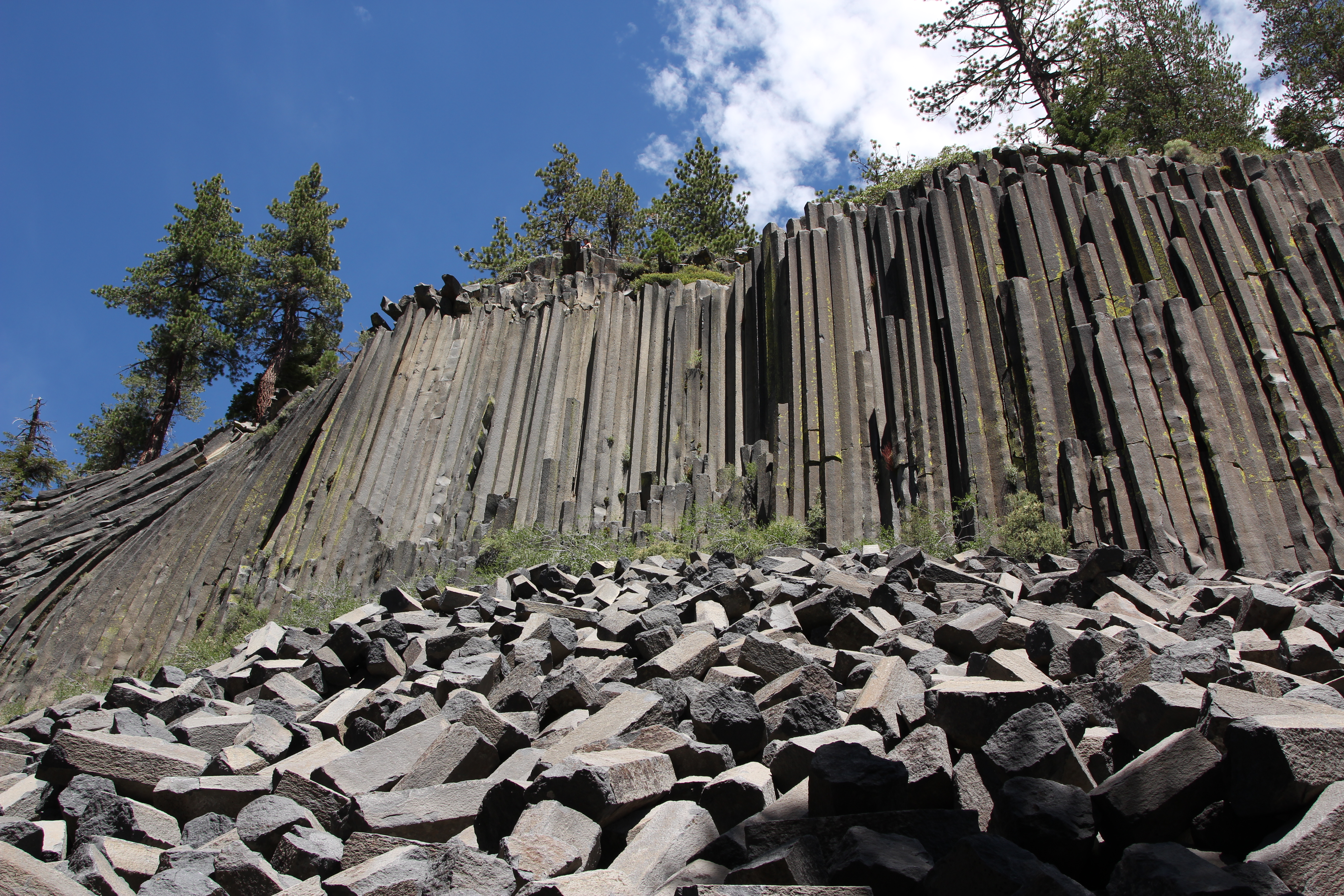 DEPODog-friendly
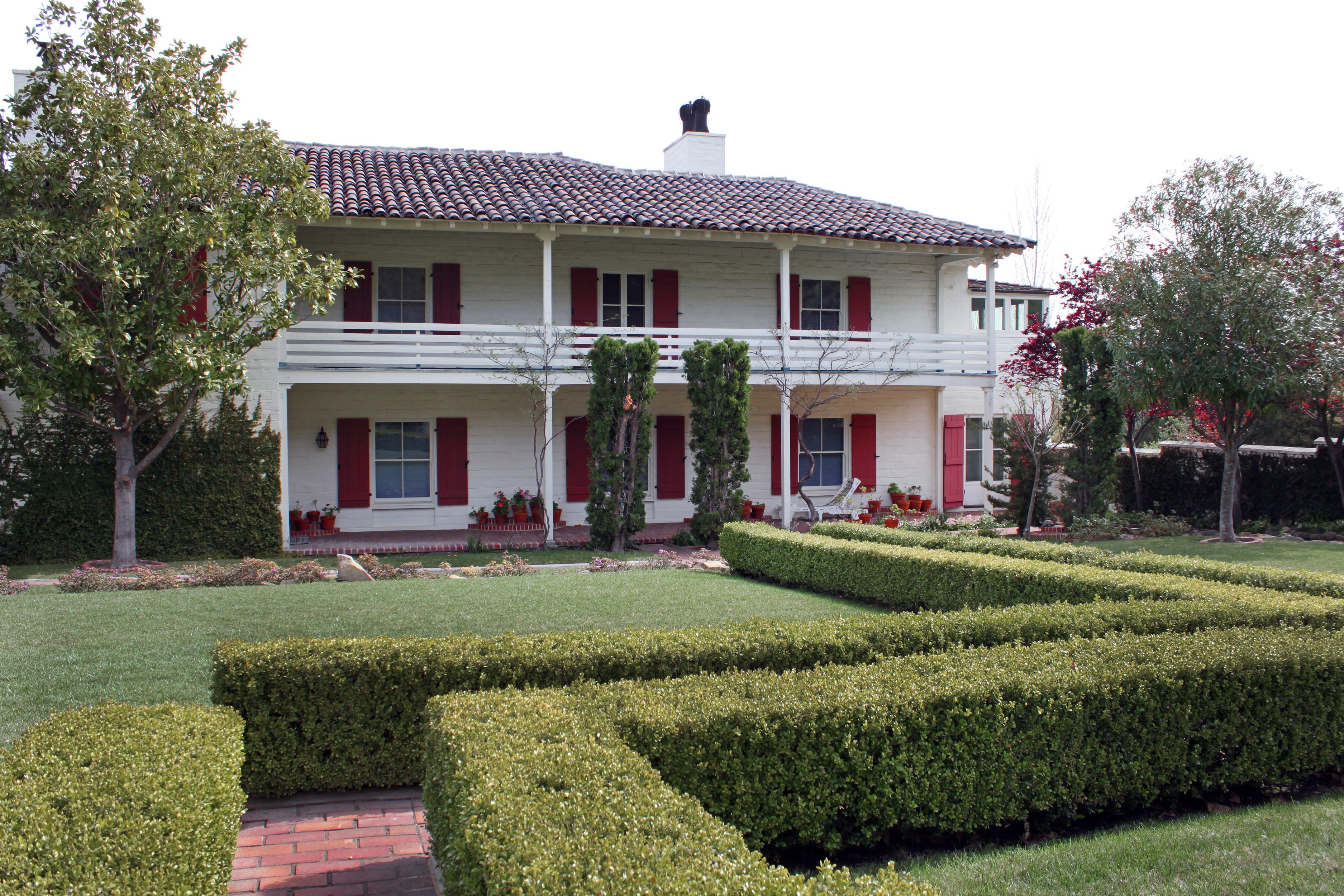 EUONDog-friendly
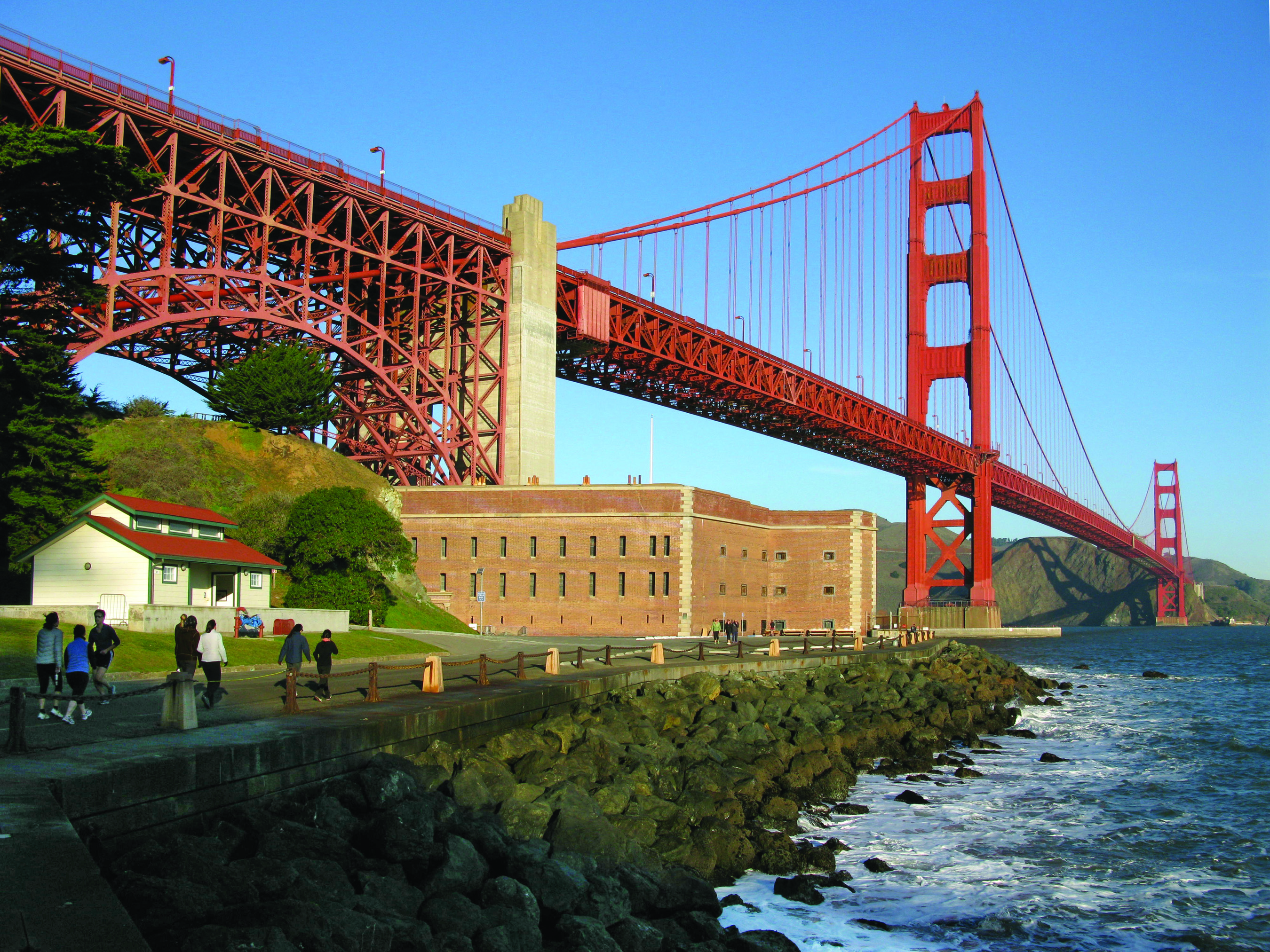 FOPODog-friendly
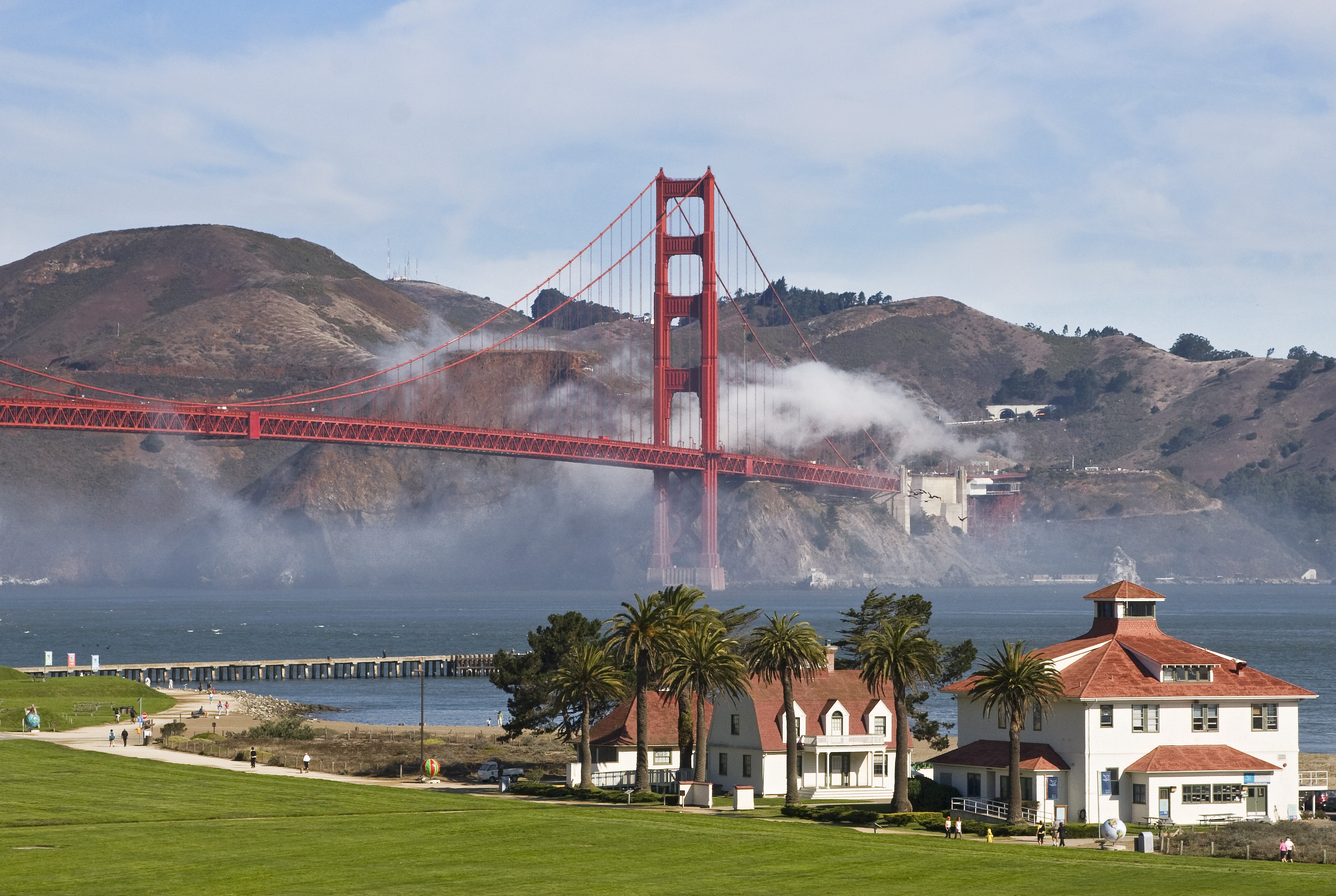 GOGADog-friendly
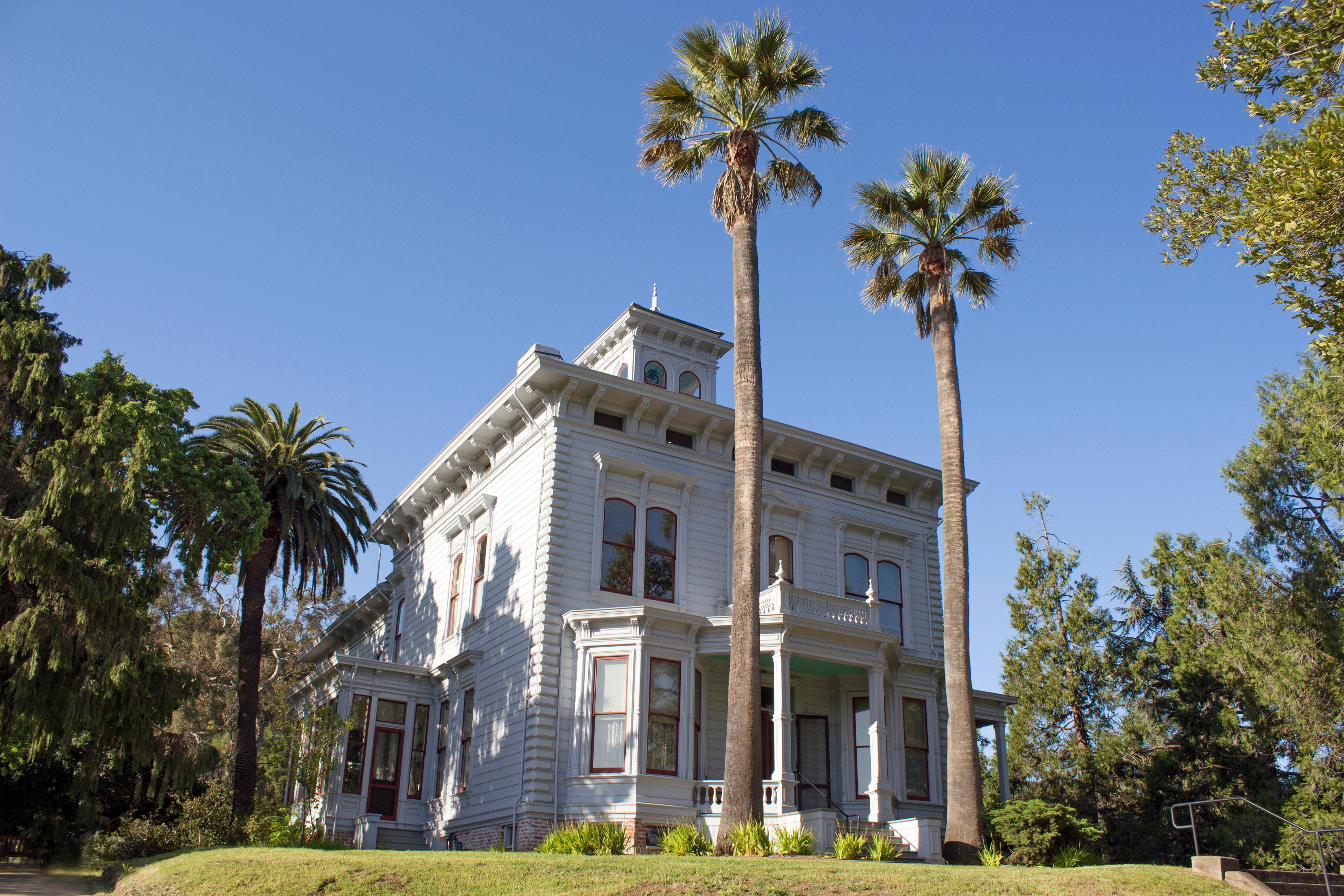 JOMUDog-friendly
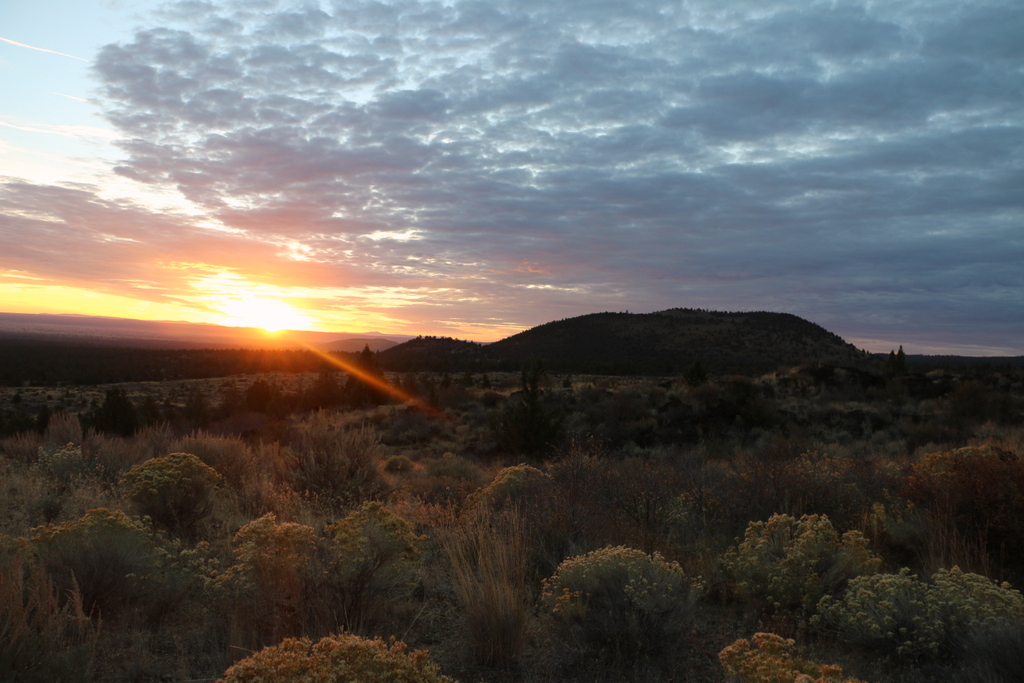 LABEBanned on trails
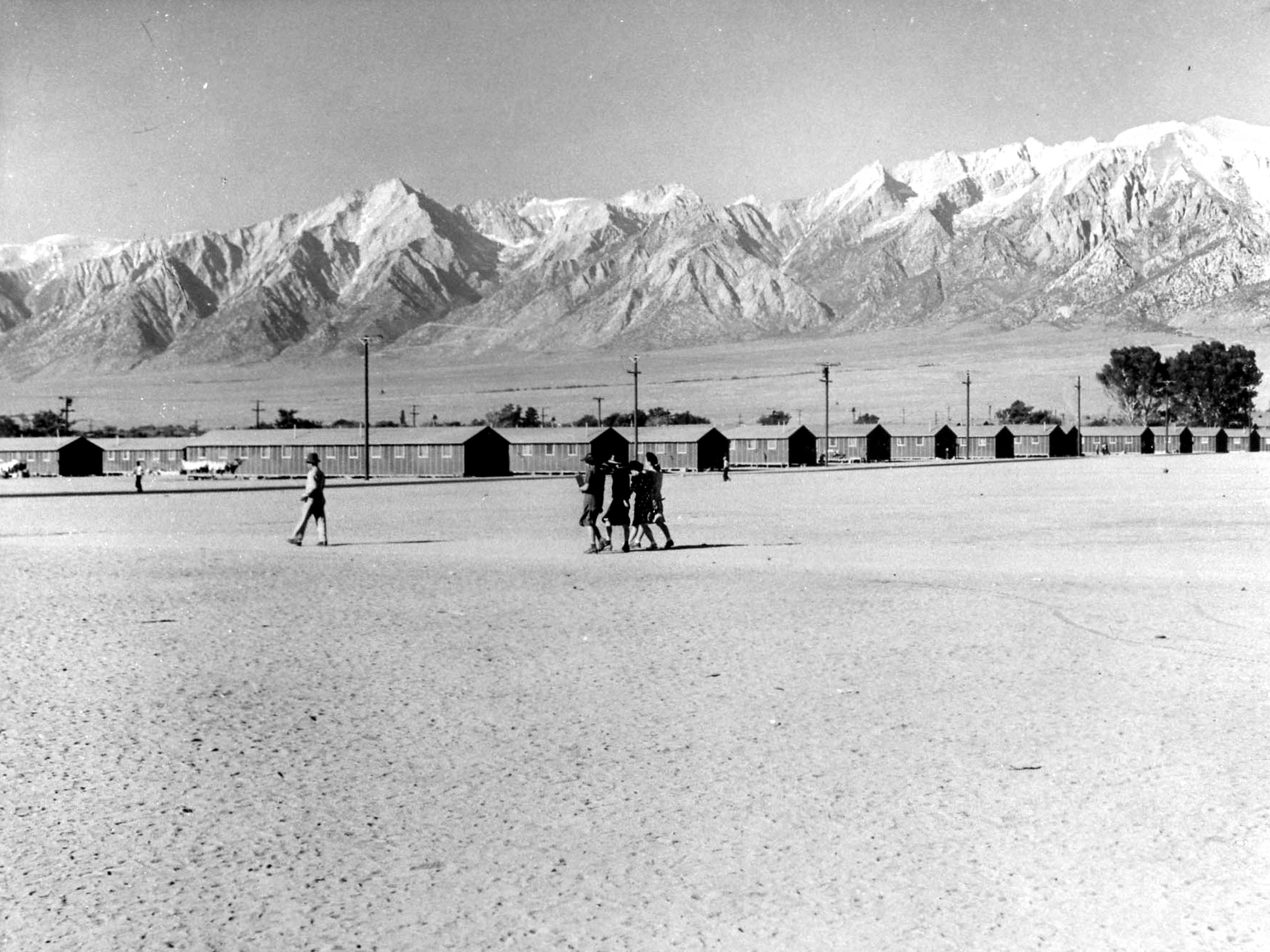 MANZDog-friendly
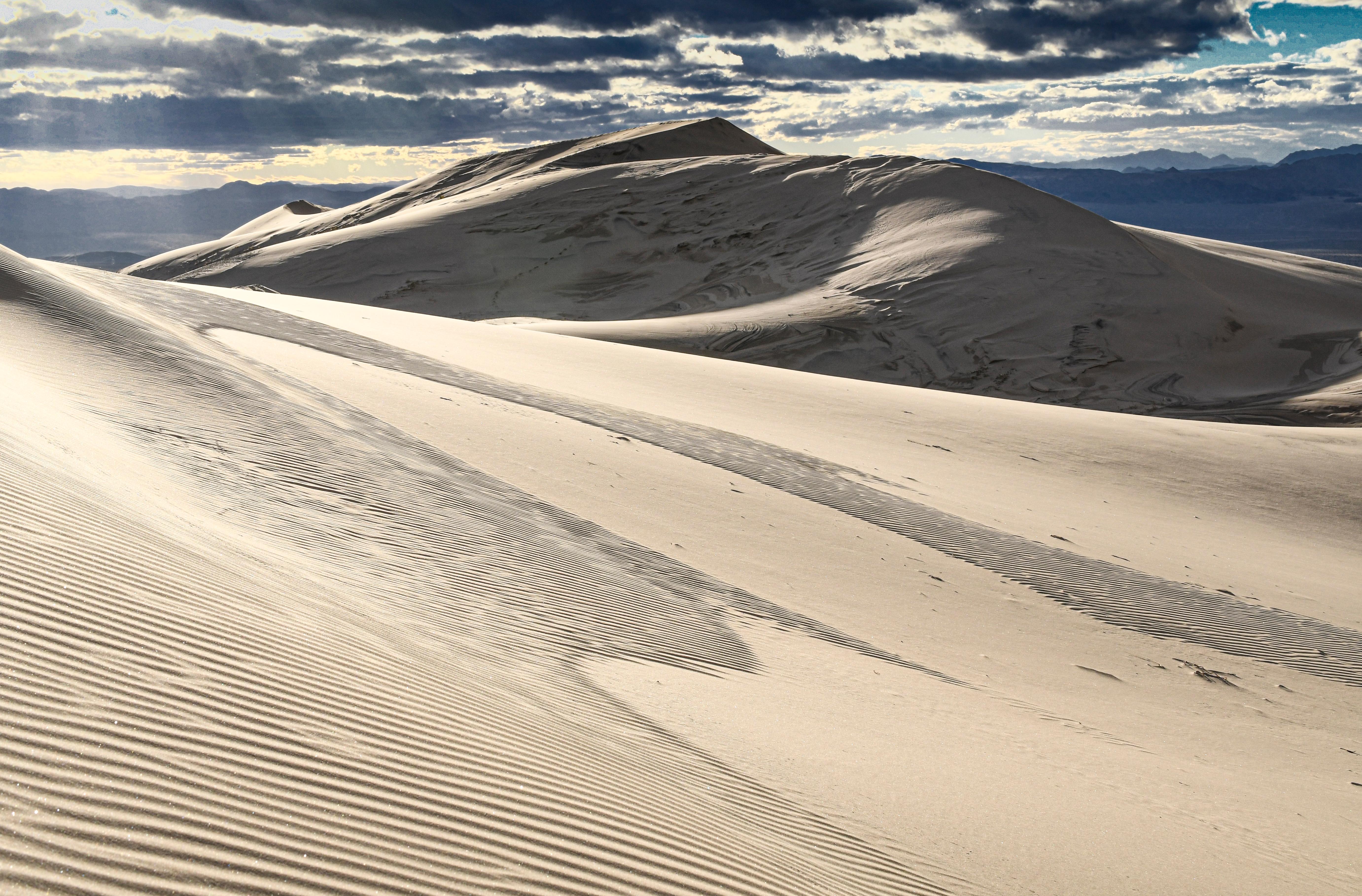 MOJADog-friendly
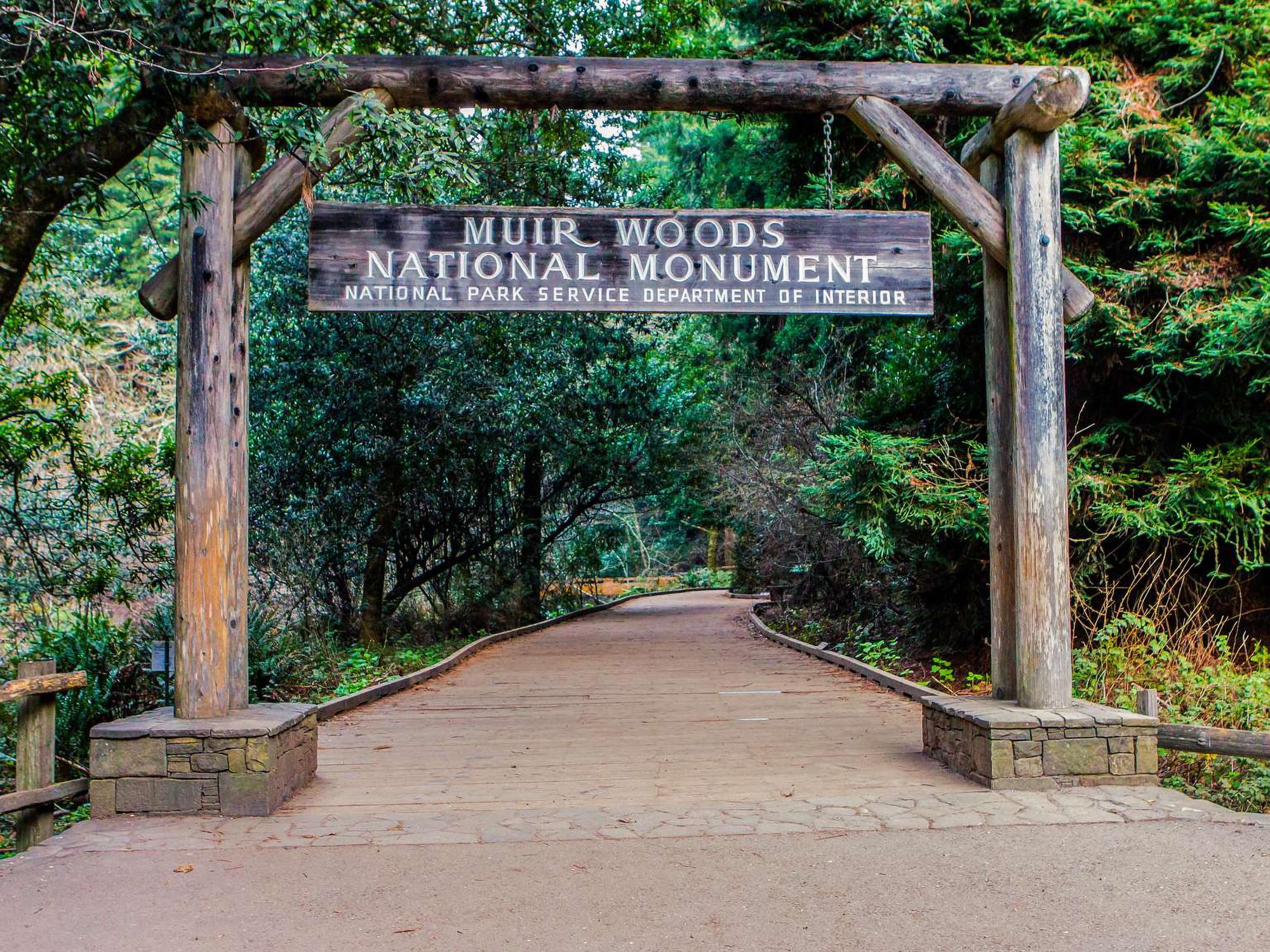 MUWONo pets allowed
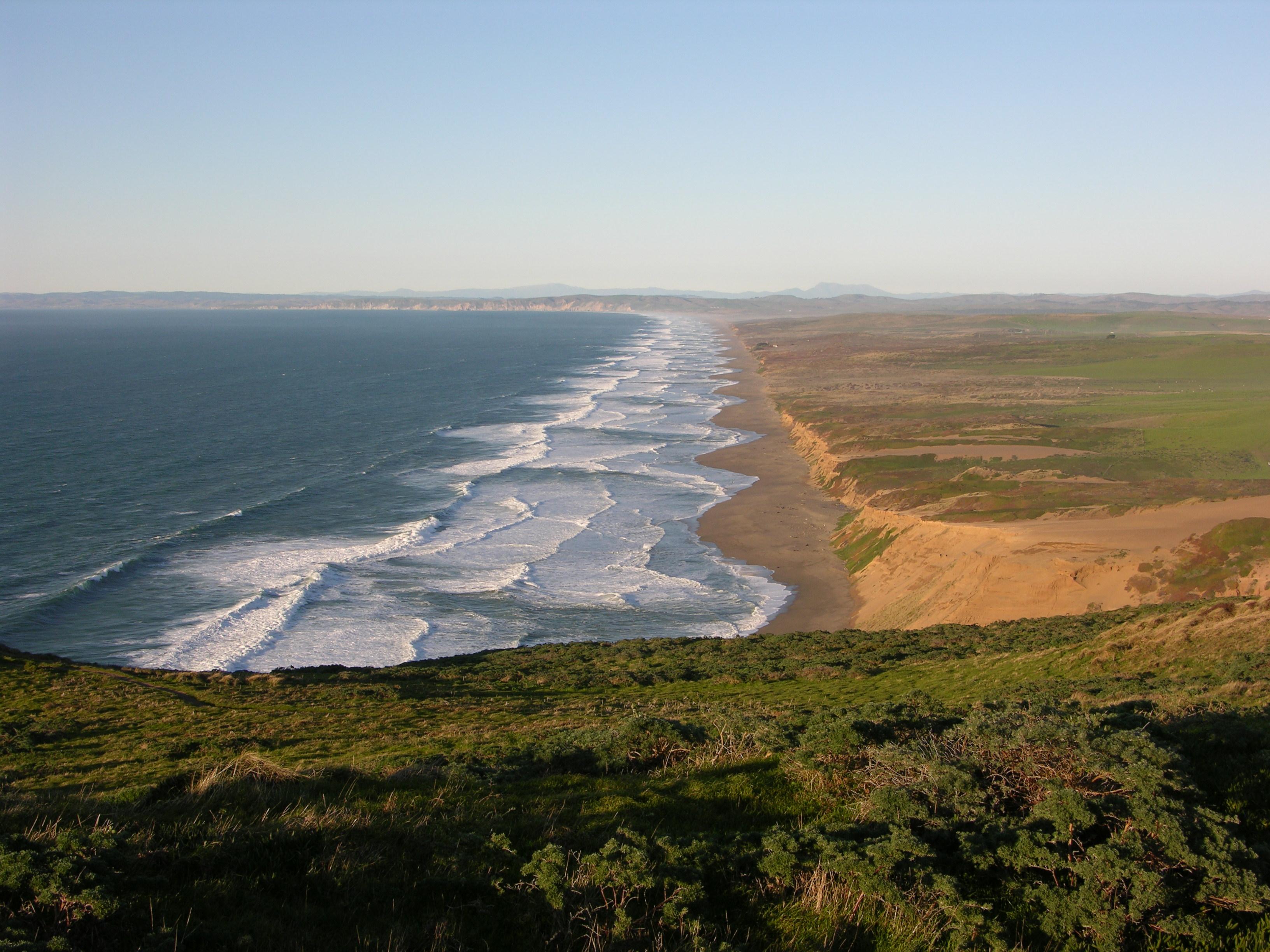 PORELimited access
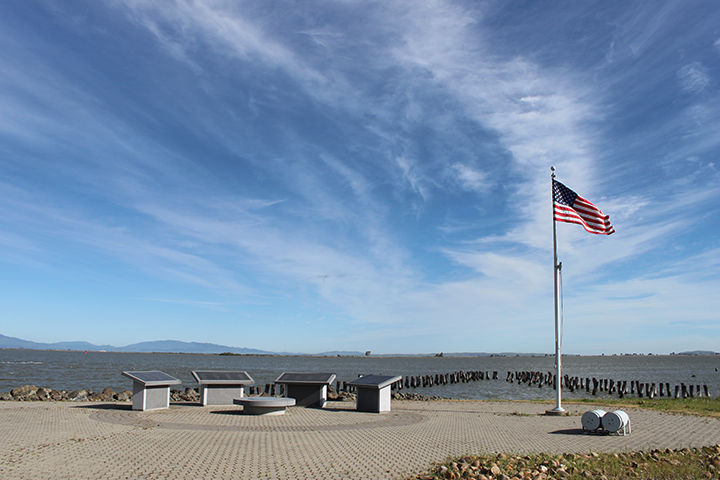 POCHNo pets allowed
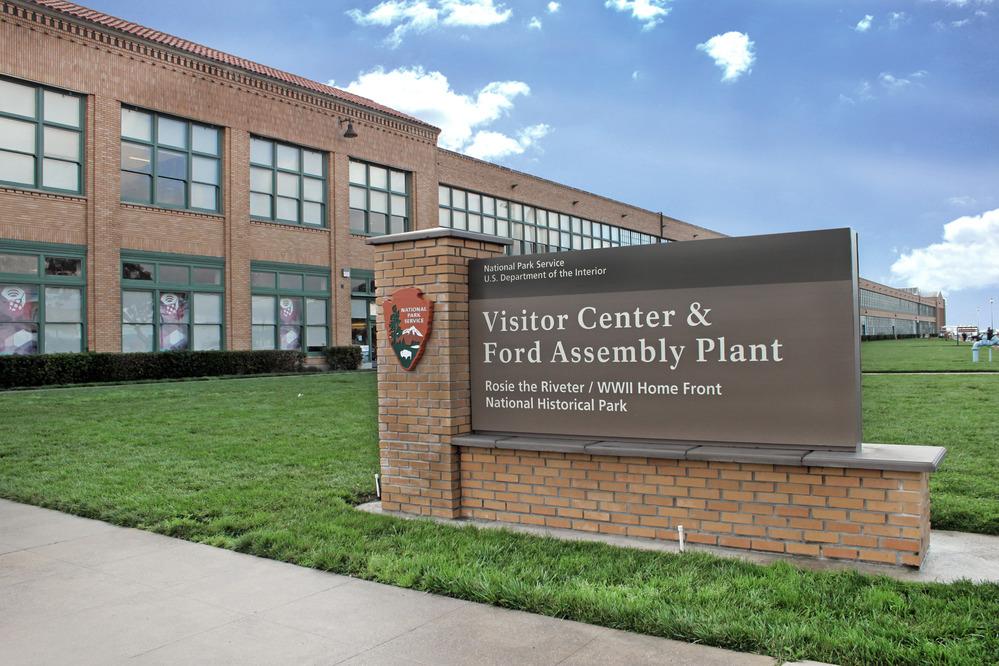 RORIDog-friendly
 SAFRDog-friendly
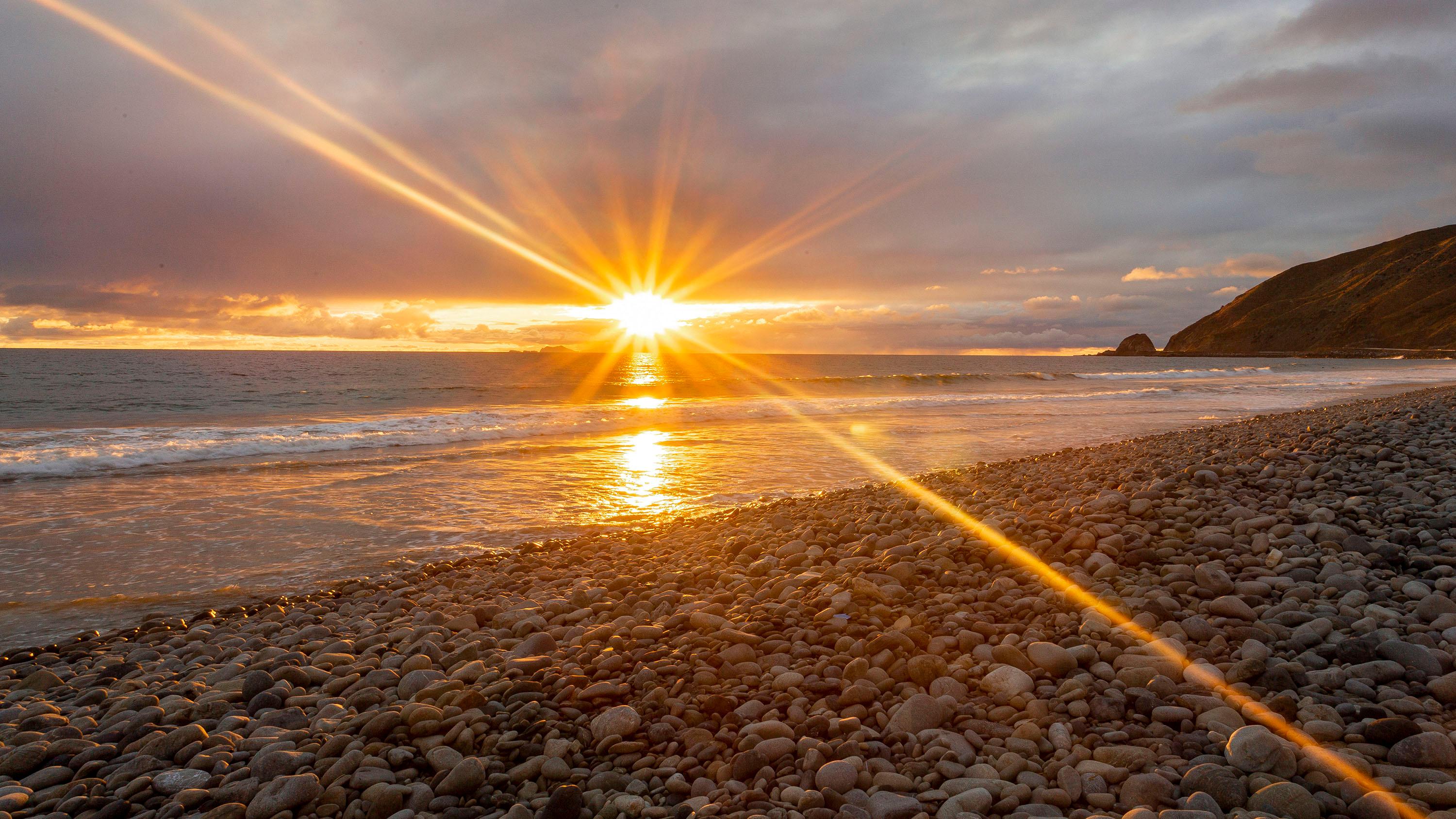 SAMODog-friendly
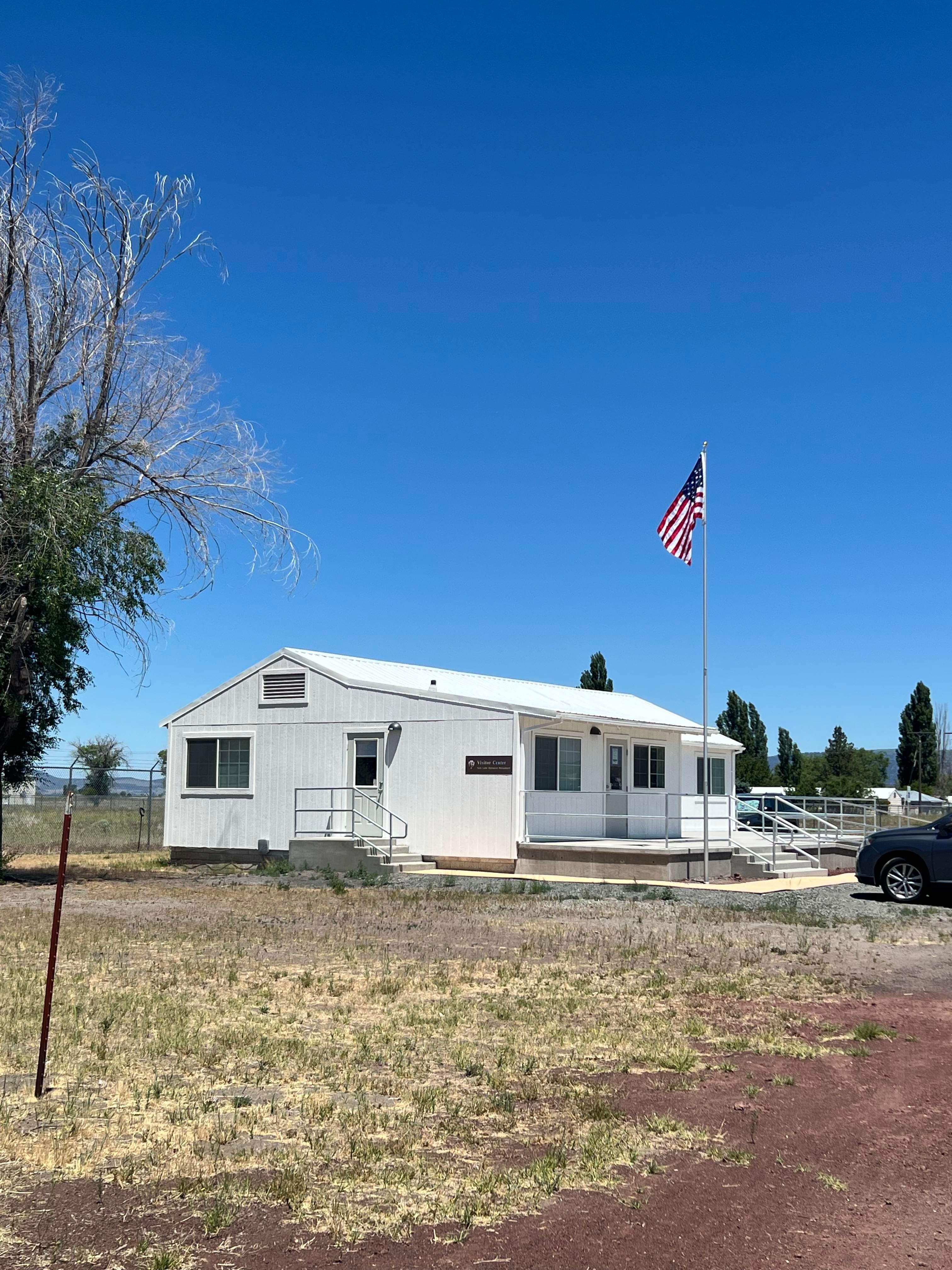 TULEDog-friendly
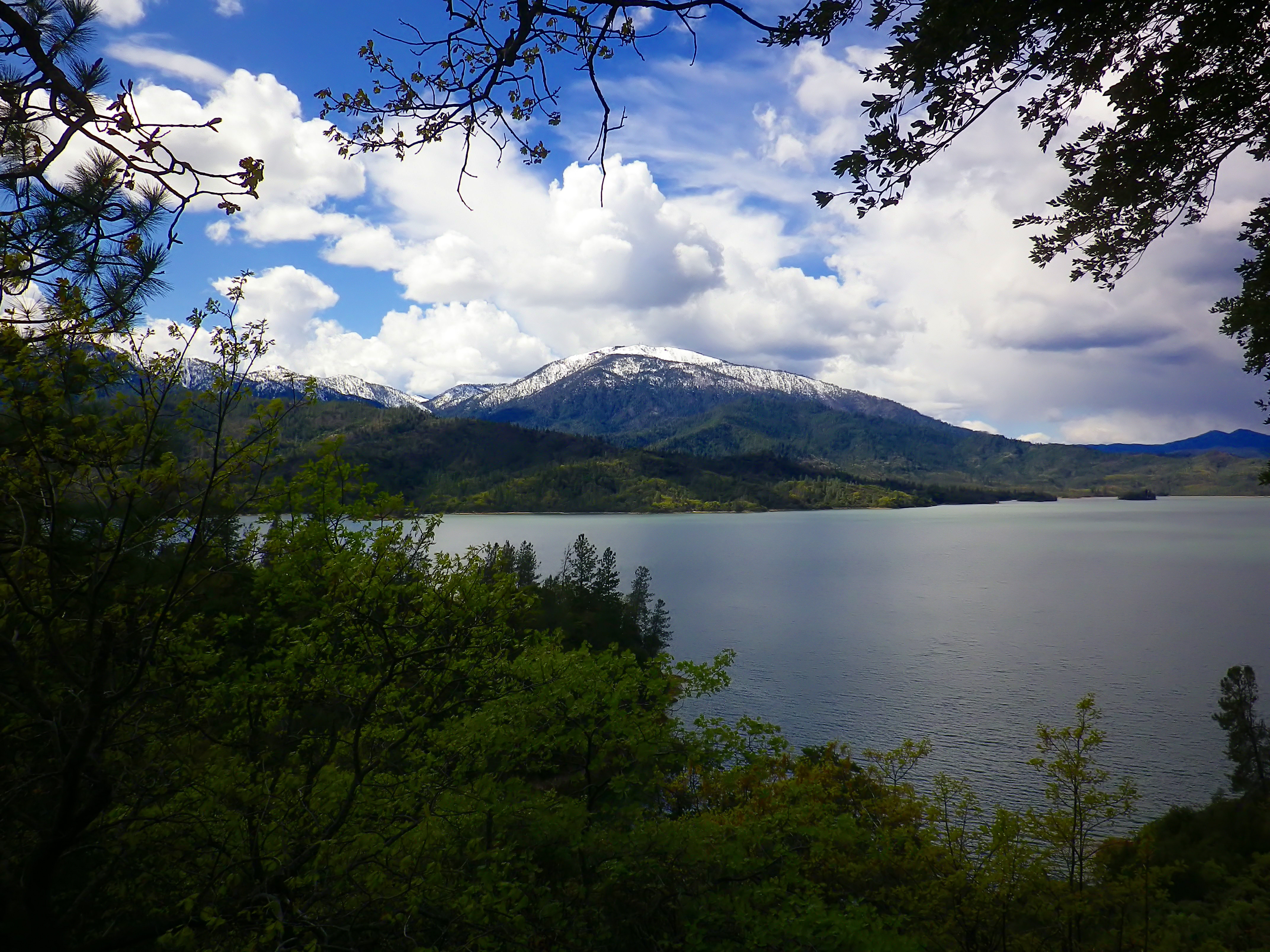 WHISDog-friendly
National forests and grasslands, broadly the friendliest federal land for a leashed dog.
Bureau of Land Management country, open and mostly welcoming to a leashed dog.
National wildlife refuges in California. These protect animals first, so dogs are often limited to certain trails or kept out, but a few welcome a leashed dog.
Beaches in California where people ask about bringing a dog, with the off-leash spots and seasonal bans flagged.
California runs a stricter state system than most, so read the details before you go. Partly. California is stricter than most states, and dogs are often banned from trails.
The most-visited California state parks, each checked for its own dog rule.
California is really several climates stacked into one state, so the right season depends entirely on where you are headed.
The desert BLM land is a fall-through-spring game, since summer heat turns brutal fast and can hurt a dog quick. The Sierra forests wake up in summer, once the snow clears the high passes.
Carry more water than feels necessary anywhere in the desert, and watch for rattlesnakes on warm mornings in the BLM canyons.
Ticks show up in the coastal and northern forests from spring through fall, so run your hands over the dog after any walk through brush.
Fire season closes trails without much notice some years, so check the forest or BLM page before you drive out.
Wildfire smoke can make a day unsafe even when the trail itself is technically open, so watch the air quality, not just the weather.
Desert and slickrock heat up fast and are hard on paws, so pack for heat and water before anything else.
Every rule here comes straight from the agency that runs the land, the National Park Service, the Forest Service, the BLM, or the California state park system, and each place is date-stamped on its own page. Dog policies change with the season and the site, so use this to plan and always confirm on the official page before you load up the car. More on how we check it in our methodology.
Skip Yosemite and the rest with the dog, and California turns into one of the best dog states in the country. The forests up top and the BLM desert below are both wide open on a leash.
You can, but plan around it. California's state system runs stricter than most and several parks limit dogs, so this guide flags where a leashed dog is actually welcome and where it is not.
The national parks in California mostly hold dogs to paved areas, roads, and campgrounds rather than the trails. Each park page spells out exactly where a dog can go.
Partly. California is stricter than most states, and dogs are often banned from trails. Leashed dogs are usually limited to campgrounds, paved roads, picnic areas, and some beaches. Most dirt and backcountry trails are off-limits, though it varies by park.
The tightest rules are usually inside the national parks and around sensitive wildlife or water areas. Most unpaved trails and the backcountry. A common rule of thumb in California is that dogs can go where cars can go.