

Maryland is a small state that packs in a surprising amount of coast, canal and mountain for a dog, more than its size on the map would ever suggest at first glance.
There is no national park here, so no strict federal trail rules to plan a trip around the way you would out west. The state parks welcome leashed dogs, and most of the federal land in Maryland turns out friendlier than the big national parks people usually think of first.
The one place to watch is Assateague Island, the wild pony beach, where dogs are held to certain areas rather than the whole shoreline, so it pays to check before you build a whole weekend around it.
This guide lays out every verified spot in Maryland, the seashore, the canal towpath, the mountain park and the historic battlefields, each one checked against its own rule and its own official link.
Maryland does not have national forests or BLM land, so the hiking here runs through the National Park Service sites and the state parks instead, and once you see the list, that turns out to be plenty.
Catoctin Mountain Park up in the western hills gives you real forest ridge, and a leashed dog is welcome on its trails, no different from a much bigger mountain park out west. It is close enough to Washington to make a good half-day trip.
The C&O Canal towpath runs 184 miles along the Potomac, flat and shaded the whole way, and it might be the easiest long walk you will ever take a dog on, start to finish.
Harpers Ferry sits right where the canal meets the mountains, and the trails around the old town welcome a leashed dog too, river views and steep old streets both.
Antietam and Monocacy, the Civil War battlefields, give you open field walking with history under your feet, and both allow dogs on the grounds, so a quiet morning walk comes with some real weight to it.
Closer to Washington, Greenbelt Park, Fort Washington Park, Piscataway Park and Fort Foote Park add woods and river frontage without much of a drive, handy if you live in the DC suburbs.
Fort McHenry gives you a walkable, historic stop right on Baltimore's harbor, and the George Washington Memorial Parkway strings together river trail on the Virginia side of the Potomac if you cross the river.
The Appalachian Trail clips through the far western tip of the state too, if you want to say you have walked a piece of it with your dog, however short the stretch happens to be.
Assateague Island is the one to plan carefully. Dogs are held to certain areas of the seashore, not the whole beach, so check the current rule before you load up the cooler and the towels.
Keep the 6-foot leash on in the developed spots and your dog under control everywhere else. So plan your dog days around the C&O towpath and Catoctin for real mileage, and treat Assateague as a beach trip with rules attached.
National monuments, historic sites, recreation areas, and other Park Service land in Maryland, often more open to a leashed dog than the headline parks.
 ANTIDog-friendly
 APPADog-friendly
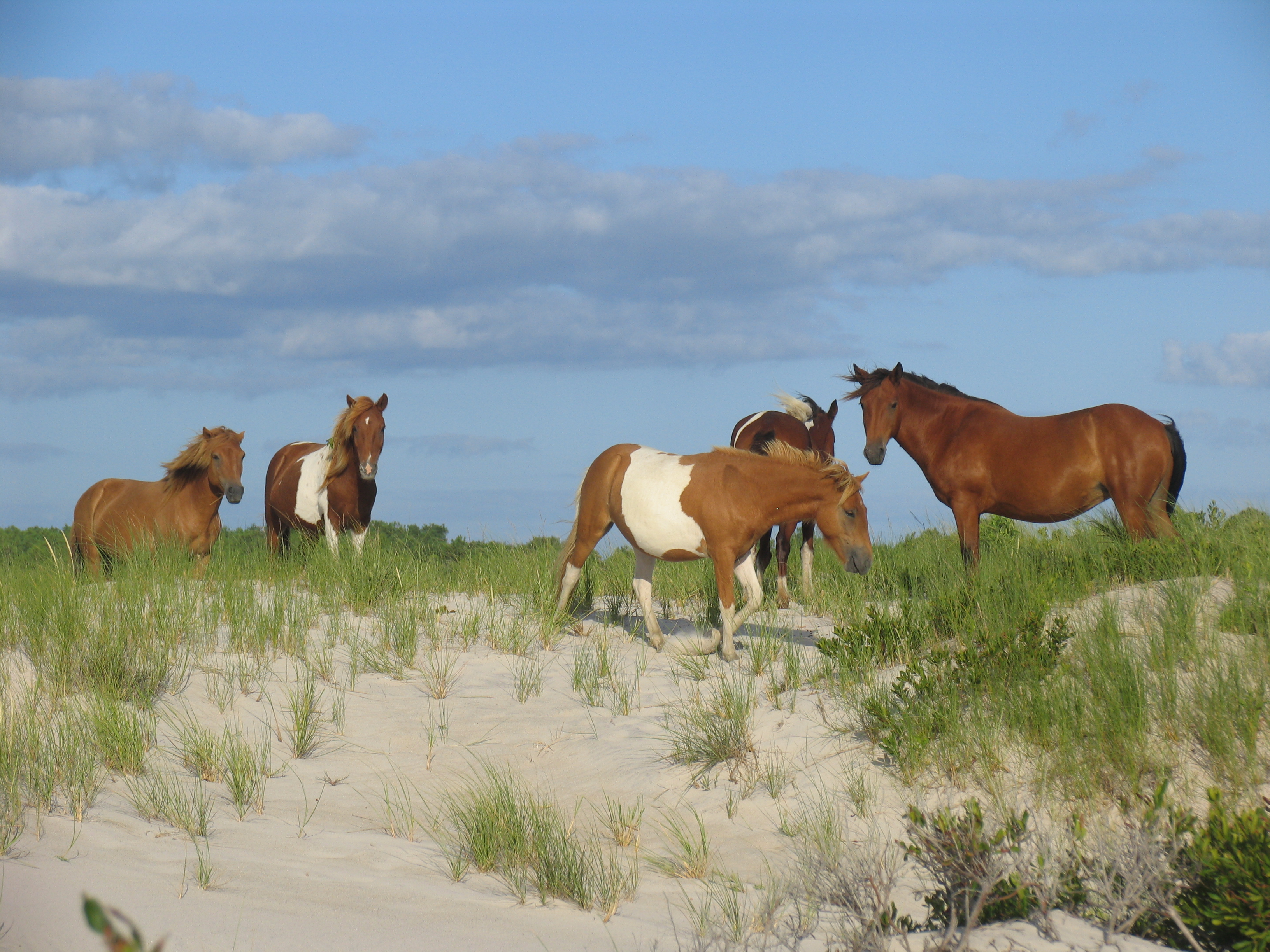 ASISLimited access
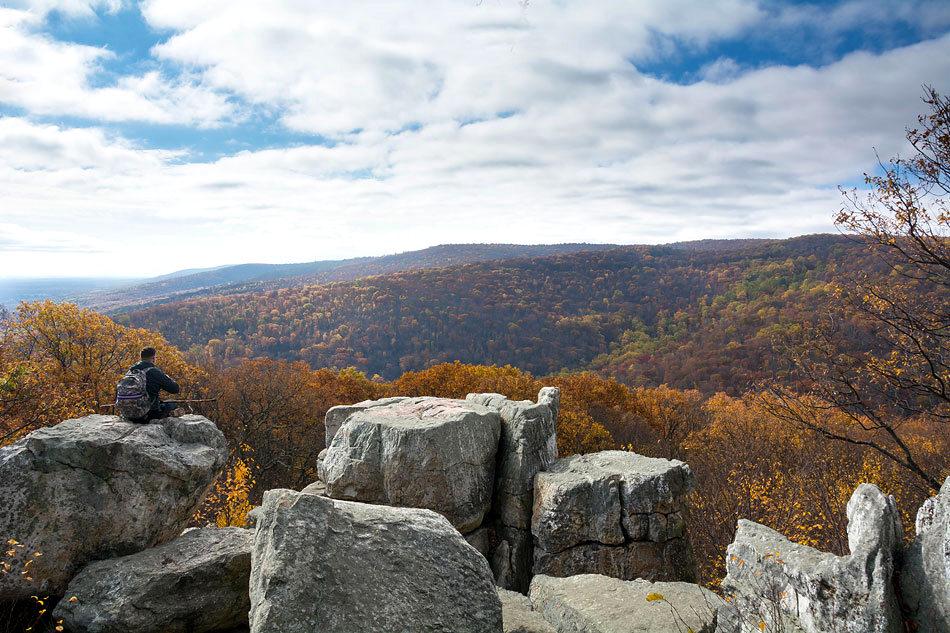 CATODog-friendly
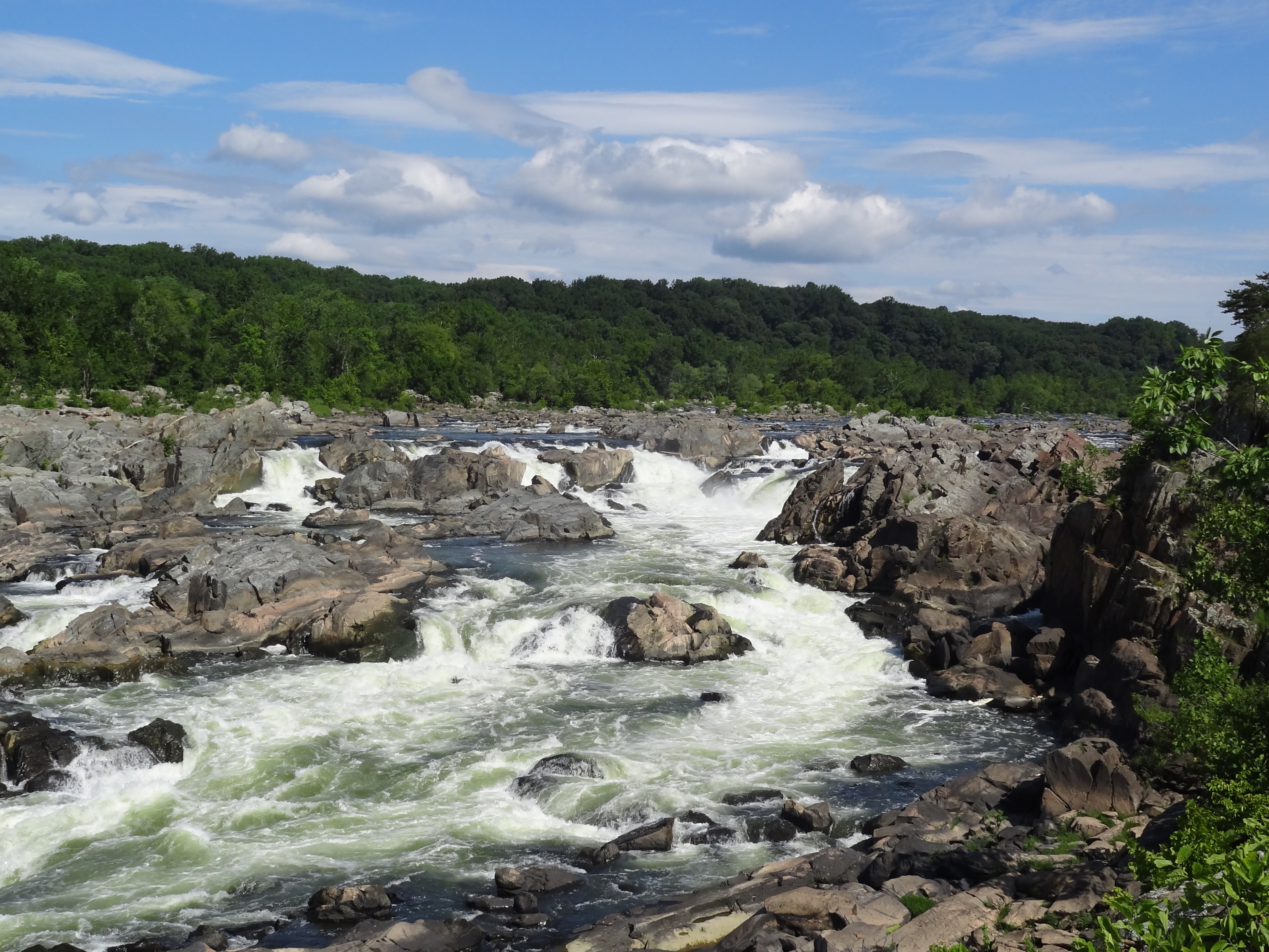 CHOHDog-friendly
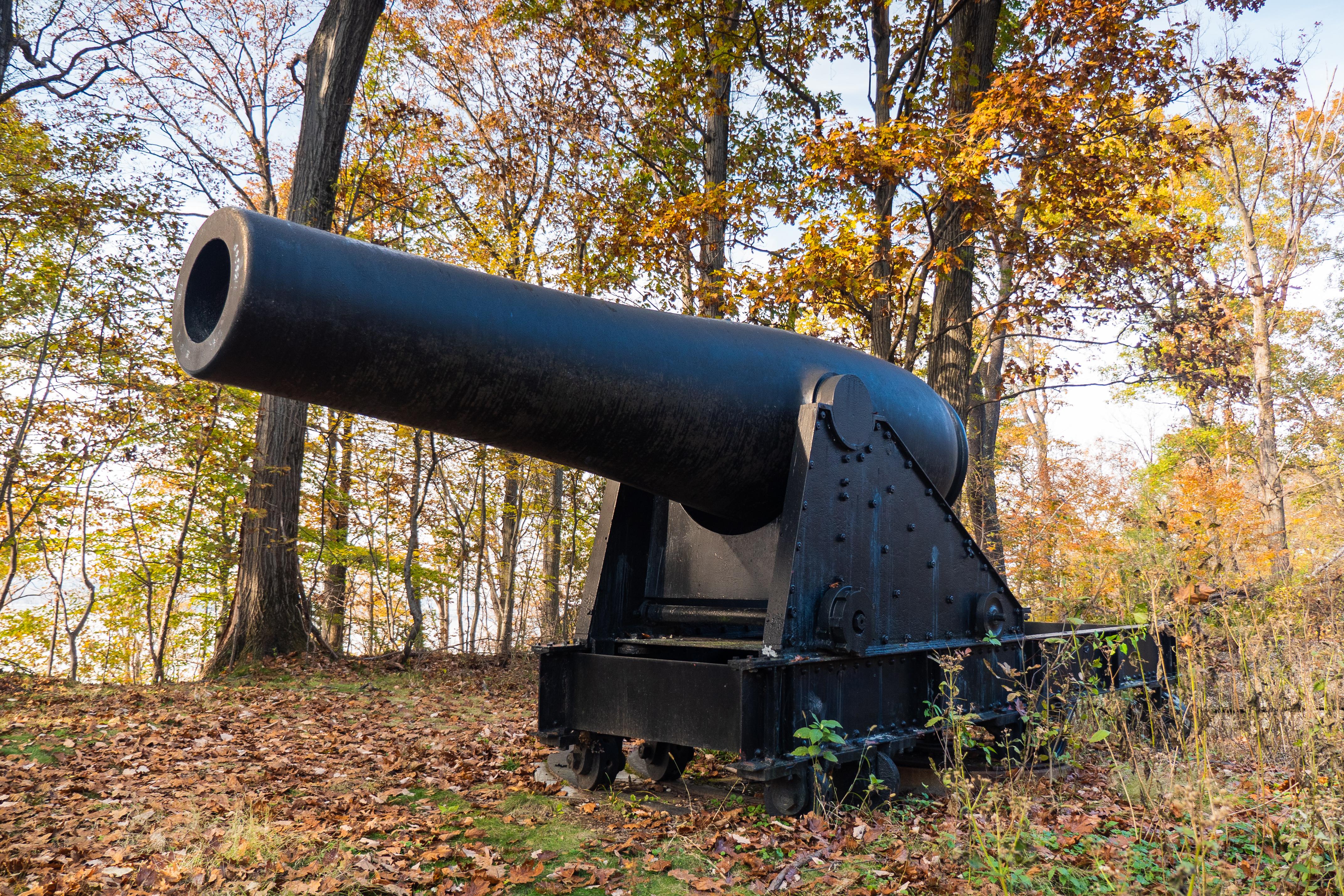 FOFODog-friendly
 FOMCDog-friendly
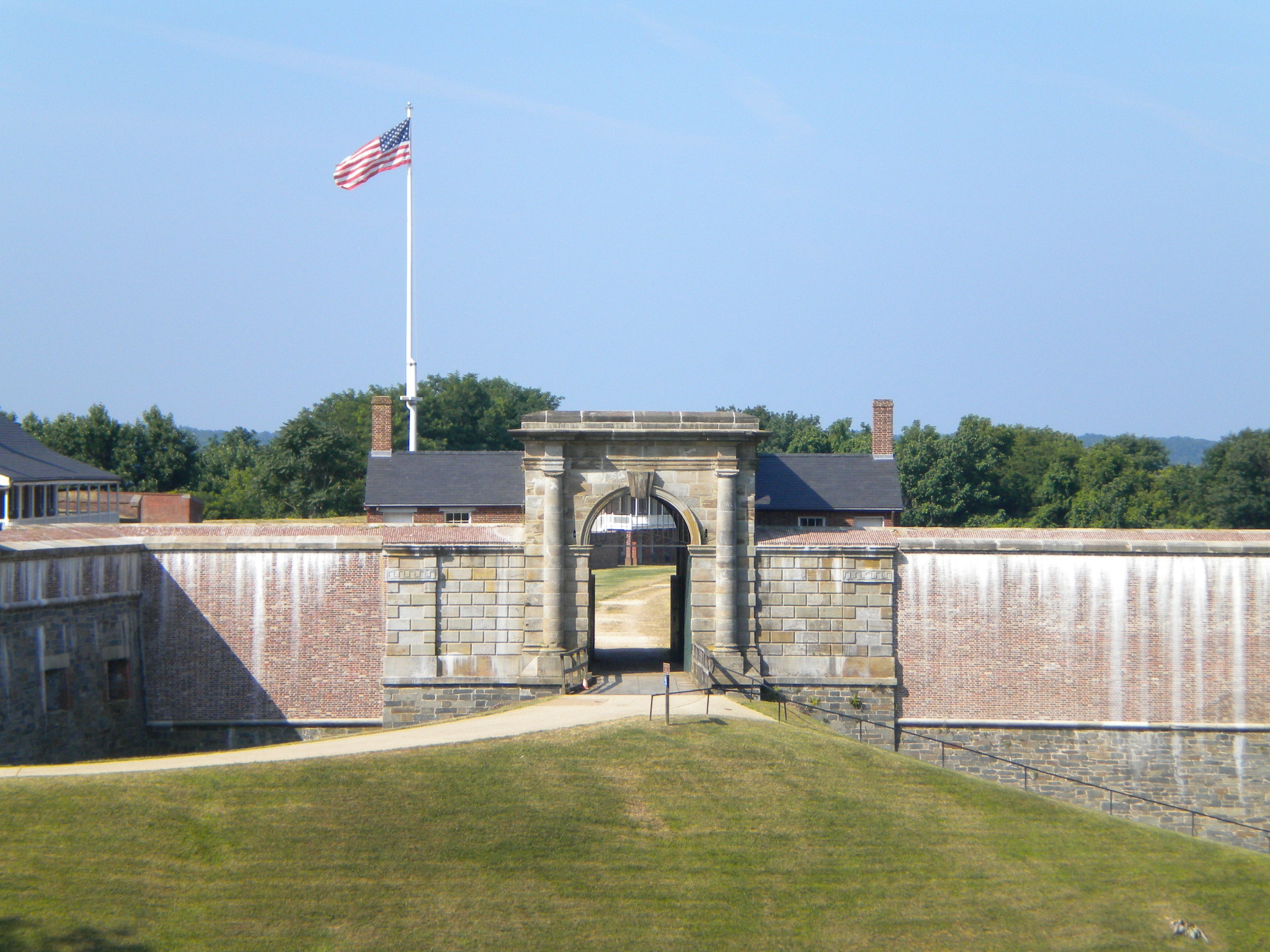 FOWADog-friendly
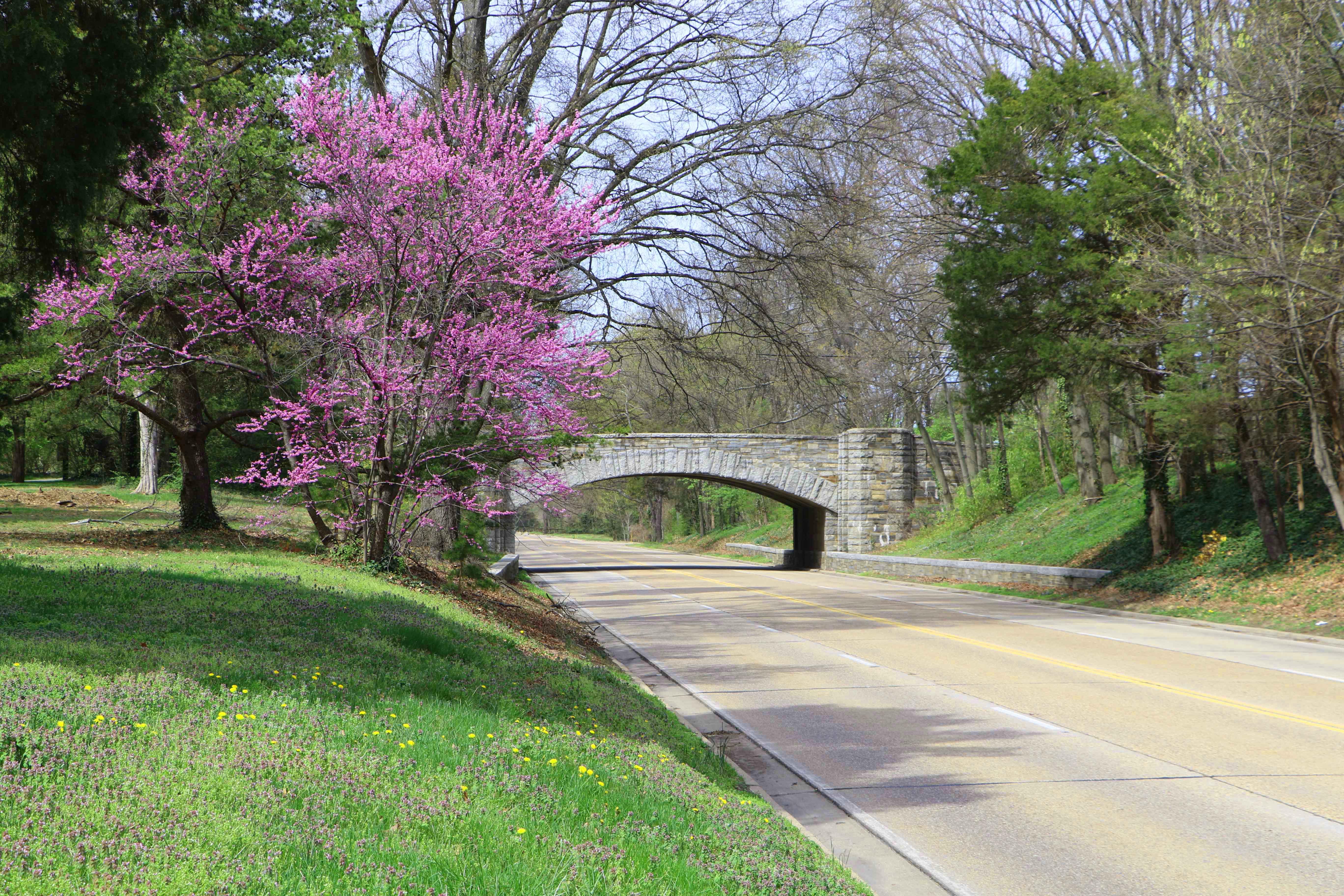 GWMPDog-friendly
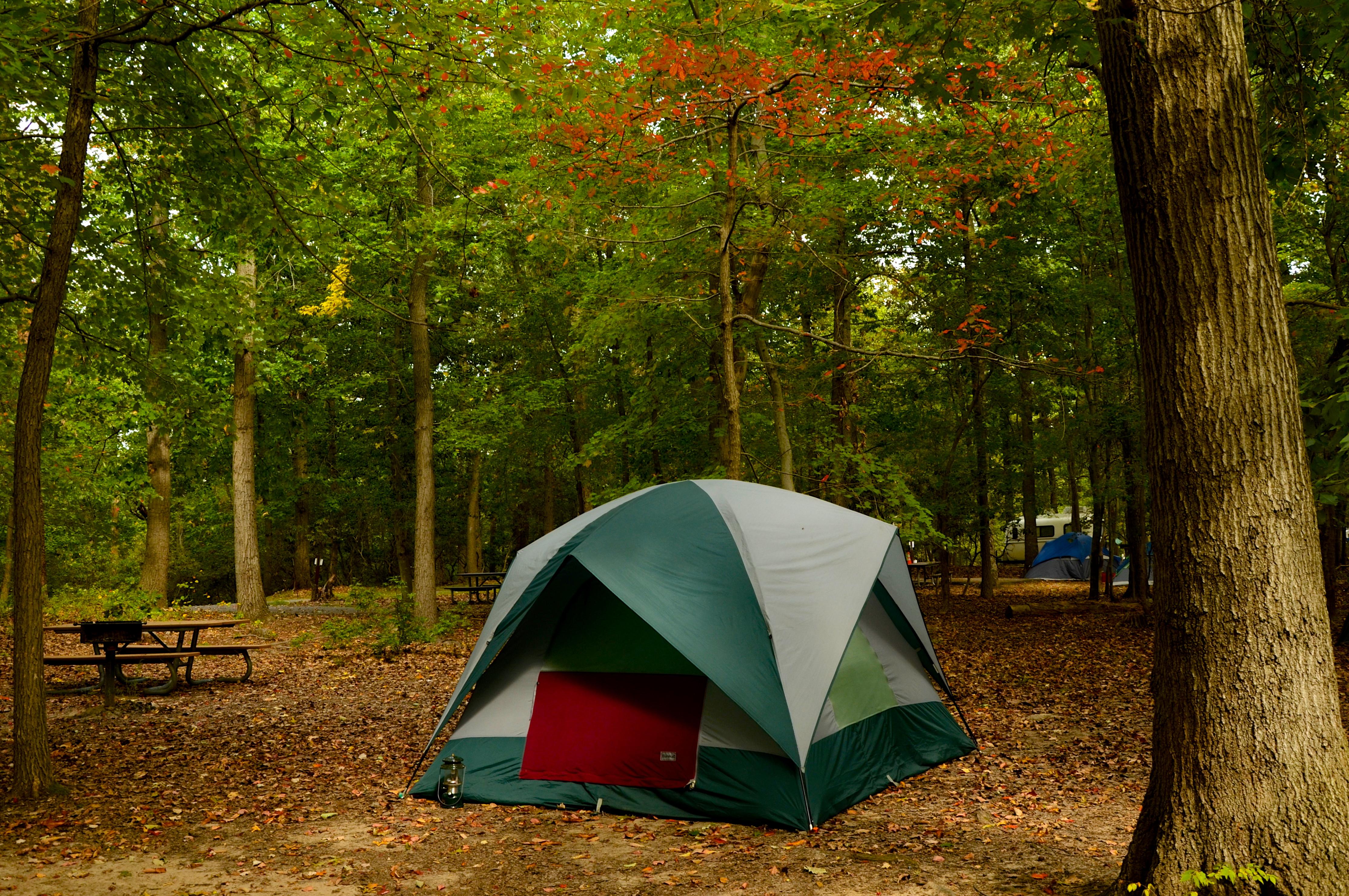 GREEDog-friendly
 HAMPDog-friendly
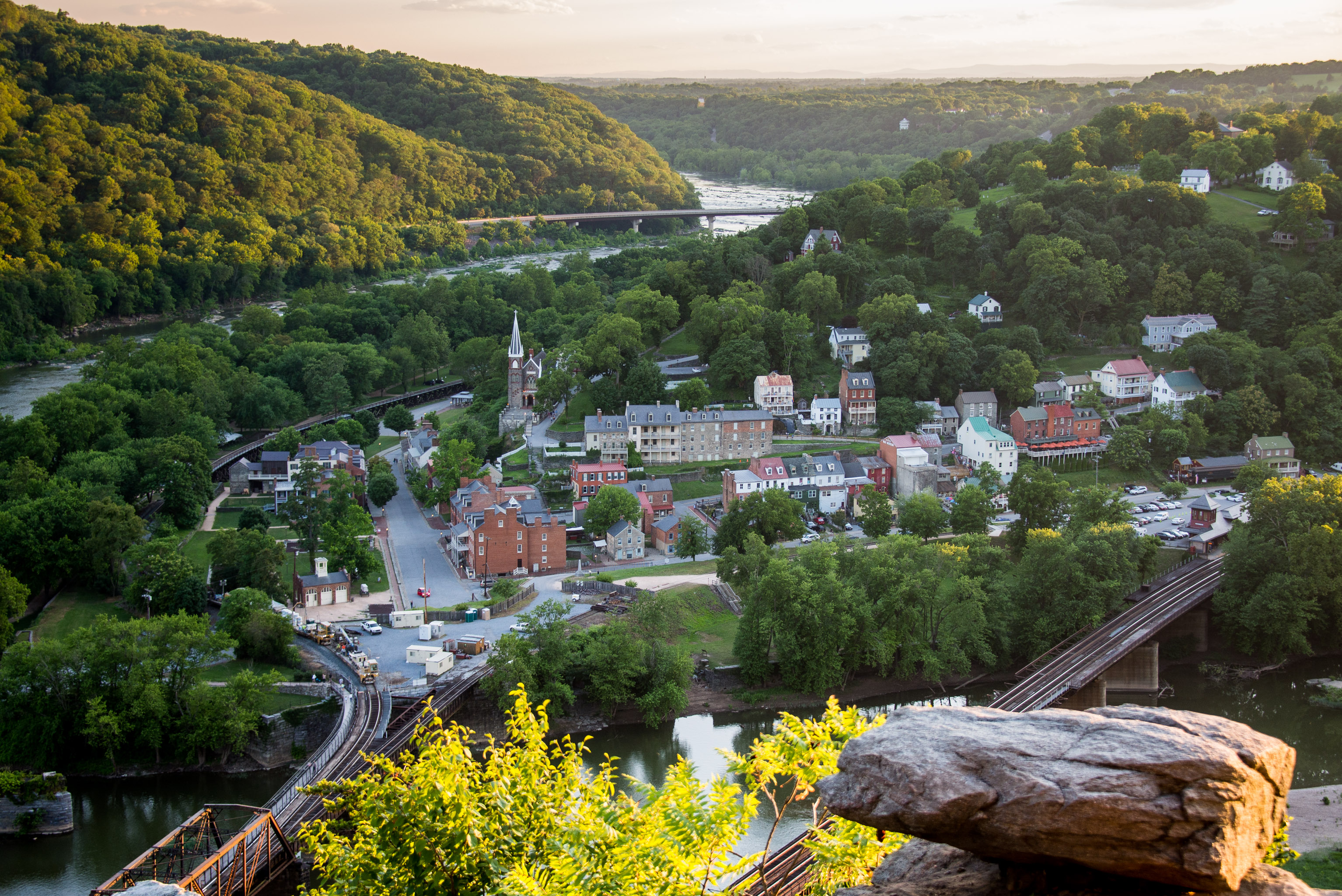 HAFEDog-friendly
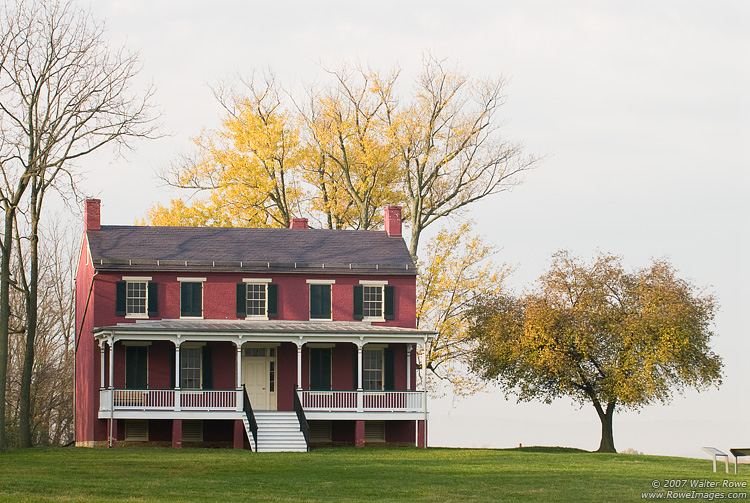 MONODog-friendly
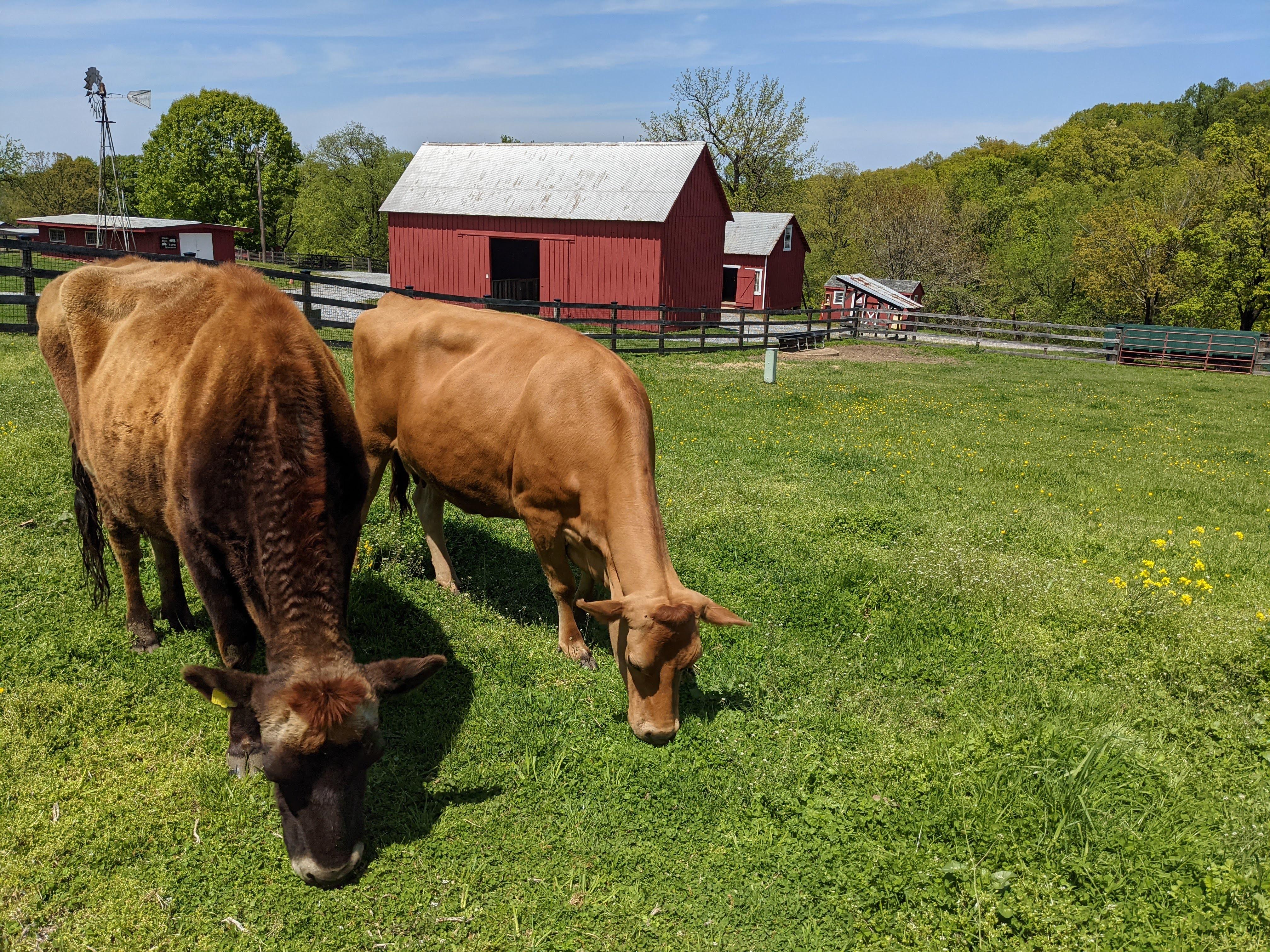 OXHIDog-friendly
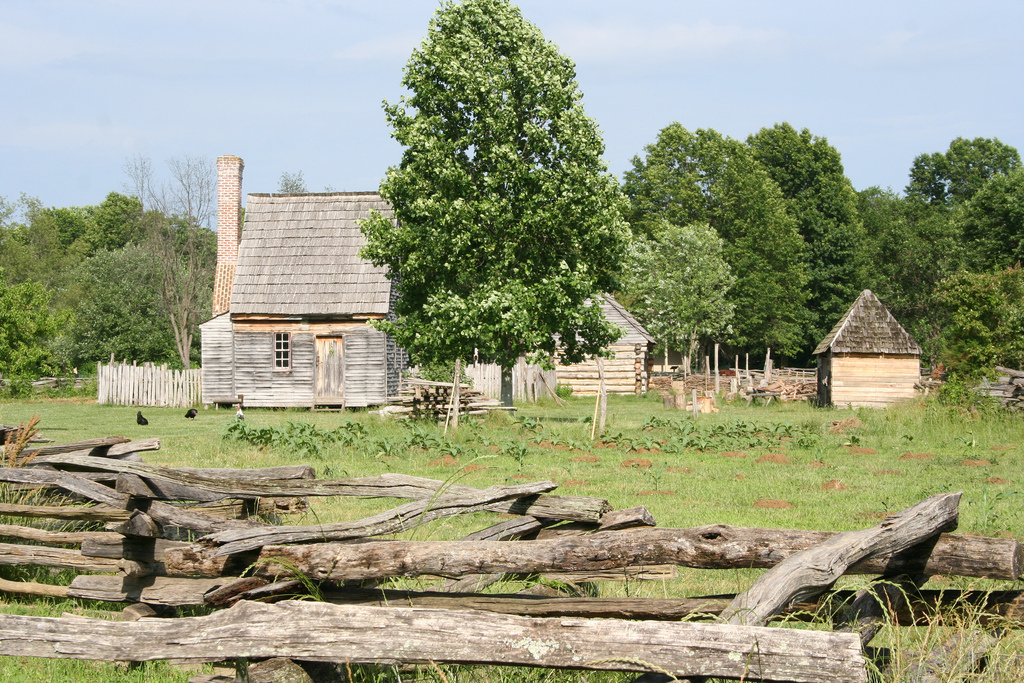 PISCDog-friendly
 THSTDog-friendly
Beaches in Maryland where people ask about bringing a dog, with the off-leash spots and seasonal bans flagged.
Most Maryland state parks welcome leashed dogs on the trails, which makes the state system the easy, everywhere answer here. Yes. Most Maryland state parks welcome leashed dogs on trails.
The most-visited Maryland state parks, each checked for its own dog rule.
Spring and fall are the sweet spot across Maryland, mild enough for a long towpath walk without the bugs or the heat piling on.
Summers turn humid, so start early on the C&O towpath and anywhere with full sun, and carry more water than a short walk would normally call for.
Ticks are a real and constant thing in Maryland's woods and tall grass, so check your dog after almost every walk from spring through fall, not just the long ones.
Assateague gets buggy in summer and windy in winter, so time the beach days around both and expect a different island depending on the season.
Winter walking on the towpath and in Catoctin is doable with a little traction, and it is a quiet time to have the trail mostly to yourself.
Hunting season touches parts of Catoctin and the C&O corridor in fall, so a little blaze orange on the dog is a smart, cheap habit to pick up before you head out.
Sand, sun, and saltwater are the story on the coast, so pack for heat and keep fresh water close.
Every rule here comes straight from the agency that runs the land, the National Park Service, the Forest Service, the BLM, or the Maryland state park system, and each place is date-stamped on its own page. Dog policies change with the season and the site, so use this to plan and always confirm on the official page before you load up the car. More on how we check it in our methodology.
The C&O towpath and Catoctin Mountain carry the real hiking in Maryland, and Assateague is worth the beach trip once you know the rule. Small state, more trail than you would guess at first.
Yes. Maryland has 26 verified federal and state areas in this guide, and most of the state parks welcome leashed dogs on the trails. The national parks tend to be the strict ones, so those are listed separately below.
Yes. Most Maryland state parks welcome leashed dogs on trails. Leashed dogs are generally allowed on trails, in campgrounds, and day-use areas across Maryland State Parks.
The tightest rules are usually inside the national parks and around sensitive wildlife or water areas. Swim beaches, some nature preserves, playgrounds, and park buildings are typically off-limits. Rules vary by park.