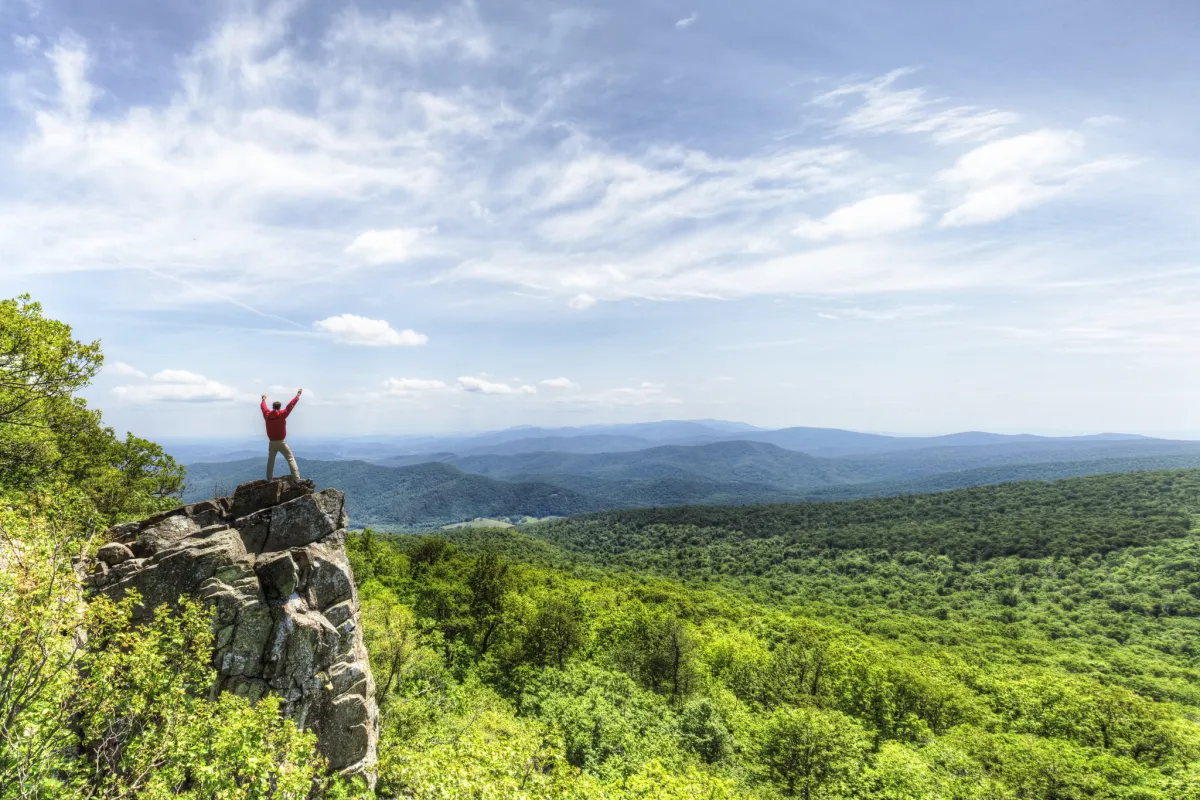

Virginia runs from the Blue Ridge to the Atlantic, and a dog can see nearly all of it without ever hitting a hard no, which is rare for a state carrying this much national and state land inside one border.
This is about as friendly a state as you'll find in the whole guide. The forests, the historic sites, and the state parks nearly all welcome a leashed dog.
Shenandoah is the national park, and it breaks the usual pattern completely. Leashed dogs are welcome on nearly all of its 500 miles of trail along Skyline Drive, which almost never happens at this level of park.
This guide lays it all out: Shenandoah and its rare welcome, the George Washington and Jefferson forests where the real miles pile up, the Revolutionary and Civil War sites worth a stop, and the state parks that fill in the rest.
Shenandoah is the trip to build a Virginia hiking plan around. It's rare, a national park where your leashed dog can come along on nearly every trail.
Skyline Drive runs the length of the park along the ridge, and the trailheads dropping off it lead to waterfalls, overlooks, and hardwood forest, all open to a dog on a 6-foot leash.
The George Washington and Jefferson National Forests are the other half of the story, ridge after ridge across the western part of the state, all welcoming leashed dogs.
Cumberland Gap National Historical Park sits where Virginia, Kentucky, and Tennessee meet, and it adds mountain trail with real frontier history behind it, open to a leashed dog too.
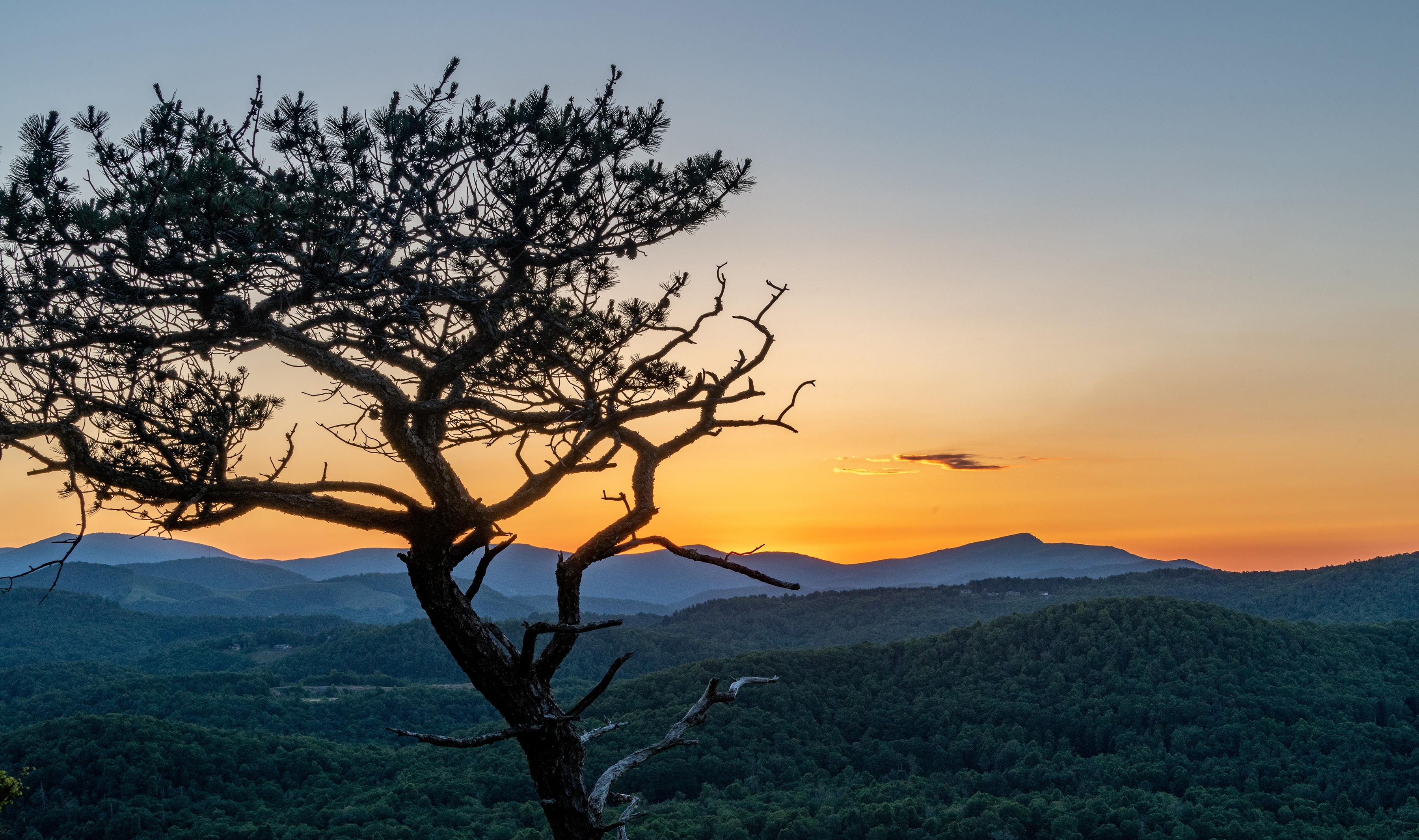
The Blue Ridge Parkway threads south out of Shenandoah, one overlook after another, with a short trail at nearly every pull-off and room for a dog on every one.
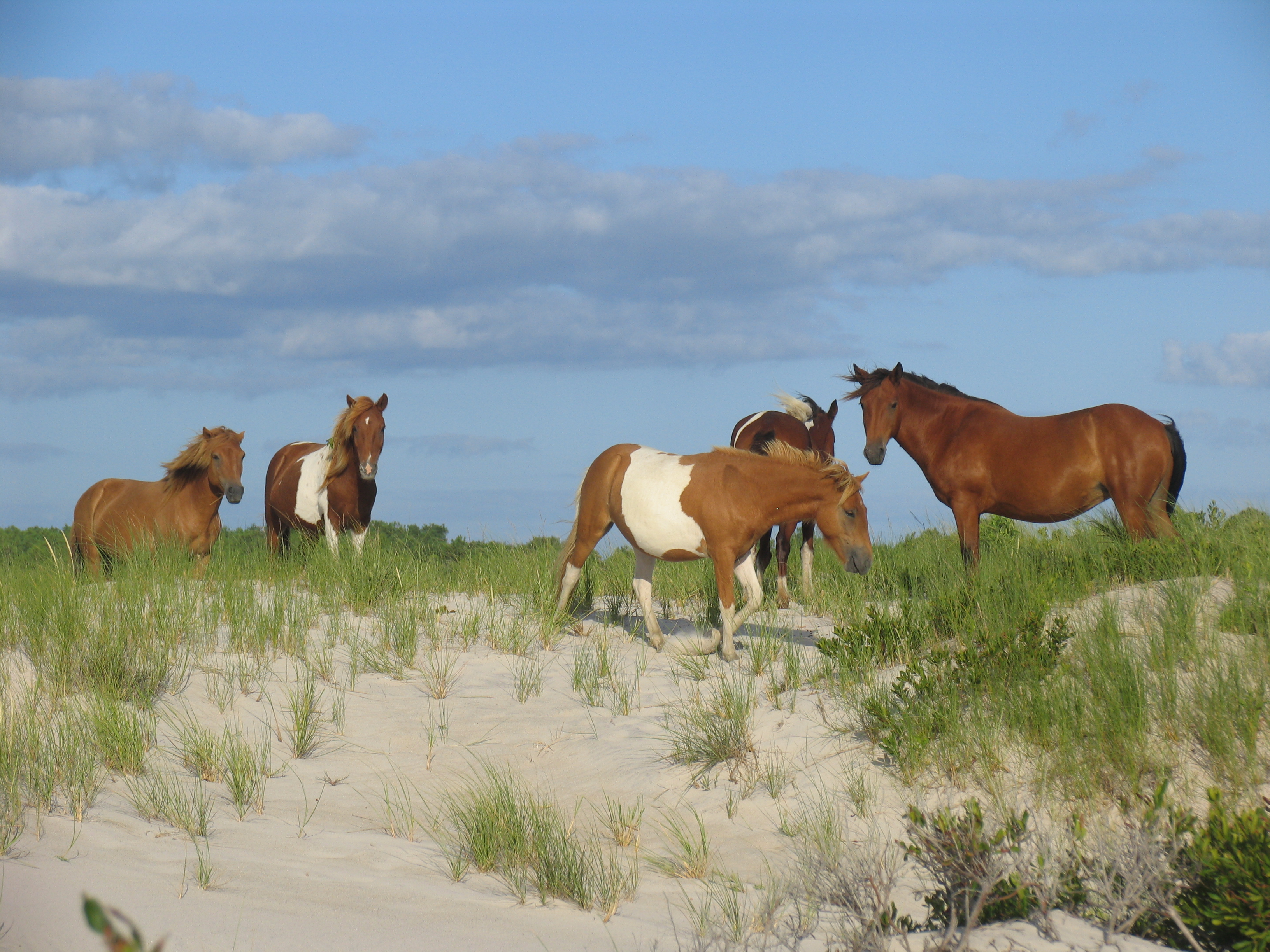
Down toward the coast, Assateague Island gives you the wild ponies and the beach, though it's a limited yes, so check which stretches allow a dog before you plan the whole day around it.
Great Falls Park and the George Washington Memorial Parkway give the D.C. suburbs a real hiking option close to home, river gorge and towpath both welcoming a leashed dog.
Historic Jamestowne and the Yorktown Battlefield, both part of Colonial National Historical Park, round out the coastal history circuit, and both welcome a leashed dog on their outdoor grounds.
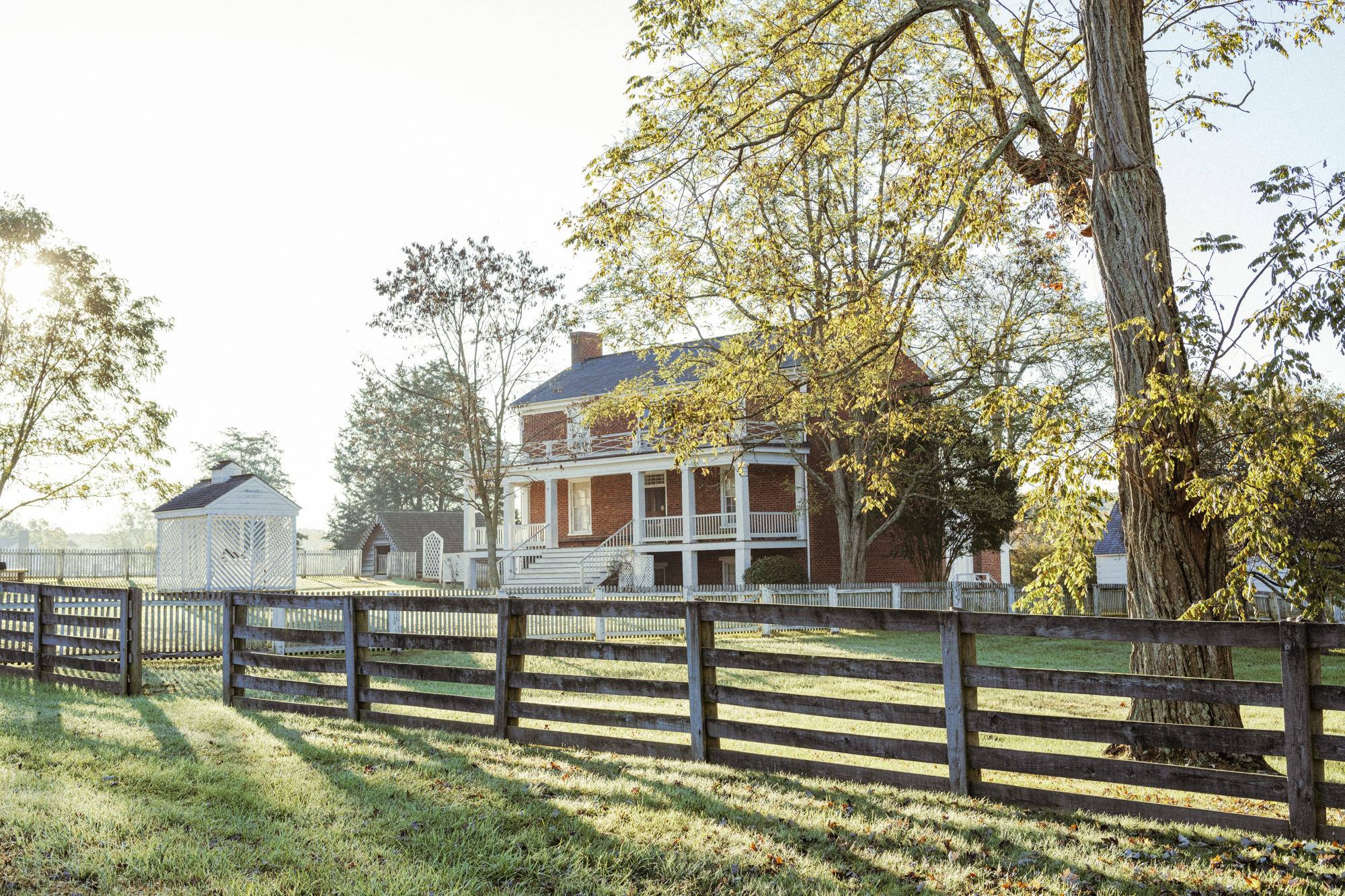
The battlefield parks, Petersburg, Fredericksburg and Spotsylvania, Richmond, and Cedar Creek and Belle Grove, add walkable history across the state, and every one welcomes your dog on the trail.
So plan your dog days around Shenandoah and the forests first, then fill in with the battlefields and the parkway. Virginia hands a leashed dog more open trail than almost anywhere else on the East Coast.
Virginia's one national park is the rare good-news story in this whole guide.
Shenandoah is about as dog-friendly as a national park gets. Leashed dogs are welcome on nearly all 500 miles of trail, which is exactly backward from how most parks handle it, so build your trip around it without a second thought.
National monuments, historic sites, recreation areas, and other Park Service land in Virginia, often more open to a leashed dog than the headline parks.
 APPADog-friendly
 APCODog-friendly
 ARHONo pets allowed
 ASISLimited access
 BLRIDog-friendly
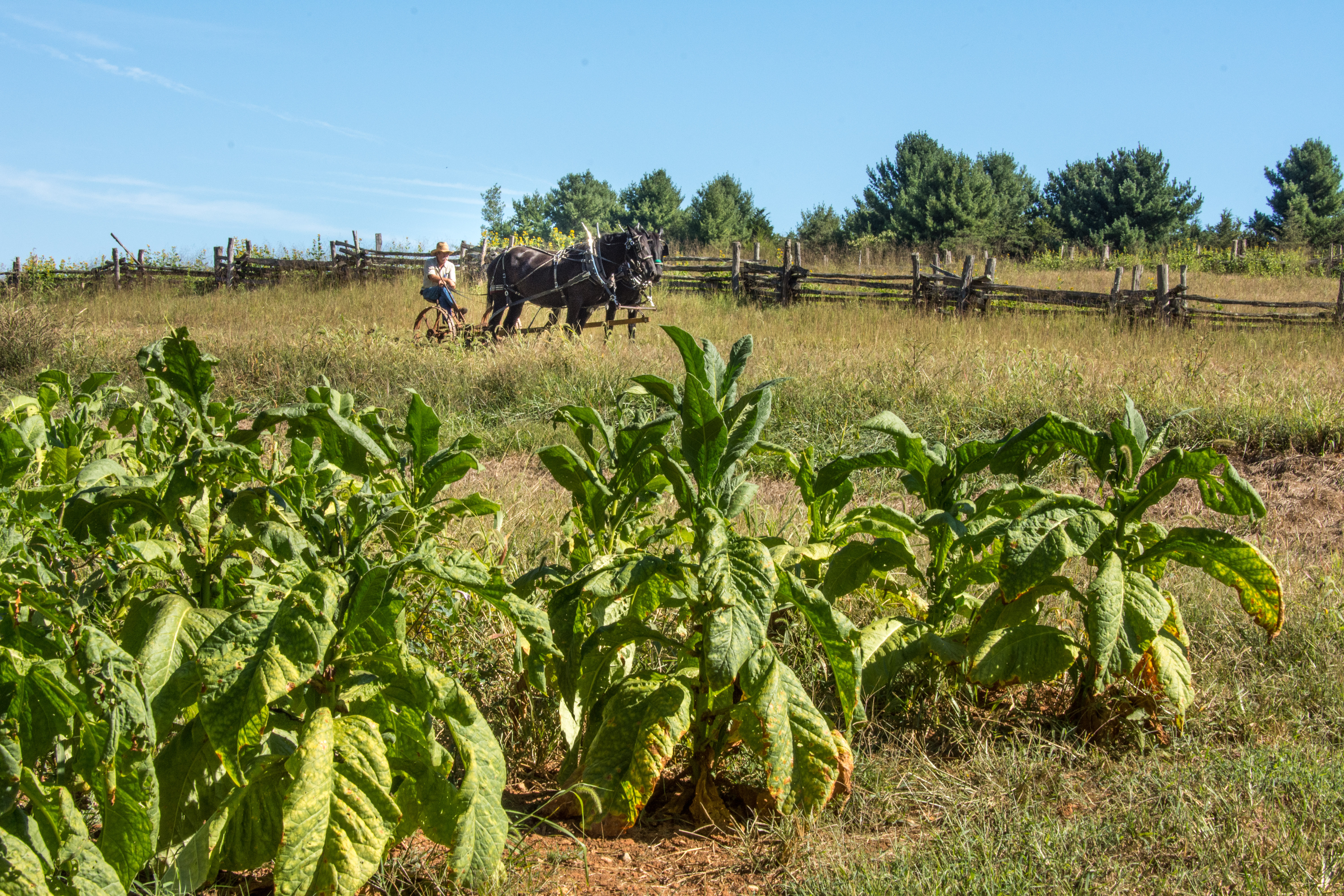 BOWADog-friendly
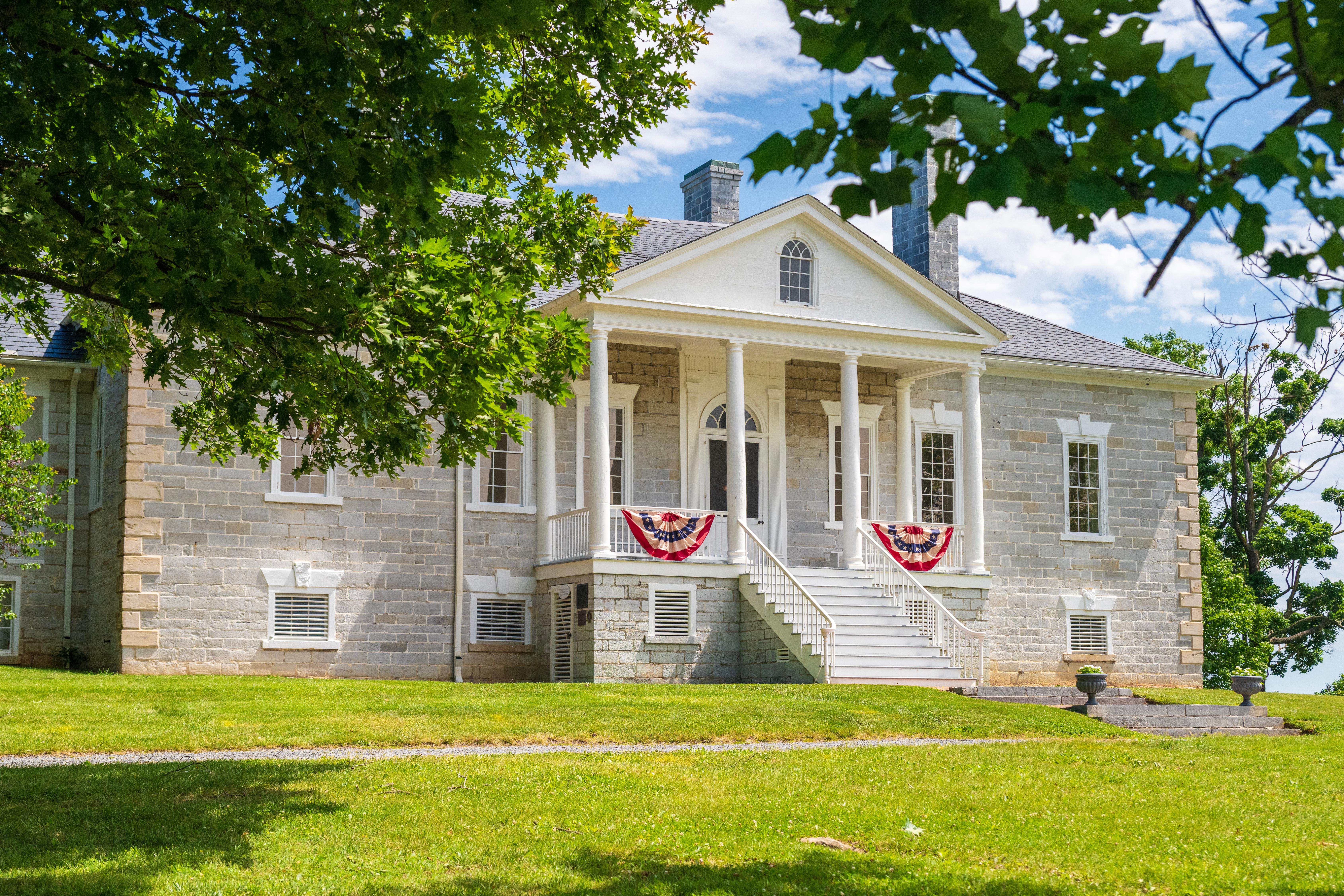 CEBEDog-friendly
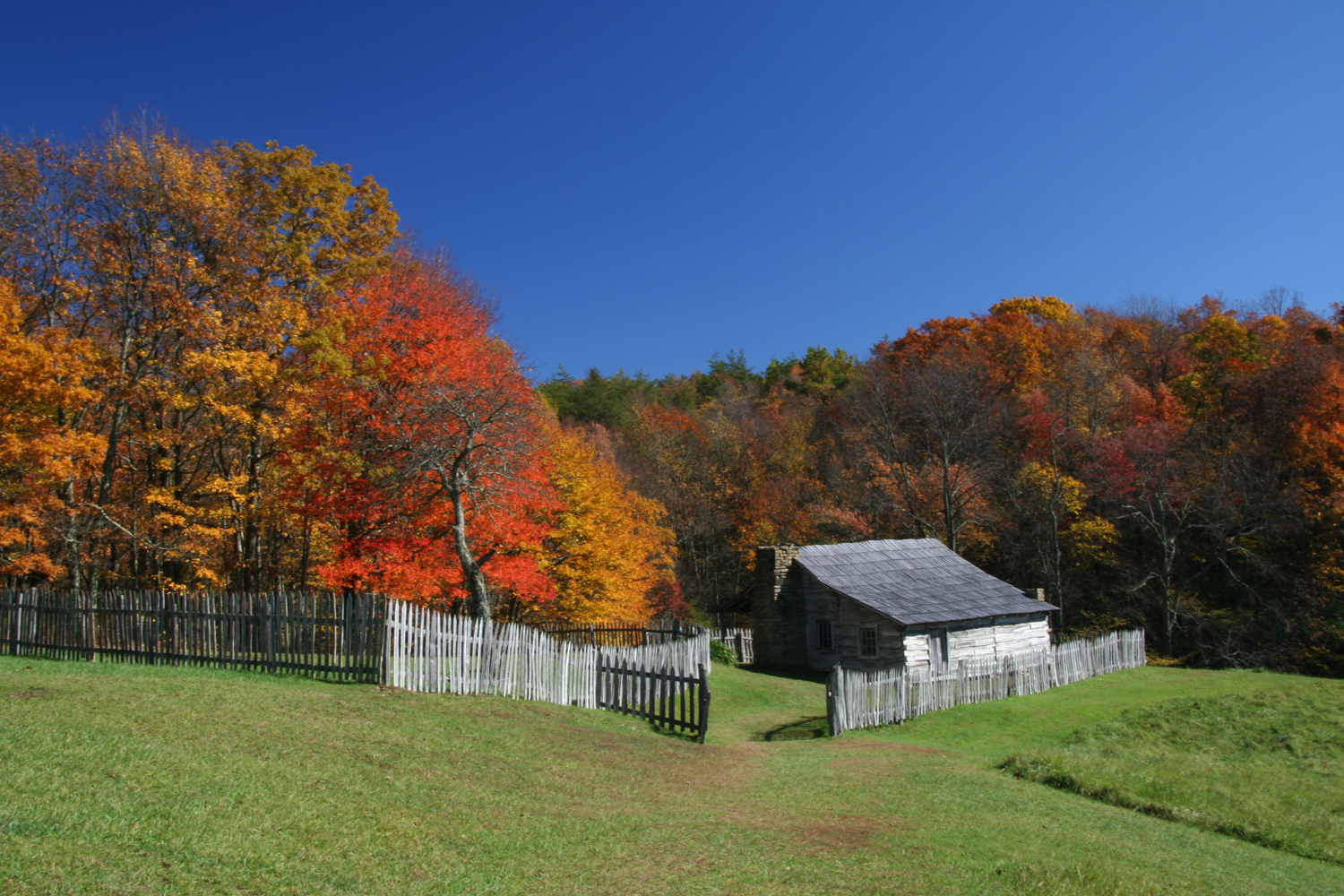 CUGADog-friendly
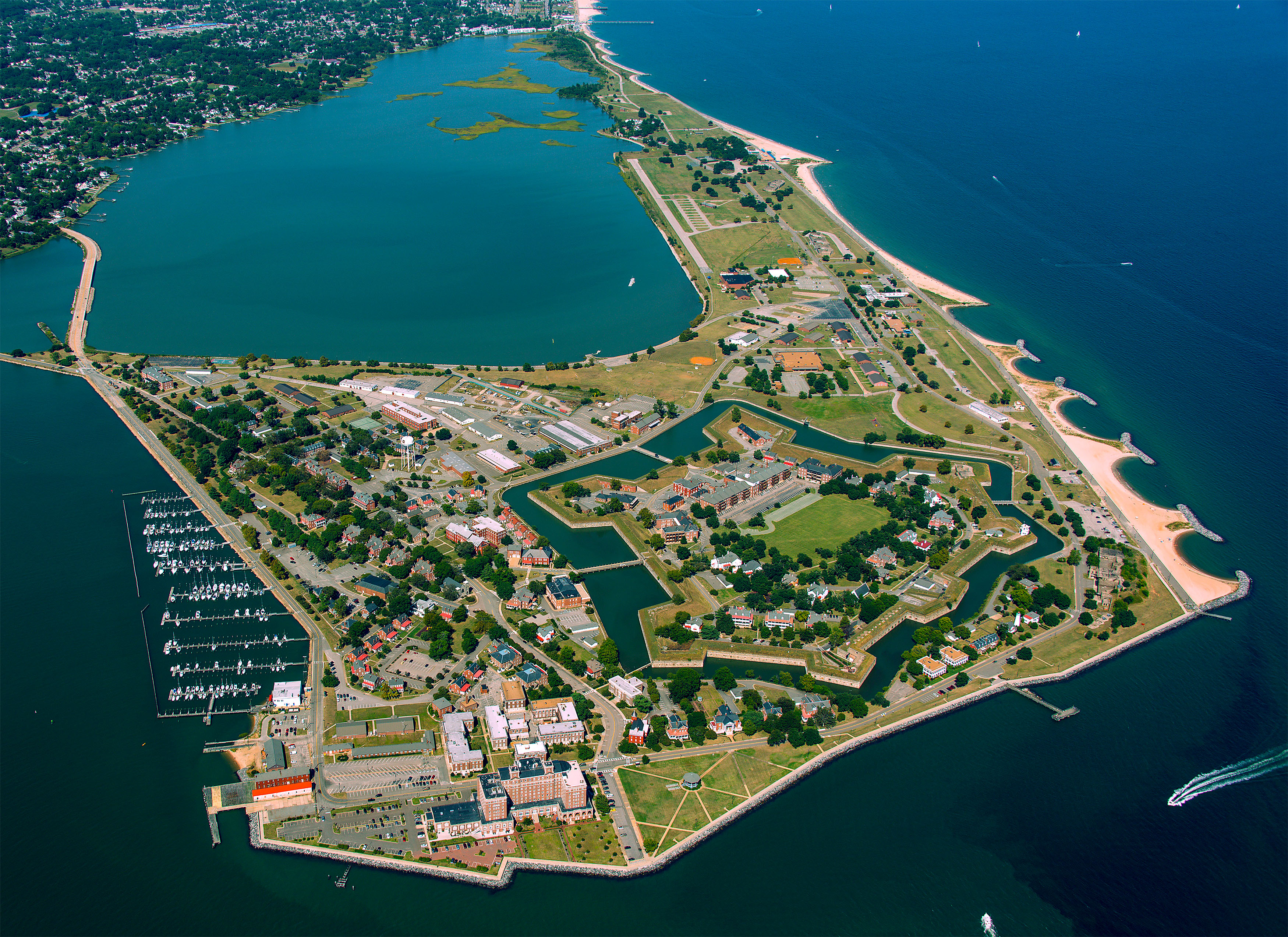 FOMRDog-friendly
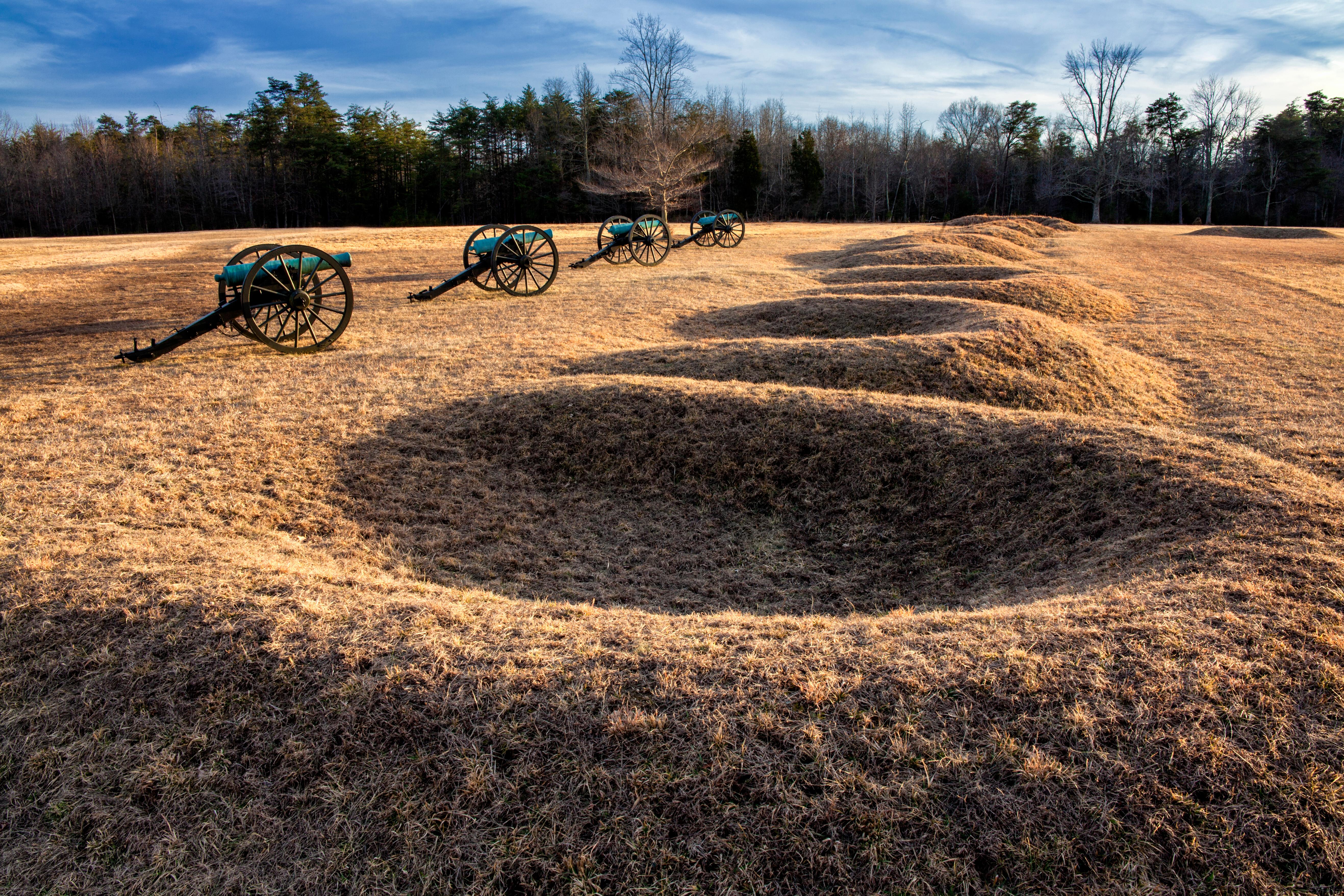 FRSPDog-friendly
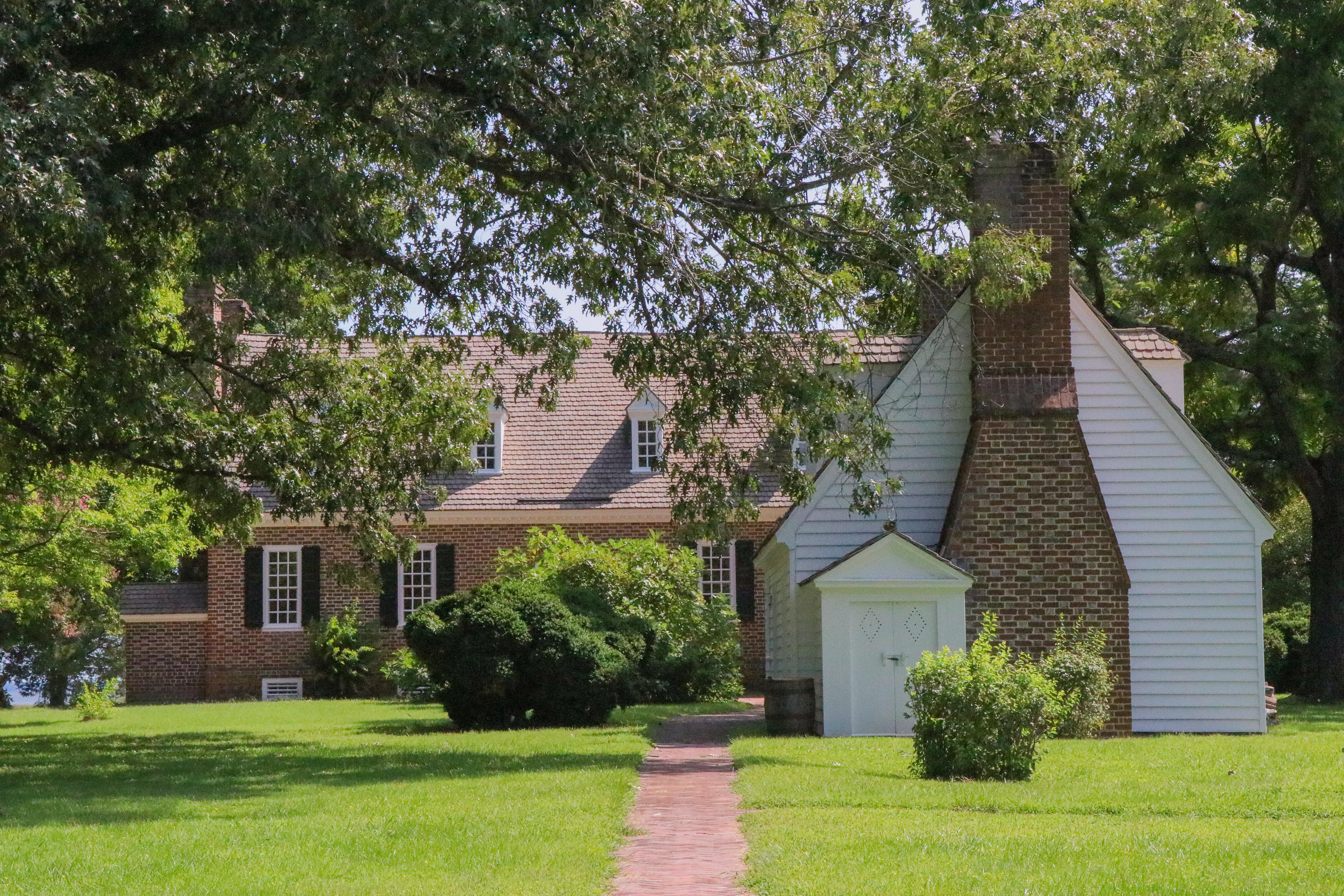 GEWADog-friendly
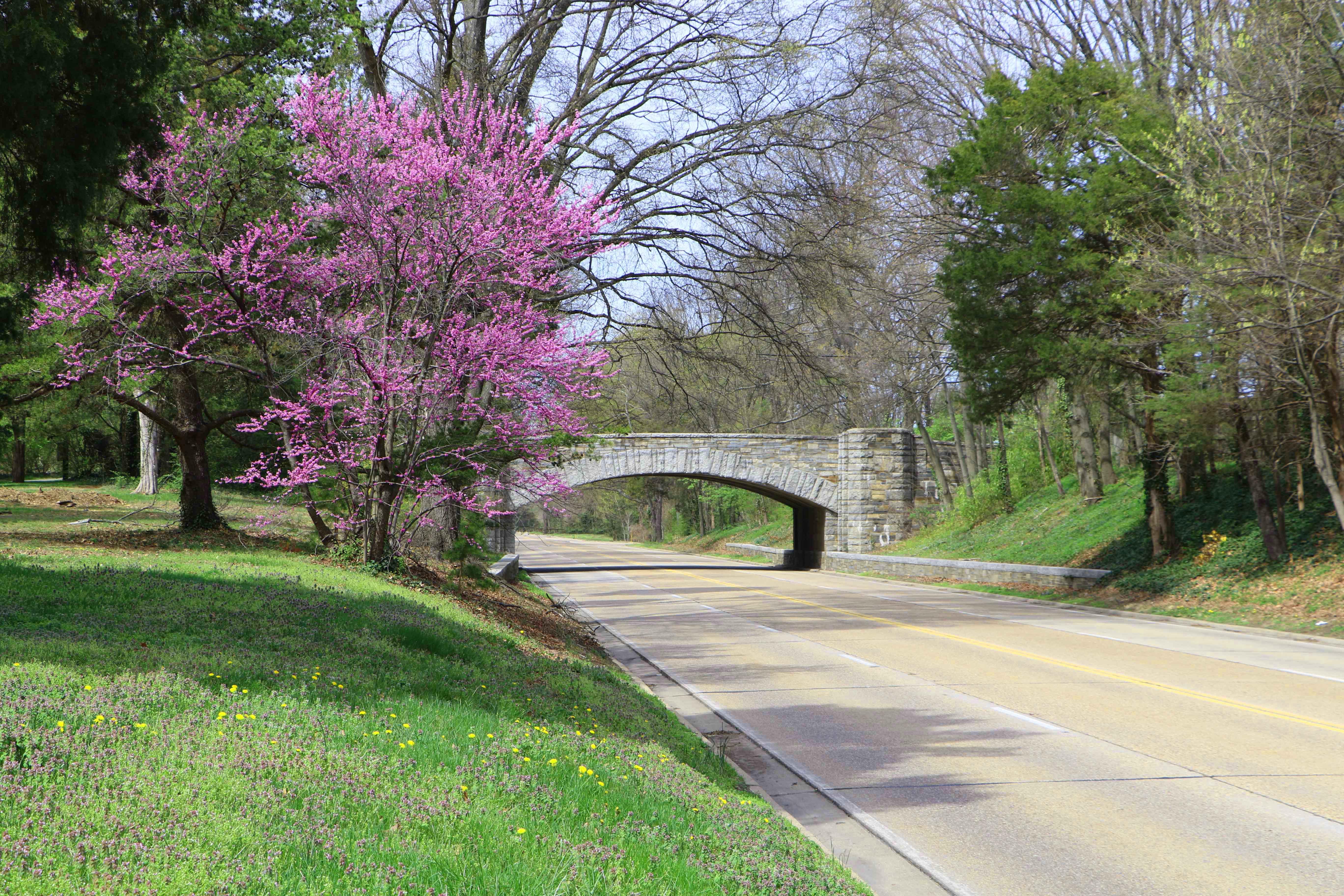 GWMPDog-friendly
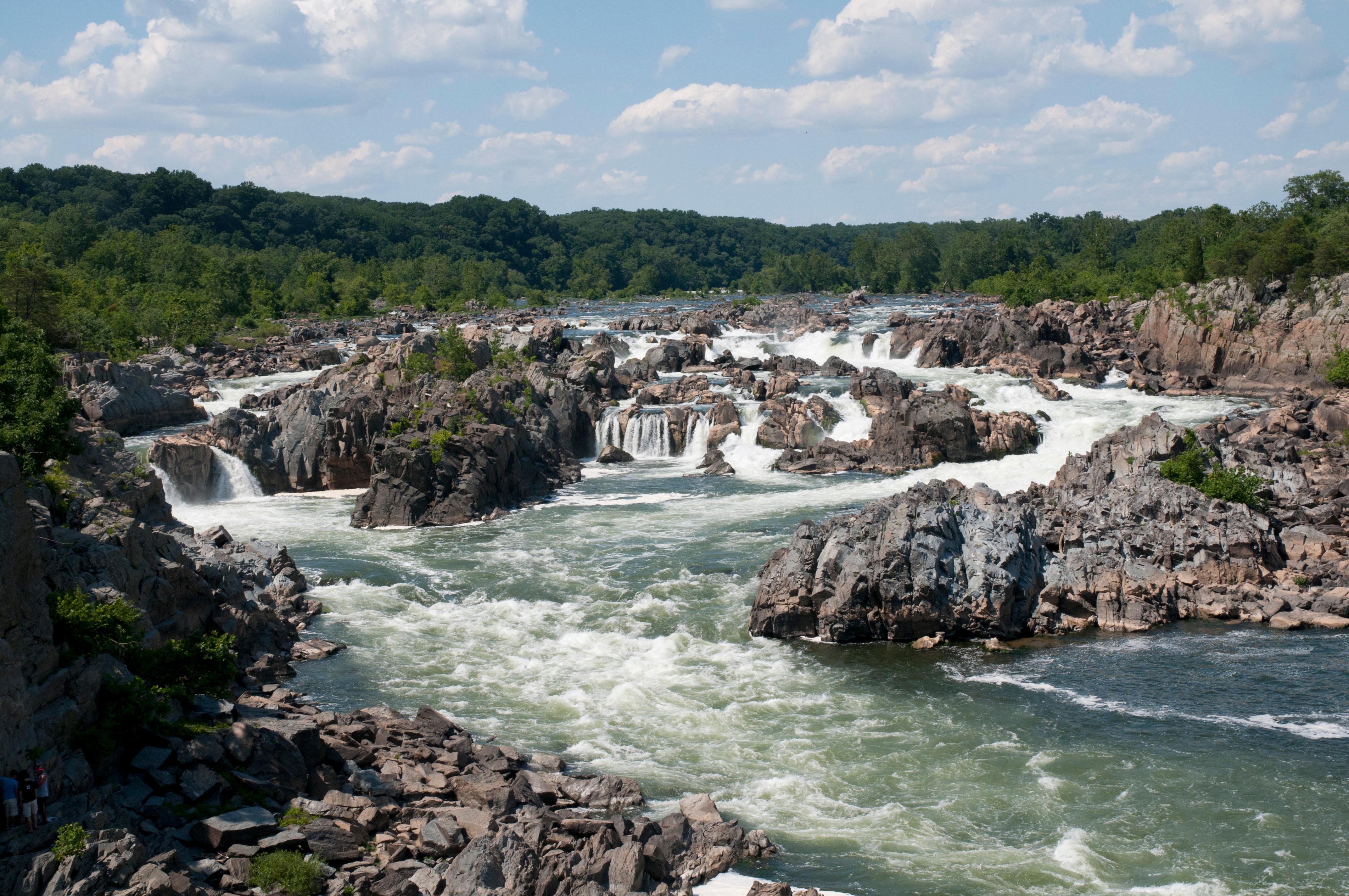 GRFADog-friendly
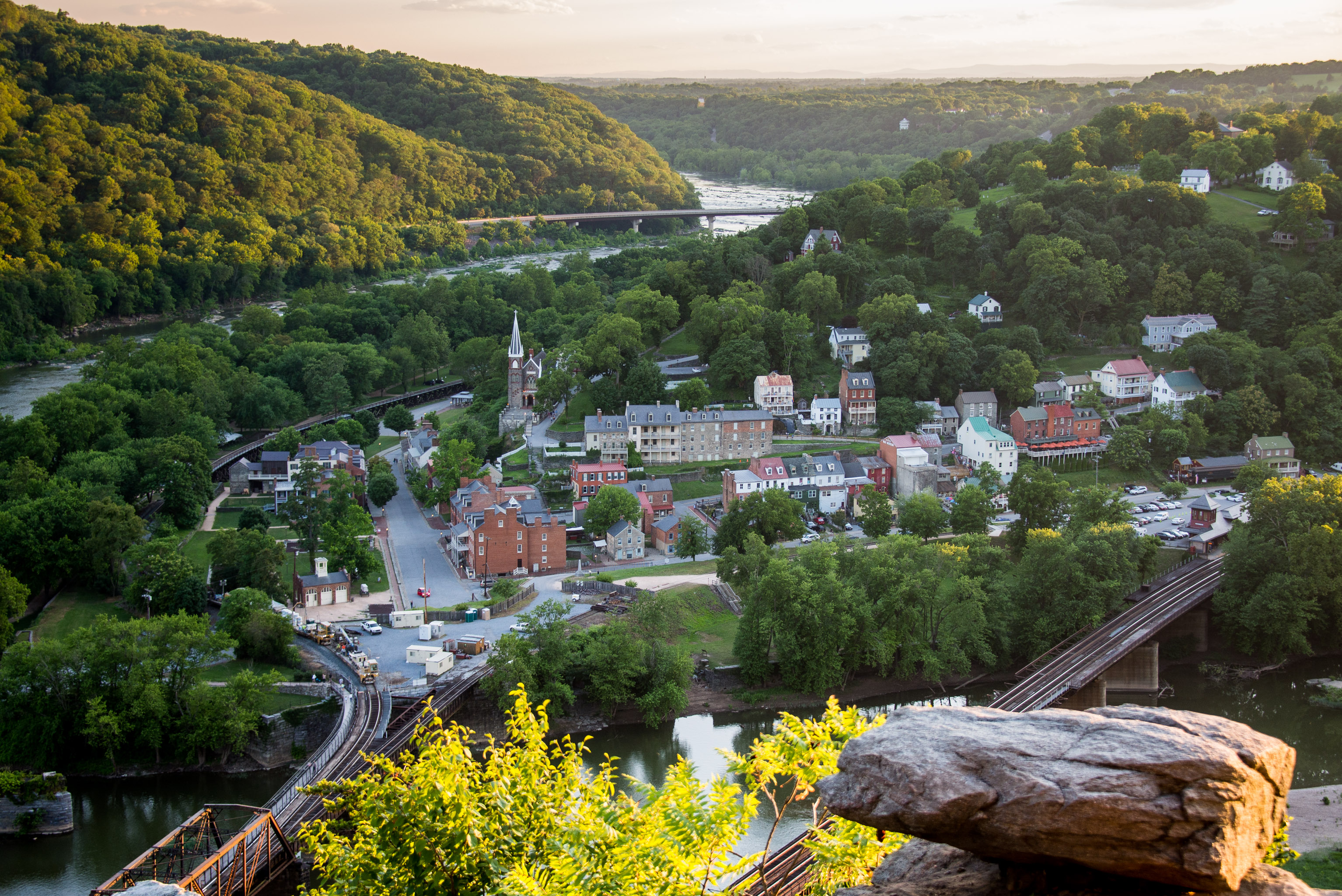 HAFEDog-friendly
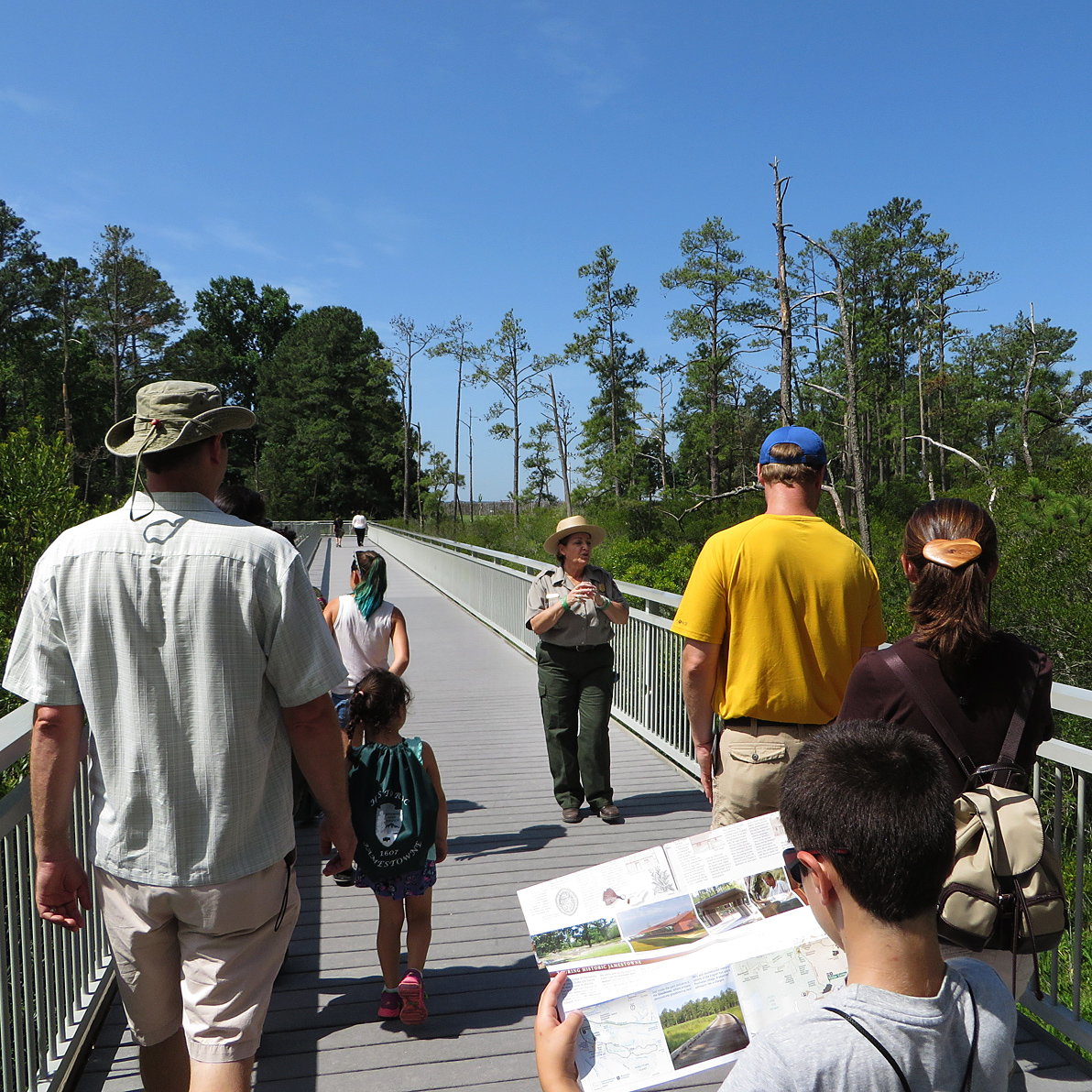 JAMEDog-friendly
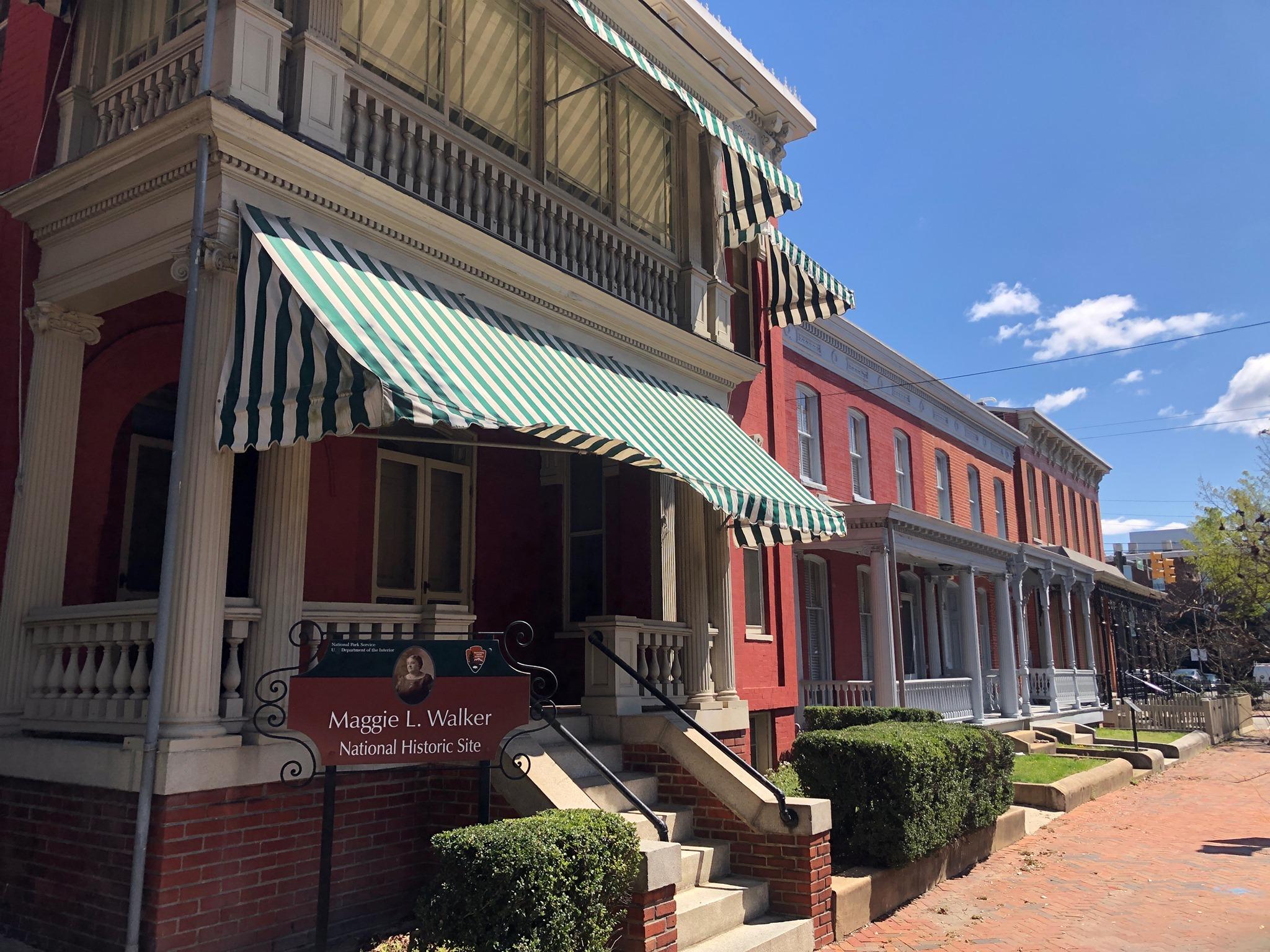 MAWADog-friendly
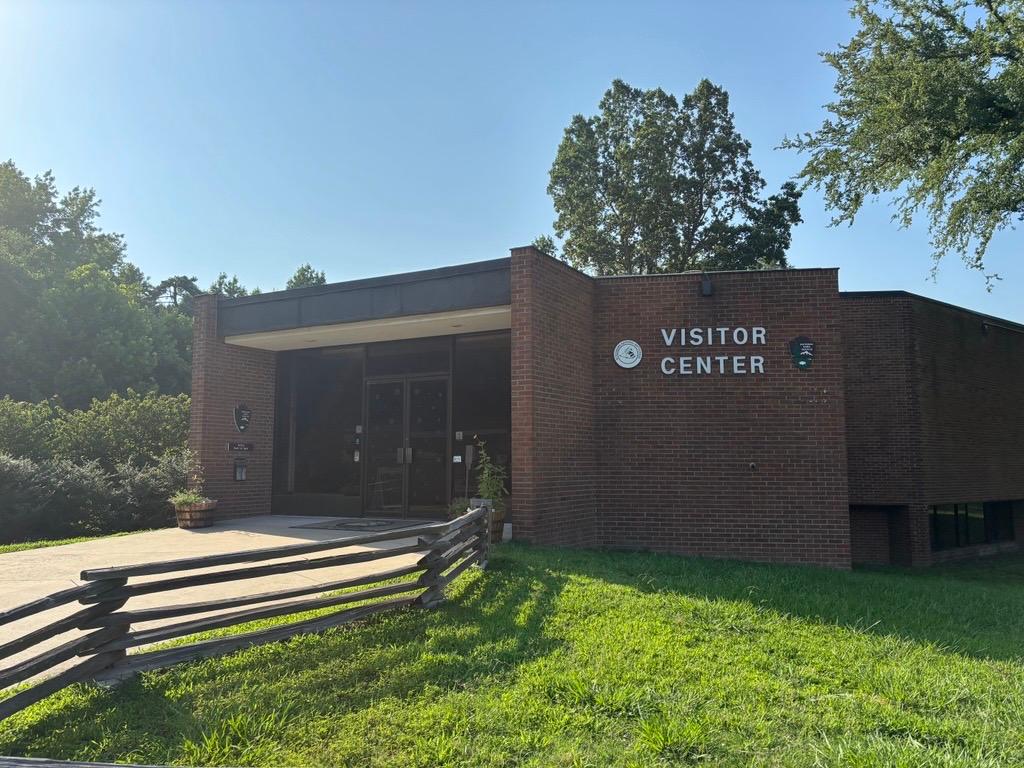 PETEDog-friendly
 PRWIDog-friendly
 RICHDog-friendly
 YORKDog-friendly
National forests and grasslands, broadly the friendliest federal land for a leashed dog.
National wildlife refuges in Virginia. These protect animals first, so dogs are often limited to certain trails or kept out, but a few welcome a leashed dog.
Beaches in Virginia where people ask about bringing a dog, with the off-leash spots and seasonal bans flagged.
Most Virginia state parks welcome leashed dogs on the trails, which makes the state system the easy, everywhere answer here. Yes. Most Virginia state parks welcome leashed dogs on trails.
The most-visited Virginia state parks, each checked for its own dog rule.
Spring and fall are ideal in Virginia, and Shenandoah's Skyline Drive peaks in October when the ridge turns full color.
Summers are humid, especially down in the Piedmont and coastal plain, so start early on the exposed ridge trails.
Ticks are a real statewide issue in the warm months, so check the dog after every hike, forest or battlefield alike.
Assateague is best in the shoulder seasons. Midsummer brings heavy bugs and crowded beaches, so aim for spring or fall if the ponies are the draw.
Mountain weather on Skyline Drive turns fast, so carry a layer even on a warm morning, since the ridge runs noticeably cooler than the valley floor below it.
Snow closes sections of Skyline Drive in winter, so call ahead if you're planning a cold-weather trip up on the ridge.
Mountain trails mean long days, cold water crossings, and real elevation, so pack for control and endurance.
Every rule here comes straight from the agency that runs the land, the National Park Service, the Forest Service, the BLM, or the Virginia state park system, and each place is date-stamped on its own page. Dog policies change with the season and the site, so use this to plan and always confirm on the official page before you load up the car. More on how we check it in our methodology.
Shenandoah is the trip to build around, a rare national park that says yes to your dog on nearly every trail. The forests, the parkway, and the battlefields fill in the rest of what might be the best all-around state in this guide for a leashed dog.
Yes. Virginia has 37 verified federal and state areas in this guide, and most of the state parks welcome leashed dogs on the trails. The national parks tend to be the strict ones, so those are listed separately below.
These national parks allow leashed dogs on at least some trails: Shenandoah. Check each page for the exact trails, since park rules are the tightest we cover.
Yes. Most Virginia state parks welcome leashed dogs on trails. Leashed dogs are generally allowed on trails, in campgrounds, and day-use areas across Virginia State Parks.
The tightest rules are usually inside the national parks and around sensitive wildlife or water areas. Swim beaches, some nature preserves, playgrounds, and park buildings are typically off-limits. Rules vary by park.