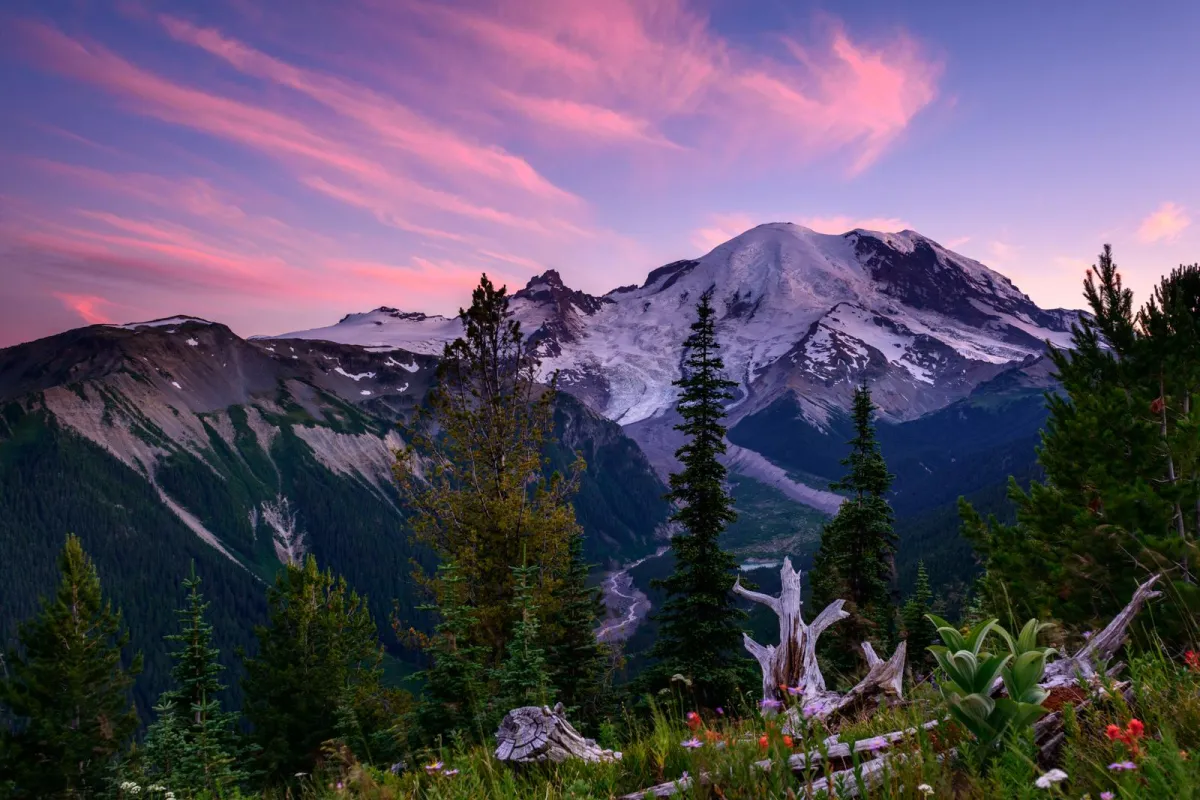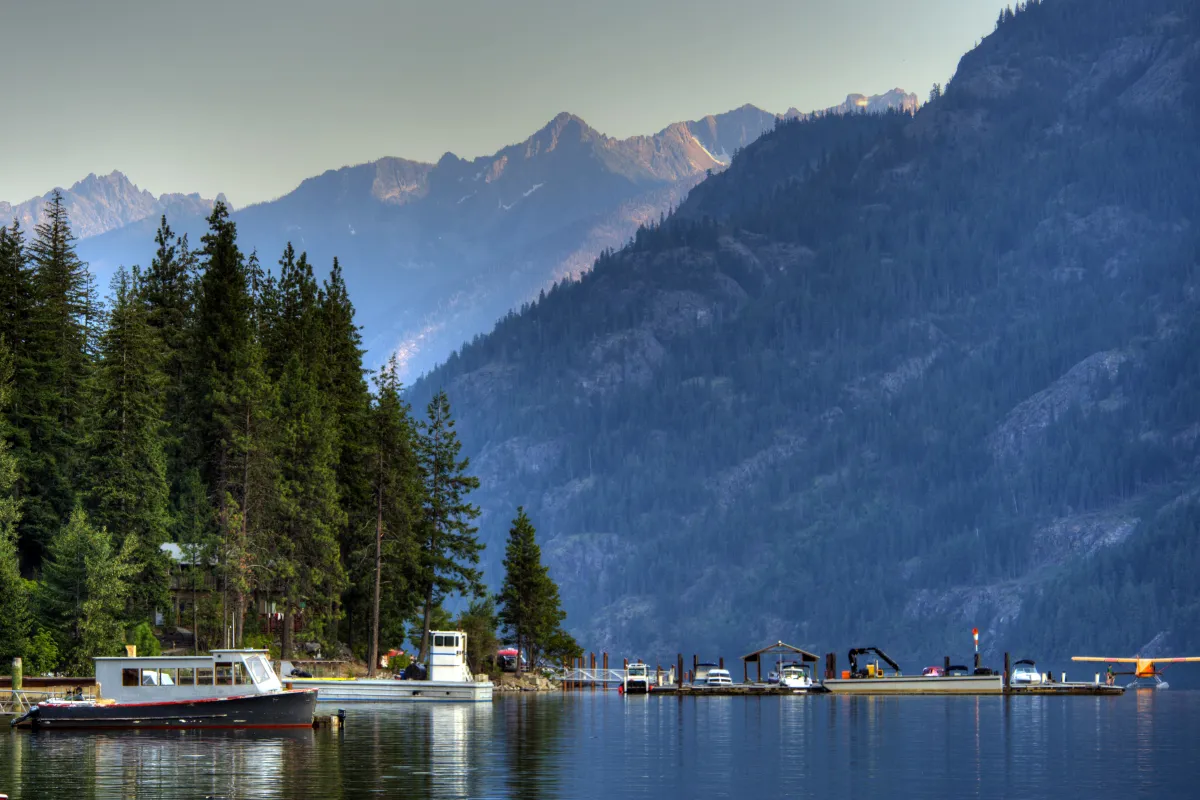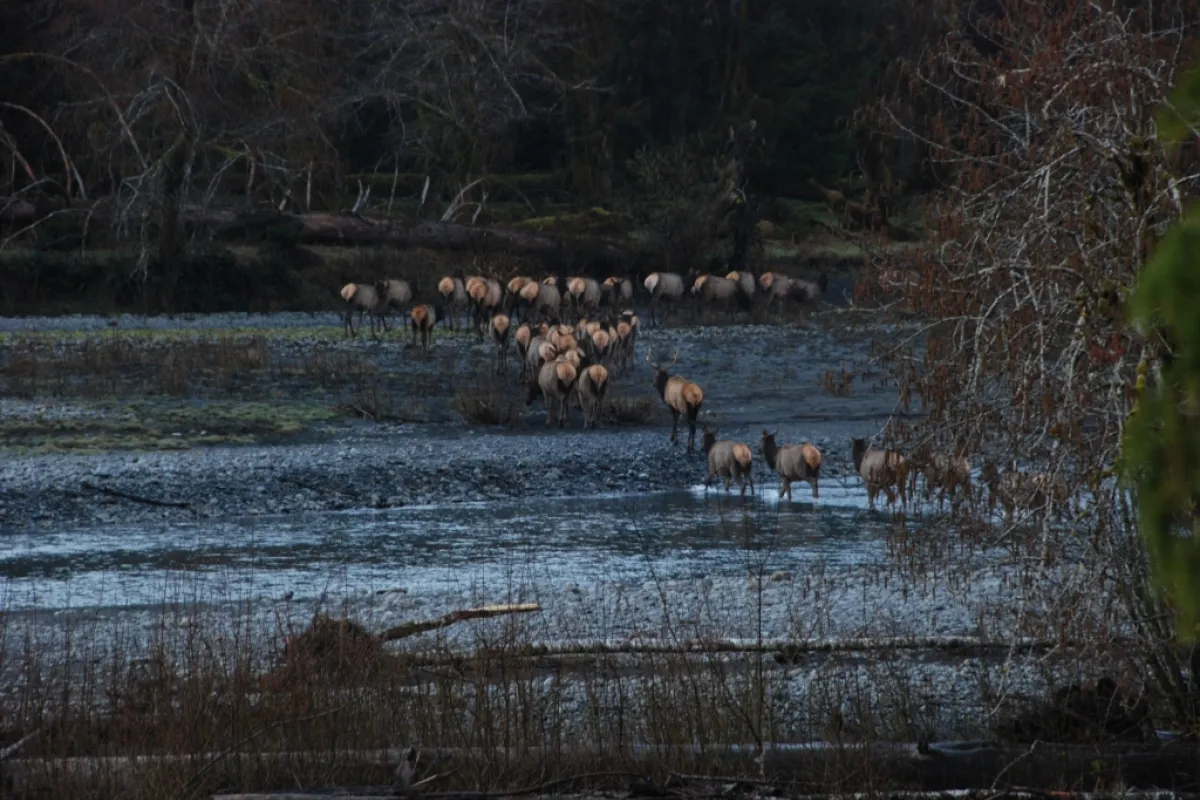

Washington gives you volcanoes, rainforest, and saltwater all in one state, and that same range makes it a mixed bag for a dog owner. Few states pack this much variety into one map.
The three national parks are the catch. Rainier keeps dogs off its trails entirely, and Olympic and North Cascades hold dogs to developed areas and roads instead of the backcountry.
Past the parks, the picture flips. Millions of acres of national forest surround all three, and nearly every one of them welcomes a leashed dog on the trail.
This guide pulls it together: the three parks and their limits, the seven national forests where you'll actually hike, the San Juan Islands, and the historic sites scattered through the state.
Here's the trick to hiking with a dog in Washington: aim for the national forests ringing the big parks, not the parks themselves. The scenery barely changes once you cross the boundary.
The Olympic National Forest wraps around the peninsula's edges, giving you rainforest valley and ridge without the park's stricter trail rules.
Around Rainier and up into the Cascades, the Mount Baker-Snoqualmie forest and the Okanogan-Wenatchee cover a huge share of the range, alpine lake after alpine lake, all open to a leashed dog. Both forests get busy in summer, so an early trailhead start pays off.
Down south, the Gifford Pinchot forest wraps Mount St. Helens and adds old growth and volcanic ground of its own, a strange and striking mix inside the same forest.
Up in the northeast corner, the Colville National Forest picks up quieter, less crowded country near the Canadian border, and the Umatilla reaches into the southeast corner near the Oregon line.
A slice of the Idaho Panhandle forest even reaches over into Washington's eastern edge, proof that these forest boundaries rarely follow state lines.
One rule everywhere: 6-foot leash, dog under control, in the forest and at the trailhead both.
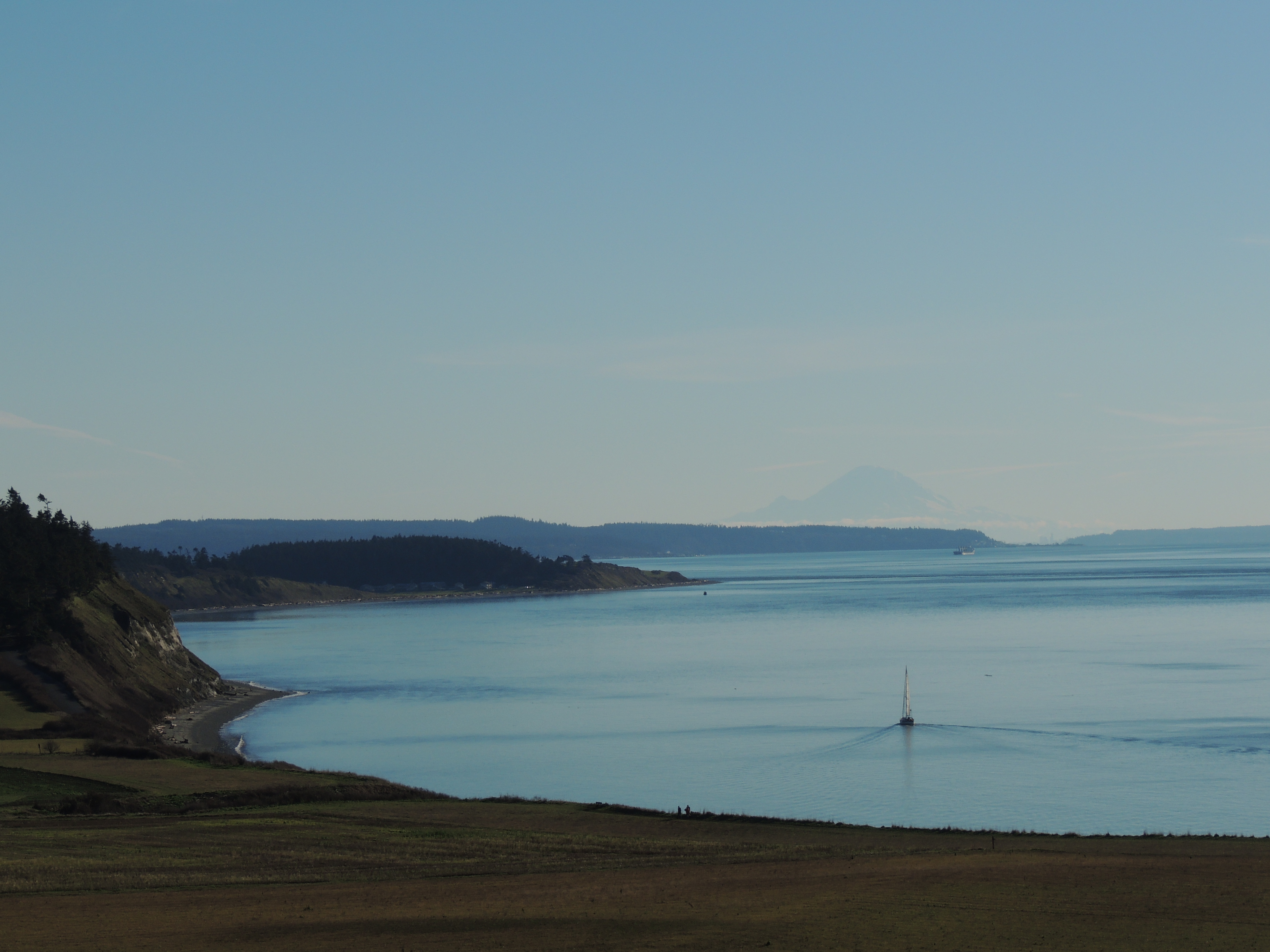
For something different, the San Juan Islands National Monument spreads across the islands and the water between them, quiet shoreline that a leashed dog is welcome to walk.
Add the state park system for the easy, close-to-home days, and there's rarely a stretch of Washington more than an hour from a good leashed trail.
So plan your dog days around the national forests and the San Juan Islands, not around Rainier, Olympic, or North Cascades. You'll get more trail and a lot less rulebook.
Washington's three national parks are where the rules turn strict, so know before you go.
Mount Rainier is the toughest. No dogs on any trail, developed areas only, so plan that visit as a scenic day, not a hiking one.
Olympic holds dogs to developed areas, roads, and overlooks rather than the trails, which rules out most of the rainforest and coastal hikes people picture when they think of the park.
North Cascades plays by the same rule: developed areas, roads, and overlooks, not the trails, so save the real hiking for the national forest surrounding it.
National monuments, historic sites, recreation areas, and other Park Service land in Washington, often more open to a leashed dog than the headline parks.
 EBLADog-friendly
 FOVADog-friendly
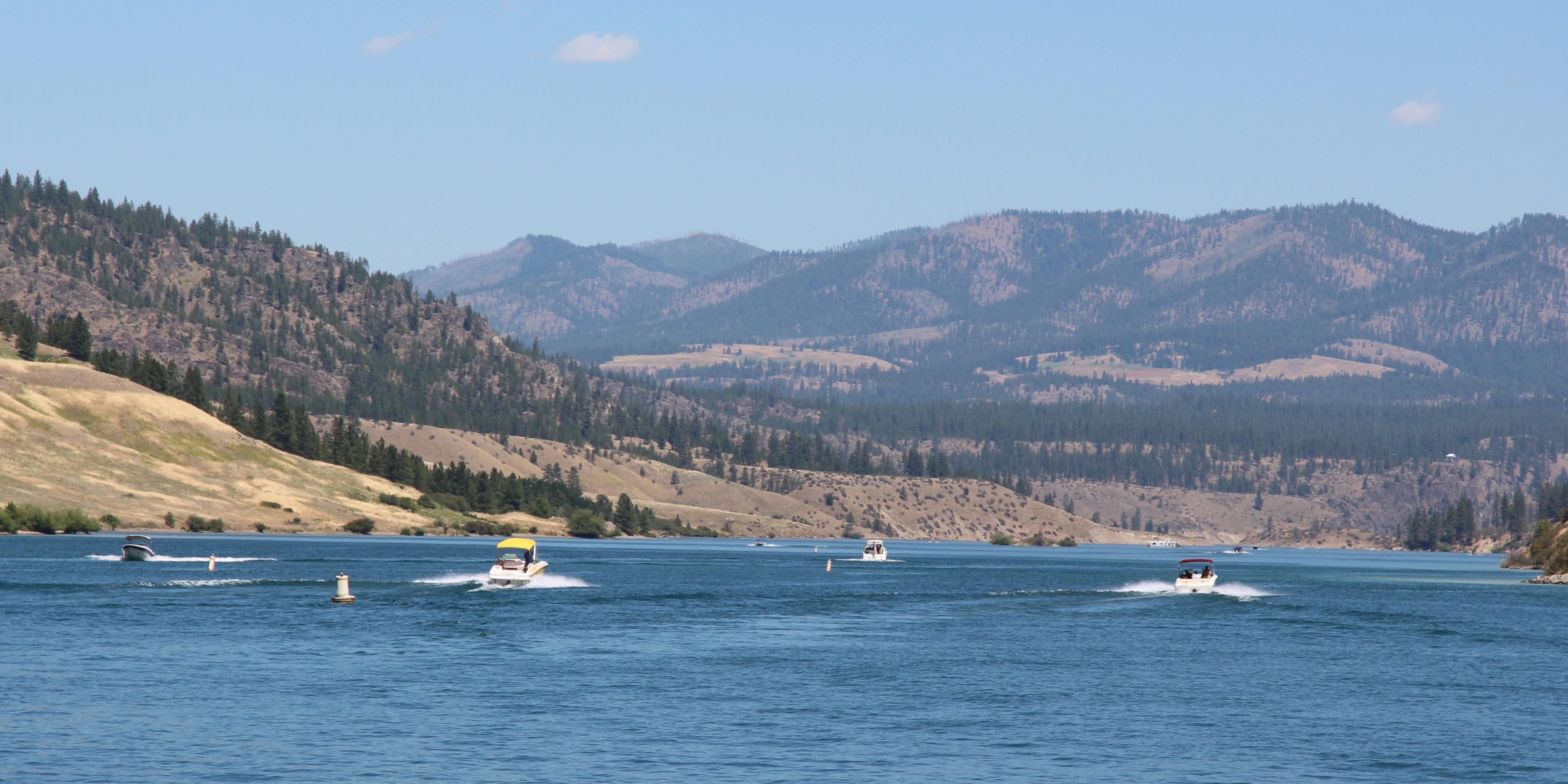 LARODog-friendly
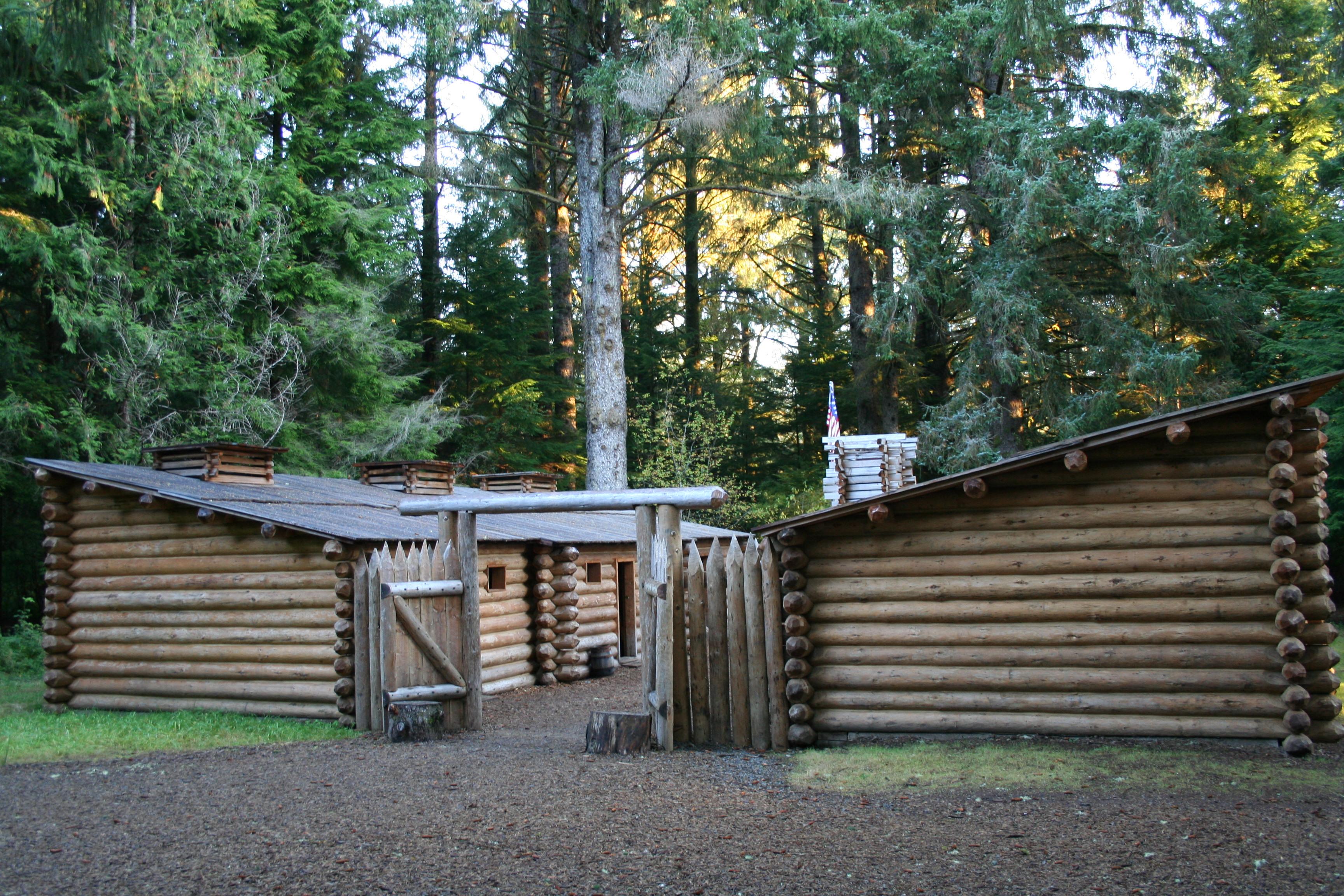 LEWIDog-friendly
 MAPRLimited access
 MIINBanned on trails
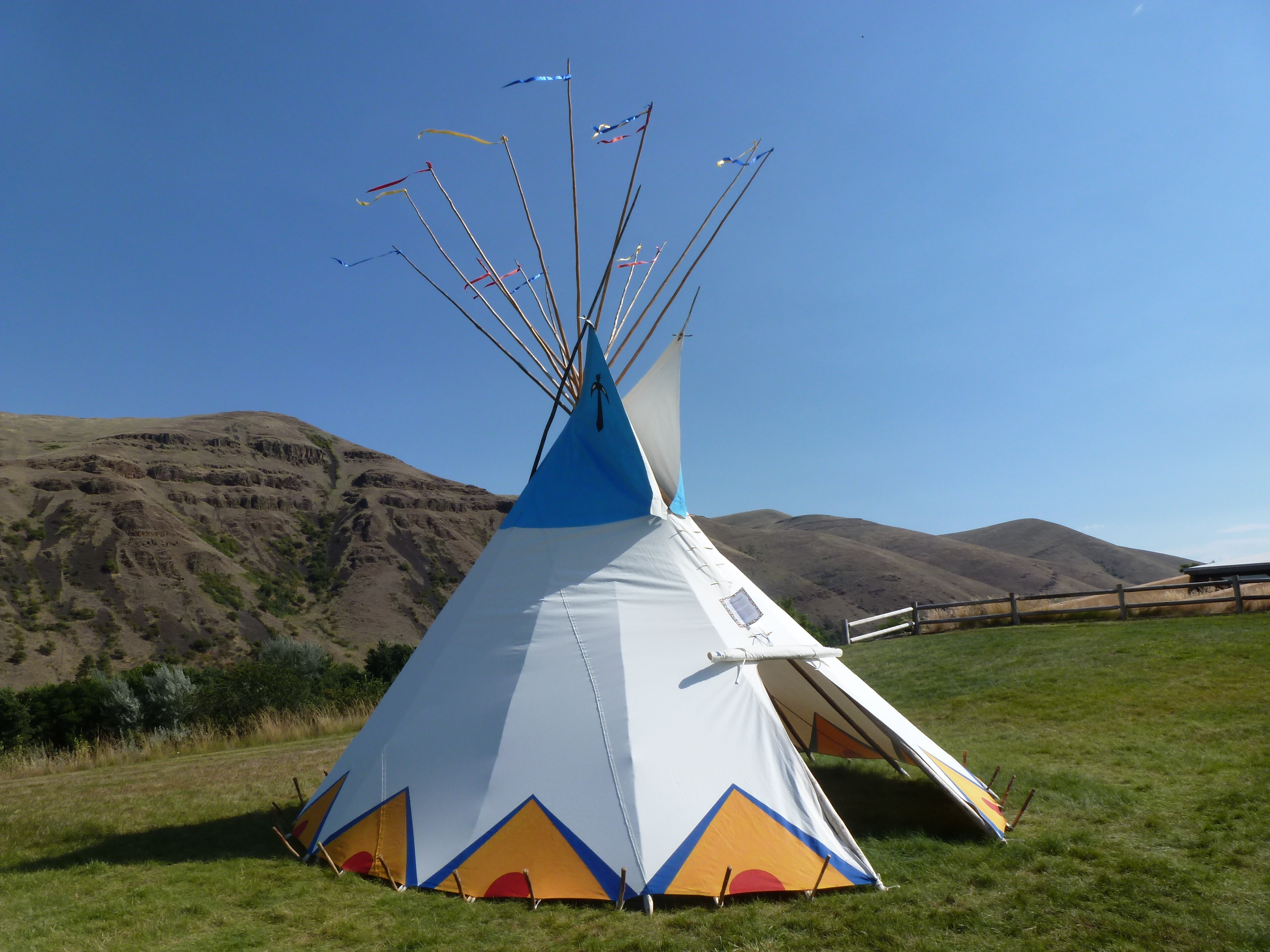 NEPEDog-friendly
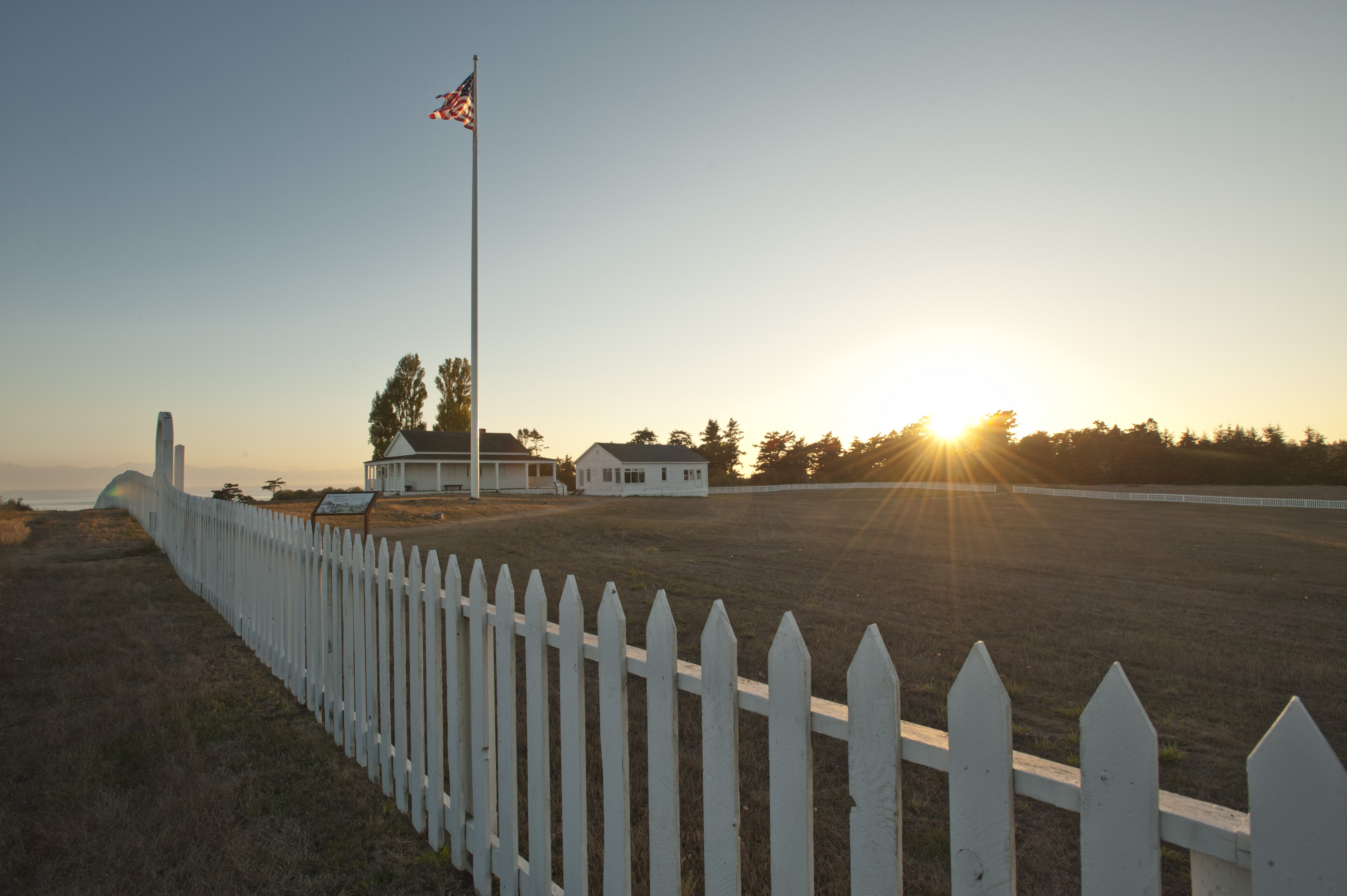 SAJHDog-friendly
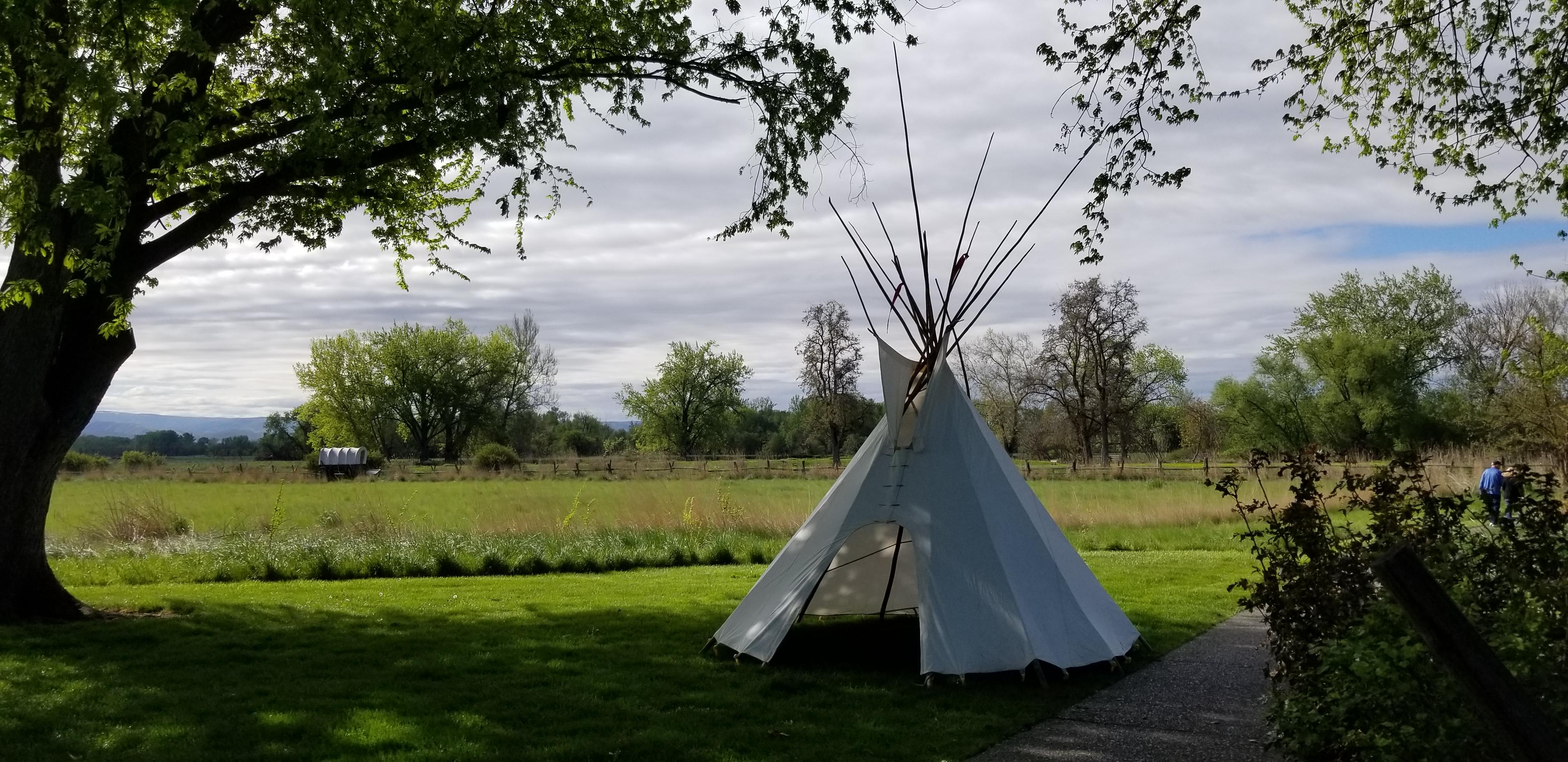 WHMIDog-friendly
National forests and grasslands, broadly the friendliest federal land for a leashed dog.
Bureau of Land Management country, open and mostly welcoming to a leashed dog.
National wildlife refuges in Washington. These protect animals first, so dogs are often limited to certain trails or kept out, but a few welcome a leashed dog.
Beaches in Washington where people ask about bringing a dog, with the off-leash spots and seasonal bans flagged.
Most Washington state parks welcome leashed dogs on the trails, which makes the state system the easy, everywhere answer here. Yes. Most Washington state parks welcome leashed dogs on trails.
The most-visited Washington state parks, each checked for its own dog rule.
The coast and lowlands hike well most of the year, while the high country in the Cascades and Olympics only opens up once summer melts the snow. Snowpack can linger into July in a heavy year.
Rain is just part of life here outside of summer, so pack for wet and don't expect dry trail even in the shoulder seasons.
The east side of the state runs dry and can get hot in summer, so carry extra water if you're hiking the Colville or Umatilla forests.
Mountain weather turns fast, clear to stormy in the same afternoon, so pack a layer even on a sunny morning.
Ticks show up in the grassy lowlands come spring, and black bears live in the forests statewide, so keep your dog close and make some noise on blind corners.
Trailhead parking fills up early on summer weekends near the big parks, so an early start helps even on the forest side of the boundary.
Mountain trails mean long days, cold water crossings, and real elevation, so pack for control and endurance.
Every rule here comes straight from the agency that runs the land, the National Park Service, the Forest Service, the BLM, or the Washington state park system, and each place is date-stamped on its own page. Dog policies change with the season and the site, so use this to plan and always confirm on the official page before you load up the car. More on how we check it in our methodology.
So here's Washington in a sentence: skip the trails at Rainier, Olympic, and North Cascades with the dog, and spend your time in the national forests surrounding them instead. Same mountains, same views, a lot more room for a leash.
Yes. Washington has 37 verified federal and state areas in this guide, and most of the state parks welcome leashed dogs on the trails. The national parks tend to be the strict ones, so those are listed separately below.
The national parks in Washington mostly hold dogs to paved areas, roads, and campgrounds rather than the trails. Each park page spells out exactly where a dog can go.
Yes. Most Washington state parks welcome leashed dogs on trails. Leashed dogs are generally allowed on trails, in campgrounds, and day-use areas across Washington State Parks.
The tightest rules are usually inside the national parks and around sensitive wildlife or water areas. Swim beaches, some nature preserves, playgrounds, and park buildings are typically off-limits. Rules vary by park.