

Idaho doesn't get talked about enough for hiking with a dog, and that's a mistake on everyone's part. The state quietly holds some of the best forest hiking in the country.
There's no national park in the whole state, which means none of the strict trail rules that trip up dog owners elsewhere. What Idaho has instead is forest, more of it than you could cover in a lifetime, and nearly all of it says yes to a leashed dog.
The closest thing to a holdout isn't a national park at all. Craters of the Moon keeps dogs off its trails to protect that volcanic ground, so that one's a look-but-don't-hike stop, best saved for a short walk near the visitor center.
This guide pulls it together: the national forests where you'll spend most of your days and the quiet BLM canyon country beyond them, each one checked against the agency that runs it.
Here's the simple version: point the car at almost any national forest boundary in Idaho and a leashed dog is welcome on the trail. It really is close to that easy.
Idaho has eleven of them, more than almost any other state, and together they cover the whole shape of the state, from the Panhandle down to the Nevada line.
Up north, the Idaho Panhandle National Forests and the Kootenai run through cedar and hemlock country near Coeur d'Alene and Sandpoint, moist and green in a way that surprises people who think "Idaho" means desert.
Middle of the state, the Nez Perce-Clearwater and Salmon-Challis forests hold the deepest canyons and the wildest rivers, the Bitterroot forest picks up the range along the Montana line, and the Payette fills in the mountains north of Boise.
Closer to the capital, the Boise National Forest and the Sawtooth give you granite peaks and alpine lakes within a short drive of the city, and the Sawtooths alone are worth planning a whole trip around.
Down in the southeast corner, the Caribou-Targhee and a slice of the Uinta-Wasatch-Cache add high plateau country near the Wyoming and Utah lines, sagebrush flats giving way to high timber.
Along the western edge, a slice of the Wallowa-Whitman National Forest crosses over from Oregon too, proof that Idaho's forest doesn't respect state lines.
One rule to remember everywhere: 6-foot leash in developed spots, dog under control out on the trail. That's the whole deal, forest to forest.
For something different, the Snake River Plain holds two BLM units worth the detour. Bruneau Canyon Overlook drops you at the rim of a deep slot canyon cut into the desert floor, and Morley Nelson Snake River Birds of Prey National Conservation Area is exactly what it sounds like, cliffs full of raptors above the river.
So plan your dog days around the national forests and that stretch of BLM canyon country, not around chasing the volcanic ground at Craters of the Moon. There's more good trail here than you'll ever run out of.
National monuments, historic sites, recreation areas, and other Park Service land in Idaho, often more open to a leashed dog than the headline parks.
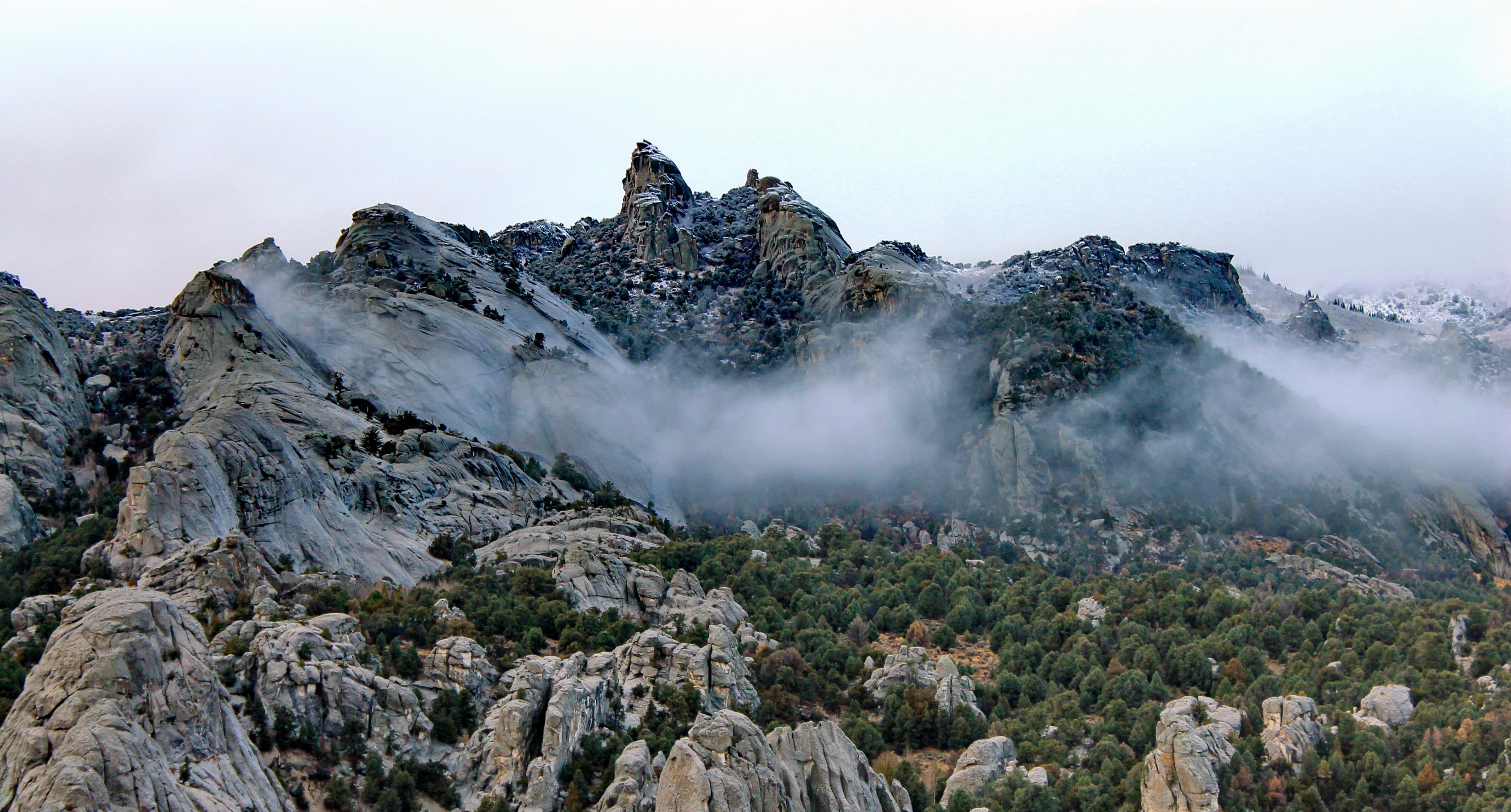 CIRODog-friendly
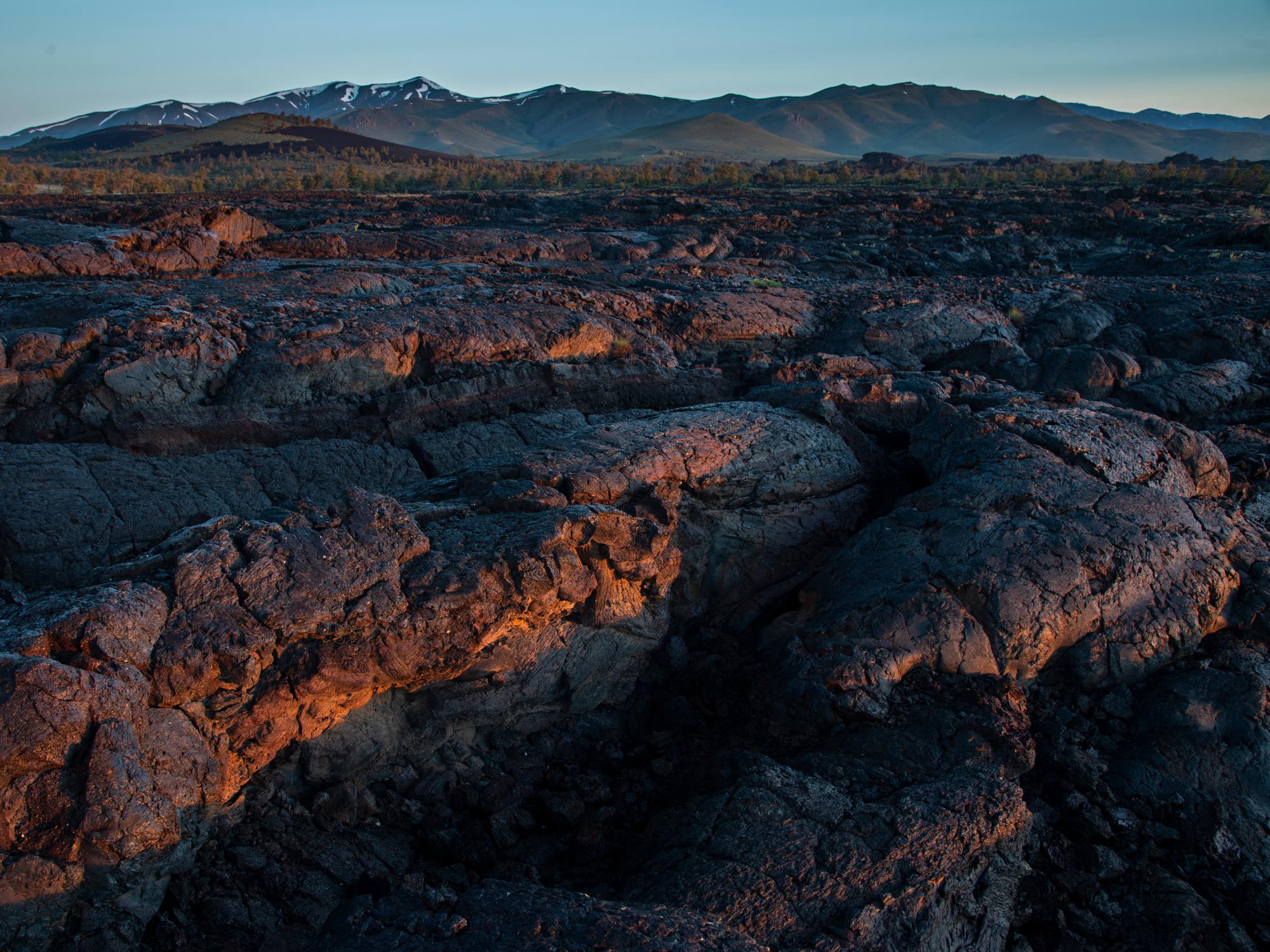 CRMOBanned on trails
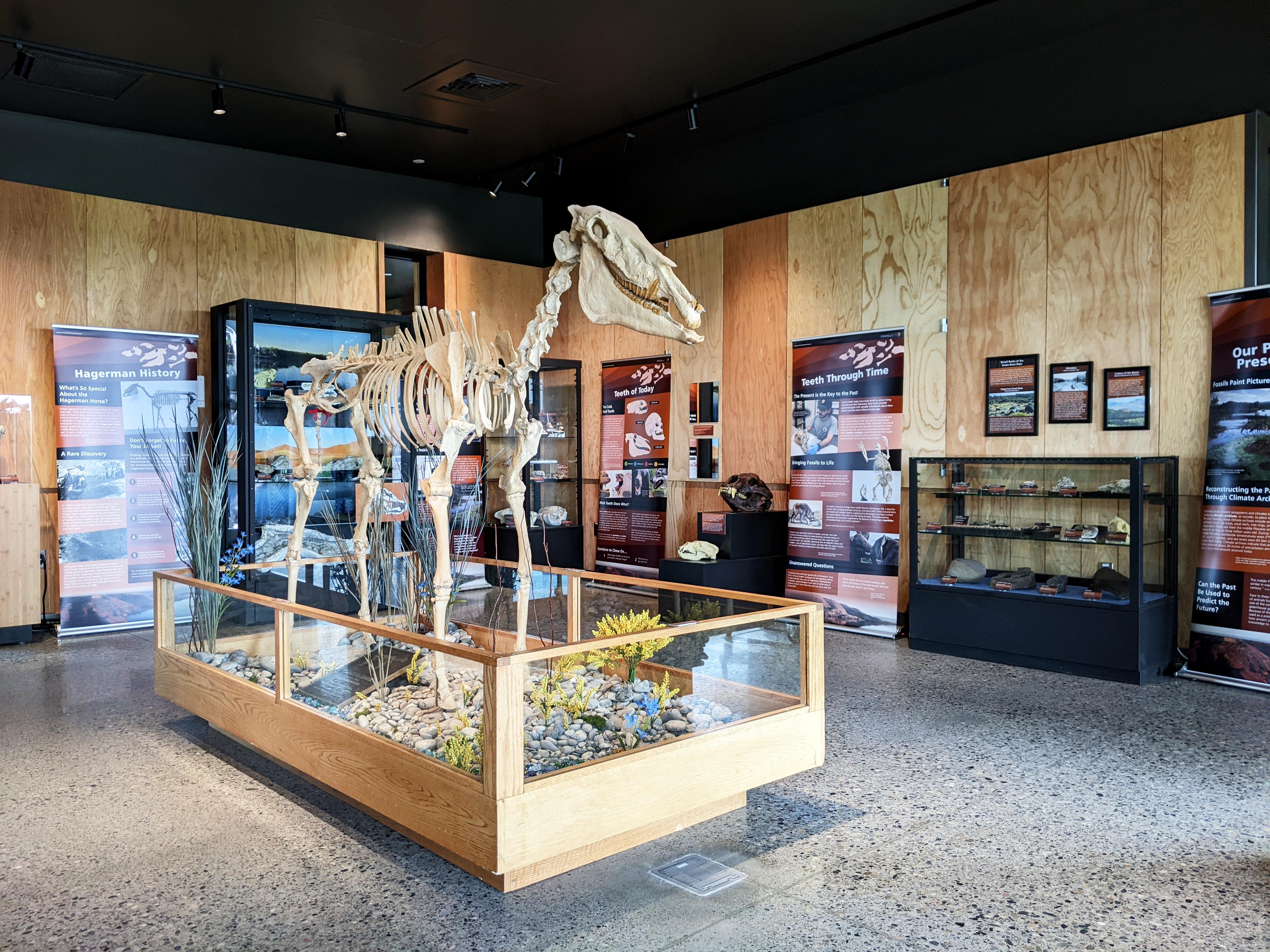 HAFOBanned on trails
 MIINBanned on trails
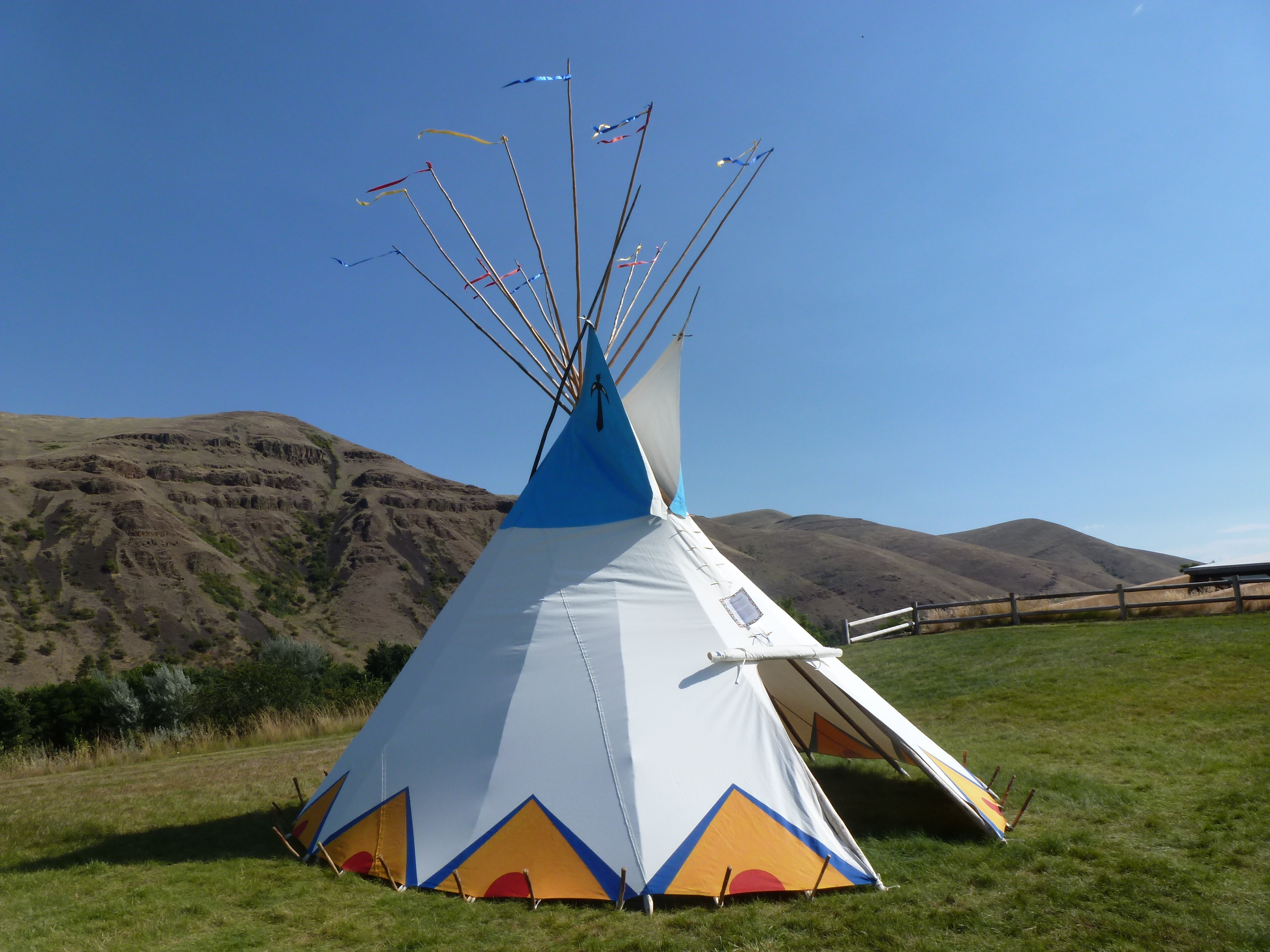 NEPEDog-friendly
National forests and grasslands, broadly the friendliest federal land for a leashed dog.
Bureau of Land Management country, open and mostly welcoming to a leashed dog.
National wildlife refuges in Idaho. These protect animals first, so dogs are often limited to certain trails or kept out, but a few welcome a leashed dog.
Most Idaho state parks welcome leashed dogs on the trails, which makes the state system the easy, everywhere answer here. Yes. Most Idaho state parks welcome leashed dogs on trails.
The most-visited Idaho state parks, each checked for its own dog rule.
High country in Idaho opens up in summer and holds through early fall, while the low canyon country is often your best bet in spring before the heat sets in. Time it right and you can chase good weather most of the year.
Snow lingers on the forest trails well into June at higher elevations, so early-season trips mean sticking to the lower ground. Check trail reports before a spring trip up high.
Carry more water than feels necessary. Idaho's high desert and canyon country dries a dog out fast, and shade isn't always where you want it.
Ticks show up in spring in the brush and grass, so check your dog after any hike through the lower forests. A quick check at the car saves trouble later.
Bears are a real presence in the north, especially the Panhandle and Kootenai country, so make noise on blind corners and keep the dog close.
Hunting season matters in the national forests come fall, so put some blaze orange on the dog if you're out there in October or November.
Mountain trails mean long days, cold water crossings, and real elevation, so pack for control and endurance.
Every rule here comes straight from the agency that runs the land, the National Park Service, the Forest Service, the BLM, or the Idaho state park system, and each place is date-stamped on its own page. Dog policies change with the season and the site, so use this to plan and always confirm on the official page before you load up the car. More on how we check it in our methodology.
So here's Idaho in a sentence: skip the volcanic ground at Craters of the Moon, and spend your time in the eleven national forests and the Snake River canyon country, where a leashed dog is welcome nearly everywhere you look.
Yes. Idaho has 27 verified federal and state areas in this guide, and most of the state parks welcome leashed dogs on the trails. The national parks tend to be the strict ones, so those are listed separately below.
Yes. Most Idaho state parks welcome leashed dogs on trails. Leashed dogs are generally allowed on trails, in campgrounds, and day-use areas across Idaho State Parks.
The tightest rules are usually inside the national parks and around sensitive wildlife or water areas. Swim beaches, some nature preserves, playgrounds, and park buildings are typically off-limits. Rules vary by park.