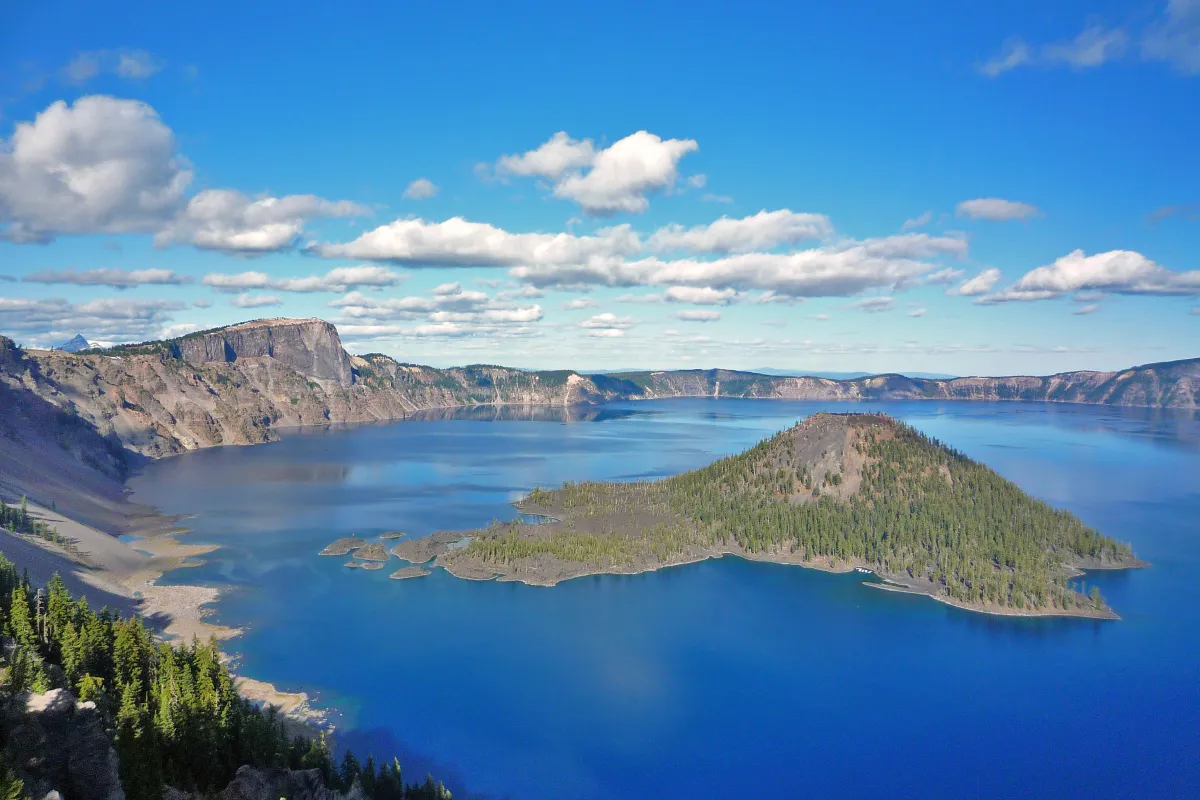

Oregon might be the best all-around state for a hiking dog, and the math backs it up. National forest covers a massive share of the state, and every one of them welcomes a leashed dog on the trails.
Crater Lake is the one holdout. The national park keeps dogs to the developed areas around the rim, not the trails down to the water, so plan that stop as a scenic drive rather than a hike.
Outside Crater Lake, Oregon barely has a strict spot on the map. The BLM canyons, the coast, and the Cascade forests all say yes to a leashed dog.
This guide pulls it together: the one park and its catch, the dozen national forests, the BLM canyon country, and the state parks, each checked against the agency that runs it, with a link on its own page.
Start with the Cascades. Mount Hood and Willamette National Forests put old growth and waterfall trail within easy reach of Portland and Salem, and both welcome leashed dogs.
Head south and the Umpqua and Rogue River-Siskiyou forests pick up the thread, with the same deal: leashed dogs welcome, trail after trail of it.
On the coast side, Siuslaw National Forest covers dune and spruce right along the ocean, a nice break from the mountains.
East of the Cascades, the country changes fast. Deschutes and Fremont-Winema forests open onto high desert pine, and Ochoco National Forest and Crooked River National Grassland add sagebrush and canyon.
Further out, Malheur and Umatilla forests reach into country most visitors never see. Wallowa-Whitman, tucked into the far northeast corner, is open to leashed dogs too.
One rule to carry with you: a 6-foot leash in the developed spots, and a dog under control once you are out on the trail.
The BLM land is where Oregon gets wild. Steens Mountain and the Owyhee Canyonlands hold some of the emptiest, most dramatic ground in the state, and a leashed dog is welcome across both.
Closer to the coast, Yaquina Head and the Rogue Wild and Scenic River add shoreline and whitewater canyon to the list, both open to leashed dogs. Table Rocks, near Medford, holds dogs to part of its trail rather than the whole thing, so check that one first.
John Day Fossil Beds, out in the high desert, and Fort Vancouver, over near Portland, round out the map with walkable history, both welcoming a leashed dog. Lewis and Clark National Historical Park, near Astoria, adds coastal forest to that same list.
So plan your dog days around the forests and the BLM land, not around Crater Lake. You get a season's worth of trail either way, and the rim will still be there for a scenic drive.
Oregon only has the one national park to work around, and the rule is a fair one.
Crater Lake holds dogs to the developed areas: roads, parking lots, and a couple of paved viewpoints around the rim. The trails down toward the water and the backcountry are off-limits, so plan the visit as a scenic overlook day rather than a hiking day.
National monuments, historic sites, recreation areas, and other Park Service land in Oregon, often more open to a leashed dog than the headline parks.
 FOVADog-friendly
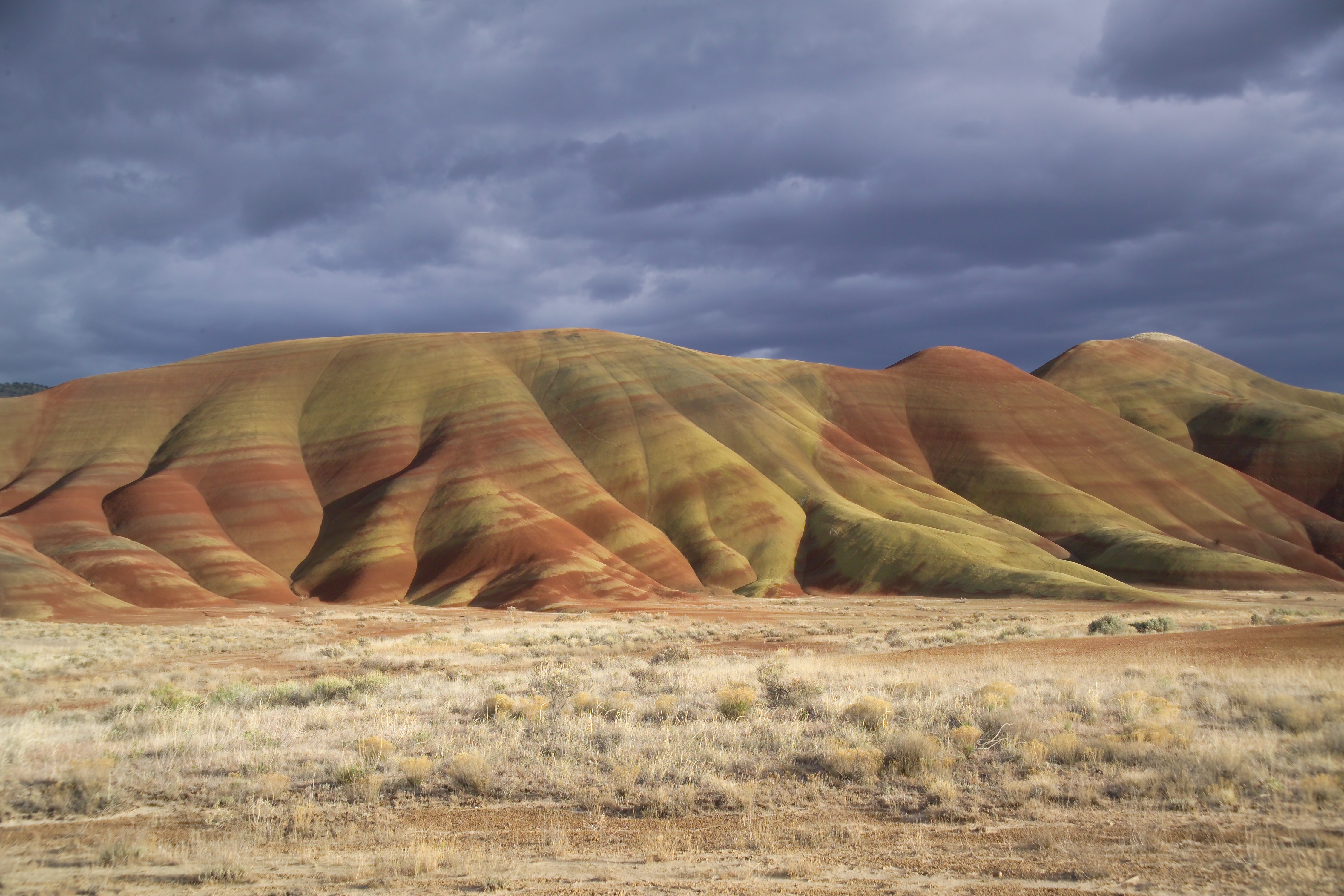 JODADog-friendly
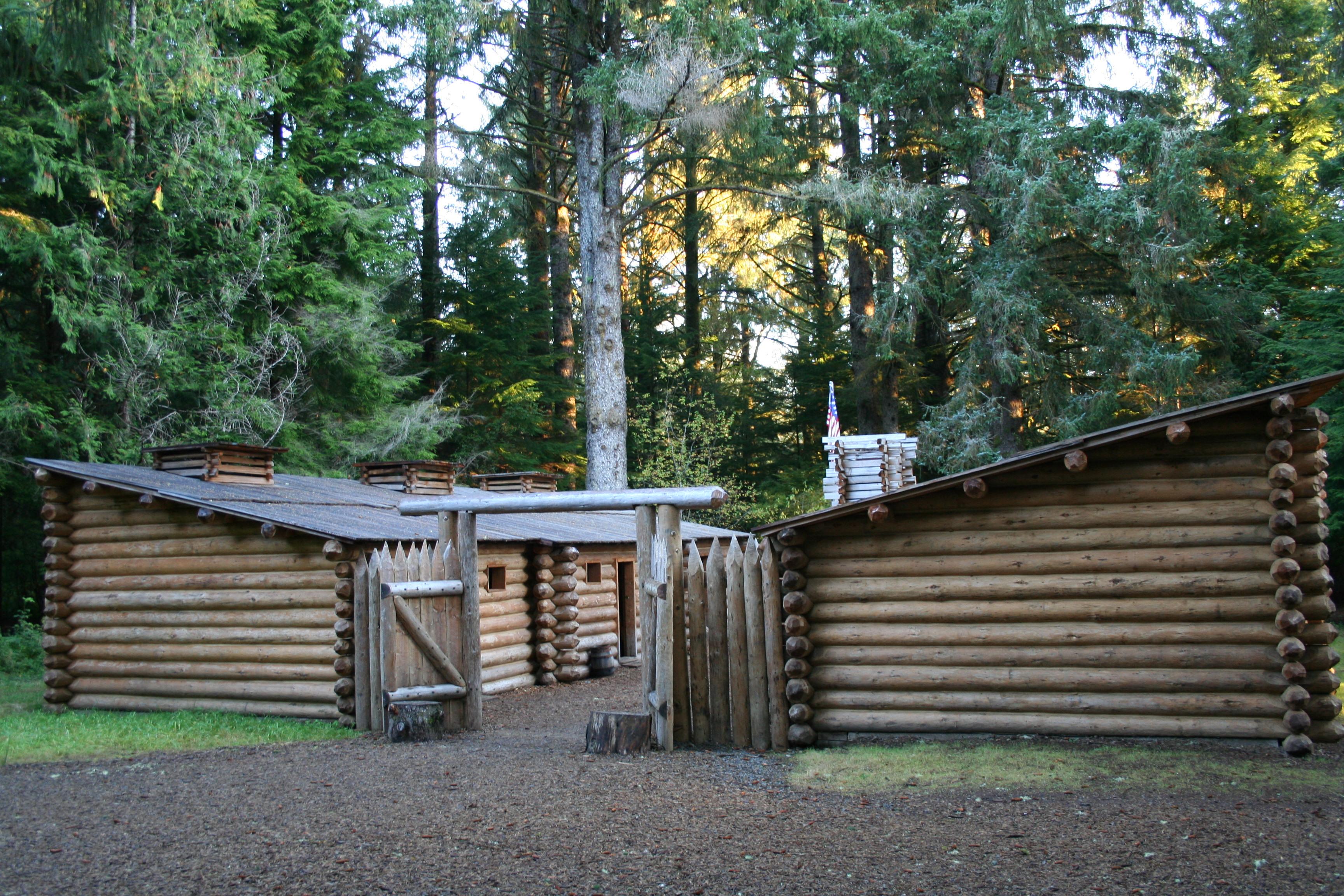 LEWIDog-friendly
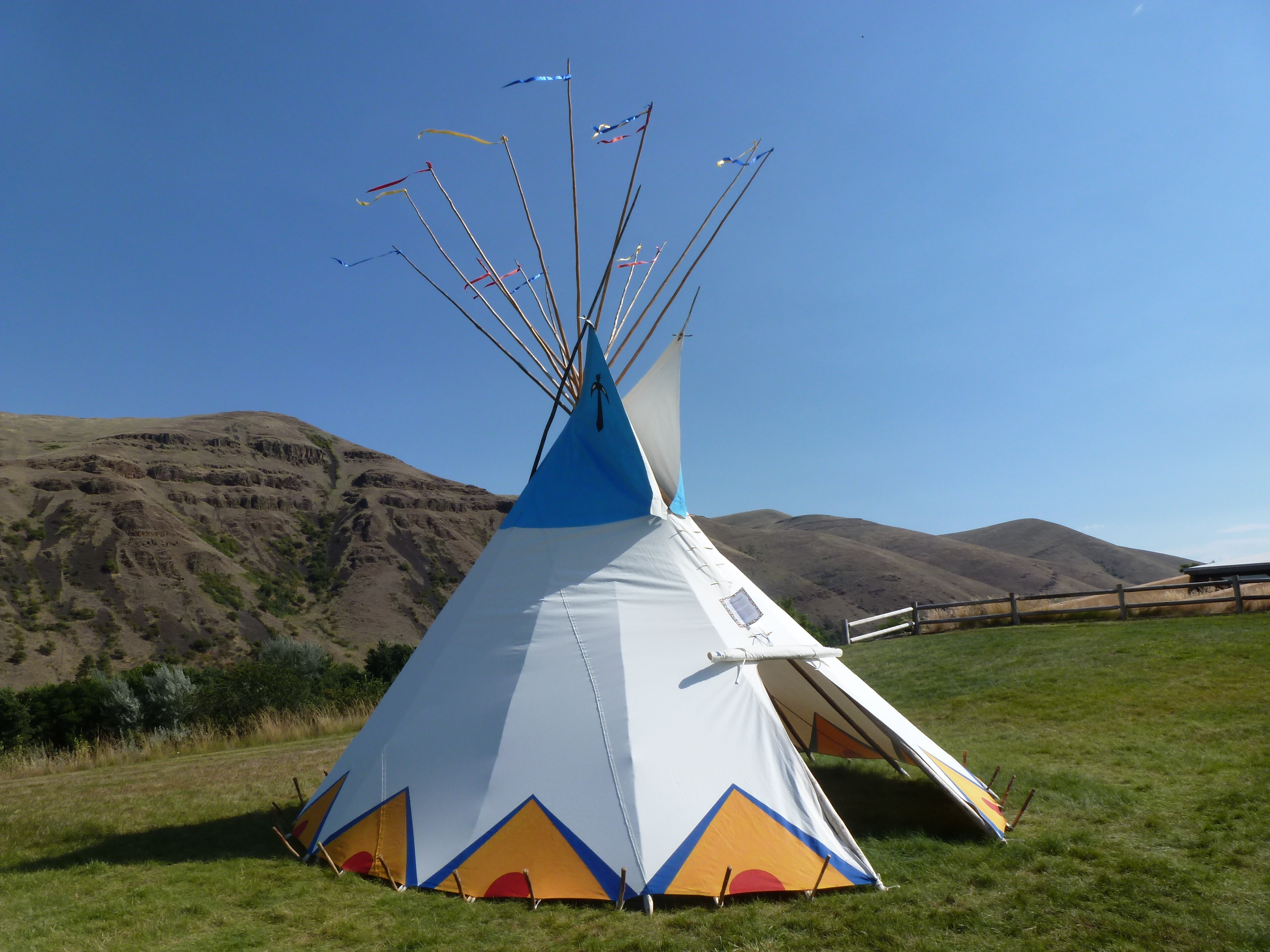 NEPEDog-friendly
 ORCABanned on trails
National forests and grasslands, broadly the friendliest federal land for a leashed dog.
Bureau of Land Management country, open and mostly welcoming to a leashed dog.
National wildlife refuges in Oregon. These protect animals first, so dogs are often limited to certain trails or kept out, but a few welcome a leashed dog.
Beaches in Oregon where people ask about bringing a dog, with the off-leash spots and seasonal bans flagged.
Most Oregon state parks welcome leashed dogs on the trails, which makes the state system the easy, everywhere answer here. Yes. Most Oregon state parks welcome leashed dogs on trails.
The most-visited Oregon state parks, each checked for its own dog rule.
The coast and valleys hike well much of the year, while the high Cascade forests really open up in summer once the snow clears.
Rain is a given outside summer, so pack for wet regardless of the season, and expect mud on the west-side trails.
The east side of the state is drier and hotter in summer, so carry water there even when the Cascades feel cool and damp.
Late summer brings fire season, so check for closures before you drive out, especially east of the mountains.
Ticks show up in the grassy foothills by spring, and blackberry thickets on the coast can be rough on paws, so check your dog after a brushy walk.
Snow lingers on the high Cascade passes into early summer, so a July trip into the mountains can still mean postholing through drifts near the ridgelines.
Mountain trails mean long days, cold water crossings, and real elevation, so pack for control and endurance.
Every rule here comes straight from the agency that runs the land, the National Park Service, the Forest Service, the BLM, or the Oregon state park system, and each place is date-stamped on its own page. Dog policies change with the season and the site, so use this to plan and always confirm on the official page before you load up the car. More on how we check it in our methodology.
Skip Crater Lake's trails with the dog and let the forests and the BLM canyons carry the day. Oregon has a trailhead near almost every town in the state.
Yes. Oregon has 42 verified federal and state areas in this guide, and most of the state parks welcome leashed dogs on the trails. The national parks tend to be the strict ones, so those are listed separately below.
The national parks in Oregon mostly hold dogs to paved areas, roads, and campgrounds rather than the trails. Each park page spells out exactly where a dog can go.
Yes. Most Oregon state parks welcome leashed dogs on trails. Leashed dogs are generally allowed on trails, in campgrounds, and day-use areas across Oregon State Parks.
The tightest rules are usually inside the national parks and around sensitive wildlife or water areas. Swim beaches, some nature preserves, playgrounds, and park buildings are typically off-limits. Rules vary by park.