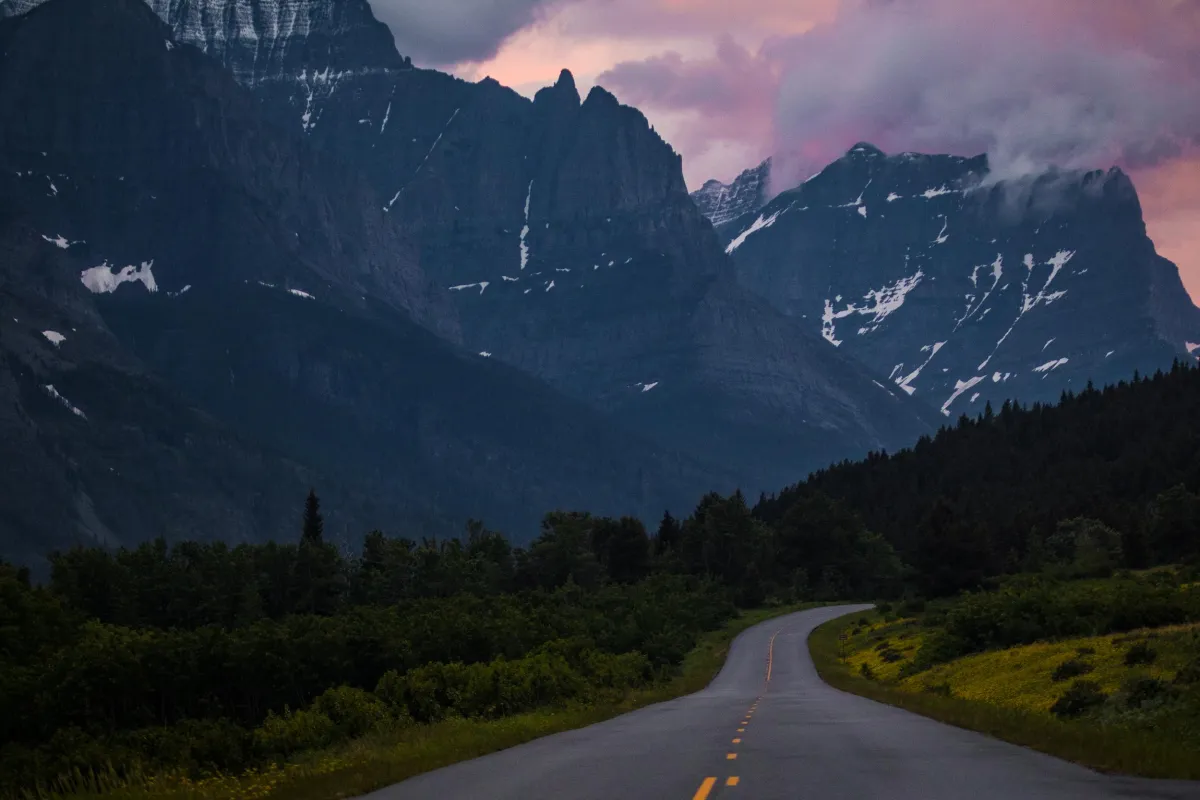

Montana is about as good as it gets for a dog owner, once you get past one park. The sheer size of the place works in your favor, since there's more public land here than a person could see in one lifetime.
Nearly every acre of public land here says yes to a leashed dog. The forests run enormous and welcoming, and the state parks and river monuments add even more room behind them.
Glacier is the one holdout. The national park keeps dogs off its trails and out of the backcountry entirely, so that trip happens without your dog, no matter how badly you want to bring one.
This guide pulls it together: Glacier's rules, the eight national forests where you'll spend most of your days, the river monuments, and the historic battlefields, each one checked against the agency that runs it.
Here's the short version for Montana: national forest covers more of this state than you could hike in several lifetimes, and nearly all of it welcomes a leashed dog.
Up in the northwest corner, the Flathead and Kootenai forests hold the country right around Glacier's edges, and a slice of the Idaho Panhandle forest reaches over the border too. It's some of the wettest, greenest ground in the state.
The Lolo National Forest surrounds Missoula, and the Bitterroot forest picks up the range along the Idaho line, both thick with cedar and fir along the river valleys.
Central Montana belongs to the Helena-Lewis and Clark forest and the Beaverhead-Deerlodge, the largest national forest in the state, stretching from the Continental Divide down toward the Idaho border.
Down south near Yellowstone, the Custer Gallatin forest picks up the Absaroka and Gallatin ranges, some of the best alpine trail in the state.
One rule holds everywhere: 6-foot leash in the developed spots, dog under control on the trail. Keep that in mind whether you're in a trailhead lot or three miles up a ridge.
For something lower and quieter, two BLM monuments follow the rivers. Pompeys Pillar National Monument marks a sandstone outcrop rising along the Yellowstone River, and the Upper Missouri River Breaks National Monument opens up badland bluffs along the Missouri, both open to a leashed dog.
Add the state parks scattered across the map, and there's a good leashed walk within reach of nearly every town in Montana.
Grant-Kohrs Ranch National Historic Site adds an easy, flat walk if you want a break from the mountain miles, and leashed dogs are welcome there too.
So plan your dog days around the national forests and the river monuments, not around Glacier's trail system. You'll cover more ground and see just as much of that big sky.
Montana only has one national park to worry about, and it's the strict one.
Glacier keeps dogs off every trail, no dogs allowed in the backcountry, just developed areas like campgrounds and roadsides. Plan that trip as a scenic drive, not a hiking day, and save the real miles for the forests around it.
National monuments, historic sites, recreation areas, and other Park Service land in Montana, often more open to a leashed dog than the headline parks.
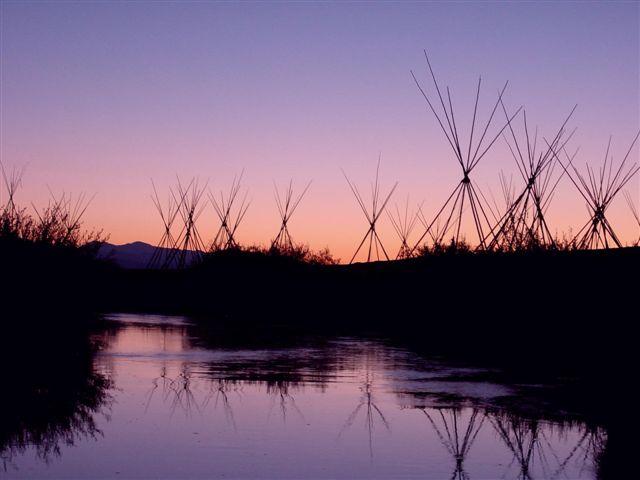 BIHOBanned on trails
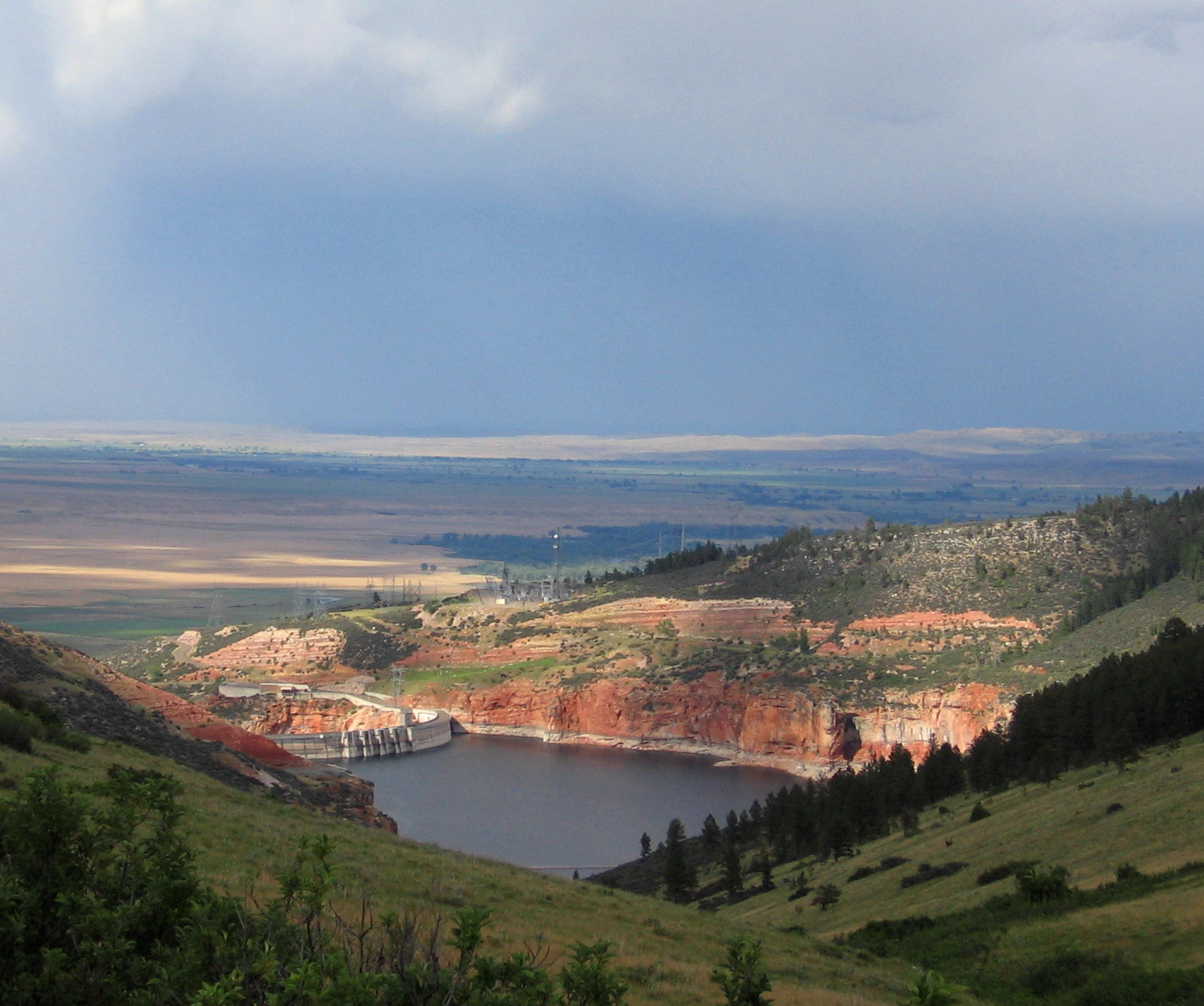 BICADog-friendly
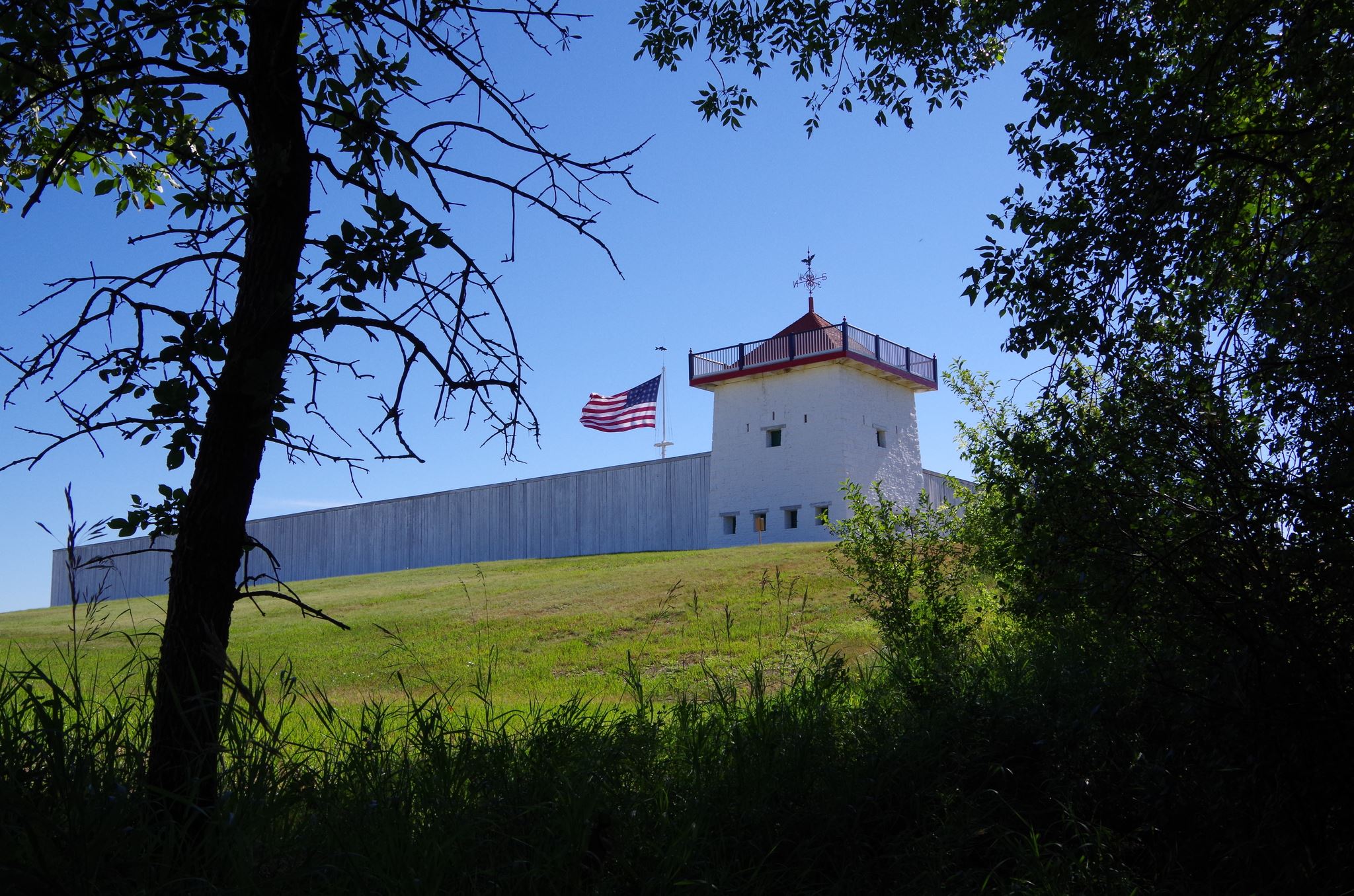 FOUSDog-friendly
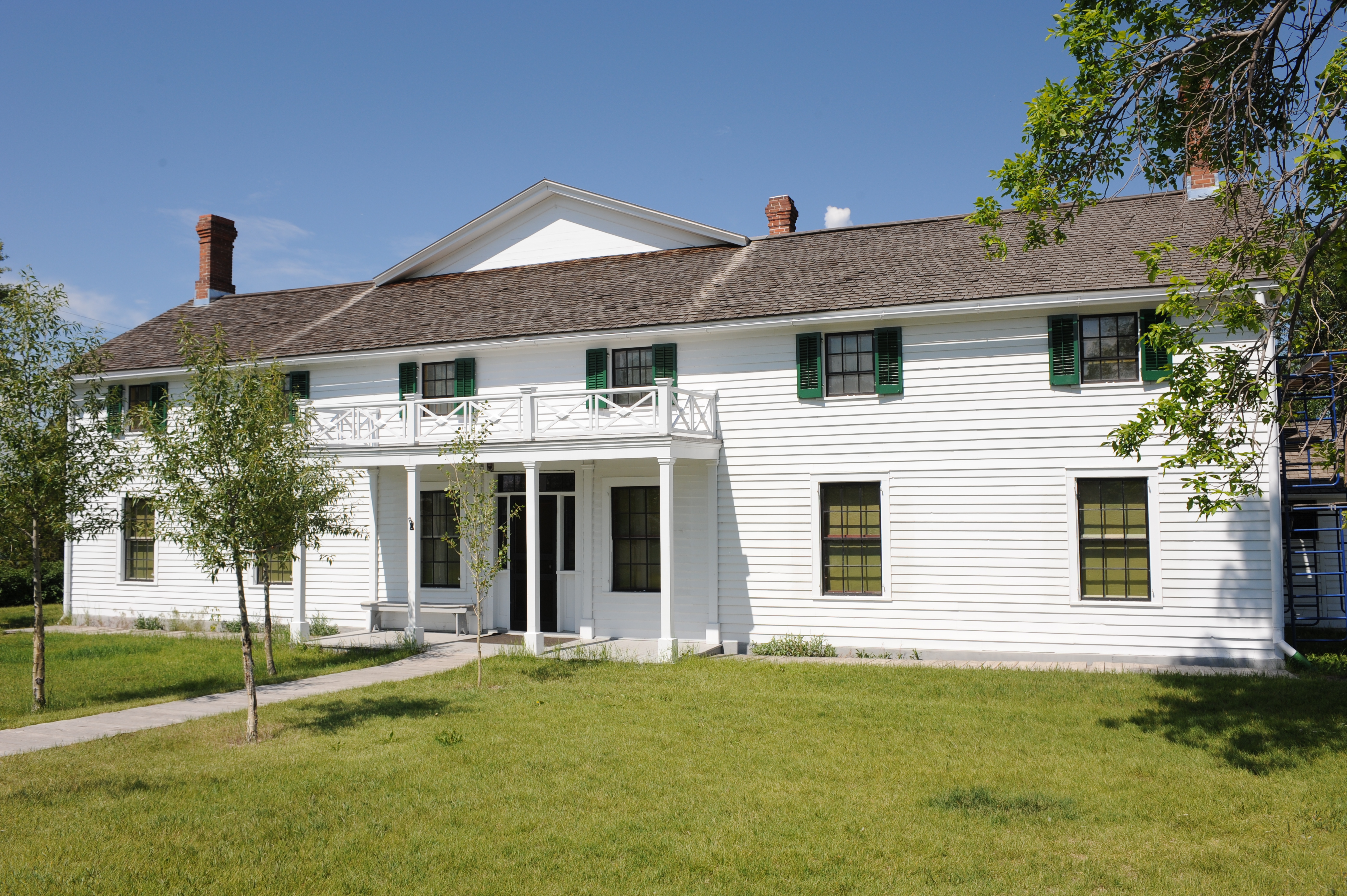 GRKODog-friendly
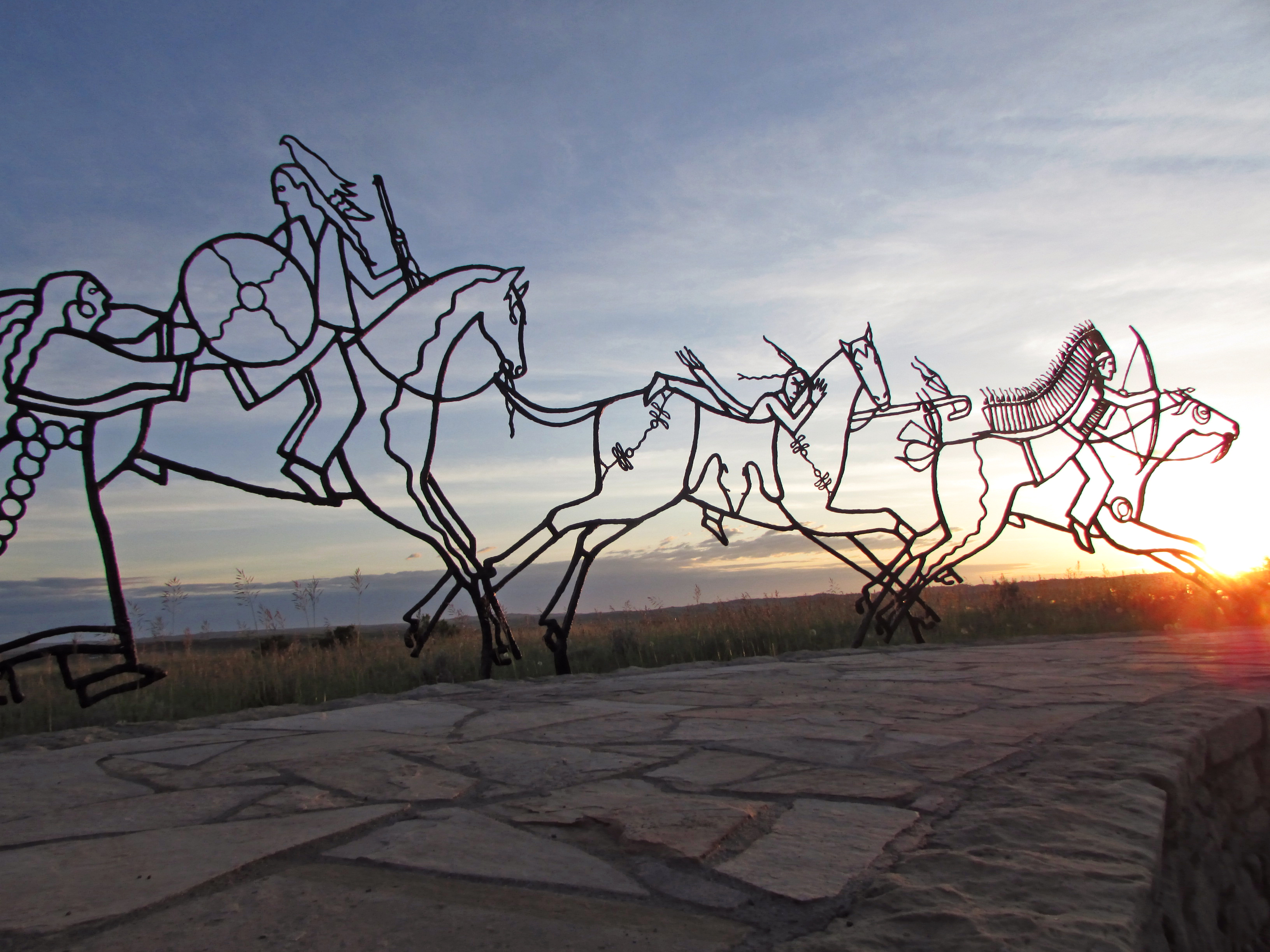 LIBIBanned on trails
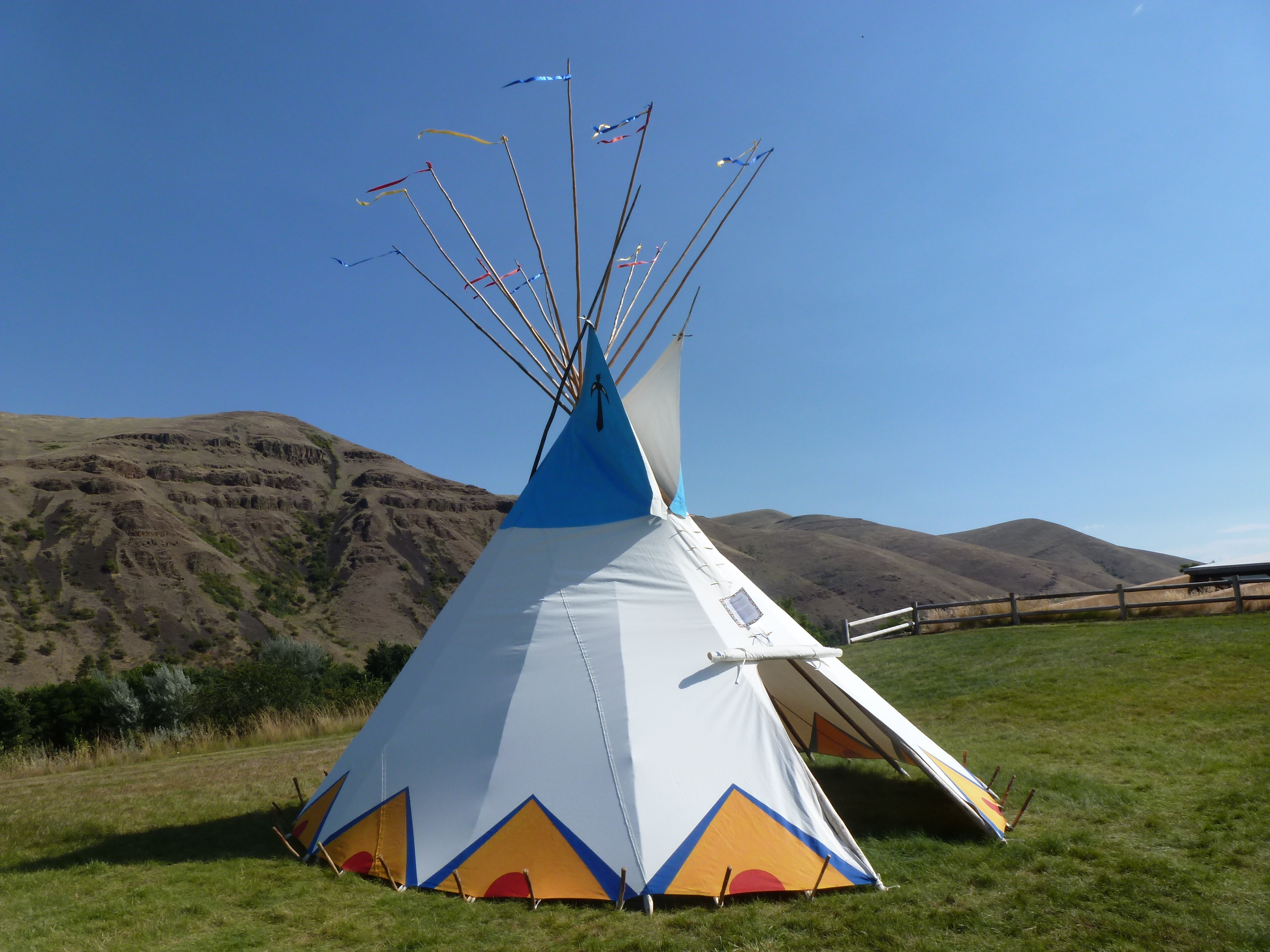 NEPEDog-friendly
National forests and grasslands, broadly the friendliest federal land for a leashed dog.
Bureau of Land Management country, open and mostly welcoming to a leashed dog.
National wildlife refuges in Montana. These protect animals first, so dogs are often limited to certain trails or kept out, but a few welcome a leashed dog.
Most Montana state parks welcome leashed dogs on the trails, which makes the state system the easy, everywhere answer here. Yes. Most Montana state parks welcome leashed dogs on trails.
The most-visited Montana state parks, each checked for its own dog rule.
Summer and early fall are the real window in Montana, and even then snow can linger high into July on the passes.
Afternoon storms build fast in the mountains, so get up early and be off exposed ridges before the thunder rolls in. Lightning on an open ridge is nothing to wait out.
Bears are a real presence here, grizzly in the west and black bear statewide, so carry bear spray and know how to use it before you go. Make noise on the trail, especially near running water where a bear might not hear you coming.
Rivers run cold and swift with snowmelt well into summer, so keep your dog leashed and back from the current near any crossing.
Ticks show up in spring in the grass and brush, so check your dog after hikes in the lower forests. They thin out considerably once things dry out in summer.
Winter comes early and stays late at elevation, so plan the shoulder seasons carefully if you're heading up high. A trail that's clear in June can still be snowed in higher up.
Mountain trails mean long days, cold water crossings, and real elevation, so pack for control and endurance.
Every rule here comes straight from the agency that runs the land, the National Park Service, the Forest Service, the BLM, or the Montana state park system, and each place is date-stamped on its own page. Dog policies change with the season and the site, so use this to plan and always confirm on the official page before you load up the car. More on how we check it in our methodology.
So here's Montana in a sentence: skip Glacier's trails with the dog, and spend your time in the eight national forests and the river monuments instead. There's more good ground here than you could cover in a lifetime.
Yes. Montana has 27 verified federal and state areas in this guide, and most of the state parks welcome leashed dogs on the trails. The national parks tend to be the strict ones, so those are listed separately below.
The national parks in Montana mostly hold dogs to paved areas, roads, and campgrounds rather than the trails. Each park page spells out exactly where a dog can go.
Yes. Most Montana state parks welcome leashed dogs on trails. Leashed dogs are generally allowed on trails, in campgrounds, and day-use areas across Montana State Parks.
The tightest rules are usually inside the national parks and around sensitive wildlife or water areas. Swim beaches, some nature preserves, playgrounds, and park buildings are typically off-limits. Rules vary by park.